
Vintage Cabriole Leg Table
A vintage cabriole leg table brings flowing, curved supports to domestic spaces, offering both practical surface area and traditional elegance.
Vintage Cabriole Leg Table
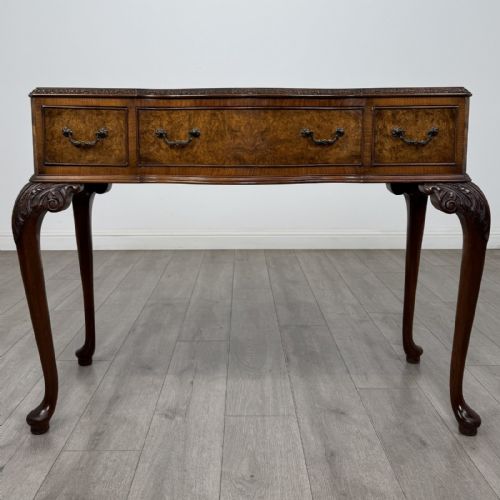
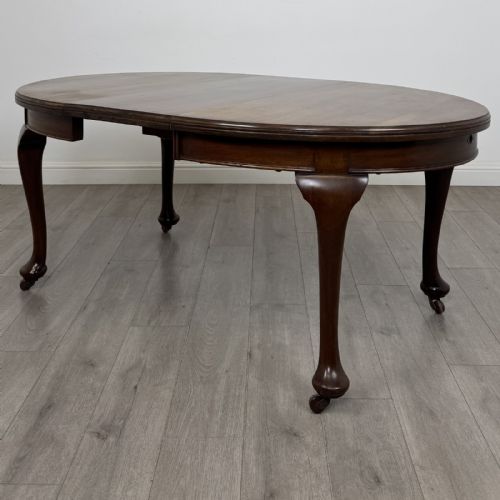
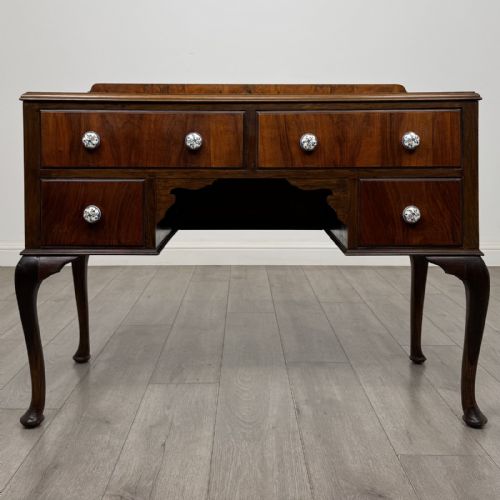
When you search for a vintage cabriole leg table, you encounter diverse forms ranging from side tables and coffee tables to writing desks and occasional tables. These pieces draw upon design traditions spanning from the eighteenth century through the Edwardian era and into the 1920s and 1930s.
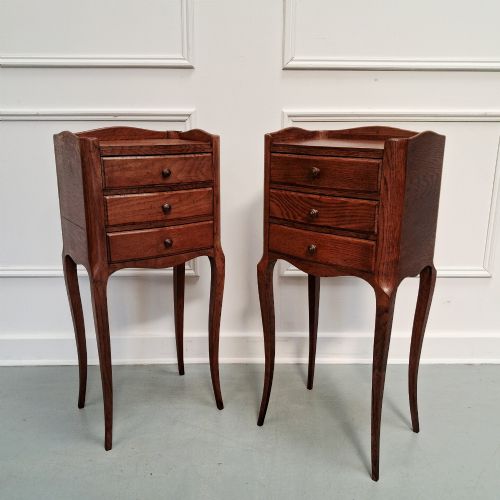
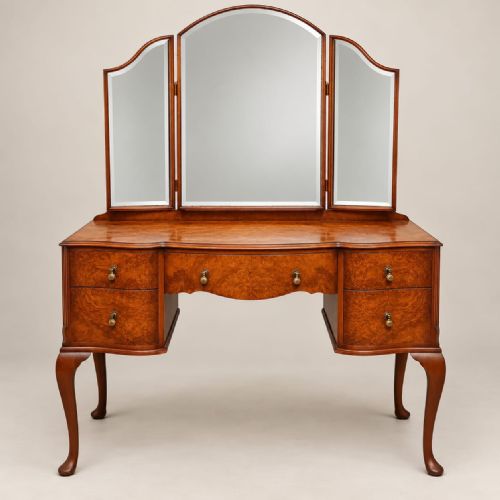
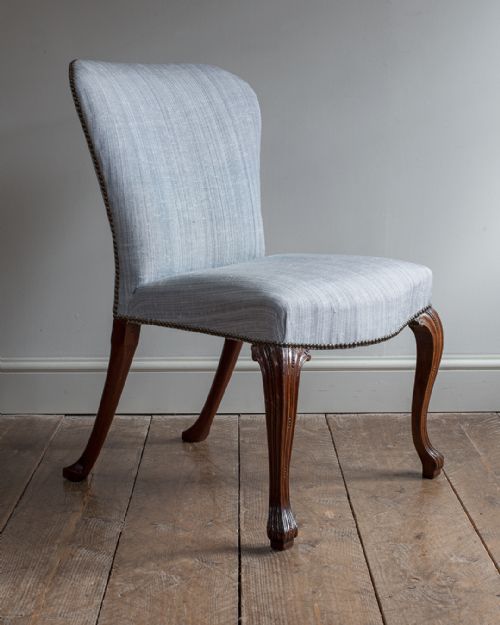
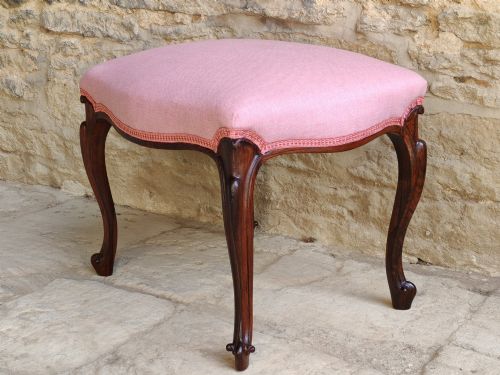
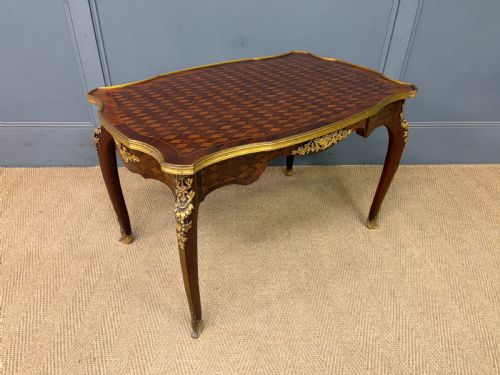
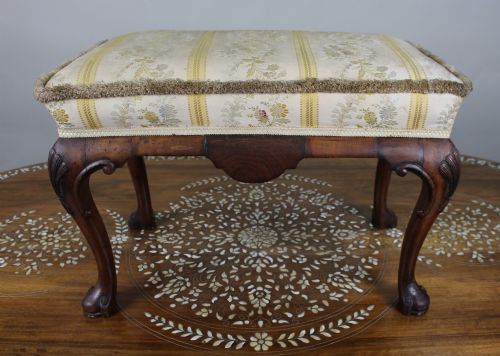
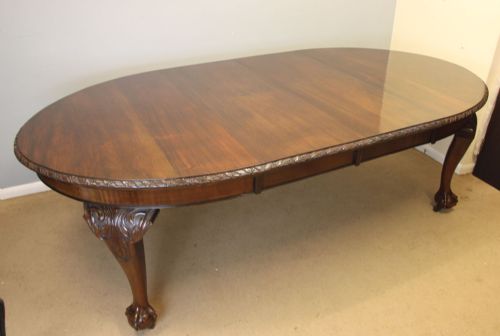
The characteristic double-curved leg, which arches outward and then gracefully inward to a foot, defines this furniture category. You are most likely to meet walnut and mahogany examples finished in revival styles such as Queen Anne or Louis XV.
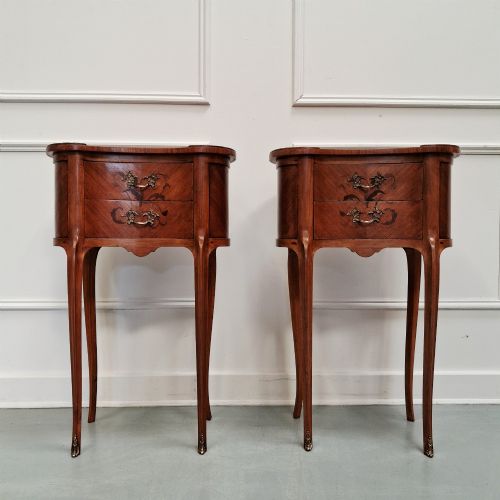
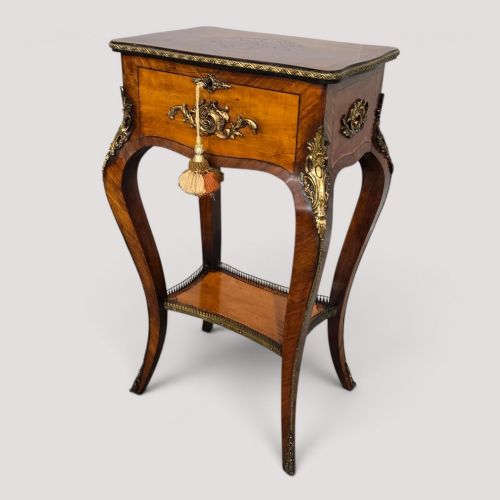
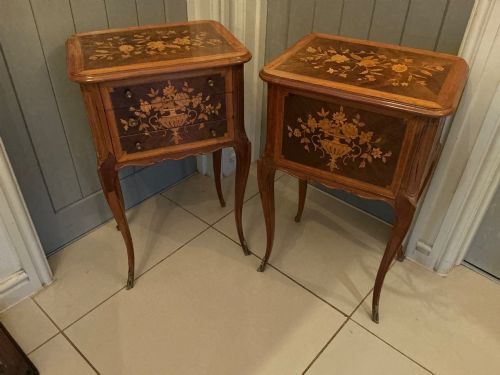
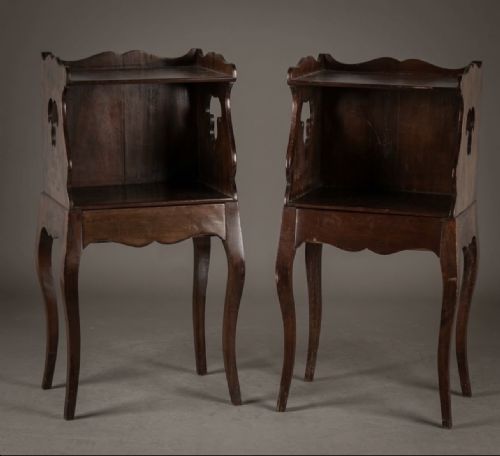
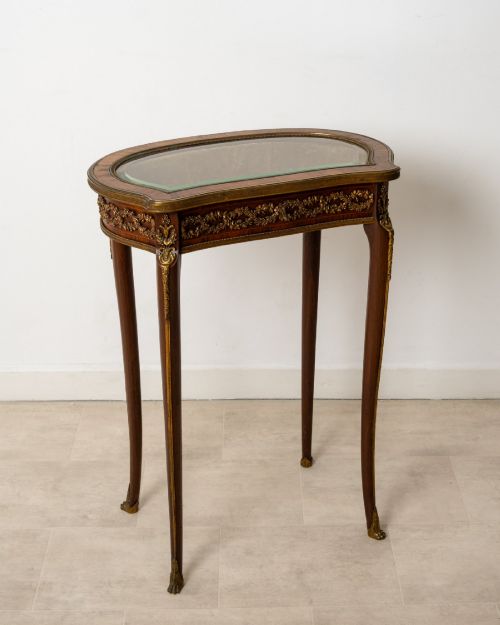
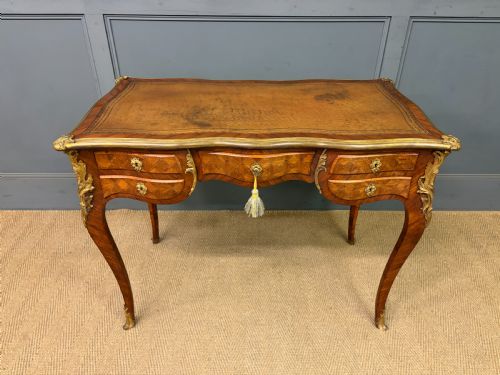
Origins vary between British craftsmanship and continental European workshops, particularly French pieces featuring marquetry, parquetry, or ormolu mounts. Functional types span from compact bedside cabinets and nesting tables to larger dining and console tables.
Materials and construction methods
Cabinet makers utilised dense hardwoods such as mahogany, walnut, burr walnut, and oak to provide structural integrity for these curved supports. Fexible veneers like kingwood, satinwood, and rosewood allowed artisans to create intricate floral inlay and geometric parquetry patterns across table tops and drawer fronts.
Decorative elements frequently include cast ormolu mounts, brass hardware, and hand-carved detailing along the apron and knees of the cabriole legs. Surface treatments range from traditional French polishing to painted and gilded finishes or black lacquer.
Listings feature walnut, mahogany, and oak alongside exotic veneers like kingwood, satinwood, and burr walnut.
Distinctions in construction and finish
The distinction between standard examples and superior pieces rests in the crispness of the hand-carved wooden contours and the precision of the marquetry work. Finer items integrate timber grain thoughtfully across the top surfaces, ensuring natural symmetry and depth.
Gillows
The Vintage Cabriole Leg Table Glossary
- Cabriole leg
- A furniture support inspired by animal limbs featuring an outward convex knee and an inward concave ankle. This form became a staple of eighteenth-century design and later revival periods.
- Marquetry
- Decorative patterns formed by fitting together small pieces of wood veneer of different colours and grains. Artisans apply these pictorial designs directly to table tops and desk surfaces.
- Ormolu
- Gilded bronze ornamentation applied to furniture for decorative accent. Makers mounted these metal pieces onto corners, legs, and aprons of finer French tables.
- Parquetry
- Geometric wood inlay resembling mosaic work. Carpenters utilise contrasting timber veneers to create repeating squares, cubes, or diagonal lines.
- Envelope table
- A specialised gaming or card table featuring a folding top that rotates and opens like an envelope. These typically rest upon slender cabriole legs.
Vintage Cabriole Leg Table: Frequently Asked Questions
What periods do these tables come from?
The inventory encompasses pieces from the eighteenth and nineteenth centuries alongside Edwardian items and 1920s or 1930s revivals. Makers during these later decades frequently copied earlier French and English aesthetics.
Design influences span Queen Anne, Louis XV, Chippendale, and regional provincial styles. Dates are determined by structural characteristics and prevailing historical revivals.
How do I identify different revival styles?
Louis XV revival pieces often incorporate ornate ormolu mounts, floral marquetry, and kidney-shaped or serpentine tops. Queen Anne and Chippendale styles tend to showcase understated walnut or mahogany with carved shell motifs on the knees.
Examining the secondary woods and interior drawer construction helps confirm the chronological era. European examples often utilise cherry or kingwood alongside traditional French polishing techniques.
Where were these tables used originally?
Smaller variants functioned as bedside tables, lamp tables, or occasional stands for holding decorative porcelain and planters. Larger forms served as writing desks, centre tables, or dining surfaces in parlours and drawing rooms.
Console and hall tables were positioned against walls beneath matching mirrors to greet visitors in entranceways. Nesting tables provided flexible surface space that could be stacked when not in use.
How should I care for wood surfaces?
Maintain timber finishes by keeping pieces away from direct heat sources and fluctuating humidity levels. Regular dusting with a soft, dry cloth prevents particulate build-up on delicate veneers.
Periodically applying appropriate wax polish nourishes walnut, mahogany, and oak without creating heavy residue. Avoid placing unprotected wet items directly onto antique polished surfaces.