
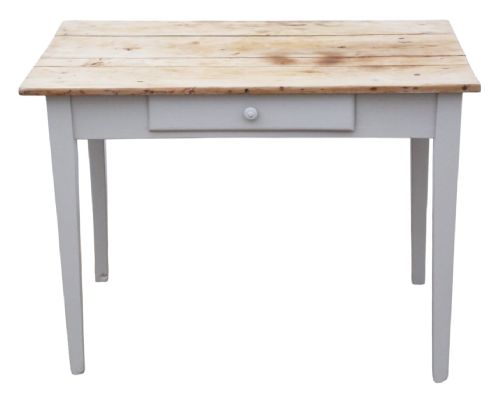


French Painted Dining Table
A french painted dining table brings immediate rustic charm and weathered character into a room.
French Painted Dining Table
A french painted dining table encompasses practical kitchen and dining furniture originating from various periods including the nineteenth century and the early twentieth century. These pieces bridge formal revival aesthetics and simpler country traditions, offering functional surfaces defined by aged painted finishes.
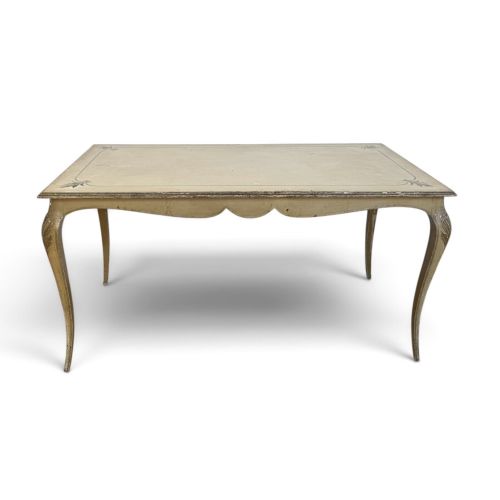
The versions most commonly encountered on this page include scrub-top kitchen tables, painted oval centre tables, and breakfast tables. They range from rustic farmhouse styles to ornate Louis XV revival pieces with gilt detailing.
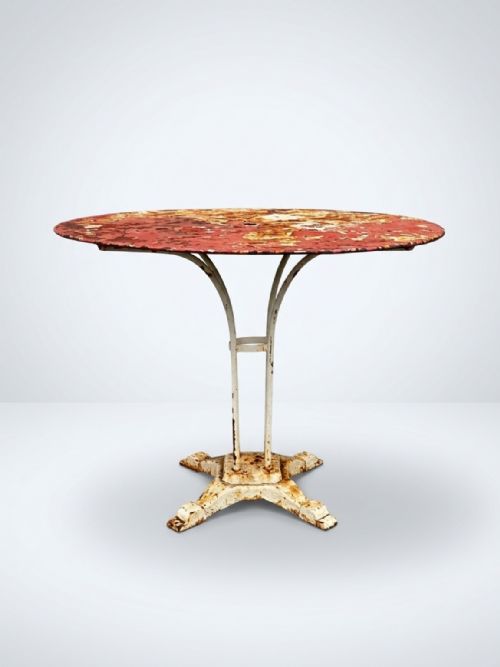
Materials span from simple pine and wood to wrought iron and metalwork, reflecting both indoor domestic use and robust garden or patio settings. Each form carries distinct regional and stylistic markers from French country and chateau traditions.
How They Were Made
Construction relied heavily on solid timbers such as pine and painted wood, joined using traditional cabinet-making methods suited for daily domestic work. Tables often feature scrubbed wooden tops paired with painted bases that have accumulated layers of history over decades.
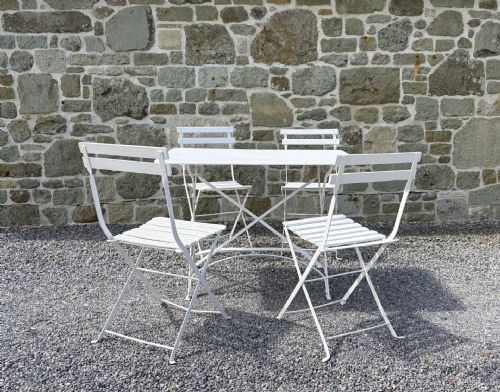
Metalwork versions incorporate wrought iron, cast iron, and folding metal structures designed for durability and garden use. Artisans applied painted surface treatments and occasional gold leaf highlights to enhance decorative revival styles like Louis XV and Art Deco.
Styles recorded across the selection include French Country, Rustic Farmhouse, Louis XV Revival, and Industrial French.
What Varies in Quality
Quality rests in the originality of the painted surface and the integrity of the timber or metal frame. Tables retaining their authentic, undisturbed period paint show superior character compared to later overpainting.
Fine construction details, such as integrated drawers, well-balanced proportions, and sophisticated decorative elements like gilding or revival carving, elevate certain examples above standard utilitarian furniture.
The French Painted Dining Table Glossary
- Scrub-top
- A wooden table top left unpainted and repeatedly scrubbed clean, typical of traditional kitchen work tables. This surface provides a durable working area that shows the natural grain of the timber.
- Louis XV Revival
- A nineteenth-century decorative style reviving the flowing asymmetrical curves and ornamentation of the mid-eighteenth-century French court. Pieces in this style often incorporate gilded accents and cabriole structures.
- Centre table
- A freestanding table designed to be viewed from all sides and placed in the middle of a room rather than against a wall. These often feature decorative oval or circular tops.
- Wrought iron
- Iron heated and hammered into shape by hand, used extensively in durable garden furniture and folding tables. It offers strong structural support with slender profiles.
French Painted Dining Table: Frequently Asked Questions
How do I use a painted table daily?
These tables function well as everyday dining surfaces, kitchen prep stations, or central display pieces in a room. Their robust construction handles daily domestic activities easily.
Protect the aged painted surfaces from excessive moisture and heat by using appropriate table mats. Gentle cleaning preserves the historic finish without stripping the original character.
Are these tables suitable for outdoor use?
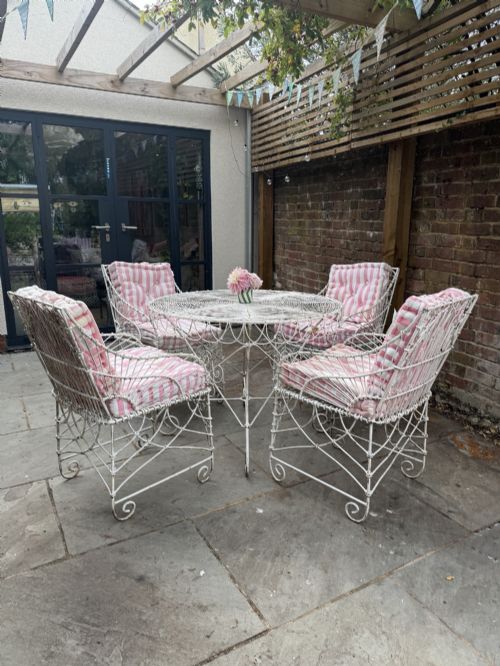
Certain variations constructed from iron, metalwork, and weather-resistant timber are designed specifically for garden dining sets and patio furniture. They withstand outdoor environments when properly maintained.
Indoor kitchen and dining tables made of pine or delicate painted wood should remain inside to protect the finish from rain and frost.
How do I date a painted table?
Dating relies on examining construction techniques, joinery methods, and the natural ageing of the timber and paint layers. Characteristics align with periods ranging from the mid-nineteenth century through the 1930s.
Stylistic cues such as Art Deco cast iron or Louis XV revival carving provide additional chronological markers to help distinguish nineteenth-century examples from early twentieth-century pieces.
What maintenance do painted finishes need?
Historic painted surfaces require minimal intervention, usually just a soft, dry cloth to remove dust. Avoid harsh chemical cleaners that might lift or dissolve the aged paint.
Wax or gentle oils can sometimes be applied to unpainted wooden scrub-tops to nourish the timber, while the painted sections benefit from being kept dry and stable.