


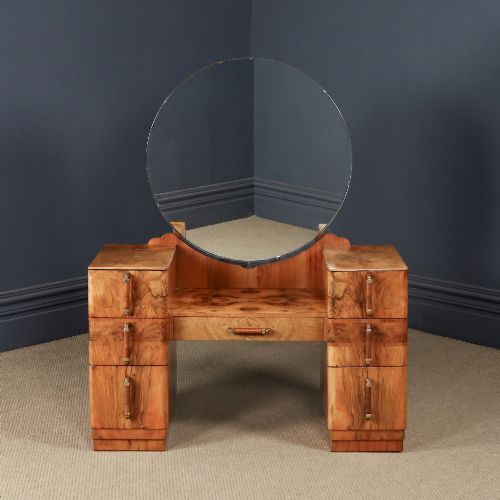
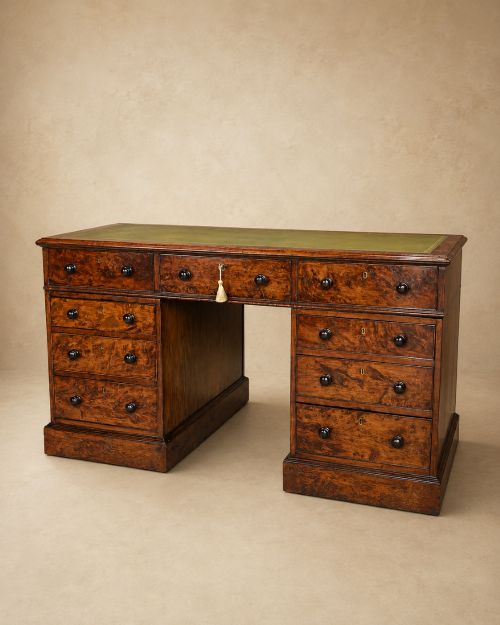
Vintage Burr Walnut Table
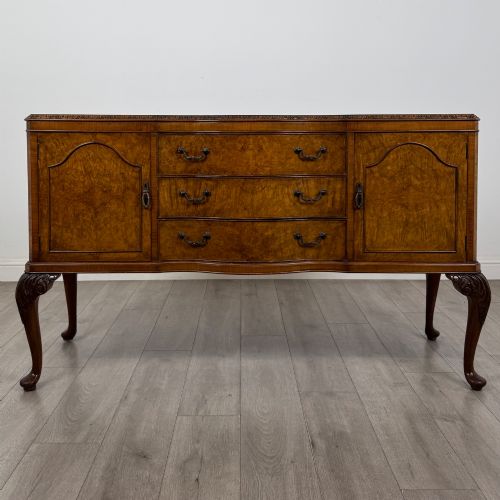
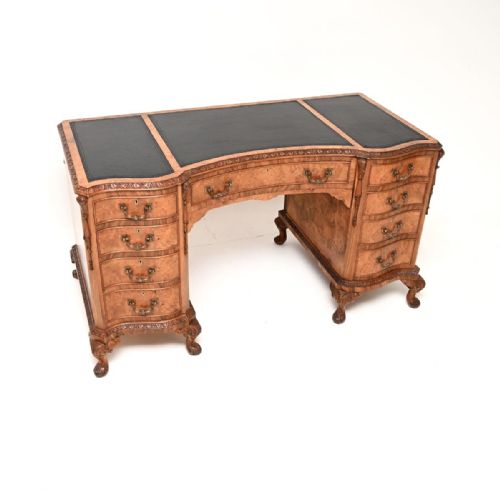
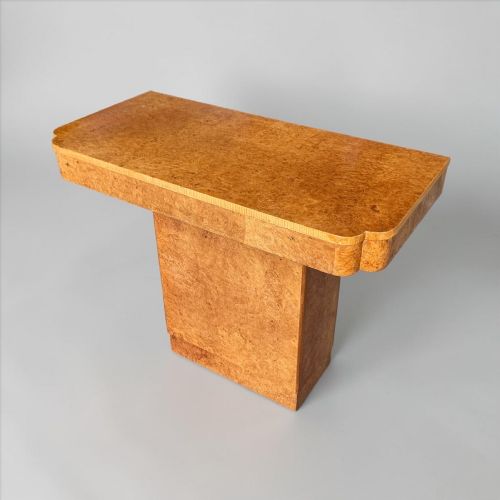
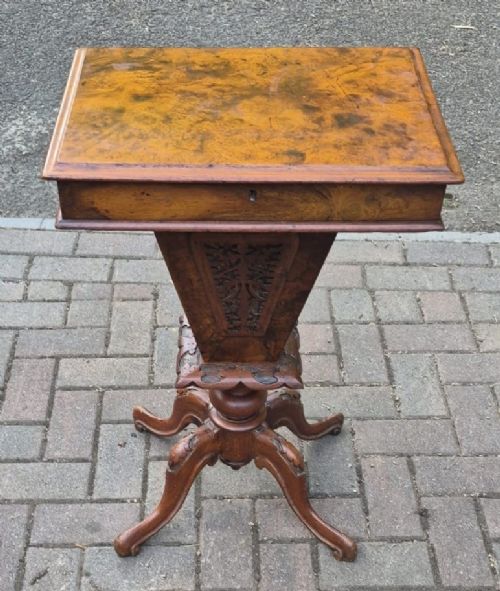
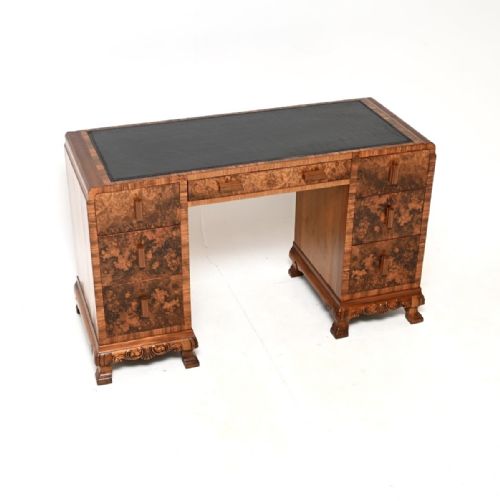
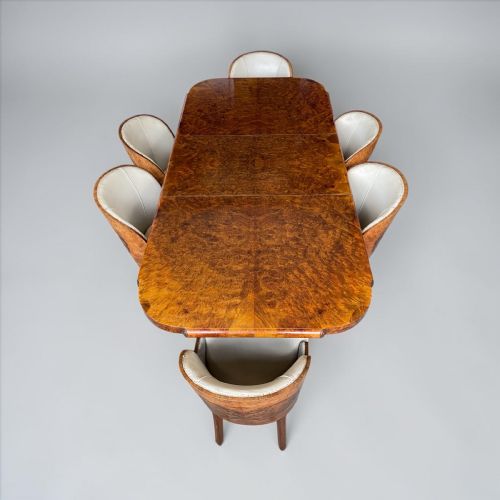
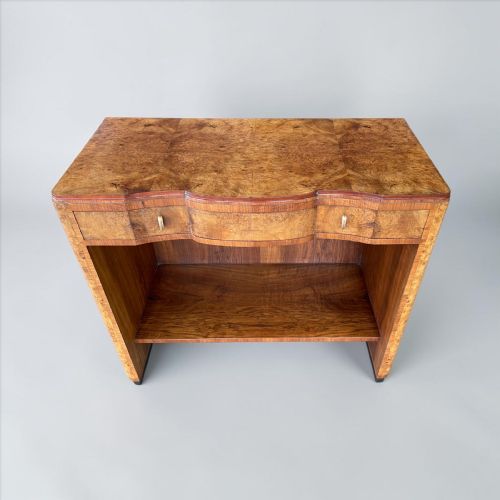
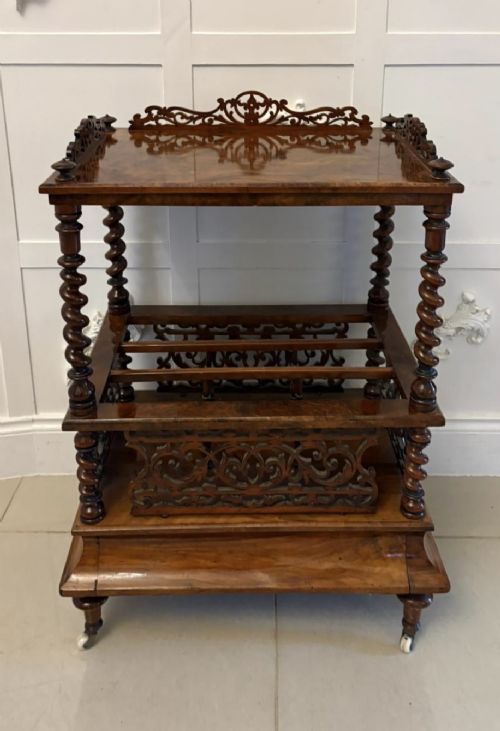
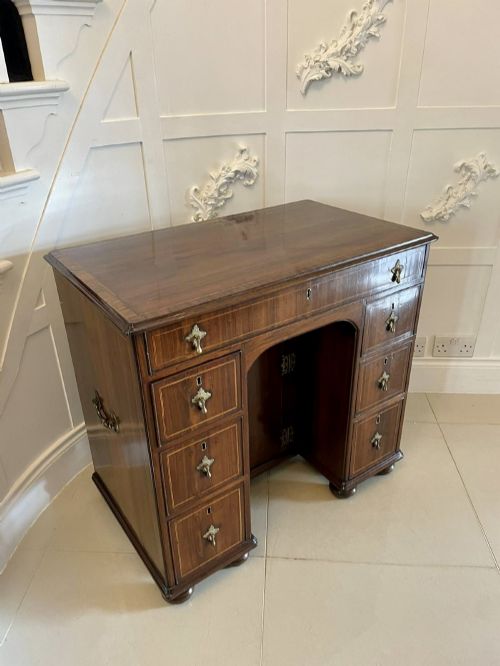
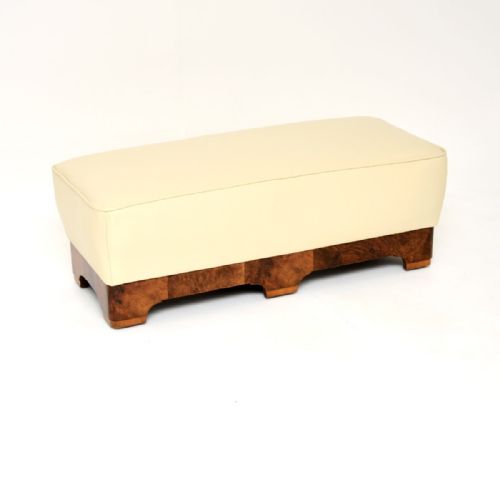
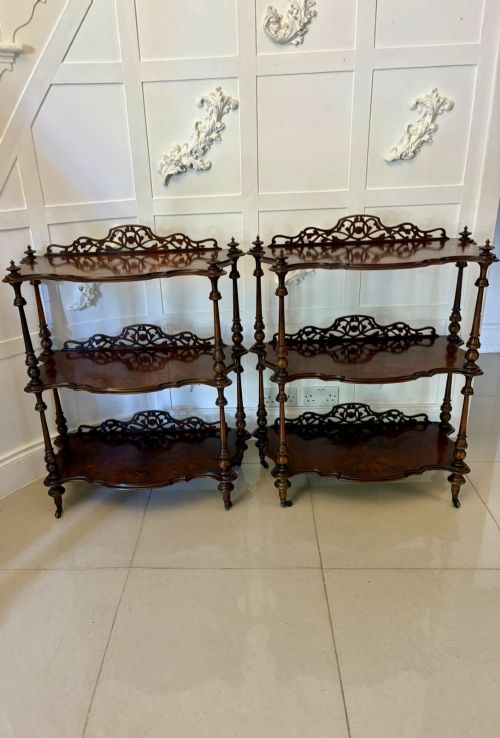
A vintage burr walnut table brings rich grain patterns and warm tones into a room, spanning forms from coffee tables to bedside cabinets.
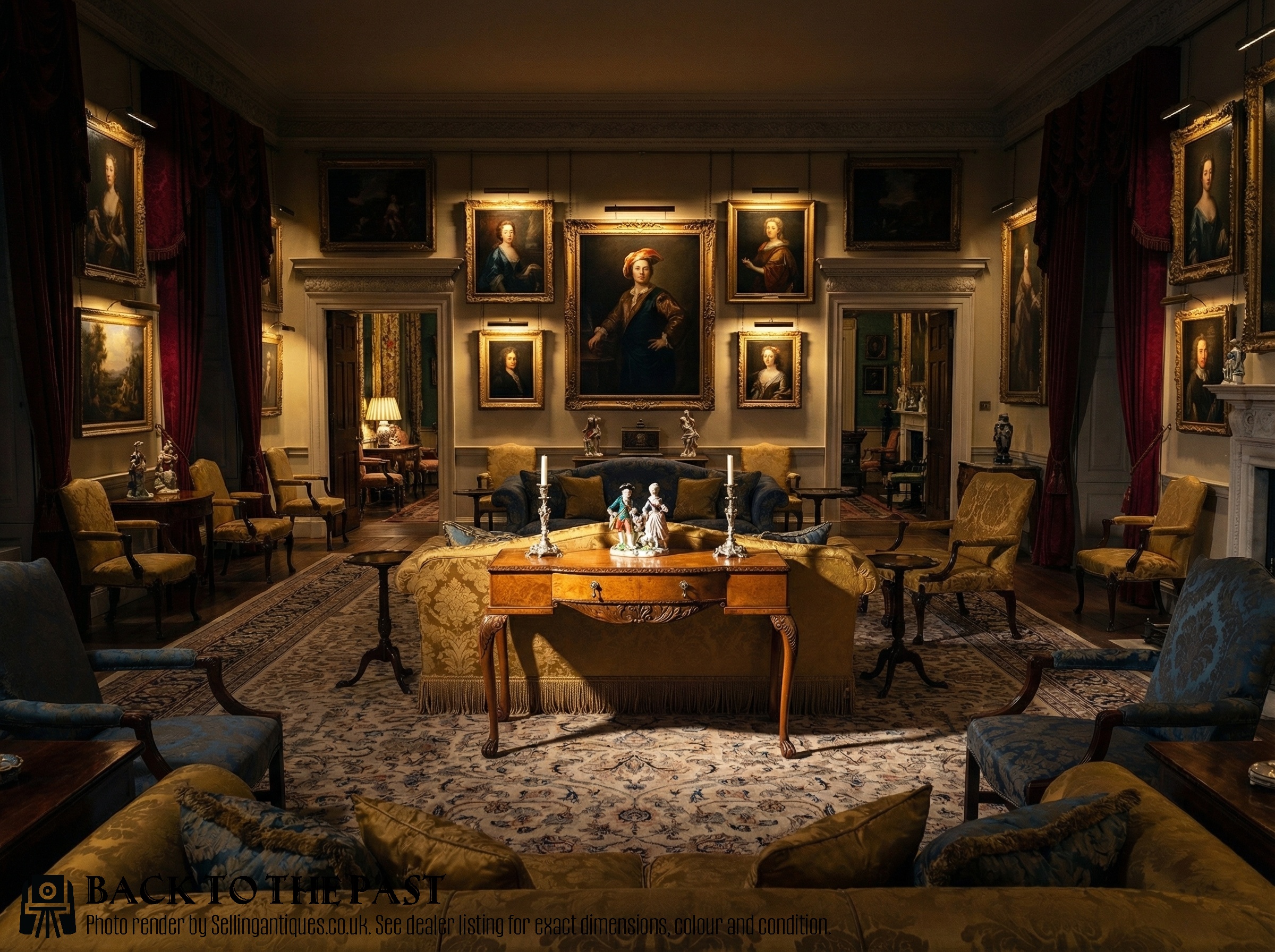
Vintage Burr Walnut Table
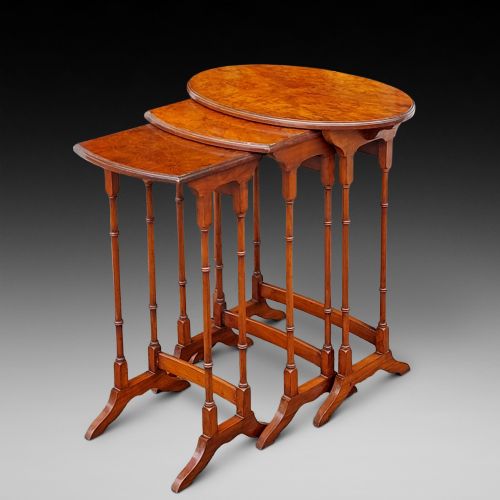
A vintage burr walnut table encompasses a diverse range of furniture types designed for practical daily use and display throughout the home. Buyers searching this phrase encounter forms that include coffee tables, occasional tables, nesting tables, and serving tables from various periods.
The selections span distinct historical eras, with a strong representation of Art Deco pieces alongside Victorian, Edwardian, and eighteenth-century examples. Coffee tables and nesting sets frequently appear from the twentieth-century production periods.
Makers and designers applied this figured timber to specialised surfaces, creating compact bedside stands as well as larger dining furniture. Each object showcases the distinctive circular knot formations inherent in the wood.
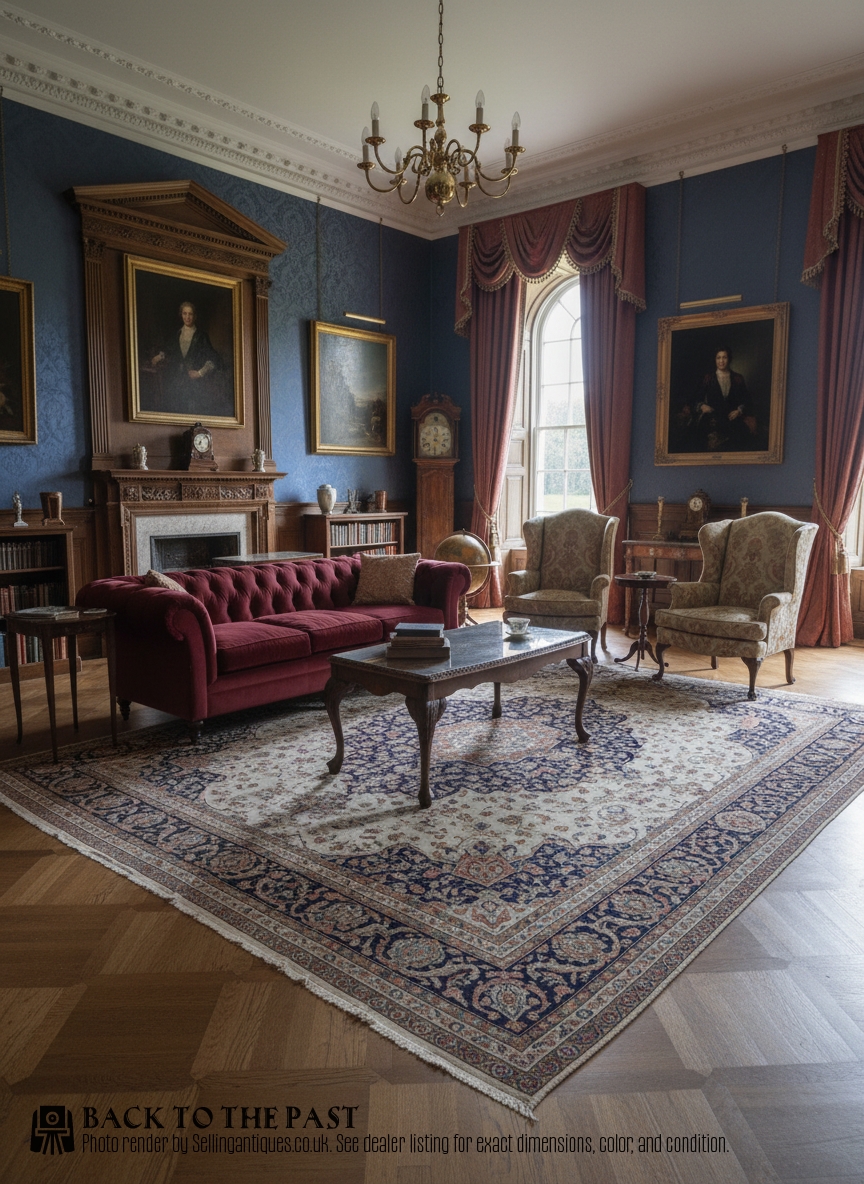
Materials and construction methods
Craftsmen utilised thin slices of burr walnut veneer applied over stable secondary timbers such as oak or pine to create the striking patterned surfaces. This technique allowed cabinetmakers to display the chaotic, swirling grain of the walnut growth knots across tabletops without risking the structural movement of solid burr wood.
Makers reinforced joints using traditional joinery methods suited to the specific period of manufacture, integrating brass hardware, glass panels, or leather inserts where function required. The application of French polish or clear varnish protected the delicate veneer while enhancing the deep brown colour of the grain.
Vintage Burr Walnut Table Retail Price Guide 2026
Typical asking prices for vintage burr walnut table among the pieces listed under this phrase on Sellingantiques today, from the lower quarter to the upper quarter. They describe what is for sale here now, not the wider market.
Listings span periods from the eighteenth century through the Victorian era to 1930s Art Deco.
Factors determining quality
Quality rests upon the density, symmetry, and coverage of the burr walnut figuring across the primary surfaces. Finer examples display an unbroken expanse of tight, swirling knot patterns rather than plain straight grain.
The skill of the veneer work and the preservation of the original polished surface dictate the standing of a piece. Superior execution ensures seamless matching of the grain patterns across drawer fronts and table edges, maintaining structural integrity alongside visual depth.
Maurice Adams·Maple and Co·Mappin and Webb
The Vintage Burr Walnut Table Glossary
- Burr walnut
- A veneer or timber harvested from the wart-like growths on walnut trees. It produces highly figured, swirling patterns filled with small knots and intricate grain variations.
- Art Deco
- A design style prominent in the 1930s characterised by sleek geometric shapes, streamlined forms, and modern industrial materials. It produced many of the streamlined walnut tables seen today.
- Lowboy
- A small eighteenth-century table with drawers, typically raised on slender legs. These serve as compact writing desks or side tables.
- Nesting tables
- A set of graduated tables designed to fit neatly beneath one another when not in use. They provide flexible surface space in compact rooms.
Vintage Burr Walnut Table: Frequently Asked Questions
How do I clean a burr walnut table?
Dust the surface regularly with a soft, dry cloth to prevent dirt accumulation on the polished wood. Avoid using harsh chemical sprays or excess water, which can penetrate the veneer layers and damage the finish.
Apply a quality beeswax polish occasionally to nourish the wood and maintain its natural lustre. Buff gently along the direction of the grain for the best results.
Are these tables suitable for daily use?
These pieces function well for everyday placement in living rooms, bedrooms, and studies. Using coasters and placemats protects the polished veneer and leather inserts from heat and moisture rings.
Positioning the furniture away from direct sunlight and radiators prevents the wood from drying out and cracking. Careful placement ensures the longevity of antique and vintage surfaces.
How do I identify an Art Deco table?
Art Deco tables typically date from the 1930s and feature clean geometric lines, symmetrical grain arrangements, and streamlined silhouettes. They often lack the elaborate carving found on Victorian or Edwardian pieces.
The integration of contrasting materials like glass or chrome alongside burr walnut points directly to this twentieth-century modernist aesthetic.
What is a nesting table set?
A nesting set consists of multiple smaller tables built to slide directly underneath the largest main table. This clever design provides extra surface area when entertaining guests while occupying minimal floor space.
Edwardian and 1920s makers produced these sets frequently in burr walnut to combine practical utility with decorative grain display.