

Vintage Burr Walnut Dresser
A vintage burr walnut dresser brings rich figured grain and practical storage into a room, offering both character and function.
Vintage Burr Walnut Dresser
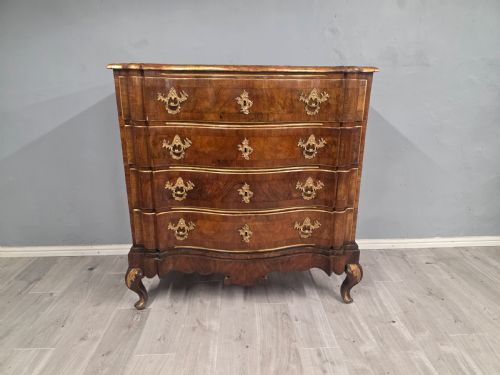
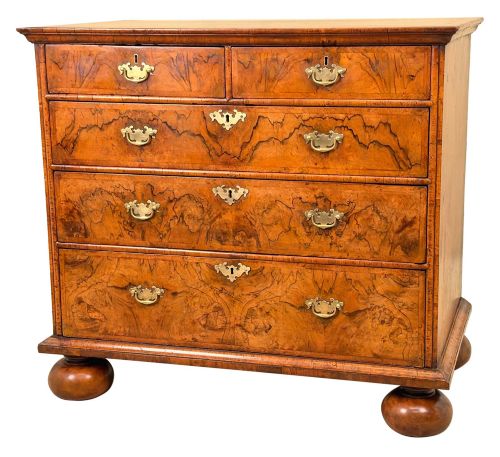
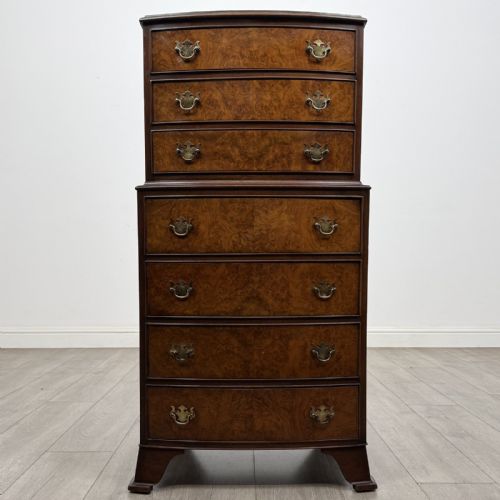
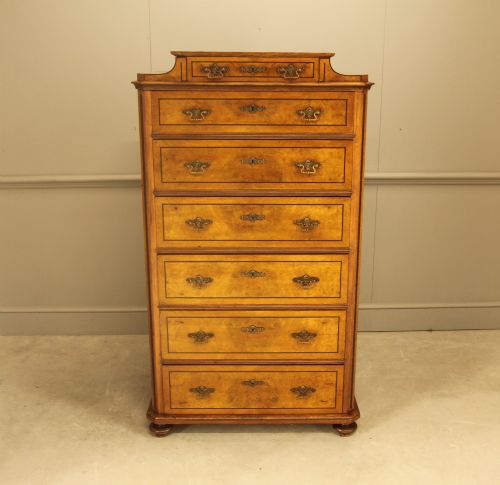
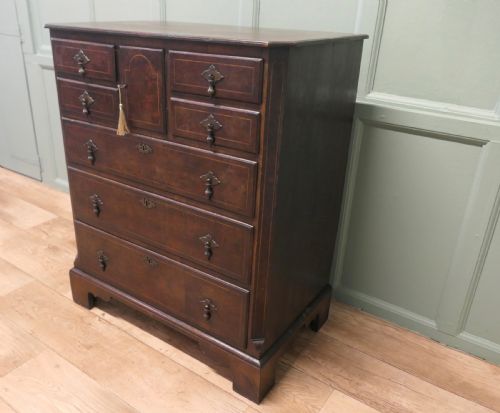
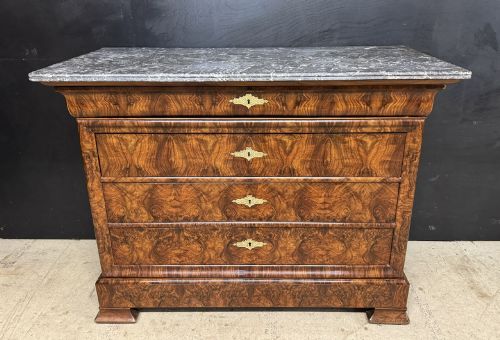
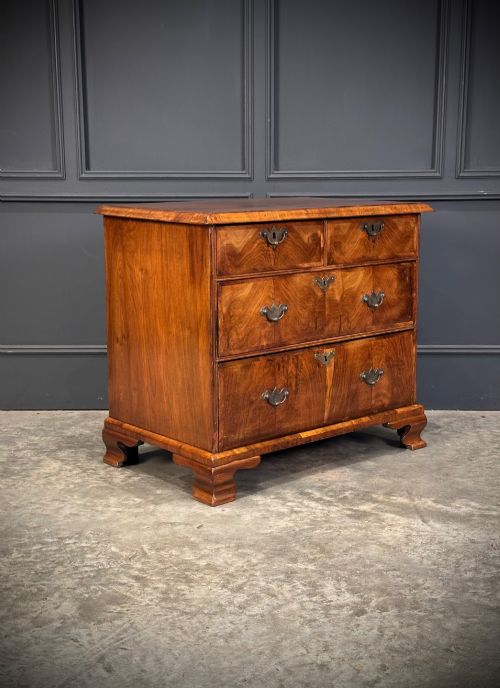
When searching for a vintage burr walnut dresser, a buyer typically encounters chests of drawers, tallboys, and commodes spanning from the eighteenth century to the Art Deco period. These forms serve as functional storage furniture while displaying decorative wood surfaces that act as a focal point in a room.
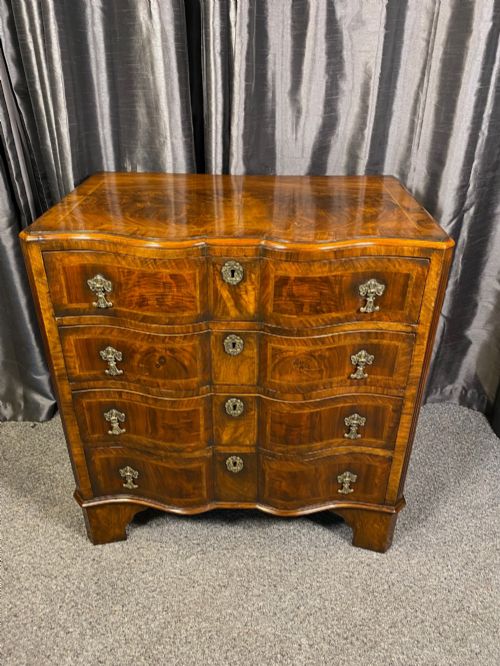
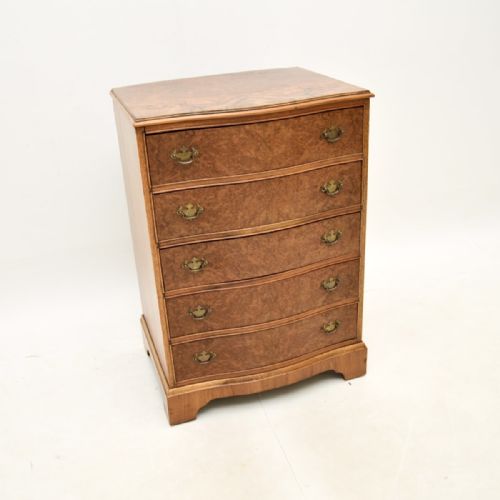
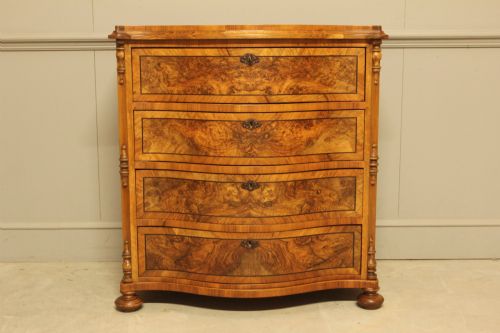
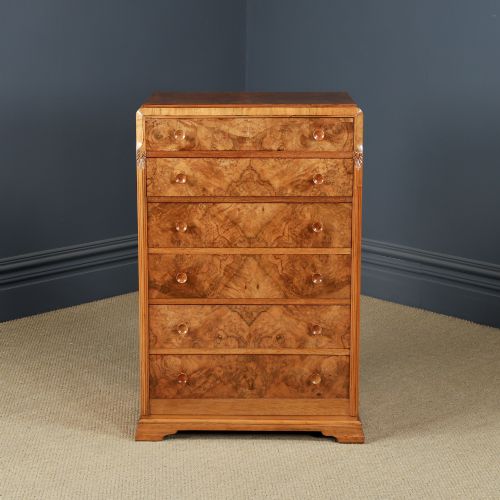
The selections on this page lean heavily towards twentieth-century interpretations, particularly Art Deco and revival styles from the 1920s and 1930s, alongside earlier Georgian, Victorian, and nineteenth-century examples. Common variations include serpentine fronts, bow fronts, and pieces fitted with marble tops or raised on stands.
Makers such as Waring and Gillow appear among the twentieth-century pieces, while other items reflect English, Swedish, and continental cabinet-making traditions. The range encompasses compact four-drawer chests as well as taller five and six-drawer configurations constructed from walnut and oak.
How they were made
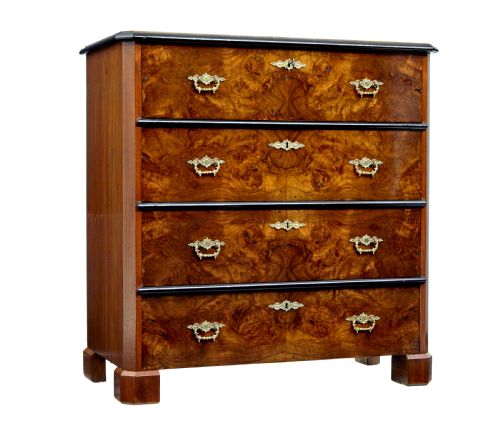
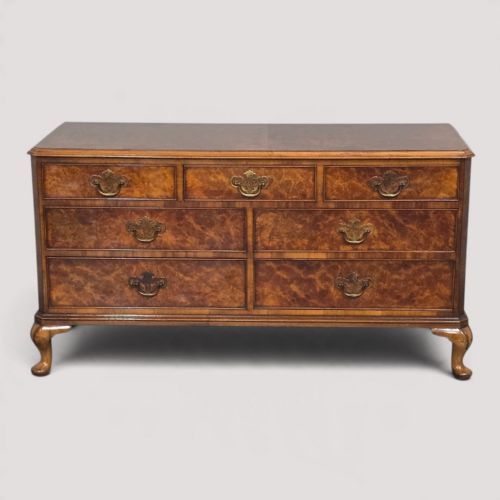
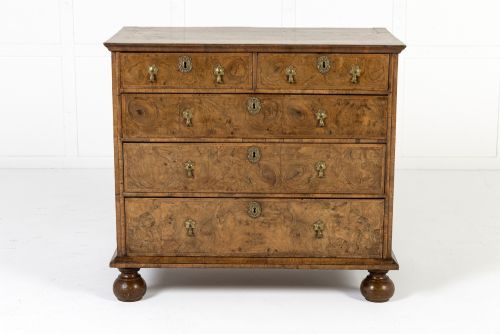
Cabinet-makers relied on walnut and burr walnut veneers applied over secondary woods such as oak and pine, creating intricate grain patterns across the drawer fronts and top surfaces. Crossbanding and figured veneers were carefully arranged to frame the panels and accentuate the natural figuring of the timber.
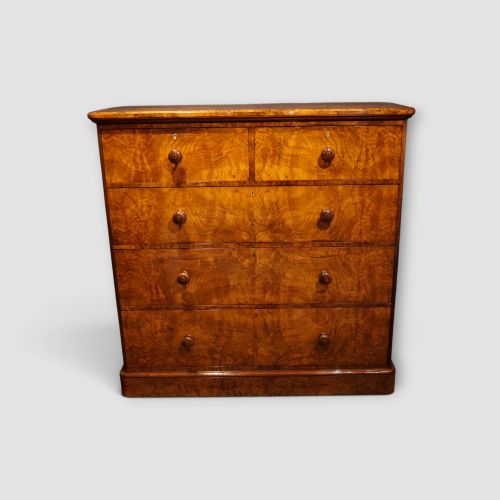
Metal fittings such as brass handles and key escutcheons complement the dark timber, while turned walnut handles appear on specific Victorian iterations. Structural integrity is maintained through traditional joinery within the drawer carcases and main bodies of the chests.
Vintage Burr Walnut Dresser Retail Price Guide 2026
Typical asking prices for vintage burr walnut dresser among the pieces listed under this phrase on Sellingantiques today, from the lower quarter to the upper quarter. They describe what is for sale here now, not the wider market.
Tree burrs form as defensive growths to stress, creating the swirling patterns that cabinet-makers chase across centuries.
What varies in quality
The choice and execution of the burr walnut veneer dictate the visual impact of the piece, with tightly packed, symmetrical grain patterns commanding greater attention. The precision of the crossbanding and the matching of veneers across multiple drawers demonstrate the skill of the original workshop.
The underlying construction, from solid oak drawer linings to the retention of original brass hardware and marble tops, distinguishes standard production items from finer cabinet-making. Proportions also vary, with serpentine and bow front designs requiring more advanced woodworking techniques than straight-fronted carcases.
Waring and Gillow
The Vintage Burr Walnut Dresser Glossary
- Burr Walnut
- A specialised wood cut from the growth warts of walnut trees, yielding swirling, highly decorative grain patterns. It is typically sliced into thin veneers for application onto furniture surfaces.
- Serpentine
- A furniture front shape curving outward at the centre and inward at the sides, or vice versa. This undulating contour requires precise carpentry.
- Crossbanding
- A border technique where narrow strips of veneer are laid perpendicular to the main grain of the panel. This frames the primary wood surface.
- Tallboy
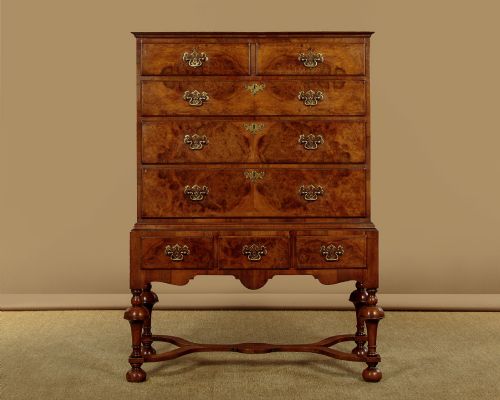
- A tall chest of drawers, often constructed as a chest on a stand or a taller single carcase providing substantial vertical storage. The form became popular in the eighteenth century.
- Commode
- A low chest of drawers or cabinet originating from French furniture design. Many nineteenth-century examples feature marble tops.
Vintage Burr Walnut Dresser: Frequently Asked Questions
How do I care for burr walnut?
Burr walnut veneer benefits from protection against direct sunlight and extreme humidity changes, which can dry out or warp the timber. Regular dusting with a soft, dry cloth maintains the finish without introducing moisture.
Application of appropriate furniture wax occasionally helps nourish the wood and preserves the sheen of the veneer. Avoid using harsh chemical sprays or silicone polishes on antique surfaces.
Where should I place a chest in my home?
These chests function effectively in bedrooms, hallways, or living spaces where surface display and drawer storage are both useful. Their decorative grain patterns allow them to stand alone against a neutral wall.
Consider the clearance needed for opening drawers and doors, particularly with serpentine or bow front models that extend further into the room. Keeping the piece away from direct heat sources protects the timber joints.
What is the difference between a chest and a tallboy?
A standard chest of drawers provides low to medium height storage with a flat top surface suitable for lamps or mirrors. They generally feature between three and six drawers arranged vertically.
A tallboy offers greater vertical capacity, historically constructed either as a single tall carcase or as a smaller chest sitting upon a low support stand. This configuration maximises storage space while maintaining a smaller floor footprint.
How can I tell Art Deco from Georgian pieces?
Art Deco pieces from the 1920s and 1930s often showcase streamlined silhouettes, bleached blonde walnut finishes, and symmetrical geometric veneering. They reflect modern industrial design influences of the early twentieth century.
Georgian and revival pieces rely on classical proportions, traditional bracket feet, and darker patinated walnut surfaces with subtle brass drop handles. The construction methods and secondary woods inside the drawers also point clearly to the era of manufacture.