

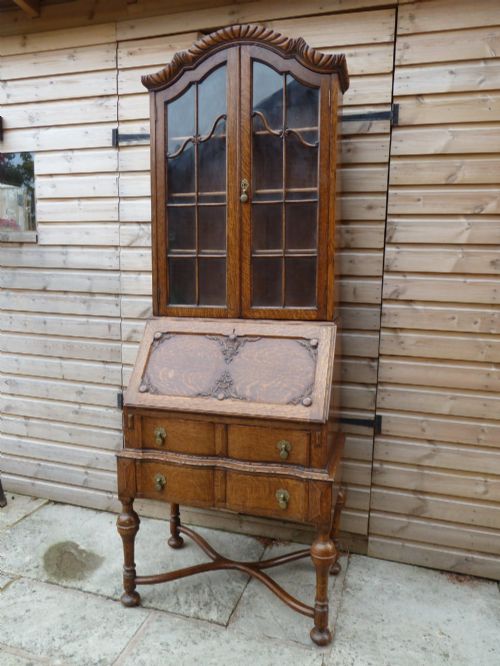
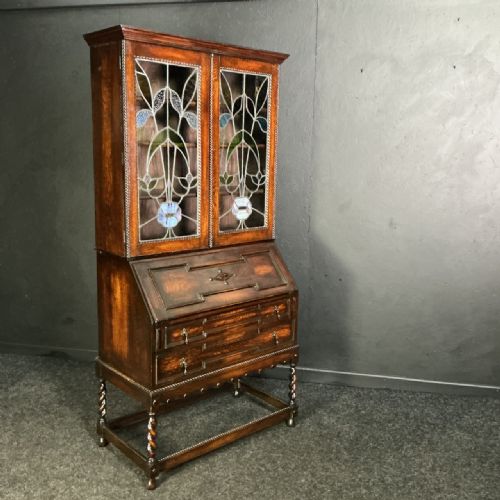
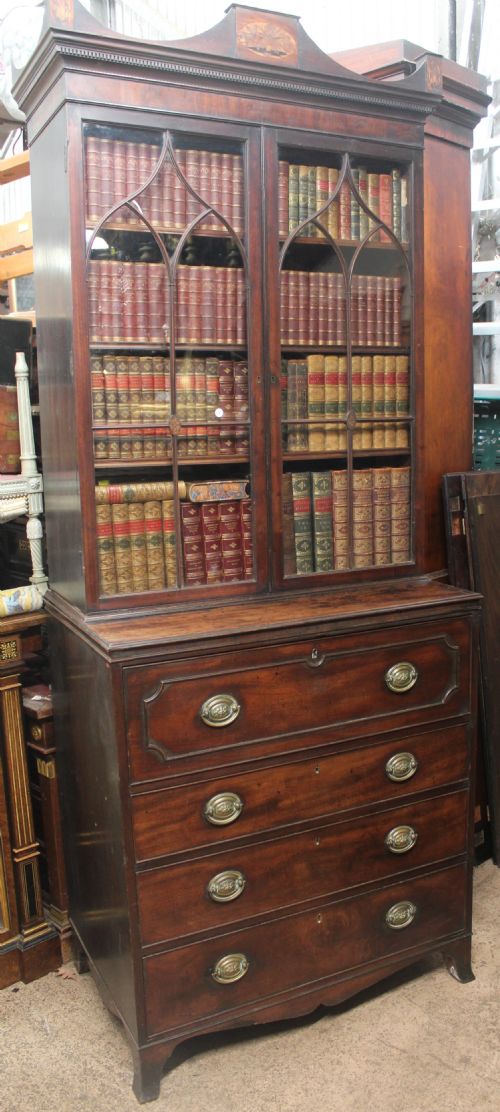
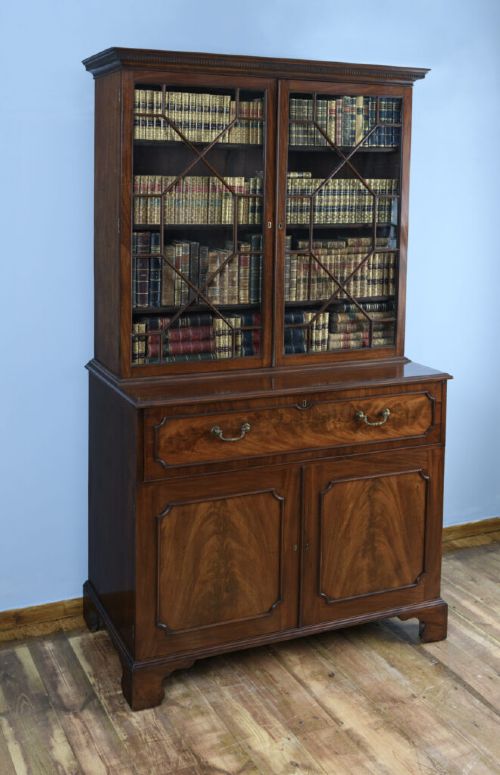


Vintage Bureau Display Cabinet
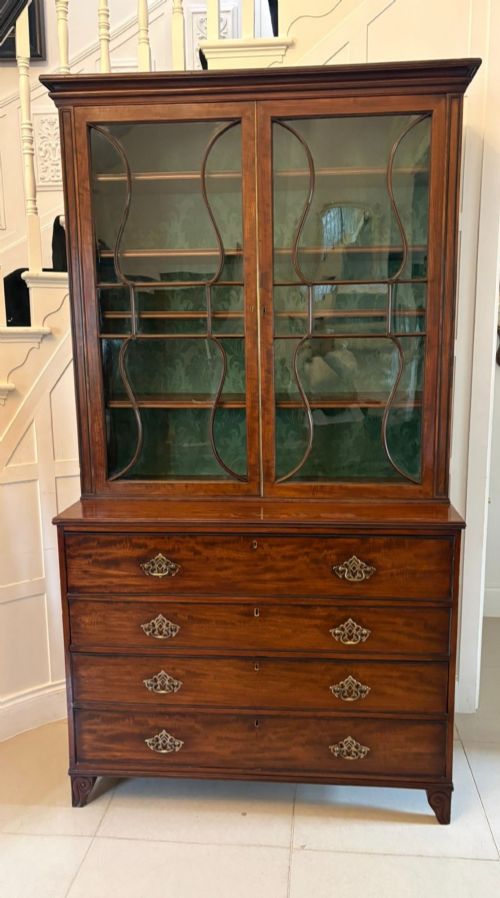
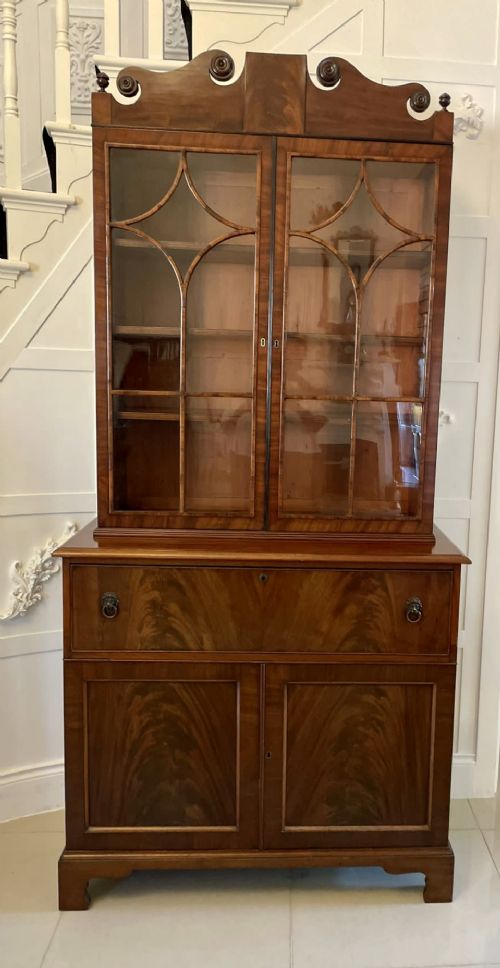
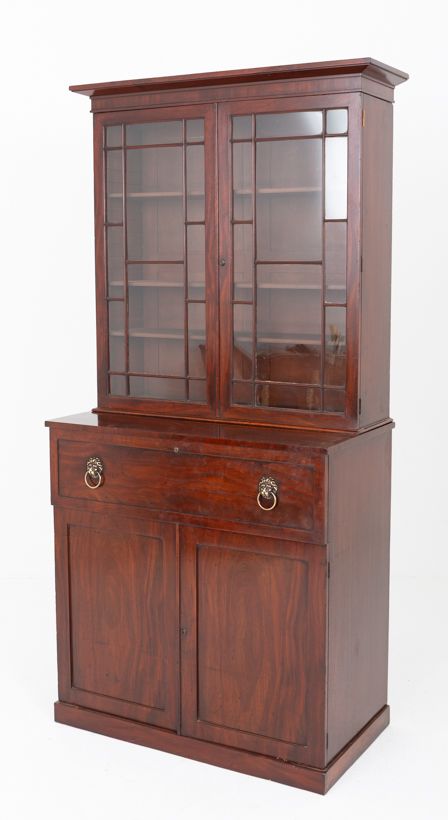
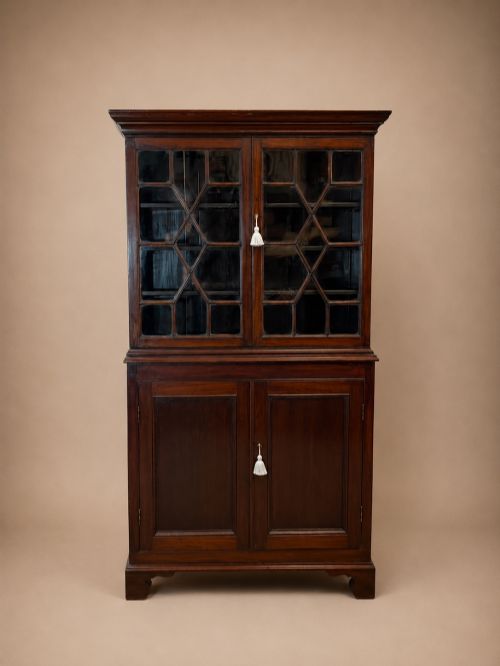
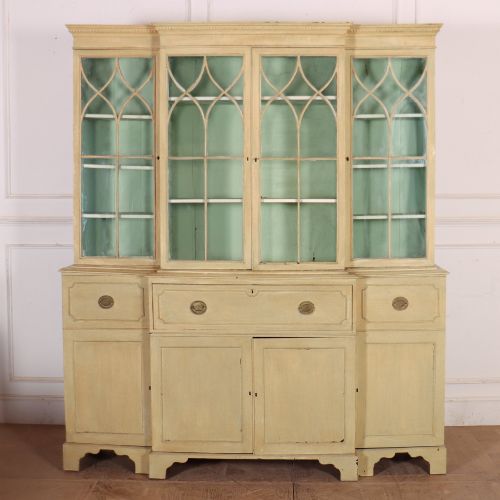
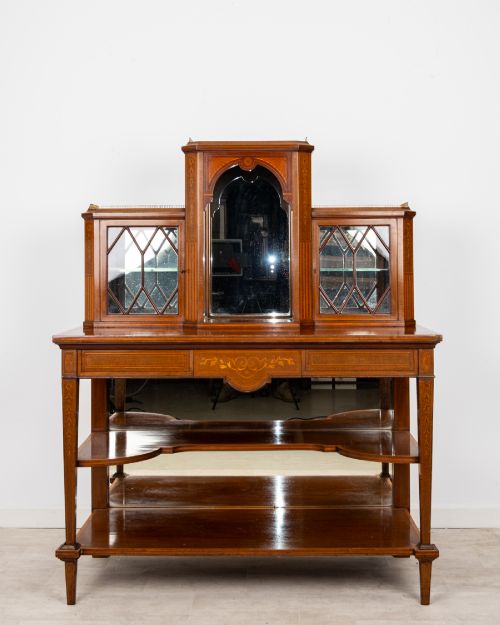
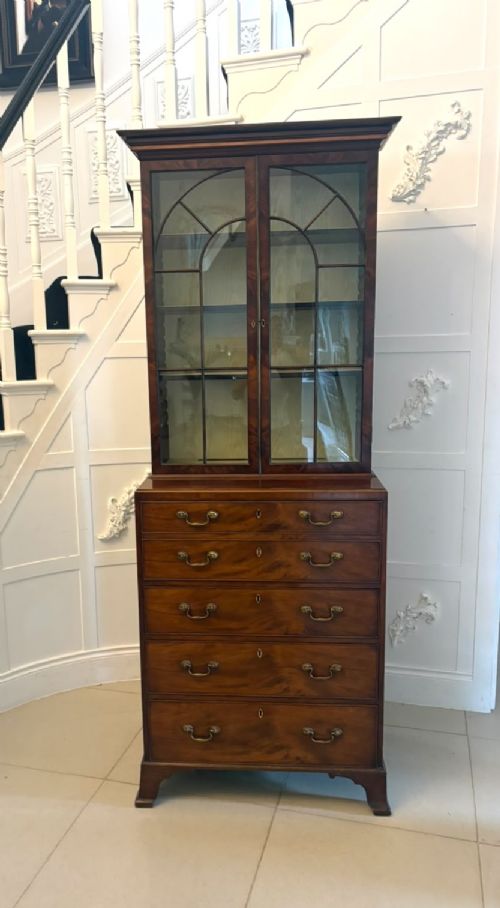
A vintage bureau display cabinet combines a practical writing desk with upper shelving behind glass doors, offering both a workspace and a showcase for books or collections.
Vintage Bureau Display Cabinet
When you search for a vintage bureau display cabinet, you are looking at pieces that bridge the gap between writing furniture and library storage, often catalogued as bureau bookcases or secretaire bookcases. These items typically feature a fall-front desk section that pulls down to reveal a fitted interior of small drawers and pigeonholes, paired with an upper glazed cabinet.
The selections span numerous periods and styles, with Georgian, Regency, Edwardian, and Victorian examples frequently appearing alongside later Art Deco and 1920s forms. Mahogany and oak dominate the offerings, complemented by walnut, satinwood, yew wood, and pine, reflecting centuries of cabinet-making traditions adapted for domestic studies and libraries.
Makers often integrated display functions directly into the upper structure, utilising astragal glazed doors to protect volumes while keeping titles visible. Whether you encounter a large breakfront bookcase or a compact Edwardian writing desk with display shelving, the core purpose remains the dual presentation of literature and personal correspondence.
Materials and construction
Cabinet-makers relied heavily on dense hardwoods like mahogany and oak, supplemented by decorative veneers such as flame mahogany, satinwood, and walnut to create rich surface patterns. Structural framing utilised pine or secondary timbers for internal components, while brass hardware secured drop-front desks and cabinet doors.
Glass production for the upper doors involved traditional glazing bars, often shaped into intricate astragal patterns that held individual panes securely. Inlaid details, marquetry work, and hand-cut dovetails on the drawer construction distinguished standard utilitarian pieces from more ambitious library cabinets.
Some secretaire drawers hide secret compartments behind miniature pigeonholes, designed for letters best kept away from prying eyes.
Assessing quality and craftsmanship
The distinction between standard examples and exhibition pieces rests largely on the selection of timber veneers and the precision of the marquetry or inlay work. Flame mahogany and figured walnut grain patterns require expert matching across large surfaces, elevating the visual impact of the cabinet.
Interior configuration also dictates worth, as fitted compartments with secret drawers, pigeonholes, and hand-carved pigeonhole arches demand greater joiner skill than plain box interiors. The crispness of the glazing bar mouldings and the original integration of brass fittings indicate the original maker's investment of time.
Gillows
The Vintage Bureau Display Cabinet Glossary
- Secretaire bookcase
- A tall piece of furniture featuring a pull-out or drop-front writing drawer combined with an upper shelving section. This form provides a concealed writing surface without the bulk of a traditional sloping bureau.
- Astragal glazed
- Glass doors divided into smaller panes by thin wooden strips called glazing bars. These grids often form geometric or Gothic patterns across the front of the cabinet.
- Fall-front
- A hinged desk flap that drops forward to create a horizontal writing surface. It conceals internal compartments and supports itself when opened.
- Marquetry
- Decorative veneer work created by fitting together small pieces of different coloured wood to form pictorial or geometric designs. It appears frequently on satinwood and walnut surfaces.
- Fitted interior
- The arrangement of small drawers, pigeonholes, and central compartments housed inside the bureau section. These spaces were designed for storing stationery and letters.
Vintage Bureau Display Cabinet: Frequently Asked Questions
What is a bureau display cabinet?
A bureau display cabinet is a hybrid piece of furniture that combines a drop-front writing desk with an upper glass-fronted bookcase. It serves as both a functional workspace and a display area for books or decorative objects.
The lower section typically houses drawers and a fitted interior for writing materials, while the upper glazed doors protect the contents from dust while keeping them visible.
How do I use a secretaire bookcase?
The piece functions primarily as a secretary desk when the fall-front or drawer is lowered, revealing a writing surface and pigeonholes. The upper glass shelves accommodate book collections, china, or decorative items.
In a modern home, the writing flap often serves as a laptop workstation, combining traditional storage with contemporary daily use.
Are these cabinets difficult to move?
Most vintage bureau display cabinets are heavy pieces constructed from solid hardwoods like mahogany, oak, or walnut. They usually separate into two distinct sections, with the upper bookcase lifting off the lower bureau base to ease transport.
Removing the glass doors and internal drawers prior to moving helps reduce weight and prevents accidental damage during relocation.
How can I tell the period of a cabinet?
Dating relies on identifying stylistic markers, timber types, and construction methods characteristic of eras like the Georgian, Victorian, or Edwardian periods. For instance, satinwood inlay and astragal glazing often point to 18th or early 19th-century craftsmanship.
Examining the drawer construction, backboards, and secondary timbers underneath provides further clues to the manufacturing decade.