

Vintage Bronzed Sculpture
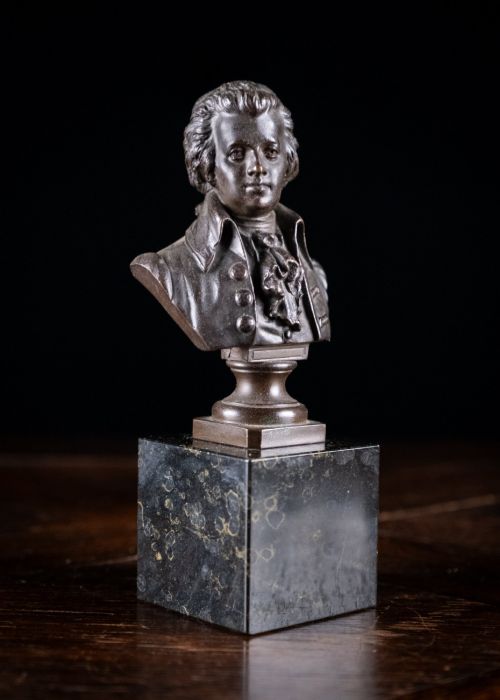
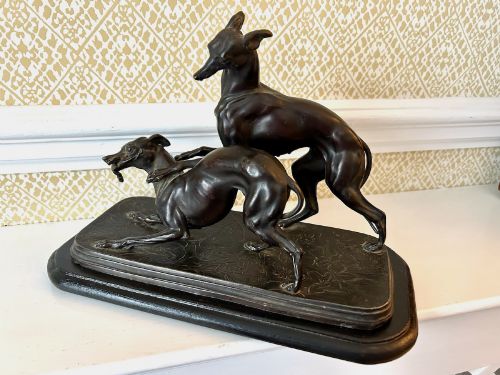
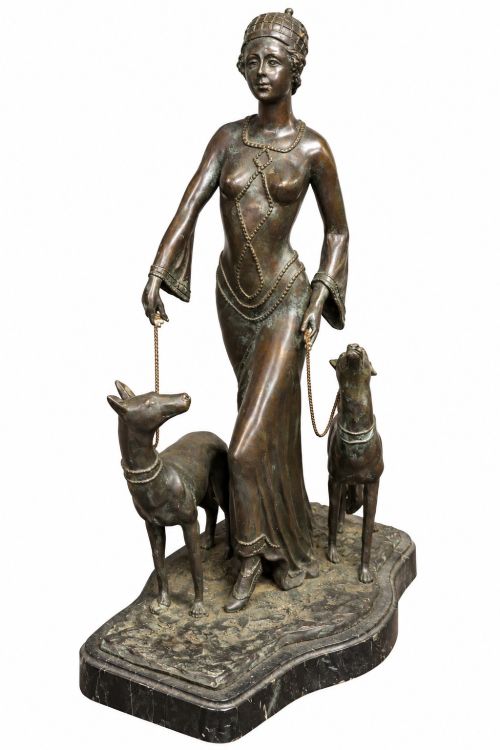
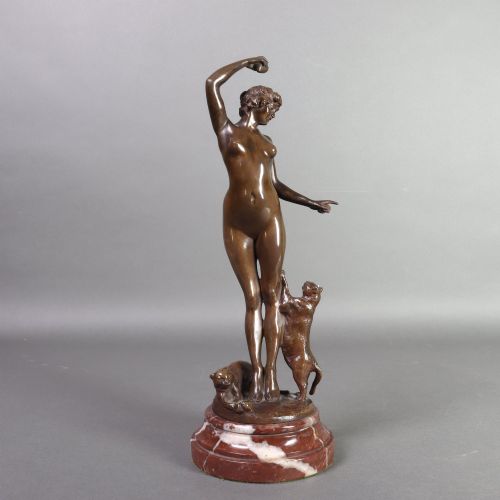
Vintage bronzed sculpture brings together decorative metal figures, animal studies and lighting from the nineteenth and early twentieth centuries.
Vintage Bronzed Sculpture
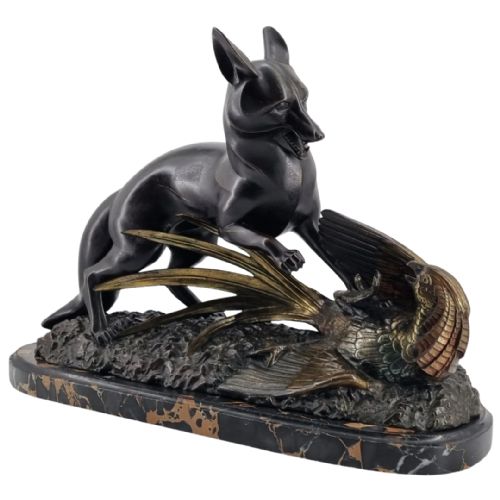
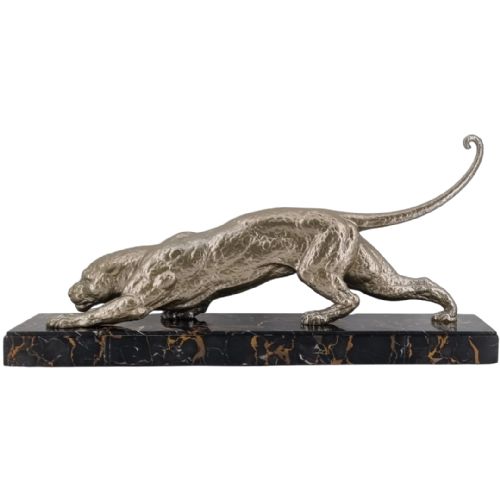
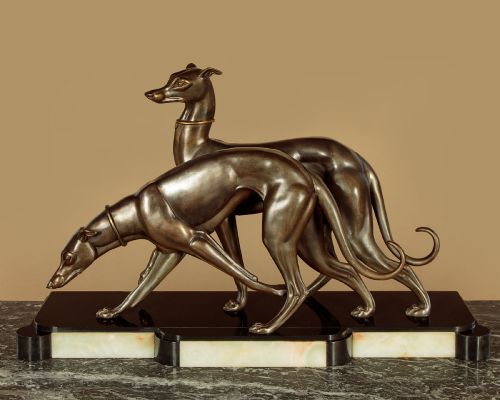
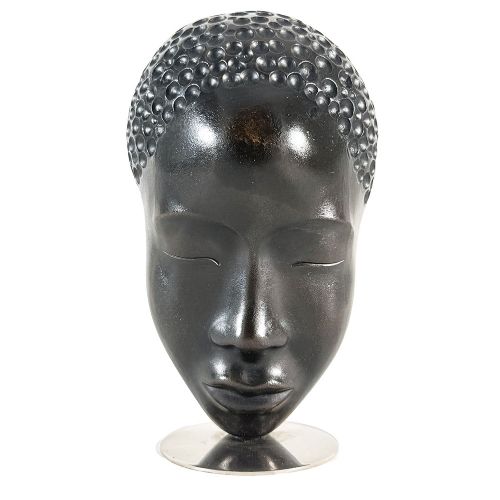
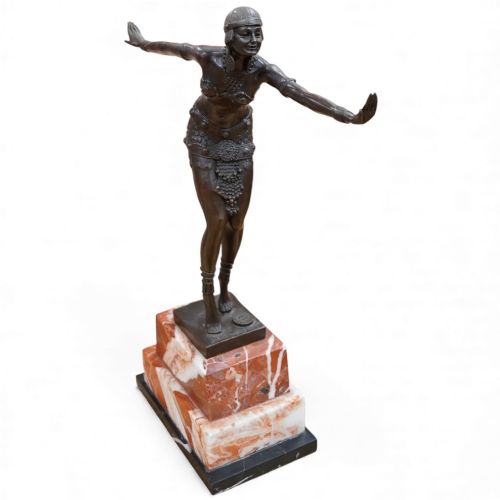
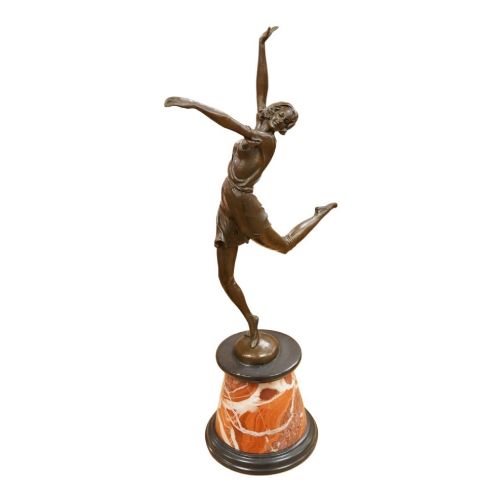
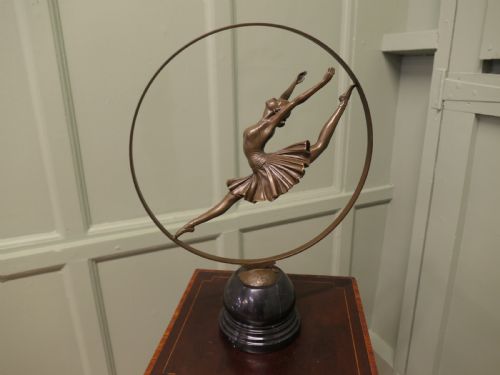
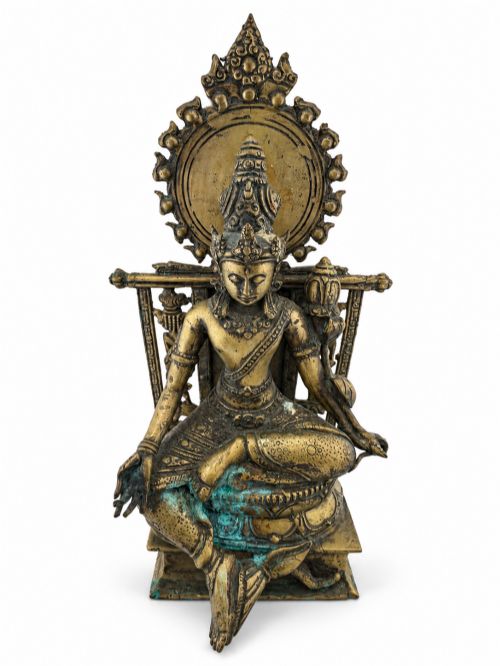
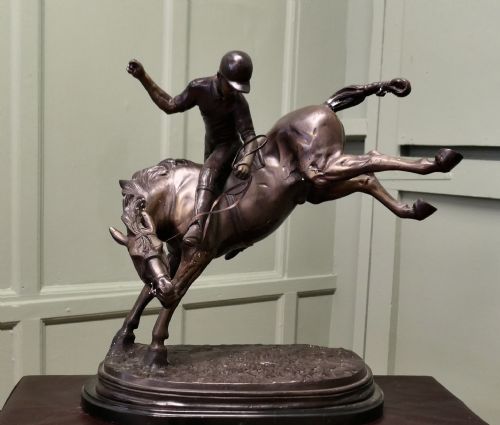
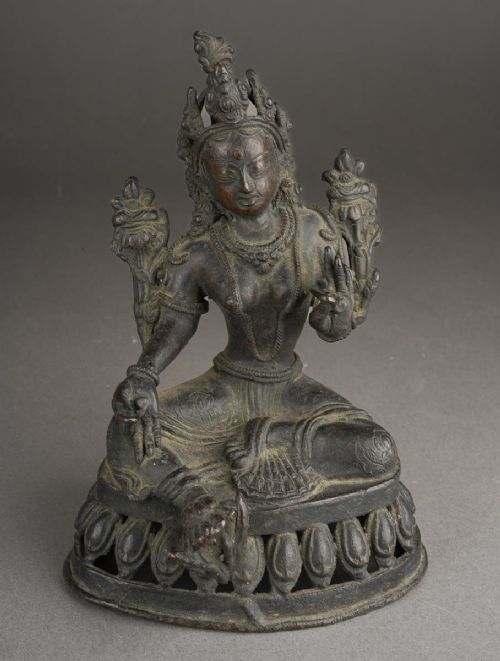
When buyers search for vintage bronzed sculpture, they encounter a diverse range of cast metal figures, animals and decorative objects originating from the nineteenth and early twentieth centuries. These works span distinct design movements, including Art Deco dancer studies, animalier wildlife groups, Orientalist figures and Grand Tour classical casts.
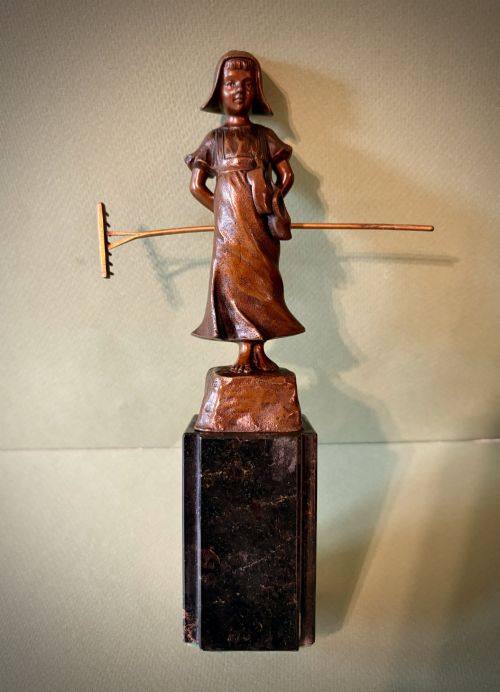
Origins stretch across European ateliers in France, Austria and Germany alongside Asian export metalwork from China and Japan. Buyers find both monumental animal studies and diminutive cold-painted cabinet bronzes created during the Meiji period and the Edwardian era.
How they were made
The majority of these pieces utilise the lost-wax casting technique, allowing artisans to capture intricate anatomical details in molten metal before finishing the surface. Metal alloys, patinated bronze and spelter form the primary structural bodies of the sculptures.
Surface decoration frequently involves cold-painted enamel pigments applied directly to the metal, or chemical patination treatments that yield dark brown, golden or greenish tones. Artisans mount many of the finished metal figures onto heavy stone plinths using threaded bolts and pins.
The listings here incorporate pieces spanning the nineteenth century through to the Art Deco period of the 1930s.
What varies in quality
Quality in these metal figures rests upon the crispness of the casting cleanup and the subtlety of the chasing work performed after the metal cools. Finer examples retain sharp facial expressions, articulated feathers and clean fur texture without soft edges.
The integrity of the surface finish and the choice of mounting material further distinguish the tiers of production. Superior pieces feature stable, hand-applied patination and dense, unblemished marble or onyx bases that complement the proportions of the sculpture.
Carl Kauba·Bruno Zach·P J Mêne·Franz Bergman·Pierre le Faguays·Ferdinand Preiss·Josef Lorenzl·Hamo Thornycroft
The Vintage Bronzed Sculpture Glossary
- Animalier
- A nineteenth-century artistic movement focused on the realistic depiction of animals, particularly predators, horses and domestic pets in dynamic poses. Sculptors in this tradition studied anatomy closely through direct observation.
- Cold-painted bronze
- A technique where enamel paint is applied to a cold bronze casting rather than fired in a kiln. This method produces vivid polychrome colouration on small cabinet figures and decorative birds.
- Grand Tour
- A nineteenth-century educational travel tradition where wealthy collectors acquired reduced-scale classical bronze sculptures and architectural models in Italy. These souvenirs often rested on characteristic fossil marble bases.
- Spelter
- A zinc-based alloy commonly utilised as a less expensive alternative to bronze for decorative figures, particularly during the Art Deco period. It accepts patination and metallic paint readily.
- Vienna bronze
- Small, highly detailed Austrian metal figures produced around the turn of the twentieth century. They are renowned for intricate cold-painted surfaces depicting animals, human figures and Orientalist scenes.
Vintage Bronzed Sculpture: Frequently Asked Questions
How do I clean a bronze sculpture?
Dust the surface gently with a soft, dry brush or microfiber cloth to prevent particulate buildup. Avoid using water, soap or commercial metal polishes, which can strip away historic patination.
Apply a very thin coat of microcrystalline wax periodically if the metal requires protection from atmospheric moisture. Buff the wax out thoroughly with a clean cloth to maintain a stable, satin sheen.
What is the difference between bronze and spelter?
Bronze is a durable alloy primarily composed of copper and tin that acquires a deep, stable patina over time. It forms heavy, resilient castings capable of holding extremely sharp detail.
Spelter is a softer zinc alloy that feels lighter and shows a duller sound when tapped. Many vintage figurative lamps and decorative ornaments utilise spelter beneath a bronze-coloured surface finish.
Why are some figures mounted on marble bases?
Marble and onyx plinths provide essential physical stability for tall or top-heavy sculptural compositions. A heavy stone base prevents slender figures, such as dancers or animals on slender legs, from tipping over.
Designers during the Art Deco period utilised contrasting black and multi-coloured marble slabs to frame the metalwork aesthetically. This integration of stone and metal became a defining characteristic of twentieth-century desk accessories and bookends.
How do I identify cold-painted bronze?
Cold-painted pieces display matte enamel pigments applied directly to the metal surface without high-temperature kiln firing. Under close inspection, microscopic traces of brushwork or minor paint wear reveal the hand-applied nature of the decoration.
These bright polychrome finishes appear frequently on small Austrian animal studies and human figures from the early twentieth century. Care must be taken with cleaning, as moisture can lift the historic paint layers from the metal.