




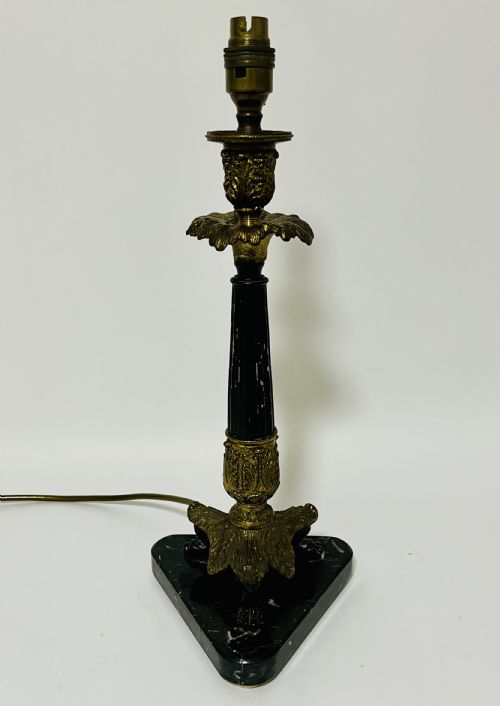


Vintage Bronzed Lamp Base
A vintage bronzed lamp base brings sculptural weight and period character to a room, combining metallic finishes with practical illumination.
Vintage Bronzed Lamp Base
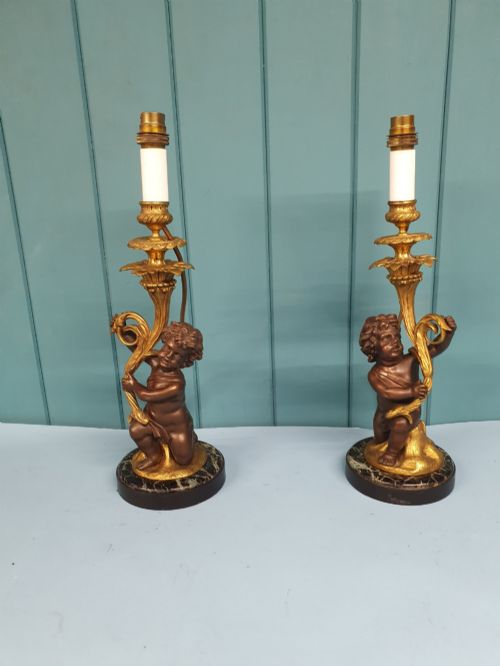
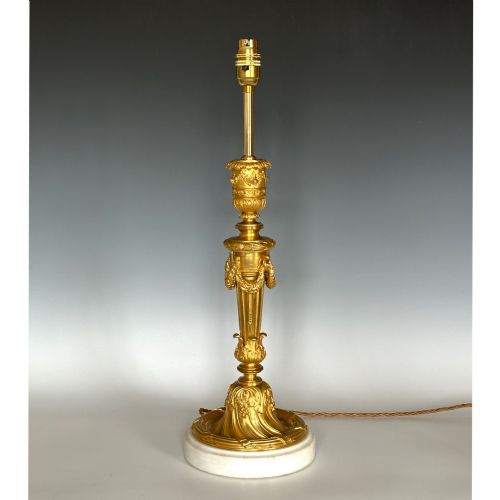
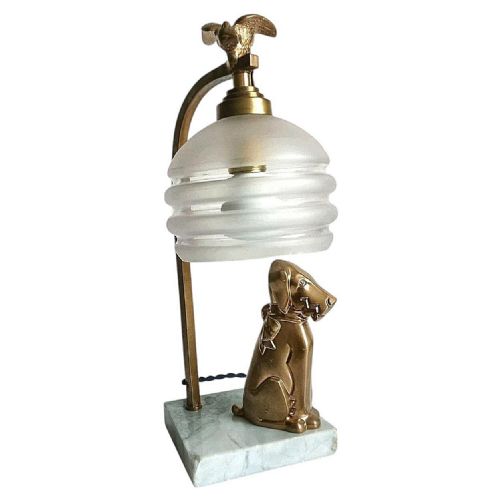
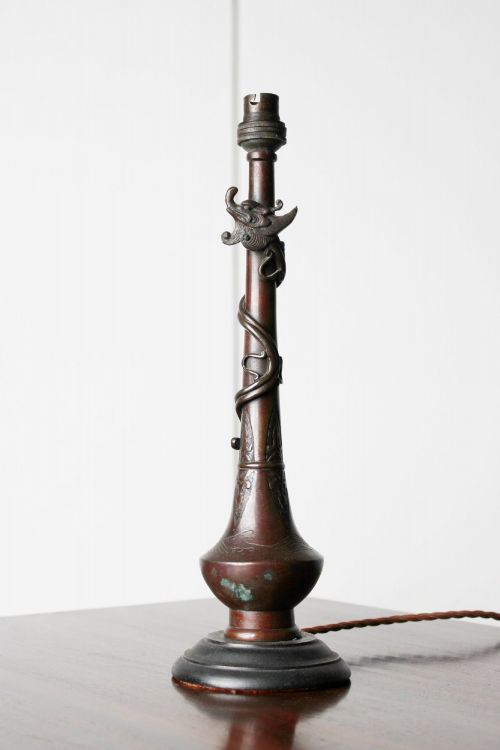
A vintage bronzed lamp base provides a solid foundation for domestic lighting, taking the form of table lamps, desk lamps, and floor standards. These pieces span the nineteenth century through the Art Deco era, reflecting shifting tastes in interior decoration.
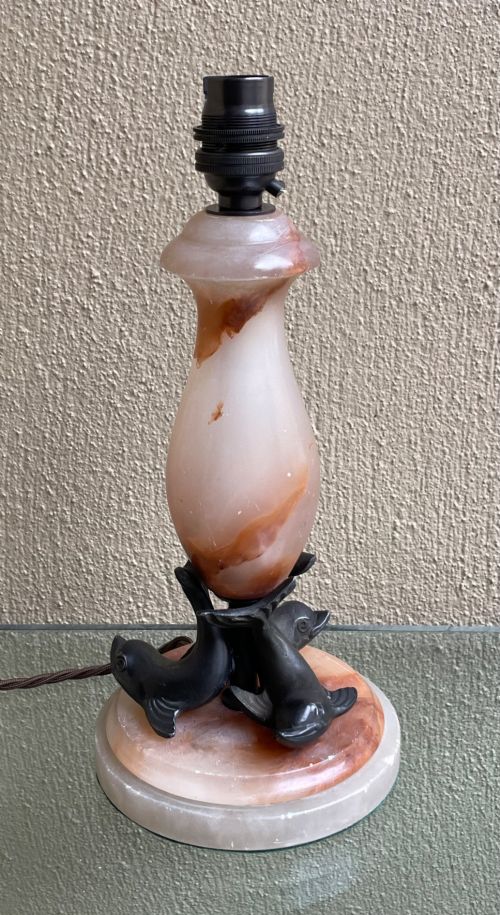
The selection frequently includes figural subjects such as cherubs, animals, and stylized ladies, alongside classical columns and architectural mounts. French and English workshops dominate the design lineage, utilising classical revivals and modern stylistic movements alike.
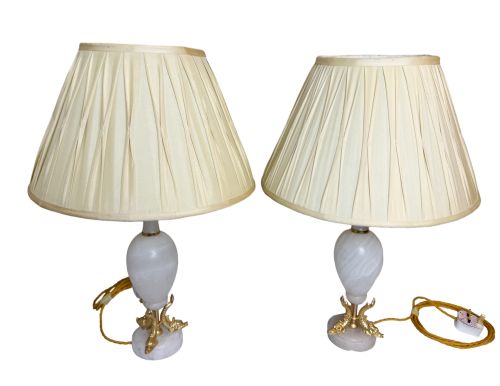
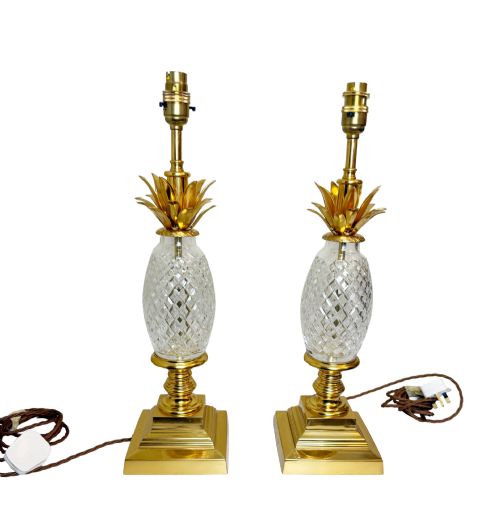
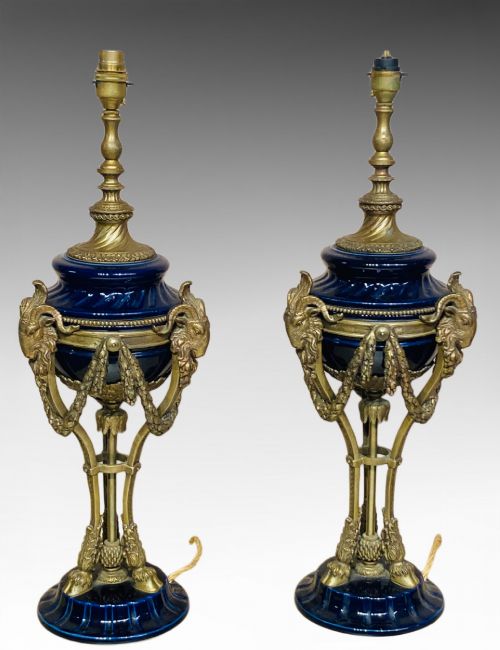
Many items survive as pairs, offering symmetrical placement for sideboards or mantelpieces. Others exist as singular statements, utilising patinated metalwork combined with contrasting structural supports.
Assessing quality and craftsmanship
The selection of base materials heavily influences the overall character, with dense natural marble and genuine fire gilding representing higher tiers of manufacture compared to lighter alloy foundations and painted substitutes.
Listings feature extensive examples from the Art Deco period alongside nineteenth-century Victorian designs and Edwardian productions.
JOSEPH HINKS
The Vintage Bronzed Lamp Base Glossary
- Ormolu
- Gilt bronze produced by applying a mercury and gold amalgam to a bronze base, creating a durable golden surface finish. This technique was widely employed in French decorative arts during the eighteenth and nineteenth centuries.
- Spelter
- A zinc alloy used as an economical alternative to bronze for sculptural castings. It takes patination and paint finishes well, frequently appearing in decorative nineteenth and early twentieth-century lighting.
- Cloisonné
- An ancient enamel technique where thin metal wires form cellular compartments on a metal body, which are then filled with coloured paste and fired. Pieces utilising this method exhibit intricate patterned surfaces.
- Tole Peinte
- Painted sheet metal used in decorative objects, including lamp bodies and shades. The technique involves applying coloured enamels to a prepared metal substrate.
Vintage Bronzed Lamp Base: Frequently Asked Questions
How do I date a vintage bronzed lamp base?
Dating relies upon stylistic markers such as neoclassical columns, Victorian ornamentation, or geometric Art Deco lines. Material choices like heavy marble plinths or specific patination methods also point to particular manufacturing eras.
Examining construction techniques and fixings provides further context. Older wiring conversions and cast-metal assembly methods help distinguish nineteenth-century examples from later twentieth-century productions.
Are these lamp bases suitable for modern electrical systems?
Most antique and vintage bases require professional rewiring to meet current safety standards before domestic use. Qualified electricians can easily update internal cord assemblies while preserving the historic exterior.
The process ensures that vintage fittings accommodate modern plugs and bulbs safely. The structural integrity of the metal and stone base remains undisturbed during this updating procedure.
What is the difference between bronze and spelter?
Bronze is an alloy of copper and tin known for its strength, weight, and capacity to hold a deep, lasting patina. It forms the basis of higher-quality sculptural lighting.
Spelter is a softer, zinc-based metal that was frequently used as a less expensive substitute for bronze. It is generally lighter and requires careful handling to prevent surface damage.
How should I clean a patinated metal lamp base?
Maintenance requires gentle dusting with a soft, dry cloth to remove everyday particles. Avoid using harsh chemical cleaners or abrasive polishes that can strip away historic patination or gilding.
Preserving the original surface finish maintains the character and visual depth of the metalwork. Special care should be taken around inset marble or fabric elements during cleaning.