
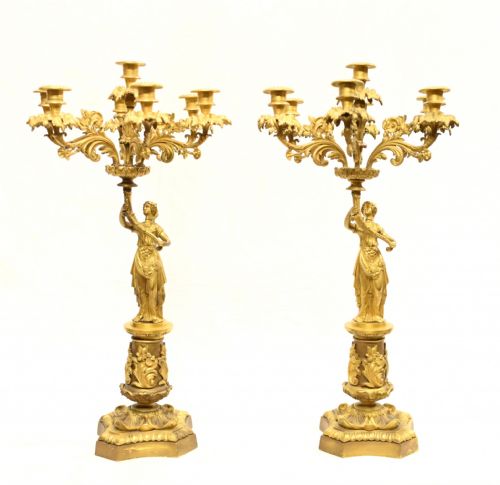


Vintage Bronze Standing Figure
These vintage bronze standing figure examples range from animal studies and human forms to decorative candlesticks shaped in the nineteenth and early twentieth centuries.
Vintage Bronze Standing Figure
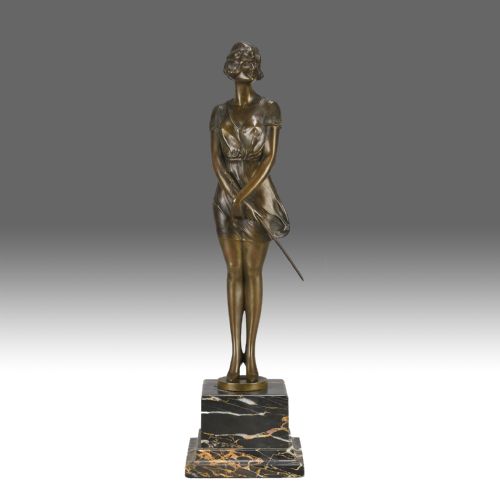
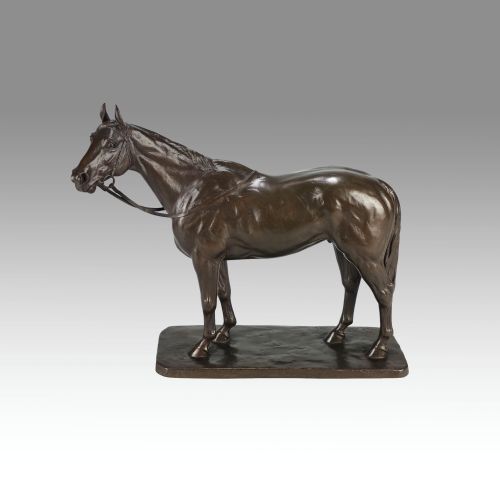
A vintage bronze standing figure represents upright subjects cast in metal during periods spanning the Victorian era through to the early twentieth century. Buyers seeking this search phrase encounter animal studies, human figures, and utilitarian objects configured as upright statues.
The selections on this page draw from diverse origins, including French Art Nouveau nude studies, Austrian cold-painted animalier works, and Asian cast metal sculptures. These pieces function primarily as decorative desk ornaments, mantel sculptures, or floor pieces.
Most examples date from the nineteenth century up to the 1930s, incorporating distinct regional styles such as Chinese Imperial, Japanese Taisho, and French Rococo Revival. The forms vary from intimate cabinet bronzes to substantial garden figures and figural lamps.
What varies in quality
The integrity of the original surface patination and the quality of associated materials, such as heavy marble plinths or intricate enamel work, distinguish superior items. Signed works by documented makers demonstrate a higher level of sculptural refinement than anonymous production pieces.
A grinning clown serves as an antique inkwell desk stand, keeping watch over stray drops of ink.
Bruno Zach·Kunio Itô·Franz Bergman·Edith Parsons·Gustav Adolf Daumiller·Feridah Francis Forbes Taylor
The Vintage Bronze Standing Figure Glossary
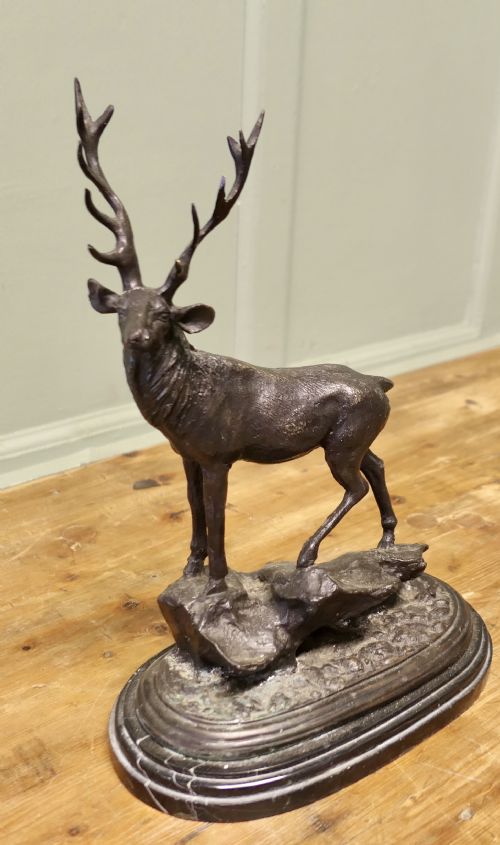
- Animalier
- A nineteenth-century artistic style focusing on the realistic portrayal of animals, frequently seen in bronze standing figures of stags, birds, and dogs. These sculptures capture creatures in naturalistic upright postures.
- Cold-painted bronze
- A technique where bronze sculptures are painted with cold enamel colours rather than being fired in a kiln. Franz Bergman utilised this method extensively for small figural works.
- Ormolu
- Gilded bronze used predominantly in French decorative arts and lighting fixtures during the nineteenth century. This finish provides a bright metallic sheen to figural candelabras and mounts.
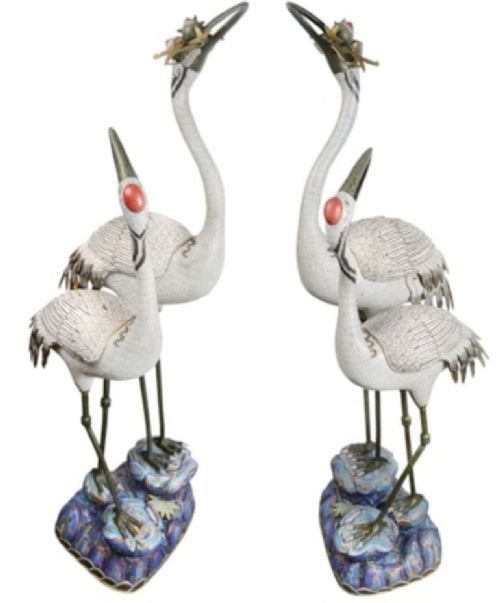
- Cloisonne enamel
- Metalwork decorated by adding compartments soldered to the base metal and filled with vitreous enamel paste. Pairs of cranes and temple objects frequently employ this decorative technique.
- Patina
- The surface coloration and sheen developed on bronze through age or chemical treatment. A well-preserved patina enhances the visual depth of an antique standing figure.
Vintage Bronze Standing Figure: Frequently Asked Questions
How do I identify the period of a bronze figure?
Examine the surface patination, the casting method, and the style of the base or plinth. Victorian and early twentieth-century pieces often reflect distinct artistic movements such as Art Nouveau or Art Deco.
Signatures, foundry marks, and the type of mounting materials provide further clues to dating. Comparing the subject matter to known historical periods helps narrow down the origin.
Where were these standing figures displayed historically?
Smaller bronze figures sat upon desks, mantelpieces, and display cabinets in private homes. Larger examples served as floor lamps, garden ornaments, or hall sculptures.
Utilitarian pieces like candlesticks and inkwells combined decorative standing figures with functional desktop or tabletop accessories.
How should I clean an antique bronze sculpture?
Dust the surface gently with a soft, dry brush or microfiber cloth to remove accumulated dirt. Avoid using chemical polishes, abrasive cleaners, or water, which can strip the historic patina.
Professional conservation is recommended if the metal requires deeper cleaning or stabilisation. Preserving the original surface skin maintains the historical integrity of the piece.
What is the difference between solid bronze and cast metal?
Solid bronze is a copper alloy containing tin that is cast using traditional foundry methods, offering durability and fine detail retention. Cast metal often refers to varied alloy compositions or spelter utilised as a less expensive alternative.
Weight, surface resonance, and magnetic properties help differentiate genuine bronze from other plated or mixed metals. Examining the underside can reveal the underlying metal composition.