


19th Century Bronze Figural Statue
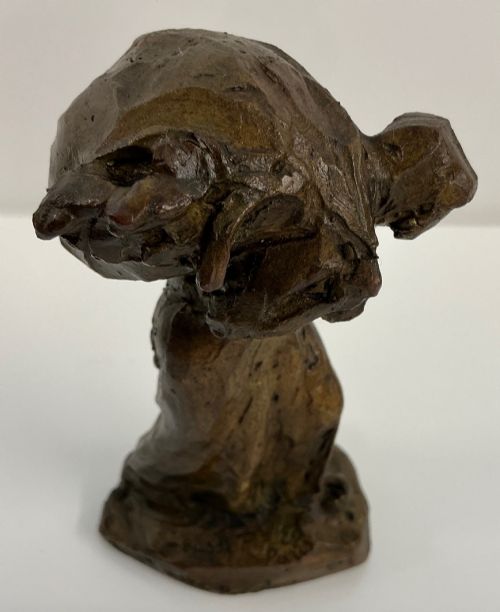
A 19th century bronze figural statue brings sculptural presence into a room, capturing classical mythology, romantic allegories, and everyday figures in heavy cast metal.
19th Century Bronze Figural Statue
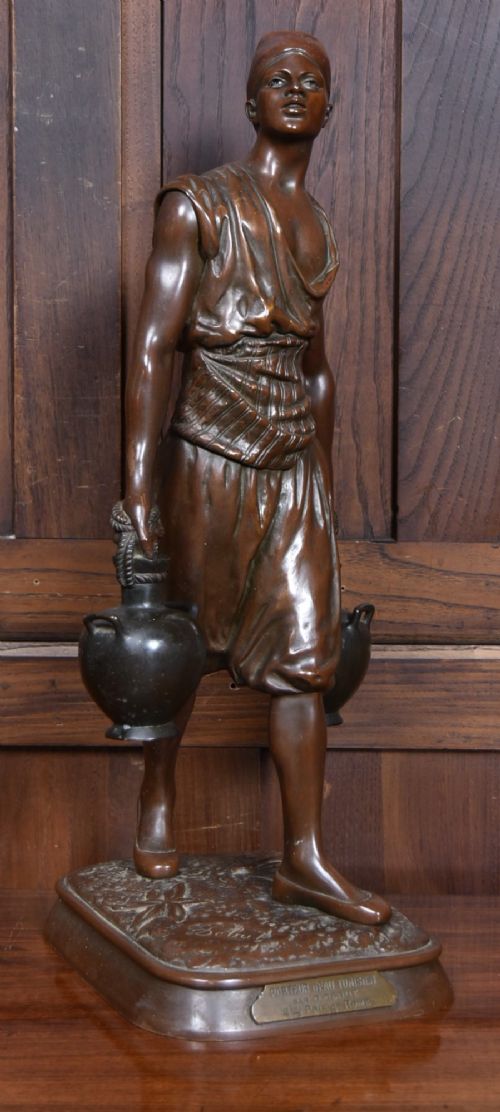
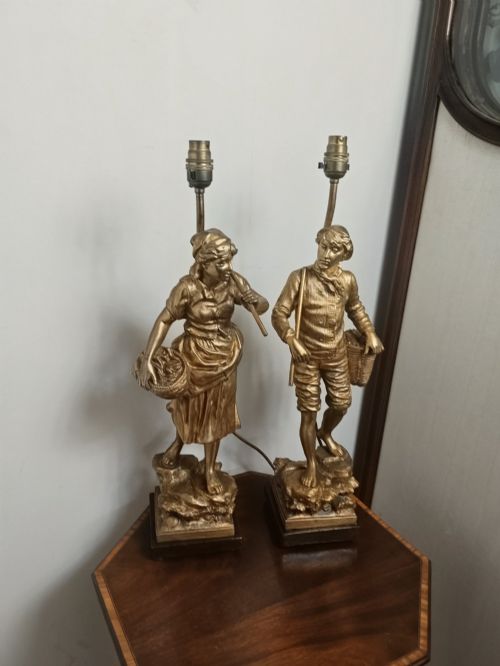
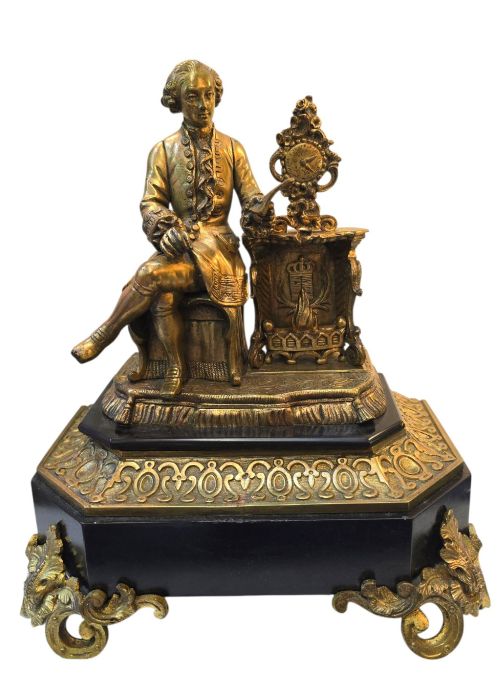
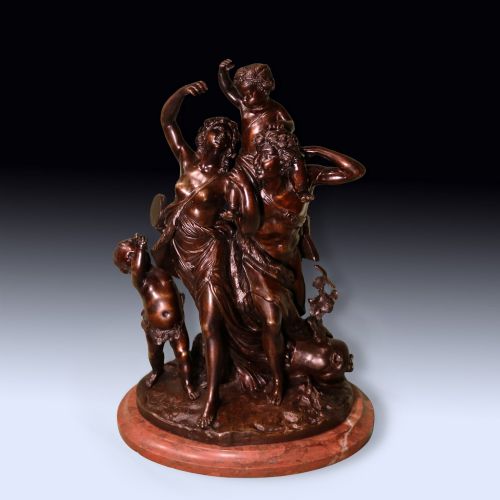
A 19th century bronze figural statue encompasses standalone sculptures, sculptural clock sets, and figural lamps produced during the Victorian and 19th century French periods. These works translate human figures, mythological subjects, and allegorical scenes into solid cast metal, often mounted on marble bases.
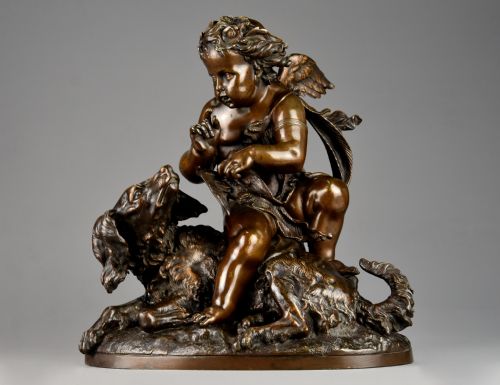
The pieces appearing on this page lean heavily towards French foundry work and Continental styles, ranging from Neoclassical and Renaissance revival compositions to flowing Art Nouveau forms. Subjects vary from putti and classical maidens to quarrymen, musicians, and literary characters.
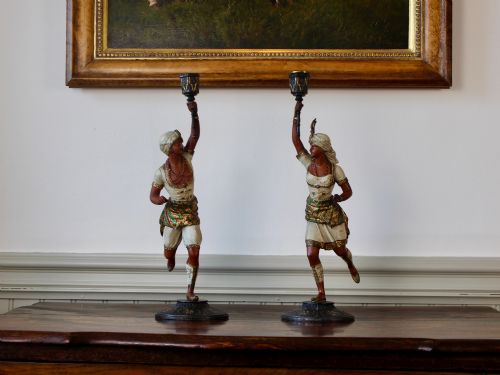
While many take the form of pure sculpture, a significant number serve a domestic function as table lamps, mantel clocks, or candlesticks. These functional pieces integrate the sculptural human form directly into period interior decoration.
Materials and casting methods
The primary material is bronze, cast using traditional techniques and finished with various patinations ranging from deep dark browns to gilt or cold-painted surfaces. Spelter, a cheaper zinc-based alloy, also appears as an alternative base metal in several Continental and Victorian figural pieces.
Marble frequently provides a heavy plinth or base for the bronze figures, while ormolu and wood appear as supplementary decorative elements in clock sets and lamp mounts. Surface finishes involve careful chasing after casting to sharpen details in hair, drapery, and facial expressions.
Listings feature works spanning the Victorian era, the 1890s, and the Art Nouveau period, utilising bronze, marble, spelter, and ormolu.
Distinctions in quality
The integrity of the patina and the choice of mounting materials further separate standard production from exceptional studio output. Heavier, well-balanced marble bases and sophisticated multi-tone patination indicate higher foundry standards.
E Rousseau·Pierre-Augustin Caron de Beaumarchais·Clodion·Jules Dalou·Carrier-Belleuse·E. Drouot·Emile Picault·Claudius Marioton·Auguste Moreau·Lucien Madrassi·Ernst Barrias·Joaquim Angles·Emmanuel Villanis·Dumond·H. Moreau·Antoine Bofill·Carl Kauba
The 19th Century Bronze Figural Statue Glossary
- Patina
- The surface coloration or sheen developed on bronze over time or applied chemically by the foundry. This finish protects the metal and defines the visual tone of the sculpture.
- Ormolu
- Gilded bronze used as a decorative mount or trim, particularly on clock cases and furniture. The technique involves applying a fine layer of gold amalgam to the bronze base.
- Spelter
- A zinc-based alloy utilised as an economical substitute for bronze in 19th-century figures and candlesticks. It is softer than bronze and typically carries a painted or patinated finish.
- Putto
- A plump, often winged male infant figure frequently depicted in mythological and allegorical scenes. These figures are common in 19th-century French and Continental groups.
- Chasing
- The manual post-casting process of refining and detailing the metal surface using punches and chisels. Skilled chasing distinguishes high-end foundry output from raw casts.
19th Century Bronze Figural Statue: Frequently Asked Questions
How do I clean a bronze statue?
Dust the surface gently with a soft, dry cloth to prevent the accumulation of grit in the crevices. Avoid using water, household detergents, or metal polishes, which strip the patination and damage the finish.
Apply a microcrystalline wax sparingly if the bronze requires protection against atmospheric moisture. Buff the wax out thoroughly with a clean cloth to maintain a stable, matte sheen without creating a greasy buildup.
Are these statues solid bronze?
Most 19th-century figural bronzes are hollow-cast rather than solid metal to conserve material and reduce overall weight. Foundries utilised the lost-wax method or sand-casting techniques to produce hollow sections while retaining structural thickness.
Base plates or interior access holes sometimes reveal the hollow interior and the core material used during the casting process. Solid bronze pieces are exceptional and restricted to smaller figures or specific study casts.
How can I distinguish spelter from bronze?
Spelter is significantly lighter than bronze and possesses a softer composition that scratches more easily under testing. Examining the underside or an inconspicuous area often reveals a greyish-white metal beneath a flaking surface finish.
Bronze maintains a reddish-brown or golden metallic hue where the underlying metal is exposed. Spelter also tends to feel cooler to the touch initially but lacks the resonant ring of true bronze when lightly tapped.
What is cold-painted bronze?
Cold-painting involves applying non-fired oil or enamel paints directly onto the surface of a finished bronze sculpture. This technique gained popularity in the late 19th century, particularly for Orientalist figures and small animal studies.
Because the paint was not kiln-fired, surviving examples often show varying degrees of rubbing and paint loss. This surface wear requires careful handling to preserve the remaining polychrome details.