

Vintage Bronze Pendant
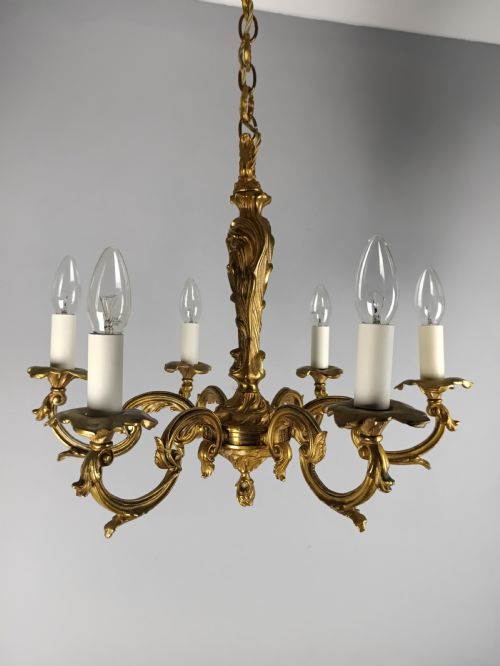
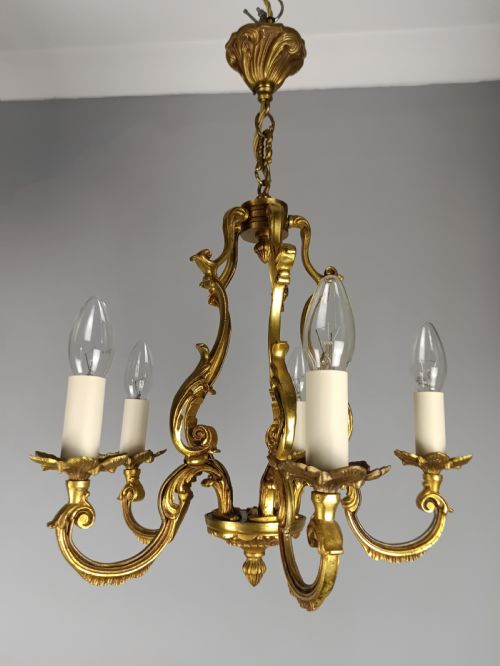
A vintage bronze pendant illuminates a room with the enduring weight of 19th-century and early 20th-century metalwork.
Vintage Bronze Pendant
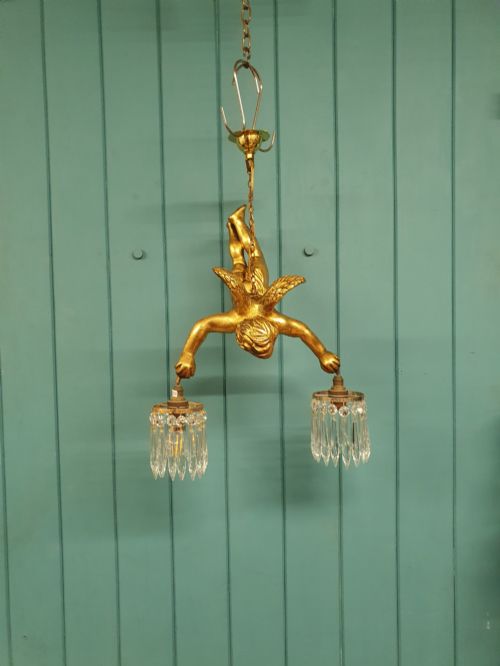
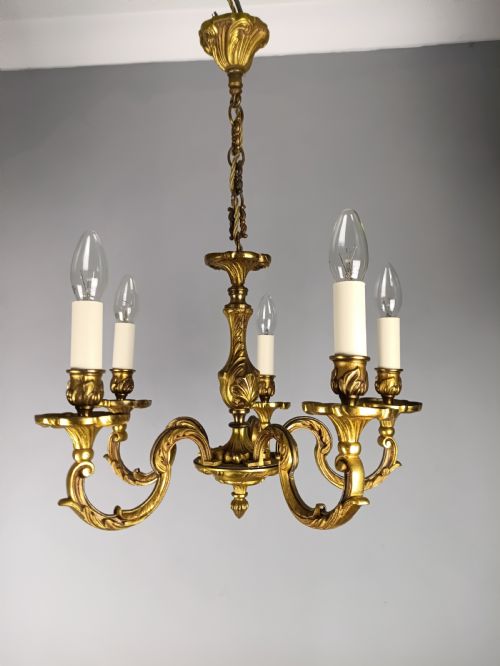
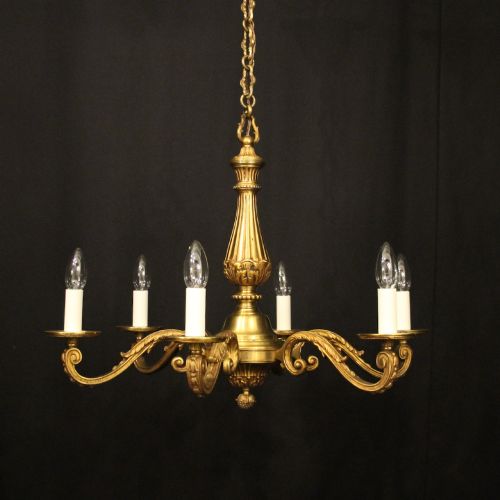
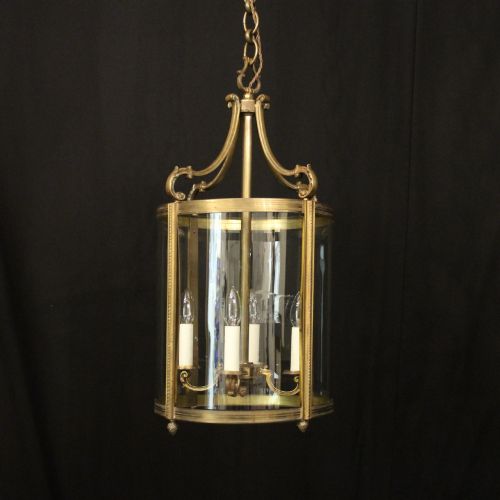
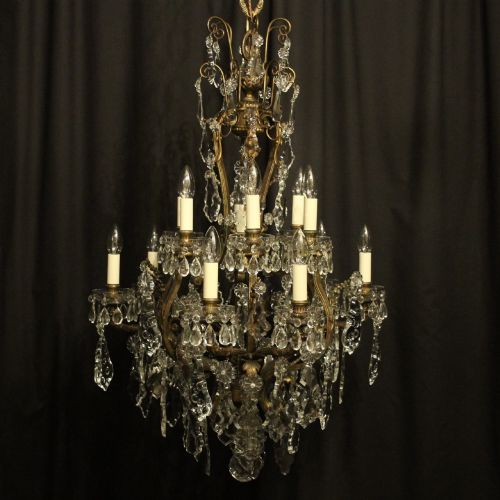
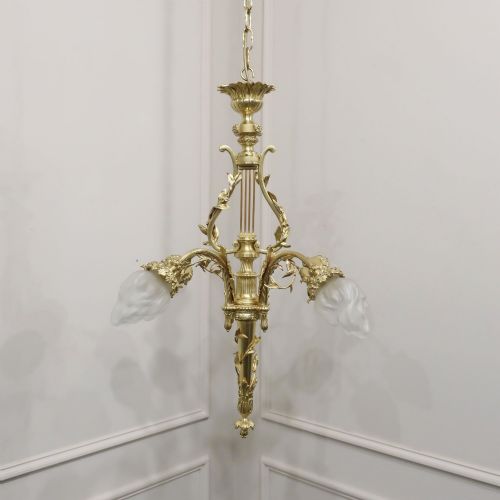
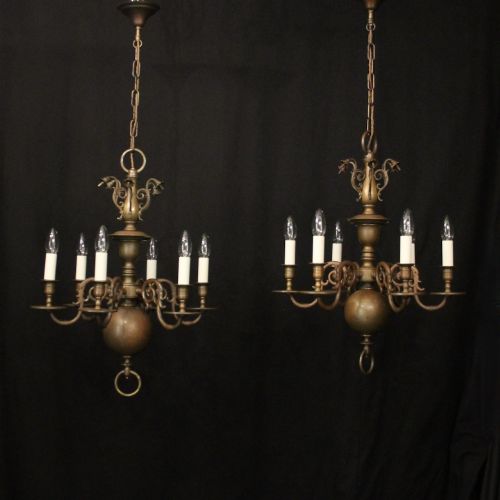
When searching for a vintage bronze pendant, buyers encounter hanging lights, chandeliers, and hall lanterns originating mainly from French and English workshops.
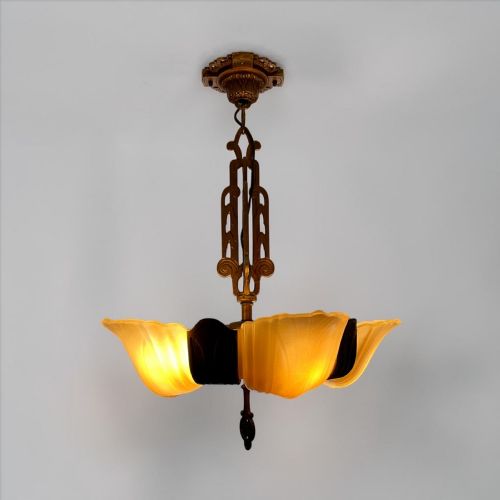
The selections span from 19th-century designs to the 1930s, encompassing styles such as French Rococo, Art Deco, and Neoclassical.
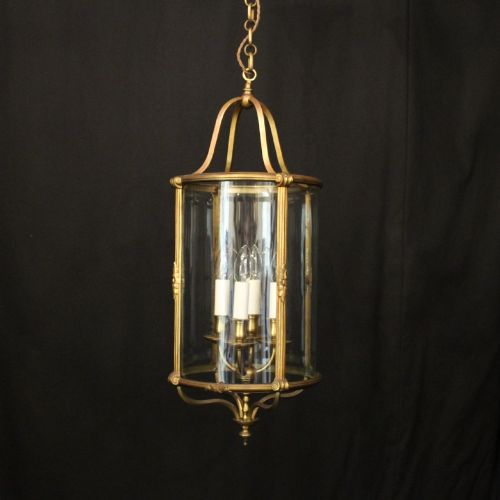
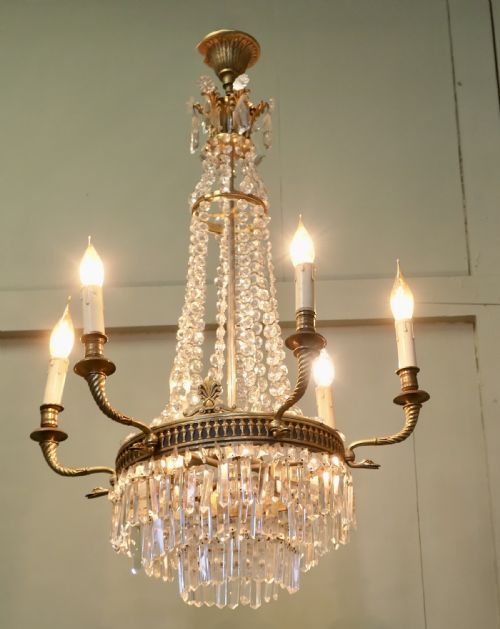
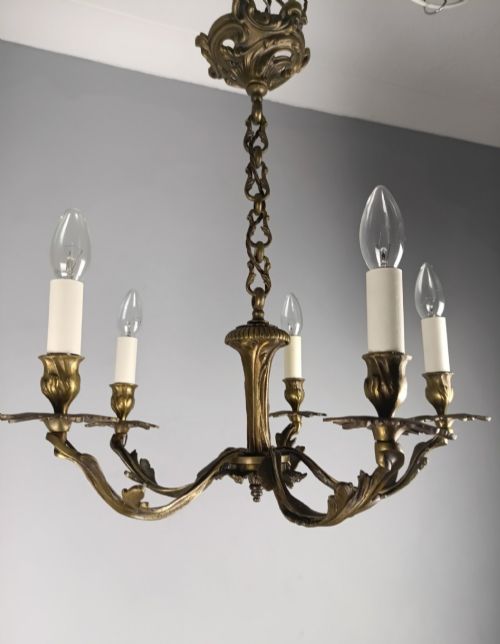
Most items on this page manifest as multi-light chandeliers and lanterns constructed from bronze, gilded bronze, and brass.
How They Were Made
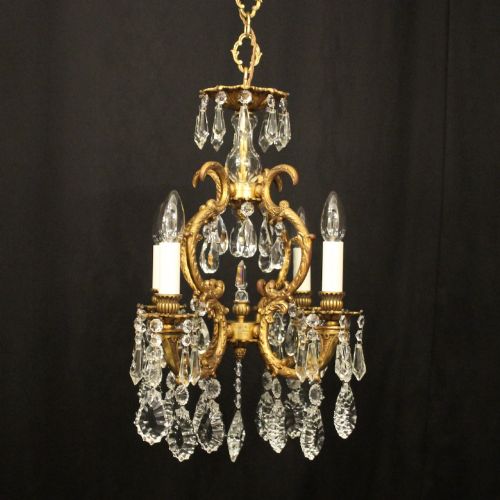
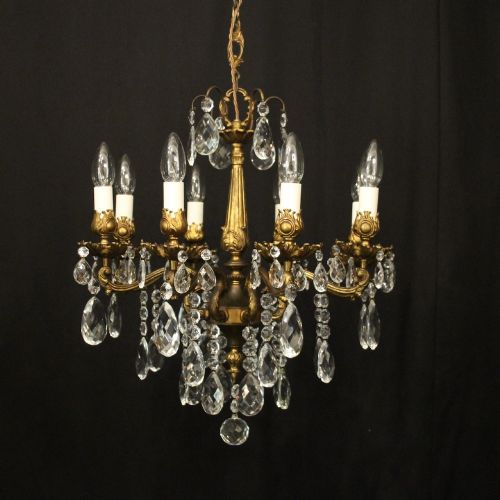
These fixtures combine cast metal frames in bronze, brass, or gilt bronze with glass and crystal elements like drops and spikes.
Makers utilised surface treatments such as silver gilding, mercury gilding, and dark patination to finish the bronze and brass structures.
Listings feature items from the 19th Century, 1890, 1900, 1910, 1920, 1930, and the Victorian period, constructed in bronze, gilt bronze, brass, glass, and crystal.
What Varies in Quality
The standard of a piece depends upon the crispness of the bronze casting and the depth of the chased detail across the arms and mounts.
Better examples retain original fire-gilding or deep patination alongside high-clarity cut crystal drops rather than replacement glass.
G.E.C
The Vintage Bronze Pendant Glossary
- Bronze
- An alloy of copper and tin used extensively for durable, highly detailed cast lighting fixtures. It forms the structural body for many French and English chandeliers.
- Gilt Bronze
- Bronze that has been coated with a thin layer of gold using mercury amalgamation or electrochemical methods. This finish yields a bright, enduring golden surface.
- Tent and Waterfall
- A lighting configuration featuring an upper tent of strung crystal beads falling into a cascading waterfall effect of glass drops. This silhouette dominated grand 19th-century reception rooms.
- Hall Lantern
- An enclosed hanging light designed specifically for corridors, vestibules, and entrance halls. These pieces often feature glazed panels held within a bronze or brass frame.
- Slip Shade
- A type of moulded glass shade that slots directly into a metal frame, common in Art Deco lighting design. It diffuses light evenly across the ceiling fixture.
Vintage Bronze Pendant: Frequently Asked Questions
What periods do these bronze pendants come from?
The listings on this page originate primarily from the nineteenth century and the early decades of the twentieth century, up to the 1930s. Styles range from Victorian and French Empire to Art Deco.
Buyers find that pieces reflect the prevailing architectural tastes of their respective decades, incorporating neoclassical motifs or cleaner modernist lines.
How do I hang a heavy bronze chandelier safely?
Hanging these substantial fixtures requires securing the weight directly into ceiling joists or installing a dedicated metal support bracket. Bronze and crystal pendants carry considerable mass that standard plaster cannot hold.
Professional installation ensures the internal wiring and structural chain or rod support the load securely.
Are these lights fitted for modern electrical standards?
Many antique fixtures retain older wiring or have been adapted for contemporary use by dealers and previous owners. Rewiring is often recommended to meet current safety regulations.
Standard lamp holders are typically integrated into the original bronze arms to accommodate modern bulbs.
What is the difference between bronze and brass fixtures?
Bronze is a heavier, copper-tin alloy that takes dark patination and fine casting detail exceptionally well. Brass is a copper-zinc alloy that tends to appear brighter and yellow in its natural state.
Both metals were utilised interchangeably across various periods, though high-end French chandeliers favoured gilt bronze.