



Vintage Bronze Horse Figure
A vintage bronze horse figure brings muscular animal anatomy and mid-century presence directly to a mantelpiece or desk.
Vintage Bronze Horse Figure
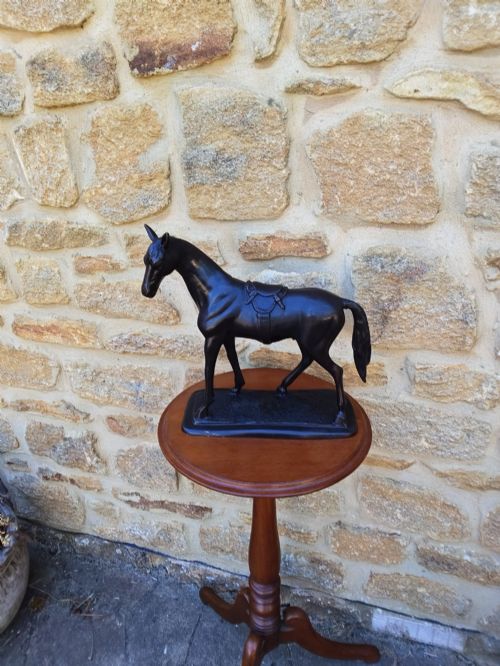
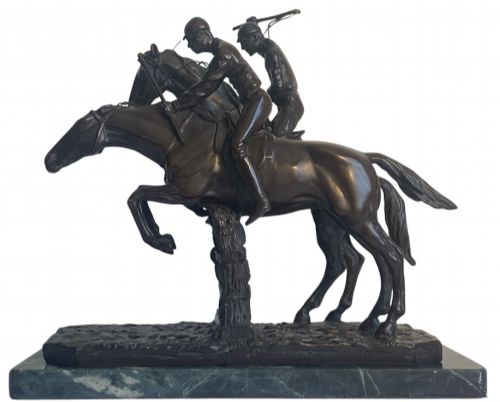
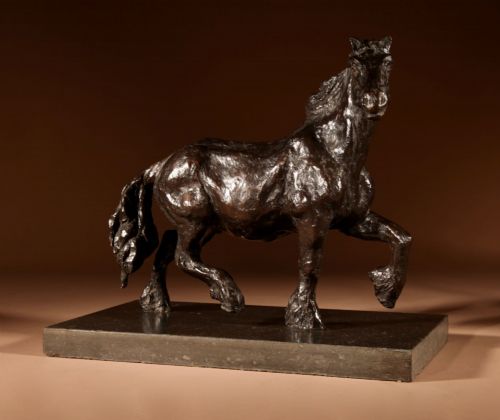
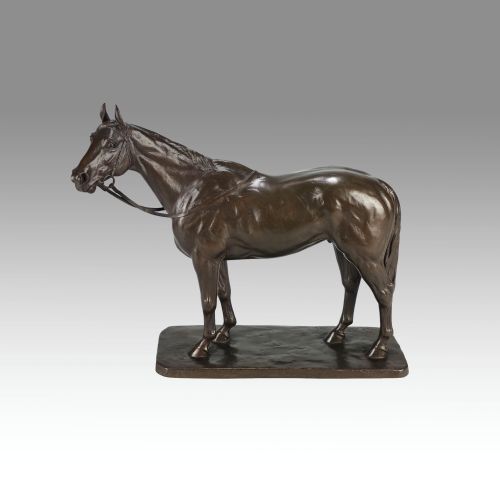
A vintage bronze horse figure captures equine form across animalier, French school, and modern modernist styles, spanning the nineteenth and twentieth centuries. These pieces range from substantial desk accessories and bookends to gallery sculptures mounted on marble plinths.
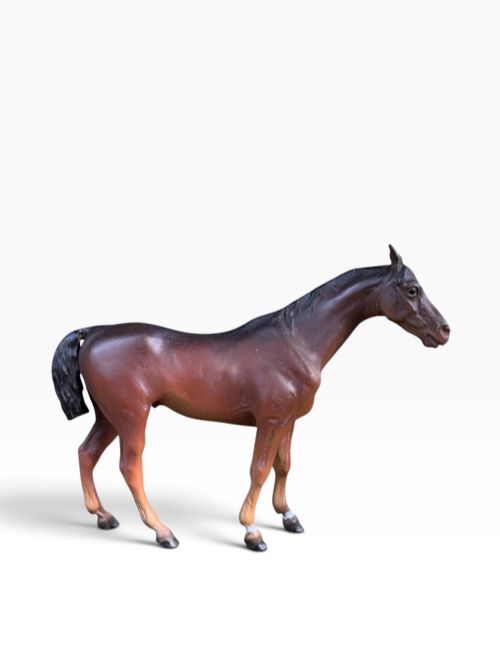
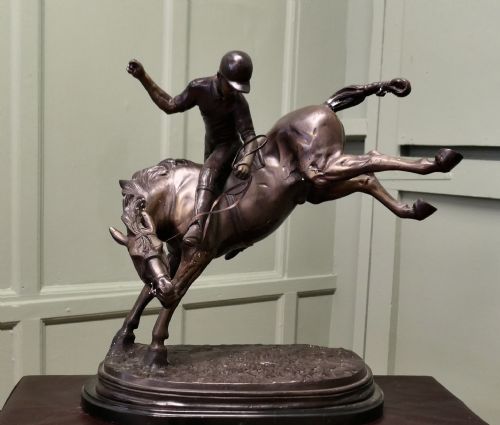
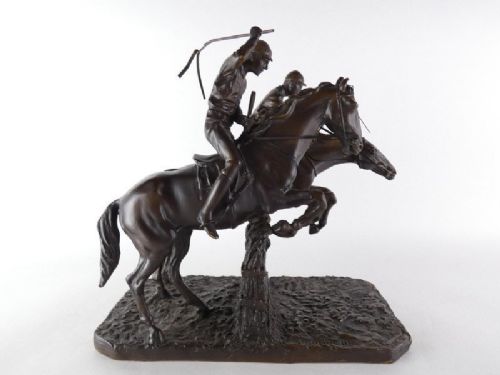
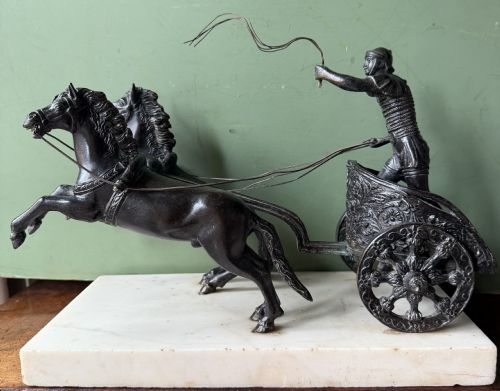
Collectors frequently encounter examples originating from French workshops, Austrian cold painted studios, and Japanese foundries of the Meiji, Taisho, and Showa periods. The subjects vary from draft horses and racing stallions to polo players, charioteers, and western bucking broncos.
Functionality shifts between pure display sculpture and practical desktop items such as inkstands, desk tidies, and book rests. Each piece reflects the sculptural idioms of its decade, whether cast in the naturalistic manner of the nineteenth century or the simplified lines of the nineteen-thirties.
Materials and casting methods
Foundries utilised traditional lost-wax casting alongside sand casting to shape heavy copper alloys into complex equine postures. Cold painted finishes add vivid polychrome detail to specific Austrian desk items, while other pieces retain a warm brown patina built through chemical treatment.
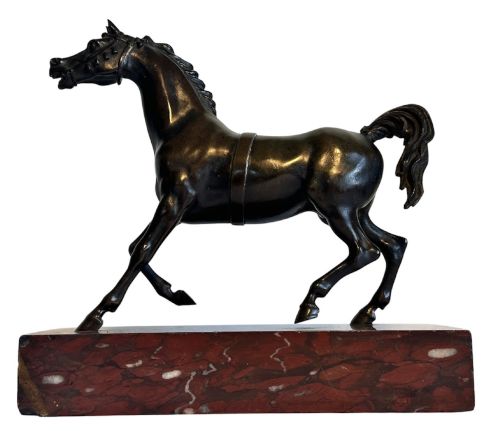
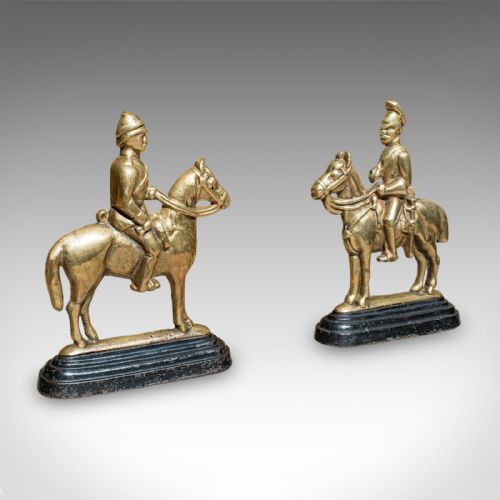
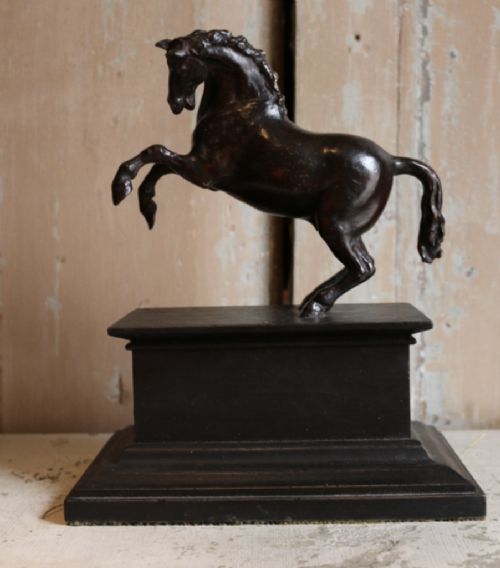
Many sculptures incorporate heavy stone plinths, mounting the metal figure upon bases of white marble, black marble, or onyx. Secondary materials appear in support roles, including brass accents, wooden backing blocks, and occasional stone settings.
Several desk accessories double as functional bookends or inkwells, proving that nineteenth-century horses had to work for their living.
Factors determining quality
The precision of the chasing work after casting separates superior figures from ordinary production pieces, particularly in the definition of muscle sinews, facial expressions, and tack. Crisp detail retained around the mane and hooves indicates a careful cleanup of the raw metal before patina application.
The integration between the sculpture and its heavy stone base reveals workshop standards, where tight fitting pins and quality marble plinths elevate the piece. Greater heft and balanced proportions across the legs and torso denote a superior casting that remains stable over time.
Jules Bonheur·Kunio Itô·Pierre Lenordez·Sakai Kōzan·Nikolai Lieberich
The Vintage Bronze Horse Figure Glossary
- Animalier
- A nineteenth-century artistic movement dedicated to the realistic portrayal of animals, particularly horses and hounds. Sculptors in this tradition studied living subjects intently to capture movement and tension.
- Cold painted bronze
- A technique where metal figures are painted with unfired oil or enamel colours after casting. This method was widely used in Vienna for small, highly detailed desk ornaments and figures.
- Grand Tour
- A traditional trip through Europe undertaken by upper-class scholars and collectors during the eighteenth and nineteenth centuries. Souvenirs included small bronze studies of classical monuments and figures.
- Patina
- The surface coloration and sheen developed naturally through age or applied chemically by the foundry. It protects the metal and defines the visual depth of the sculpture.
- Lost-wax casting
- A historic method of metal casting where a wax model is melted out from a clay mould to create a cavity for molten bronze. This technique allows for exceptional undercut detail and thin walls.
Vintage Bronze Horse Figure: Frequently Asked Questions
How do I clean a bronze horse?
Dust the surface regularly with a soft, dry cloth to prevent grime accumulation in the recesses of the mane and musculature.
Avoid commercial polishes or water, as harsh chemicals strip the historic patina and permanently damage the metal finish.
What is cold painted bronze?
Cold painting involves applying polychrome pigments to a bronze casting without subsequent kiln firing, retaining delicate detail on small figures.
These painted surfaces require gentle handling to prevent flaking or loss of colour over decades of display.
Are marble bases original?
Many nineteenth and twentieth-century animalier sculptures were cast with integrated metal plinths designed to fit directly onto custom marble or onyx bases.
Inspection of the mounting bolts underneath usually reveals whether the stone plinth shares the age of the bronze figure above.
How do I date a bronze figure?
Dating relies on stylistic clues like the modernist simplification of the nineteen-thirties versus the intricate realism of Victorian animalier work.
Foundry marks, artist signatures, and the composition of the base material provide further chronological context for each piece.