




Vintage Bronze Female Nude
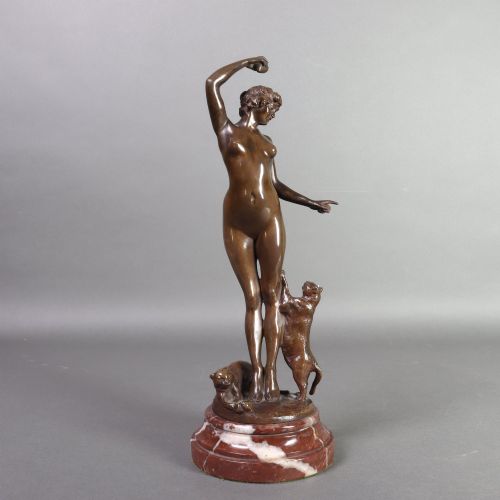
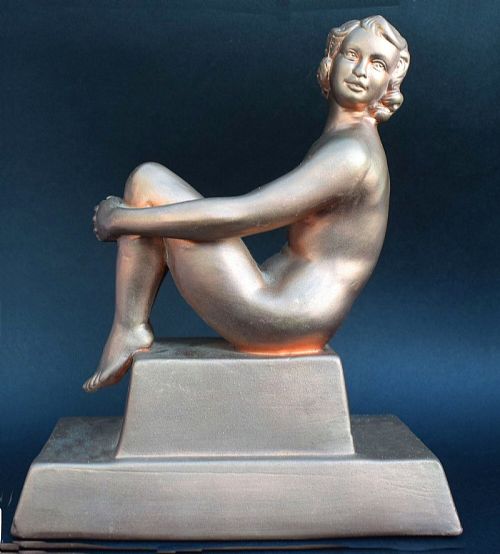
Vintage bronze female nude sculptures capture the dynamic energy and sleek stylisation of early twentieth century design.
Vintage Bronze Female Nude
Collectors seeking a vintage bronze female nude encounter diverse sculptural forms ranging from tabletop figures to functional lamps and car mascots. The majority of pieces originate from the nineteen twenties and nineteen thirties, embracing the clean lines and energetic postures characteristic of the era.
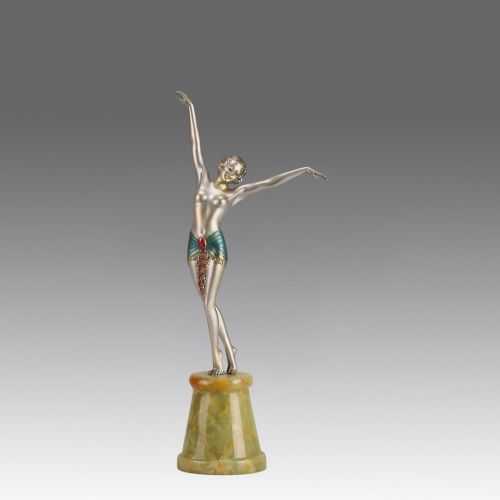
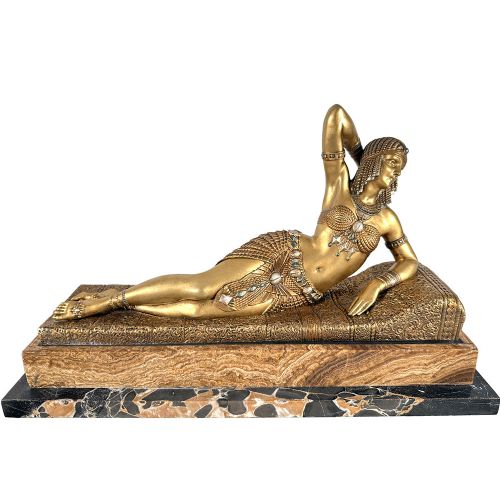
Figures often depict dancers, mythological figures or stylised women cast in motion, mounted onto solid bases of marble or onyx. Pieces appear in various mediums, capturing both delicate movement and robust geometric styling.
French and Austrian studios produced numerous examples during the interwar years, spanning elegant dancers to striking cold painted studies. These works represent the peak of twentieth century decorative bronze casting.
Materials and technique
Foundries utilised traditional lost wax casting methods to achieve intricate detail in bronze, allowing sculptors to render flowing drapery and musculature precisely. Many figures received cold painted finishes or patinated treatments to enhance surface texture and depth.
Bases were frequently carved from contrasting materials such as marble or onyx, anchoring the dynamic bronze forms. Some iterations incorporated silvered bronze, enamel or carved glass components to add colour and light reflection.
Sculptors sometimes immortalised ladies holding riding crops or balancing on car radiators, proving that early motorists took their art very seriously indeed.
Assessing quality and execution
The choice and execution of the base material also distinguish the better works, with heavy, finely polished marble providing stability and weight that cheapened substitutes lack. Furthermore, the application of patination or cold paint determines whether the surface appears flat or possesses convincing tonal variation.
Ferdinand Preiss·Josef Lorenzl·Demetre Chiparus·Pierre le Faguays·Bruno Zach
The Vintage Bronze Female Nude Glossary
- Cold-painted bronze
- A technique where paint is applied to an unheated bronze casting and allowed to air dry rather than being fired. This method produced delicate polychrome finishes popular in Austrian workshops.
- Spelter
- A zinc alloy frequently utilised as a cost-effective alternative to bronze during the art deco period. It mimics the appearance of heavier metals when plated or patinated.
- Patination
- The chemical treatment applied to the surface of bronze to alter its colour and create aged tones. Master patinators achieved subtle gradients ranging from deep browns to golden highlights.
- Car mascot
- A sculptural ornament mounted on the radiator cap of automobiles during the early twentieth century. These miniature bronzes allowed motorists to display stylish figures while travelling.
- Lost wax casting
- A complex method of metal casting where a wax model is melted out of a ceramic mould to create a hollow bronze replica. This process permits exceptional detail in complex sculptural forms.
Vintage Bronze Female Nude: Frequently Asked Questions
How do I identify art deco bronzes?
Look for stylised geometric forms, streamlined postures, and materials like marble or onyx bases that reflect interwar design aesthetics.
Examine the signature or foundry marks often stamped into the metal near the base of the sculpture.
Were these figures used as lamps?
Yes, sculptors integrated lighting elements into figural compositions, turning dancers and standing women into functional table lamps.
These pieces typically combine cast bronze figures with glass shades or illuminated backdrops.
What is cold painted bronze?
Cold painting involves applying pigments directly onto the bronze surface without heat fixing, creating vibrant multicolour finishes.
This technique was particularly favoured by Austrian foundries producing small decorative figures.
How should I clean my bronze?
Dust gently with a soft, dry brush to prevent dirt accumulation in the recessed areas of the casting.
Avoid using chemical polishes or water, which can strip the original patina and damage the metal surface.