




Vintage Bronze Equestrian Sculpture
Vintage bronze equestrian sculpture captures the power of the horse through enduring metal, offering collectors dynamic forms from the nineteenth and twentieth centuries.
Vintage Bronze Equestrian Sculpture
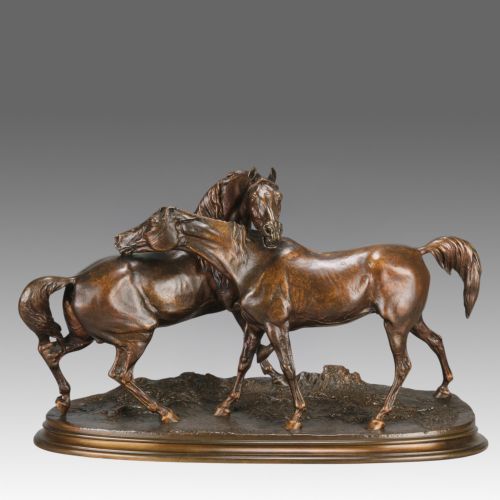
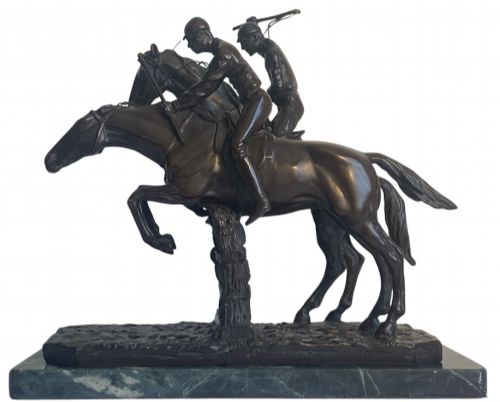
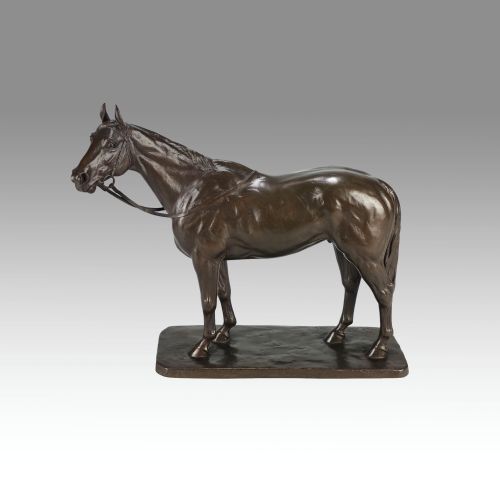
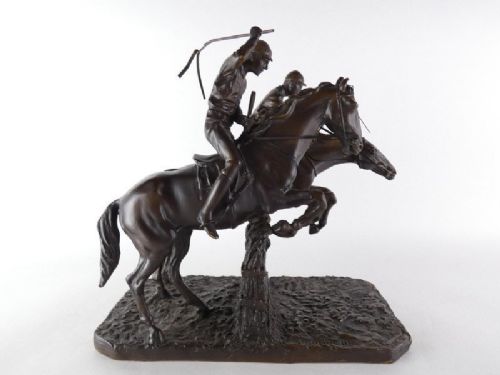
When buyers search for vintage bronze equestrian sculpture, they encounter a diverse range of depictions capturing horses in motion, at rest, or paired with riders from various international schools. The selections on this page span the nineteenth and twentieth centuries, encompassing domestic pieces alongside grander display works.
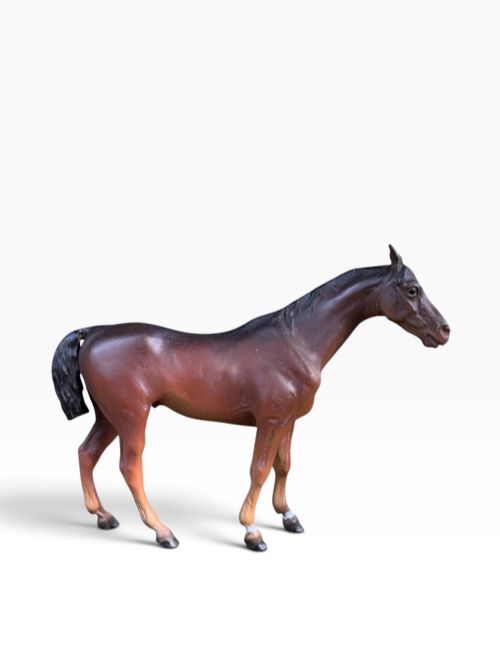
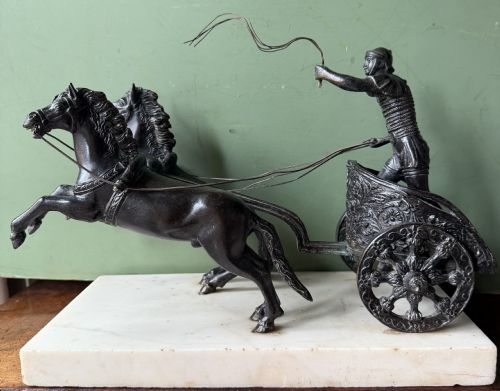
French Animalier pieces and Austrian cold painted works feature prominently among these listings, alongside Japanese Taisho period items and Italian Grand Tour souvenirs. Collectors will find everything from single stallions on marble bases to complex hunting groups and functional novelties.
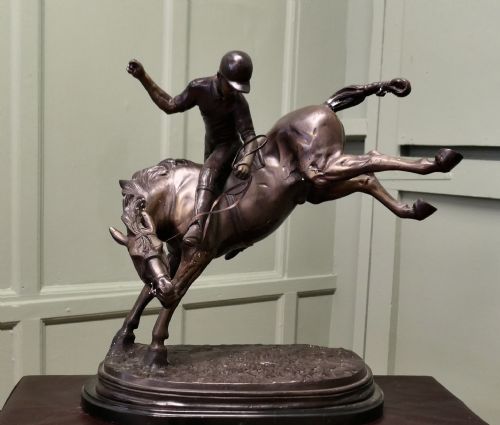
The objects take several distinct forms, including table lighters, paperweights, clock components, and monumental statues of horses and riders. These sculptures reflect both realistic anatomical studies and stylized interpretations typical of the Art Deco and Modernist movements.
How They Were Made
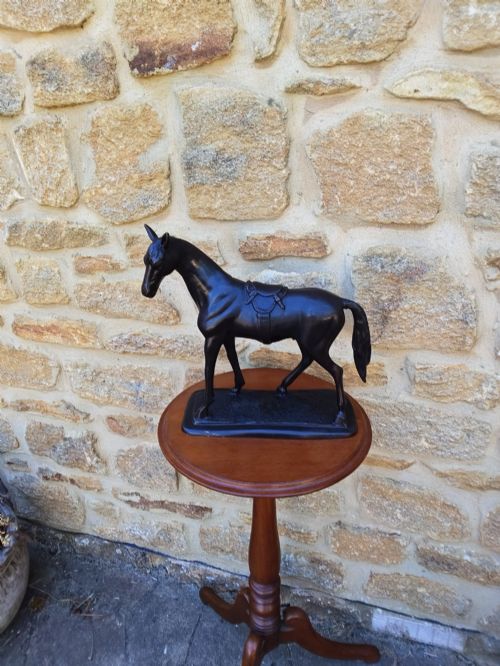
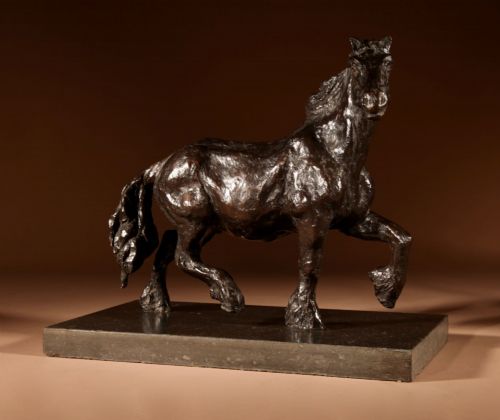
The majority of these pieces utilise cast bronze, sometimes enhanced through cold painting, silver plating, or gilding to highlight specific details of the animal and harness. Many examples incorporate secondary natural materials, mounting heavy metal figures upon bases of marble, wood, or stone.
Foundry techniques allowed makers to capture intricate textures, from the musculature of a draft horse to the fine details of a jockey's attire or a mounted military figure. Patination methods varied widely, producing dark brown, golden, or polychrome surfaces across the surviving inventory.
Some horses on this page moonlight as table cigarette lighters, paperweights, or clock horses, proving even bronze stallions must earn their keep.
What Varies in Quality
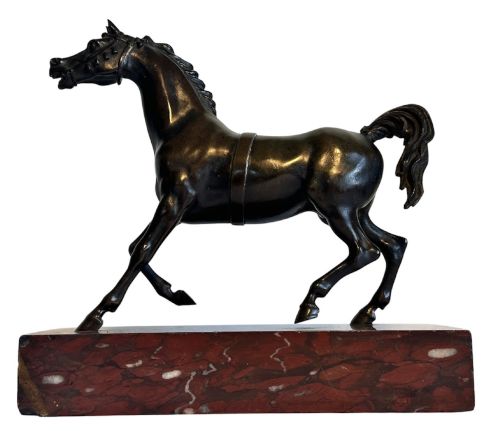
The integration of the sculpture with its base also dictates overall standard, particularly in pieces mounted on marble or stone plinths. Evidence of the artist's hand, clear signatures, and distinct foundry marks elevate the standing of a piece within its period.
P J Mêne·Jules Bonheur·Kunio Itô·Isidore Jules Bonheur·Luigi Secchi·Pierre Lenordez·Sakai Kōzan·Xavier Raphanel·Franz Bergman·Nikolai Lieberich
The Vintage Bronze Equestrian Sculpture Glossary
- Animalier
- A nineteenth-century artistic movement focused on the realistic portrayal of animals. Practitioners specialised in capturing wild and domestic beasts with anatomical precision.
- Cold Painted Bronze
- A technique where bronze figures receive oil or enamel paint applications without high-temperature firing. This method was particularly favored by Viennese workshops for vibrant polychrome effects.
- Grand Tour
- A traditional trip through Europe undertaken by upper-class scholars and collectors during the eighteenth and nineteenth centuries. Souvenirs often included miniature bronze antiquities and classical architectural models.
- Patina
- The surface coloration and sheen developed naturally through age or applied artificially by the maker. It protects the metal while defining the textural contours of the sculpture.
- Stallion
- An uncastrated male horse frequently chosen by sculptors to convey muscular tension and power. These figures often dominate nineteenth-century animalier compositions.
Vintage Bronze Equestrian Sculpture: Frequently Asked Questions
What is an animalier bronze horse?
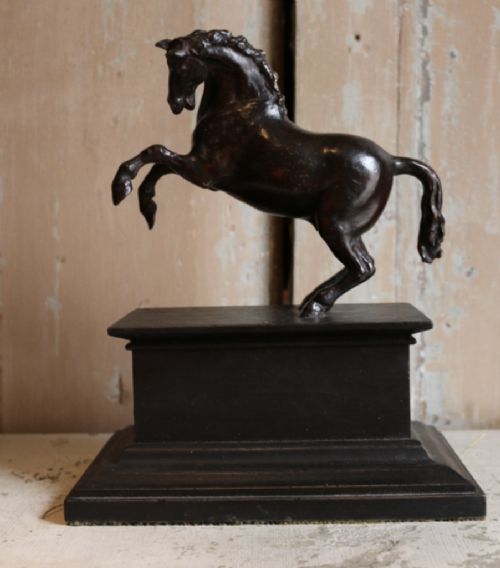
An animalier bronze horse is a nineteenth-century sculpture focused on realistic anatomical study and natural movement. These pieces range from quiet grazing animals to dramatic rearing stallions.
Artists in this tradition prioritised accurate musculature and posture over idealised human narratives, capturing the genuine behaviour of horses.
What is a Grand Tour souvenir sculpture?
A Grand Tour bronze is a small-scale study purchased by travellers touring European cultural sites during the nineteenth century. These items often replicated famous monuments, charioteers, or classical animal bronzes.
They were typically mounted on marble or stone plinths to serve as portable desktop ornaments or cabinet pieces.
How should I display a heavy marble base sculpture?
Sculptures mounted on heavy marble or stone bases require stable furniture capable of supporting considerable weight. Ensure the placement surface is level to prevent any strain on the fixings.
Keep these pieces away from direct sunlight and moisture to preserve both the stone plinth and the metal patina over time.