


Vintage Bronze Cherub
These vintage bronze cherub pieces bring sculptural charm to interiors through figural lighting, timepieces and decorative bronze work.
Vintage Bronze Cherub
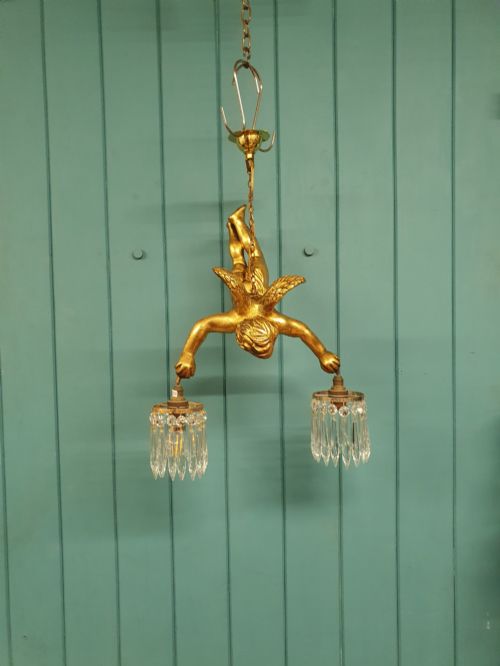
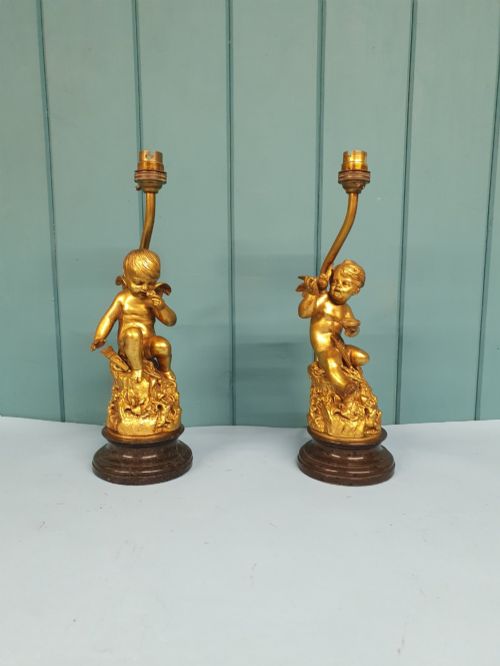
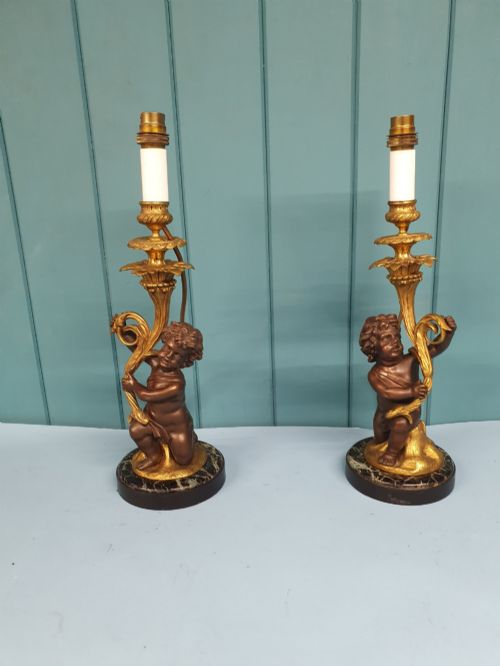
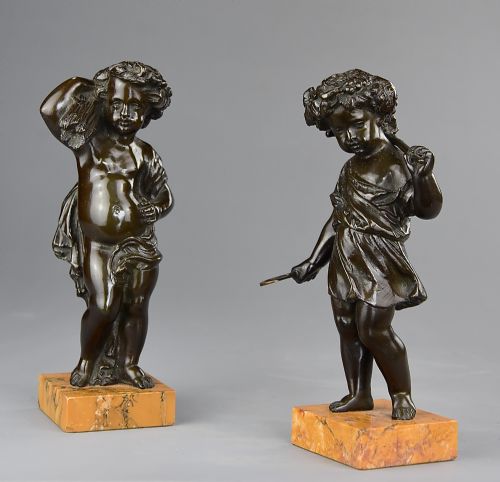
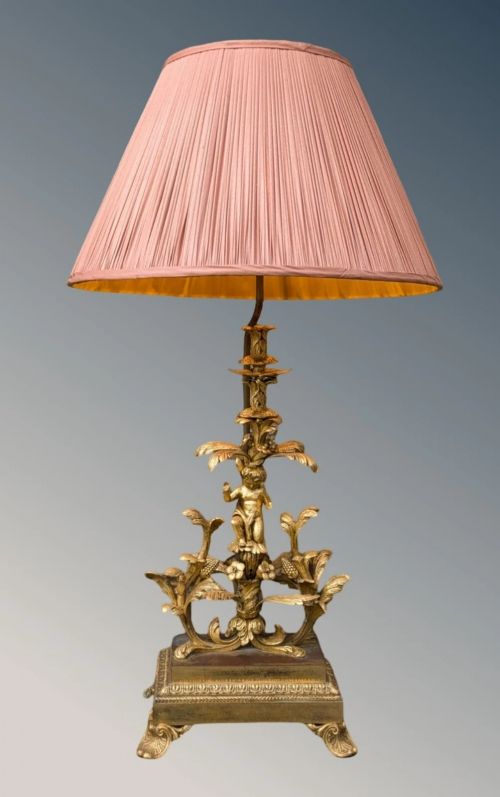
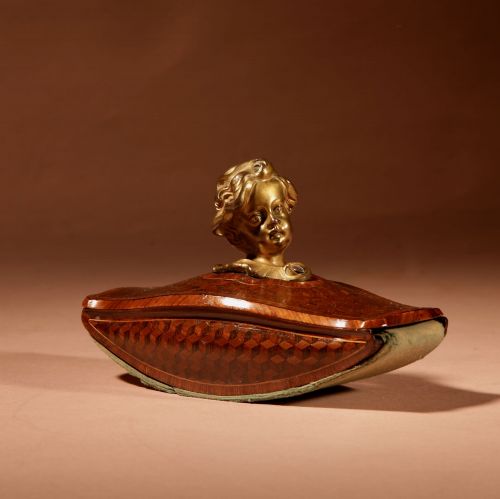
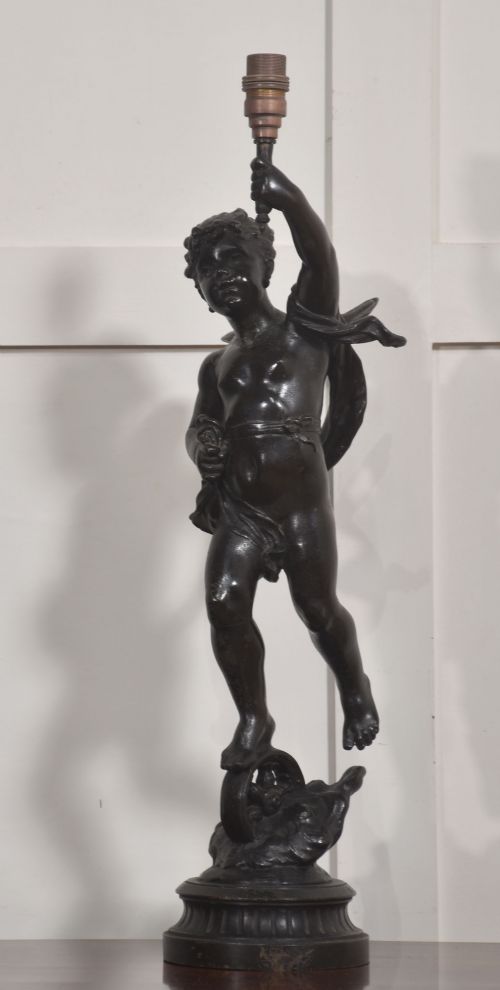
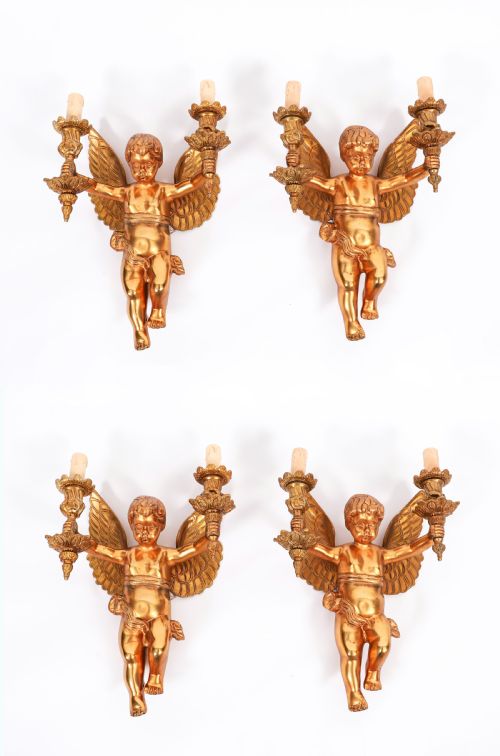
When you search for a vintage bronze cherub, you encounter figural works spanning the nineteenth century into the early twentieth century. The selection on this page consists predominantly of table lamps, wall sconces, mantel clocks and candelabra executed in continental styles.
Many of these items originate from French workshops, drawing on Rococo Revival, Second Empire and Neoclassical design vocabulary. Alongside table lamps and chandeliers, you find architectural fittings, mirrors and statuary incorporating winged figures.
The objects combine utility with classical imagery, shifting from functional mantel timepieces and lighting fixtures to purely decorative figures and doorstops. Their forms reflect the nineteenth-century taste for ornate interior metalwork.
Materials and construction methods
Makers utilised cast bronze, ormolu, gilt bronze and brass as the primary structural metals for these figures and their mounts. Foundries often combined patinated bronze with gilded elements to create tonal contrast on lamps and clocks.
Many items incorporate secondary materials such as white marble bases, porcelain floral details and cut glass crystal drops. Cast iron and spelter also appear in period pieces alongside genuine bronze.
Casting methods included sand casting and lost-wax techniques for figural elements, followed by hand-chasing of the metal surface. Ormolu pieces received a mercury gilding treatment to produce a lasting golden finish.
The object types span practical household goods like mantel clocks and chandeliers alongside sculptural doorstops and picture frames.
Judging quality and execution
The integration of materials dictates the standard of the piece, seen in the weight of the bronze, the stability of marble bases and the purity of the fire-gilt or ormolu surface. Well-executed examples maintain tight joints and balanced proportions across complex forms like chandeliers and multi-branch candelabra.
Auguste Moreau·Claude Michael Clodion
The Vintage Bronze Cherub Glossary
- Ormolu
- Gilded bronze, where finely ground gold is amalgamated with mercury and applied to a bronze base. This technique creates a rich golden surface found on French clocks and decorative mounts.
- Spelter
- A zinc alloy frequently used as a cheaper alternative to bronze for figural castings. It accepts patination and gilding but possesses a lighter weight and softer structure.
- Rococo Revival
- A nineteenth-century design style reviving the asymmetrical scrolls, C-curves and naturalistic motifs of the eighteenth century. It heavily influences the frames, wall sconces and candelabra seen here.
- Chasing
- The hand-tooling of a metal casting with chisels and punches to refine details and clear away casting flaws. Superior chasing distinguishes high-end bronze figures from commercial output.
- Chenets
- Metal fire dogs placed at the front of a hearth to support logs, often decorated with cast figures or ormolu mounts. They form part of the broader category of decorative brass and bronze hearth furnishings.
Vintage Bronze Cherub: Frequently Asked Questions
What periods do these pieces come from?
The pieces span the nineteenth century through to the early decades of the twentieth century, with strong representation from Victorian and Edwardian eras alongside French Empire and Regency periods.
Stylistic influences lean heavily toward French Rococo Revival and Neoclassical designs, reflecting the prevailing taste of European foundries during those decades.
Were these always lamps and clocks?
Many items began life as utilitarian objects such as mantel clocks, candlesticks or wall lights, while others started as solid bronze statuary or architectural elements.
Over time, numerous figures and wall sconces underwent conversion to electric table lamps to suit modern domestic lighting needs.
How do I care for antique bronze?
Antique bronze requires gentle dusting with a soft, dry cloth to protect the original patina or ormolu surface from abrasive buildup.
Avoid using metal polishes or chemical cleaners, as these substances strip away historical patination and damage the underlying gilded or patinated finishes.
What is the difference between bronze and spelter?
Bronze is a durable alloy of copper and tin that takes fine detail and develops a rich patination over centuries of handling. Spelter is a softer, zinc-based substitute that feels lighter and appears more frequently in affordable decorative castings.