
Vintage Bronze Bedside Lamps
Vintage bronze bedside lamps bring weight, warmth, and period character to a room through cast metal and detailed bases.

Vintage Bronze Bedside Lamps
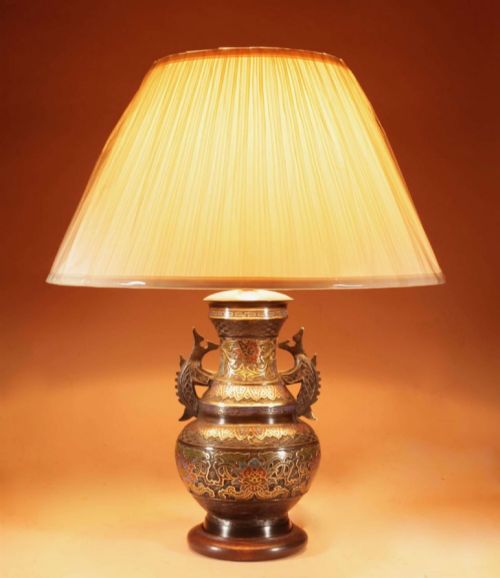
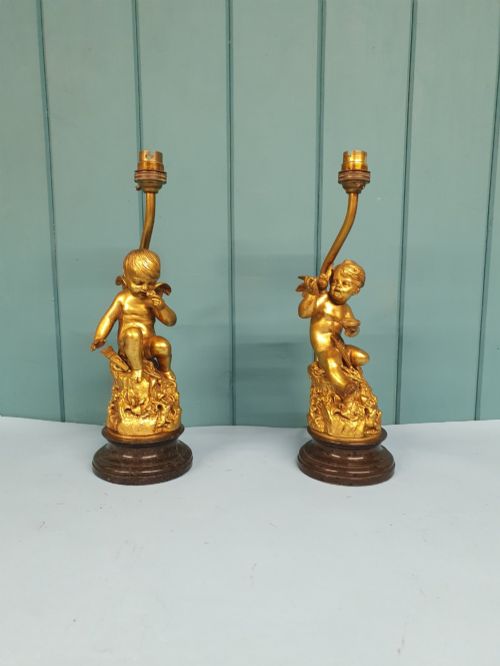
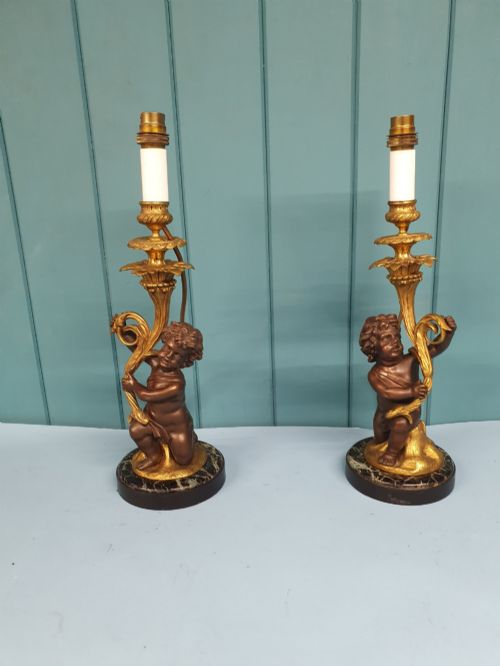
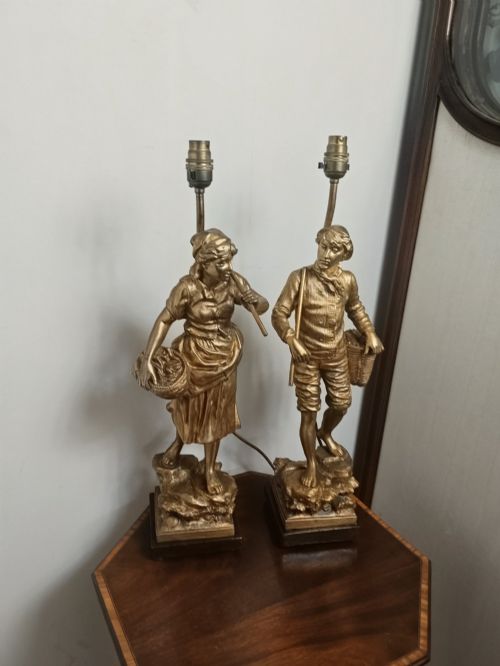
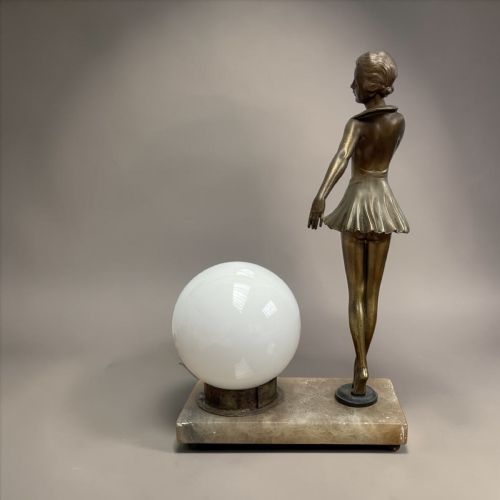
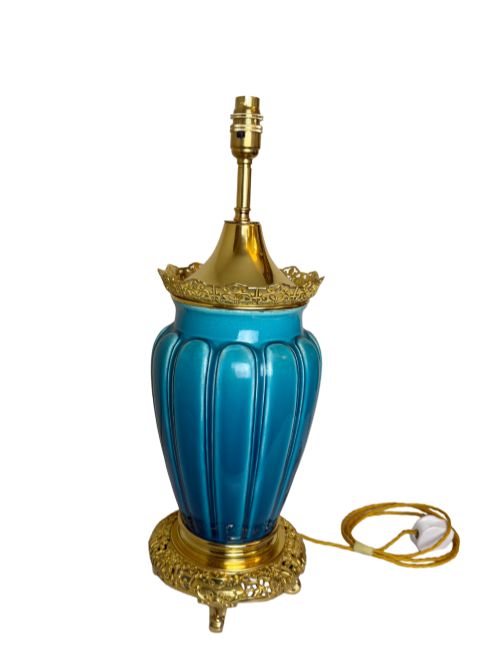
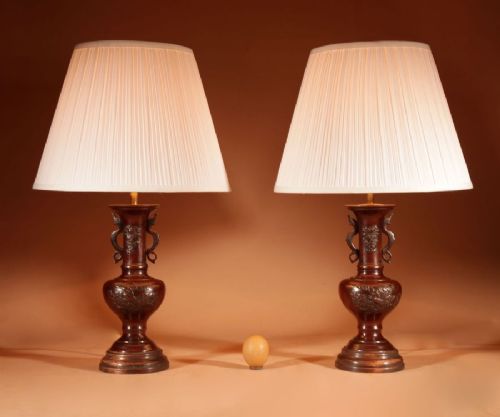
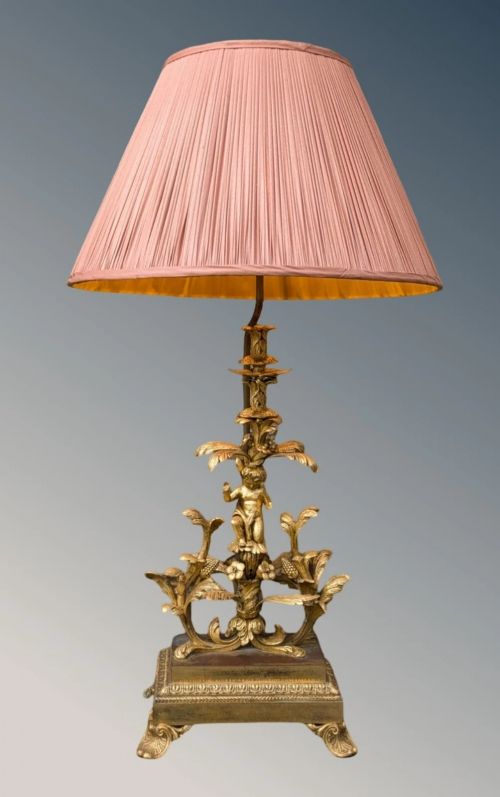
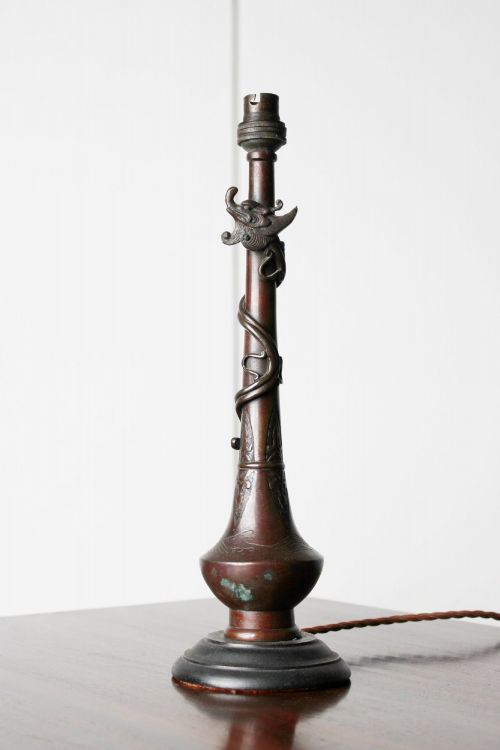
Vintage bronze bedside lamps span the nineteenth century through the art deco era, incorporating French neoclassical, rococo revival, and art nouveau styles. These pieces function primarily as decorative lighting, often taking the form of figural, urn, or column table lamps.
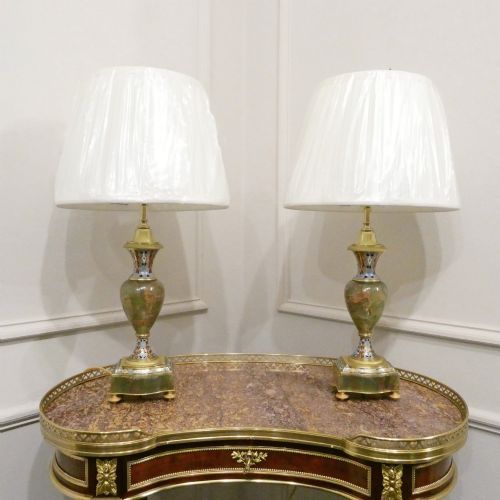
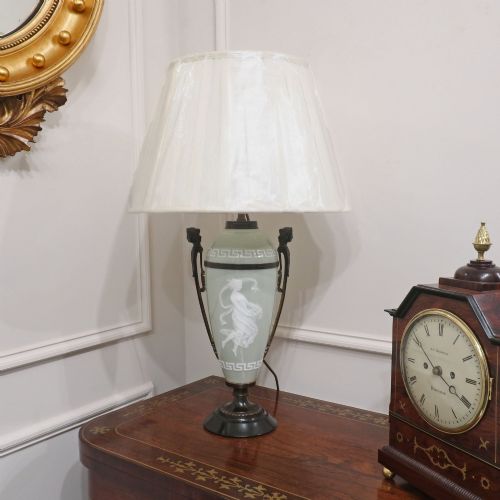
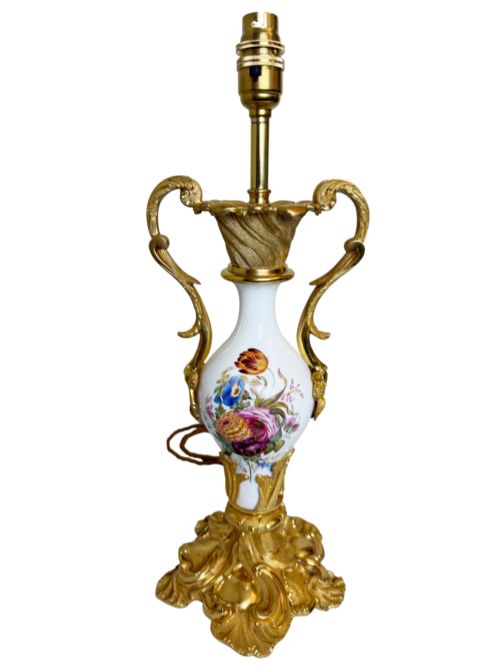
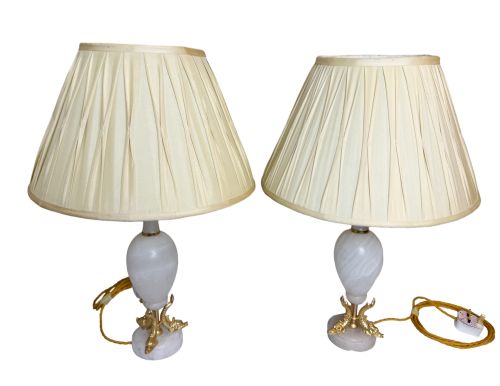
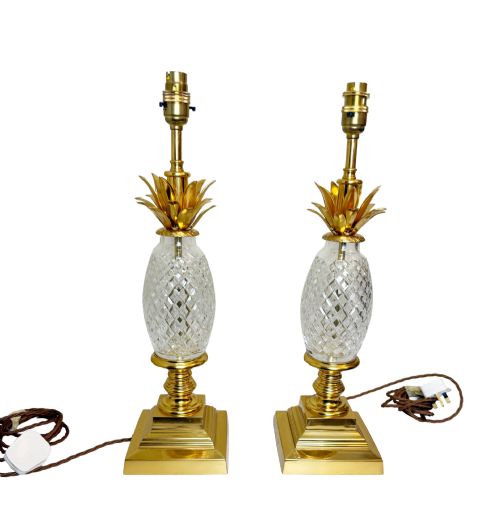
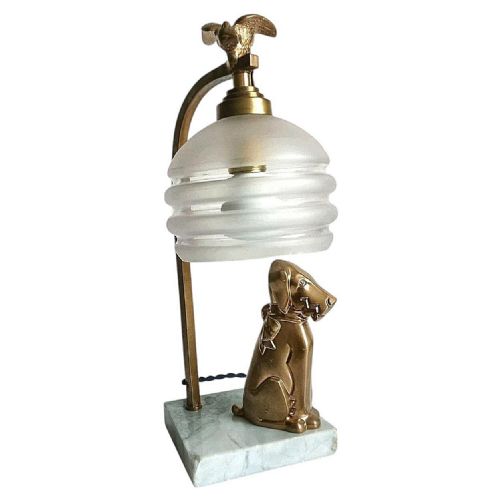
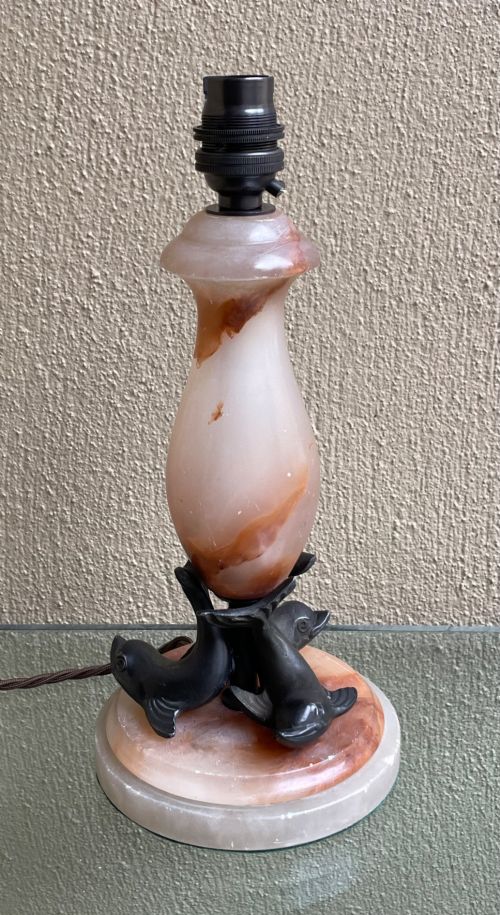
The selections available here frequently pair bronze, gilt bronze, or ormolu with contrasting materials such as marble, onyx, porcelain, and crystal. Buyers encounter both single statement pieces and matched pairs originating predominantly from French workshops and Asian export traditions.
How they were made
Foundry casting formed the primary structural method for these pieces, utilising bronze, brass, or gilt metal shaped into intricate figural or architectural silhouettes. Artisans then chased the cooled metal surfaces by hand to sharpen details before applying patination, gilding, or ormolu finishes.
Many designs integrate stone and ceramic elements, combining turned marble or onyx bases with hand-painted porcelain or champlevé enamel sections. These mixed-media assemblies rely on threaded rods and secure mounting hardware to unite heavy metal components with delicate glass or fabric shades.
Several lamps feature cheerful porcelain parrots and mischievous bronze dolphins keeping watch from the bedside.
What varies in quality
The integration of materials also dictates overall standard, with heavy natural marble bases and genuine fire-gilt ormolu outlasting plated alternatives. Original components, balanced proportions, and substantial weight signal superior construction across nineteenth and early twentieth-century production.
E Rousseau
The Vintage Bronze Bedside Lamps Glossary
- Ormolu
- Finely ground high-carat gold applied to a bronze base using a mercury amalgamation technique. This historic process produces a durable, warm golden finish seen on French decorative pieces.
- Champlevé
- An enamelling technique where troughs are dug into a metal surface, filled with vitreous enamel, and fired. It creates colourful decorative patterns on bronze bodies.
- Cassolette
- A decorative vessel that can function as an incense burner or urn, frequently adapted into lamp bases during the nineteenth century. They often feature reversible lids.
- Spelter
- A zinc alloy used as a cheaper, lighter substitute for bronze, common in art nouveau and art deco lighting. It takes patination well but lacks the weight of true bronze.
- Patina
- The surface sheen and coloration developed through age, handling, and oxidation on metal. Collectors value original patination for confirming the age of a piece.
Vintage Bronze Bedside Lamps: Frequently Asked Questions
Are these lamps wired for modern use?
Most pieces arrive with wiring that reflects various twentieth-century standards and may require updating to meet current electrical regulations.
Buyers should consult a qualified electrician to inspect or rewire vintage fixtures before regular daily use.
How do I date a bronze lamp?
Dating relies on examining the casting style, fastening methods, material combinations, and stylistic markers such as art nouveau curves or neoclassical symmetry.
Comparing the decorative motifs to known nineteenth and early twentieth-century design periods helps narrow the production window.
Can I find matching pairs?
Matched pairs appear frequently among French and Asian export pieces, particularly those utilising marble urns or gilt bronze mounts.
These sets were often produced simultaneously for symmetrical placement on bedside tables or mantelpieces.
How should I clean bronze and ormolu?
Dusting with a soft, dry cloth preserves the fragile historic surfaces and prevents the degradation of original gilding or patination.
Harsh chemical polishes must be avoided because they strip away centuries of accumulated finish and exposed base metal.