




Meiji Dragon Bronze Vase
A meiji dragon bronze vase brings Japanese artistry from the late nineteenth and early twentieth centuries into a room through dynamic metalwork and bold reptilian motifs.
Meiji Dragon Bronze Vase
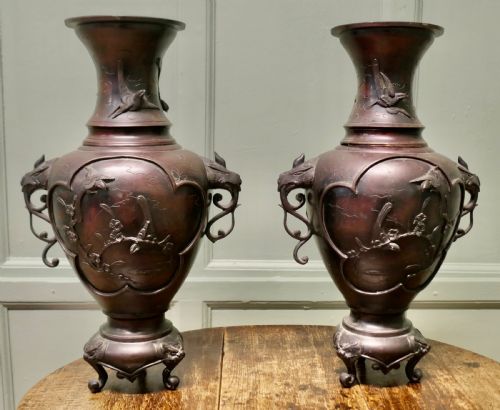
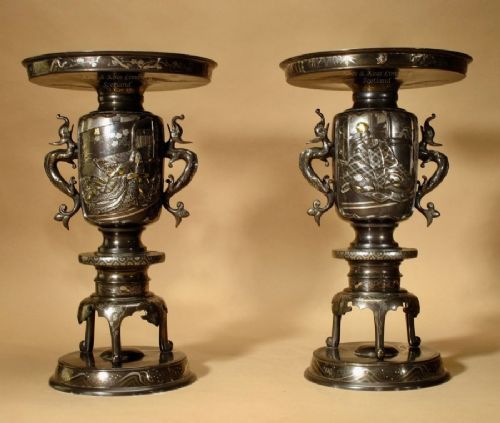
A meiji dragon bronze vase sits firmly in the late nineteenth and early twentieth centuries, drawing upon the distinct aesthetic output of the Japanese Meiji period. Buyers encounter standard display vessels alongside pairs, garniture sets, and pieces later converted into table lamps.
How they were made
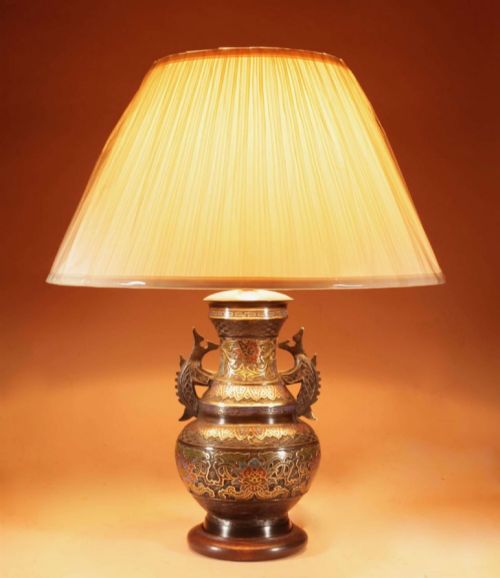
Metalworking techniques combine cast bronze with patinated surfaces, often enhanced through gold inlay or contrasting brass elements. Certain pieces integrate champlevé enamel work, where coloured glass pastes fill recessed compartments in the metal before firing.
Makers utilised wood bases and fabric elements for related display items, while structural integrity relies on traditional bronze casting methods applied to elaborate oriental forms.
What varies in quality
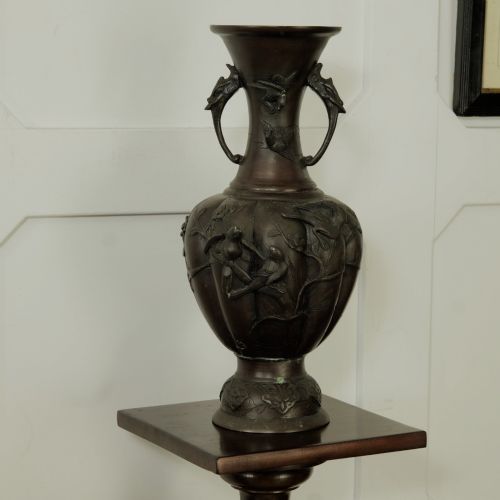
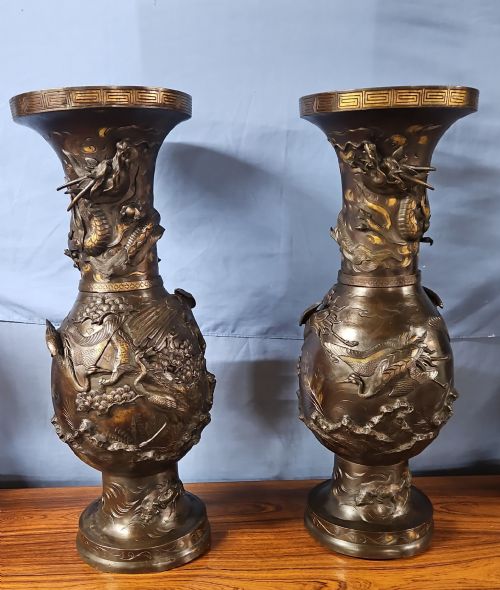
The distinction between standard production and superior craftsmanship rests on the crispness of the chased or cast dragon details and the depth of the bronze patina. Fine examples display sharp, articulated scales and integrated casting that feels balanced rather than clumsy.
Appreciation also depends on the preservation of original surface finishes, whether patinated bronze, gilt highlights, or champlevé enamel sections, which elevate the visual impact of the piece.
The Meiji Dragon Bronze Vase Glossary
- Meiji Period
- The era in Japanese history spanning from 1868 to 1912, noted for opening trade with the West and producing intricate metalwork. This time frame defines the majority of the bronze vases found on this page.
- Champlevé
- An enamelling technique where troughs or cells are sunken into the bronze surface and filled with enamel before firing. It creates colourful geometric or floral patterns alongside the bronze body.
- Patinated Bronze
- Metal treated with chemicals, heat, or natural ageing to produce a specific surface colour and texture. This finish protects the bronze while adding aesthetic depth.
- Gilt Bronze
- Bronze that has been coated with a thin layer of gold or gold leaf. The technique highlights decorative motifs and adds warmth to the dark metal.
- Archaistic
- A stylistic choice where modern makers deliberately emulate the ancient forms and decorative motifs of earlier dynasties. These vases reference ancient Chinese ritual bronzes adapted through Japanese craftsmanship.
Meiji Dragon Bronze Vase: Frequently Asked Questions
How do I spot a Meiji period piece?
Look for the characteristic combination of dark patinated bronze, high-relief dragon motifs, and nineteenth-century manufacturing techniques typical of Japanese workshops from this era.
Examine the underside and surface finish for signs of age, such as natural oxidation and traditional casting methods consistent with the late nineteenth and early twentieth centuries.
Were these vases used outdoors?
While most standard vases were designed for interior display on tables or mantels, larger examples include substantial garden urns, temple vases, and planters intended for external or courtyard settings.
Buyers should check the specific scale and weight of the vessel to determine whether it suits a garden environment or requires indoor placement.
Why are some fitted as lamps?
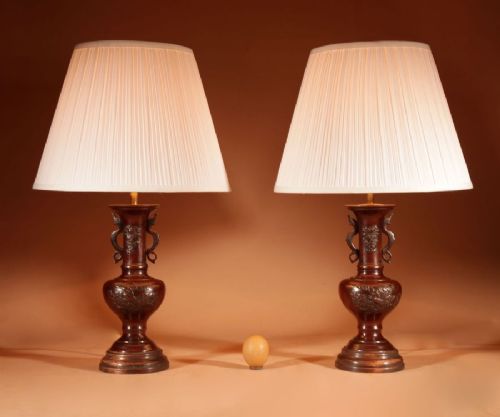
Many bronze vases from this period were converted into table lamps during the twentieth century to suit modern domestic lighting needs while preserving the original Japanese craftsmanship.
These conversions often utilise the original body of the vase alongside fabric shades, combining antique metalwork with functional household illumination.
What is champleve enamel?
Champlevé enamel involves carving or casting recessed channels into the bronze surface, which are then filled with coloured vitreous enamel paste before firing.
This technique introduces vibrant colour and intricate patterns that contrast sharply with the dark metallic body of the vase.