



Antique Asian Bronze Lamp
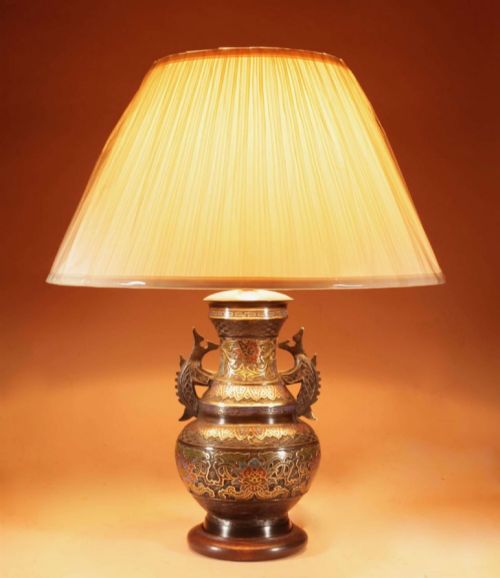
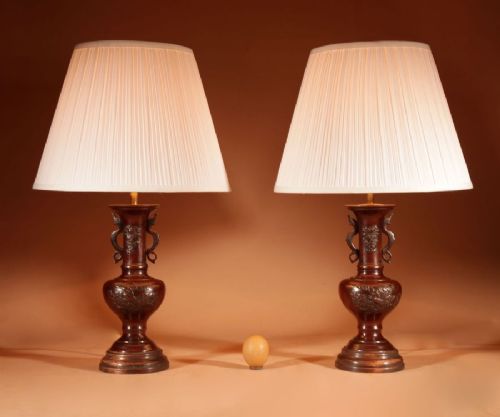
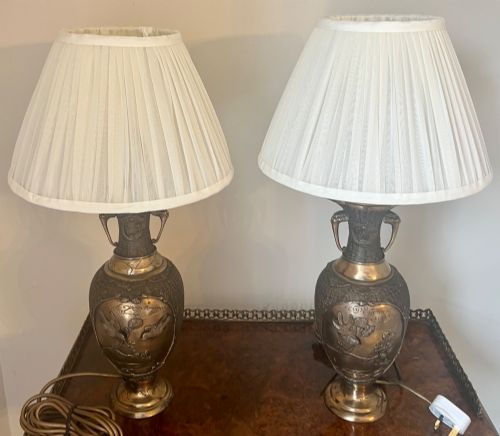
These antique asian bronze lamp examples bring heavy metalwork, patinated surfaces and fine oriental design straight into a room.
Antique Asian Bronze Lamp
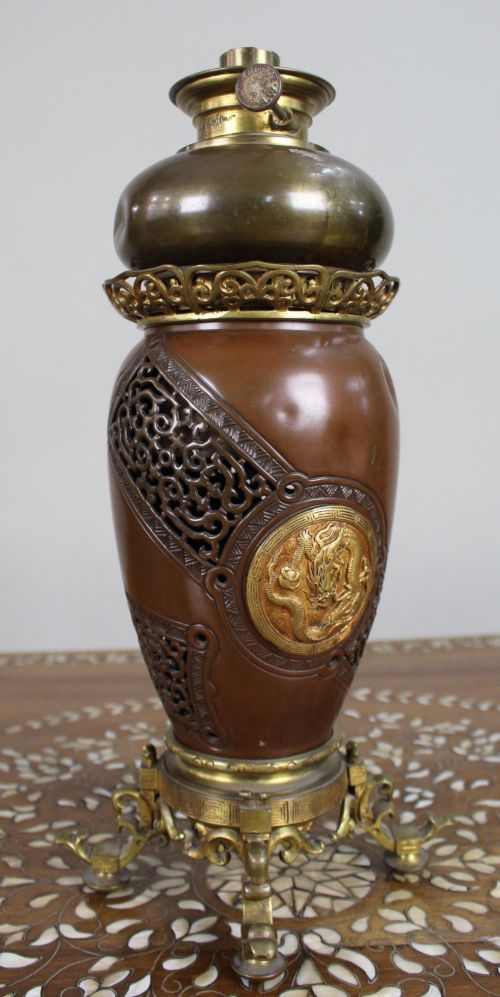
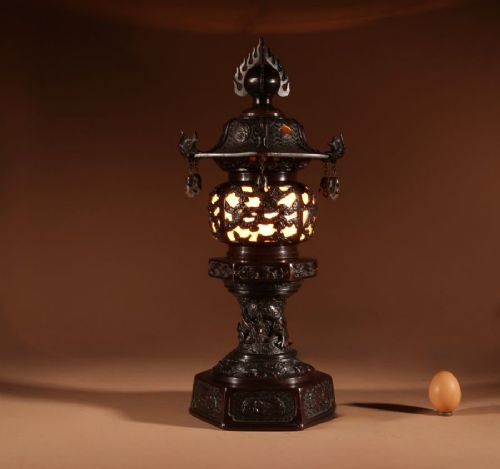
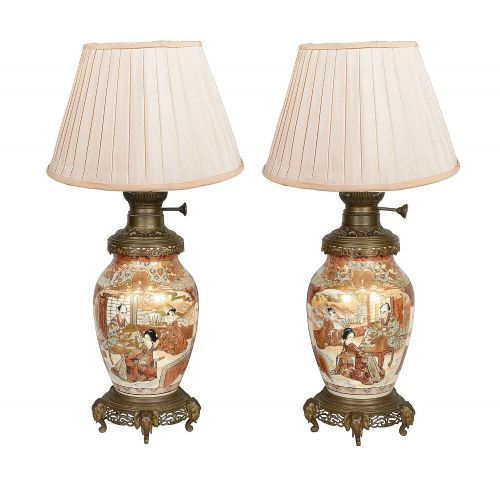
An antique asian bronze lamp combines traditional eastern metalwork, often originating from Japan and China, with practical domestic lighting. You will encounter various forms here, ranging from converted vessels and oil lamps to decorative table lights created during the nineteenth and early twentieth centuries.
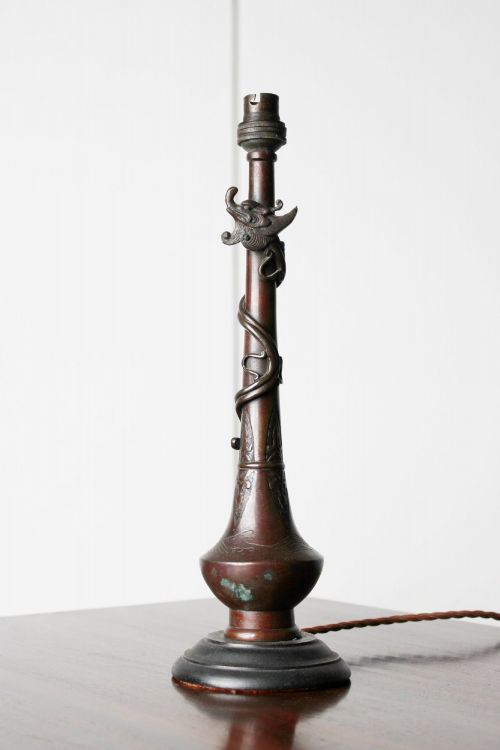
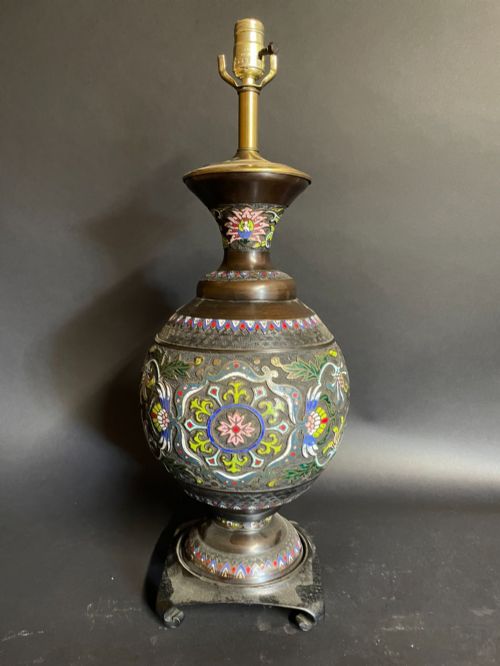
Japanese examples heavily feature Meiji period craftsmanship, including dragon motifs, elephant figures, and intricate lanterns. Chinese contributions bring archaic styles, celadon porcelain, and vibrant champlevé or cloisonné enamel work into the mix.
Many of these items started life as vases, temple vessels, or oil burning fixtures before later conversion into electric table lamps. This adaptation preserves historic craftsmanship while giving the metalwork a fresh purpose in modern interiors.
What varies in quality
The sophistication of the casting and the crispness of chased details separate standard production from superior examples. Finely rendered figures like dragons and elephants display sharp relief work and careful hand-finishing that lesser items lack.
The integration of the conversion matters greatly, particularly how cleanly wiring is routed through historical bronze or ceramic bodies without damaging the original vessel. Enamel work also dictates value, with tightly packed cells and vibrant, unblemished colour representing the higher tier.
Listings feature materials including bronze, brass, enamel, porcelain, wood, fabric, and silk.
The Antique Asian Bronze Lamp Glossary
- Champlevé
- Enamelling technique where troughs or cells are hollowed out of the bronze surface and filled with vitreous paste before firing. This creates flat colour fields flush with the surrounding metal borders.
- Cloisonné
- Method of decorating metalwork objects with coloured glass paste placed inside compartments made of soldered thin wire. The piece is then fired and polished to a smooth finish.
- Meiji Period
- The Japanese era spanning from 1868 to 1912, known for opening trade with the West and producing highly detailed decorative metalwork and ceramics. Pieces from this time often exhibit remarkable naturalistic carving.
- Archaistic
- A decorative style that deliberately imitates ancient forms, motifs, and patination patterns from early Chinese dynasties. It gives later bronze vessels an intentionally ancient appearance.
- Celadon
- A term for pottery denoting both European-developed green glazes and its specific grey-green jade-like appearance. These ceramic bodies are frequently mounted as lamp bases.
Antique Asian Bronze Lamp: Frequently Asked Questions
Are these lamps originally wired for electricity?
Most of these pieces started as oil lamps, vases, or temple vessels before being converted for modern electrical use at a later date.
This means the core bronze or ceramic body holds significant age, while the internal wiring and fittings reflect subsequent adaptation.
How do I clean a bronze lamp?
Dust the surface gently with a soft, dry cloth to protect the historic patina and any delicate enamel work.
Avoid using harsh metal polishes, as these can strip away centuries of oxidation and damage the coloured details.
What periods do these lamps date from?
The selection primarily spans the nineteenth century through to the early twentieth century, including the Victorian and Edwardian eras.
Japanese Meiji period production and Chinese Qing dynasty styles form the core visual foundations of these items.
Can I use standard lamp shades?
Many of these pieces accept standard fittings, though the proportion requires careful matching to the heavy bronze base.
Silk and fabric shades are common accompaniments that complement the traditional oriental aesthetic without overwhelming the metalwork.