

Vintage Bronze Art
Vintage bronze art brings sculptural power into a room through figures, animals and lighting shaped in the early decades of the twentieth century.
Vintage Bronze Art
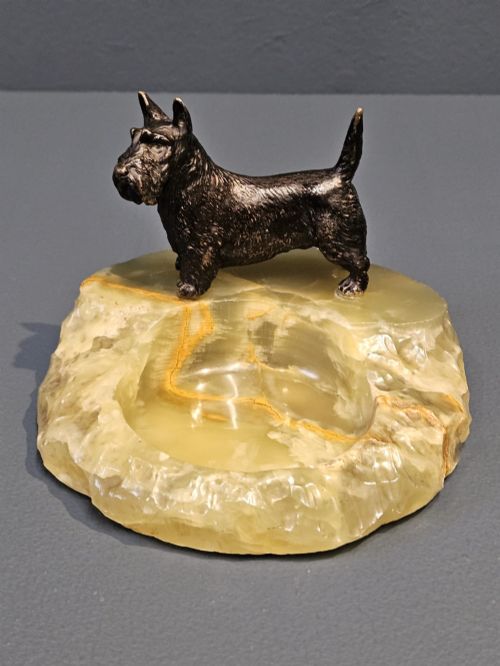
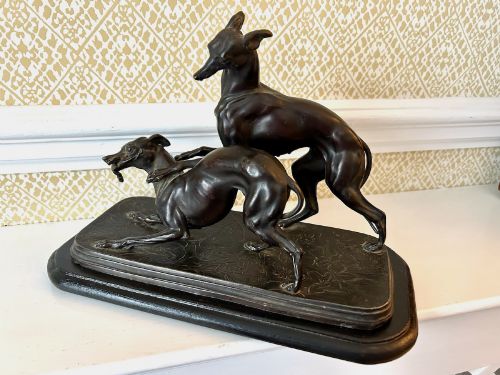
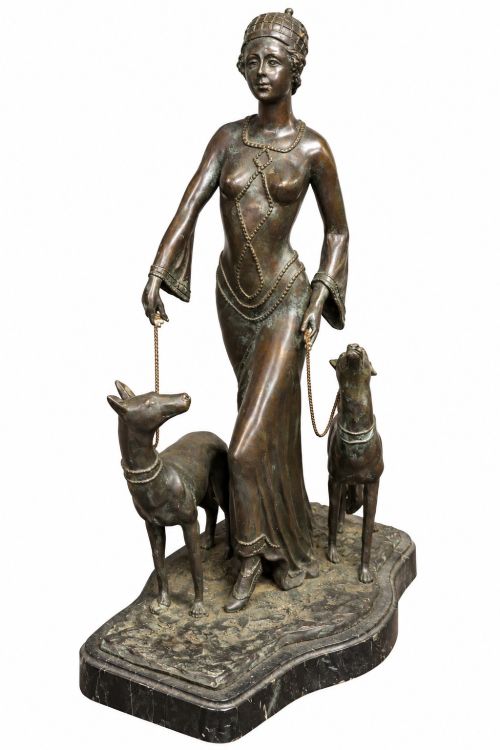
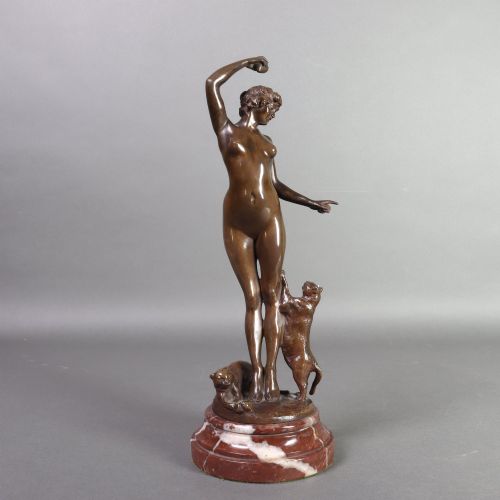
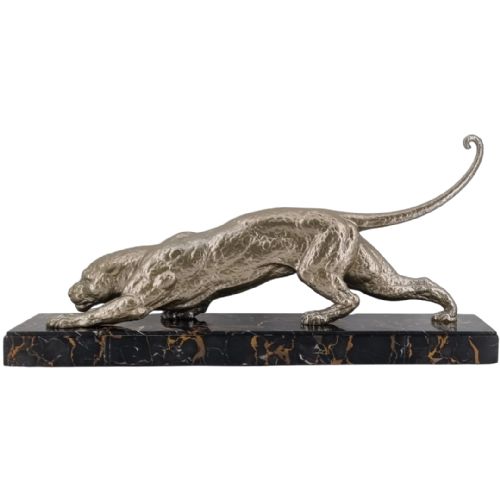
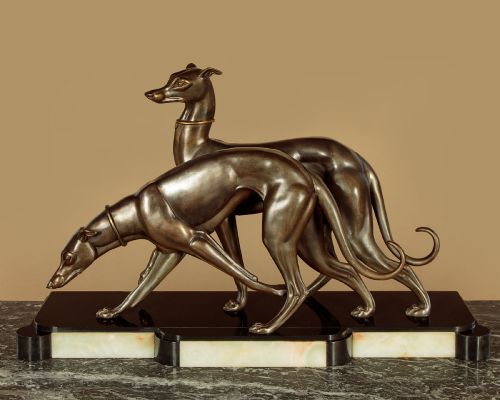
These pieces encompass figural sculptures, animal studies, lighting fixtures and decorative objects originating principally from the Art Deco and Art Nouveau periods. A buyer browsing this selection encounters dynamic dancers, athletic animals like panthers and hounds, and functional items paired with marble bases.
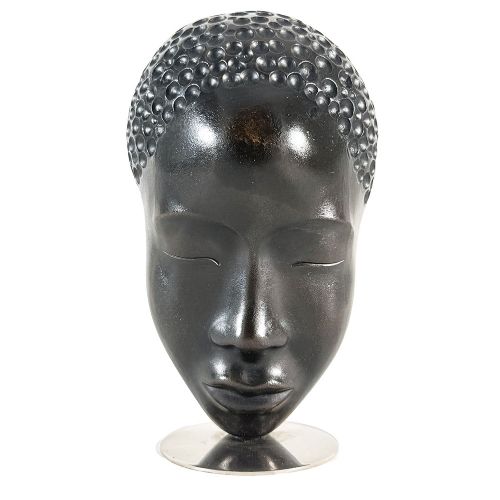
The objects span from the late nineteenth century through the 1940s, capturing the aesthetic shifts of the Edwardian era and the French School. Figures of women, sleek animalier subjects and architectural metalwork dominate the forms available.
Materials and Construction
Makers utilised cast bronze, patinated metal and spelter, frequently mounting heavy figures upon contrasting black or variegated marble bases. Metal surfaces received patination, silvering or cold-painted finishes to accentuate detail.
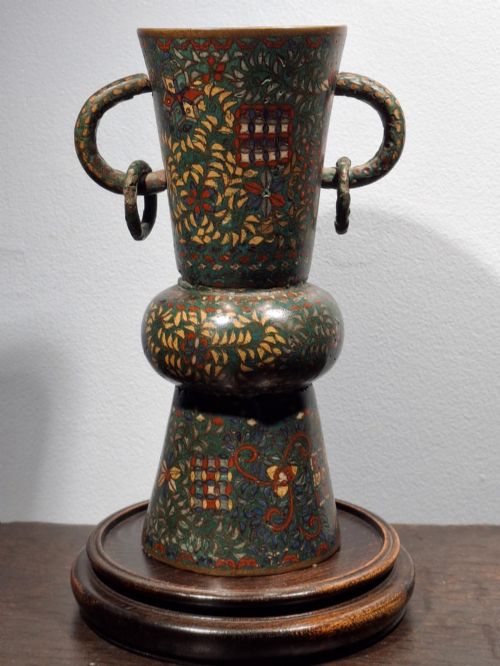
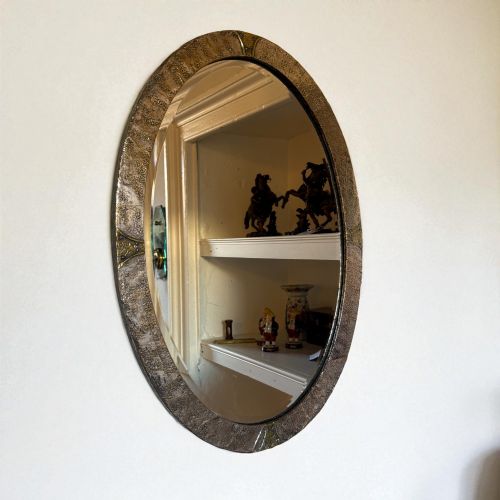
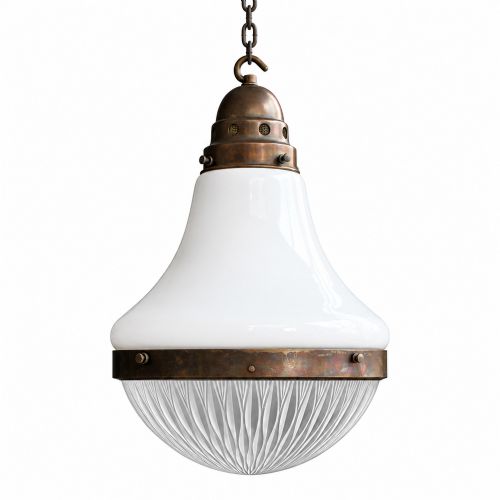
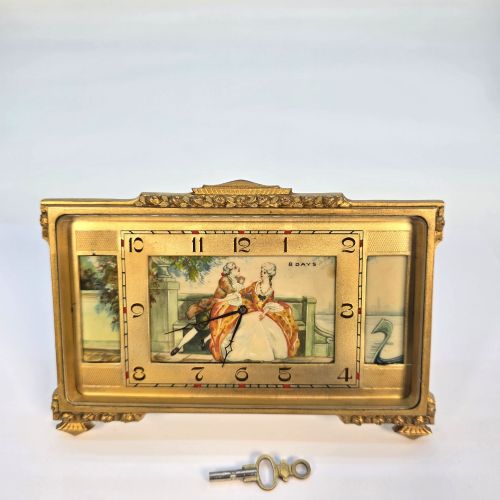
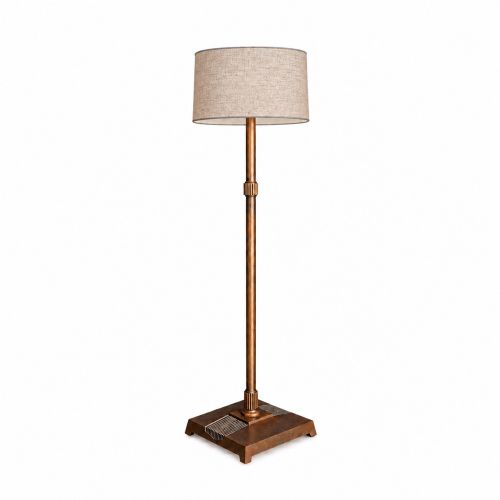
Lighting and decorative items integrate brass, copper, glass and onyx alongside the primary metal elements. Hammered textures, cloisonne enamel and cast iron appear in specialist pieces ranging from lamps to door screens.
Listings feature items spanning the Art Nouveau, Arts & Crafts, and Art Deco styles across the early twentieth century.
Evaluating Quality
The integration of secondary materials such as carved marble bases or glass shades determines the overall coherence of an object. Stronger pieces maintain original patinas and secure mounting without excessive wear or crude repair.
Georges Gori·Gustave Dussart·Lavroff·D. H. Chiparus·Notari·Hagenauer·Maurice Giraud-Riviere·Pierre Collinet·Bruno Zach·Josef Lorenzl·Raymond Subes·Frederique Cederlund-Ozanne
The Vintage Bronze Art Glossary
- Spelter
- A zinc alloy commonly utilised as a less costly alternative to bronze for figural sculptures. It takes patination well but proves softer and more brittle than genuine bronze.
- Patination
- The surface coloration or sheen developed naturally over time or applied chemically by the maker. This treatment highlights the contours and textures of metal sculptures.
- Plafonnier
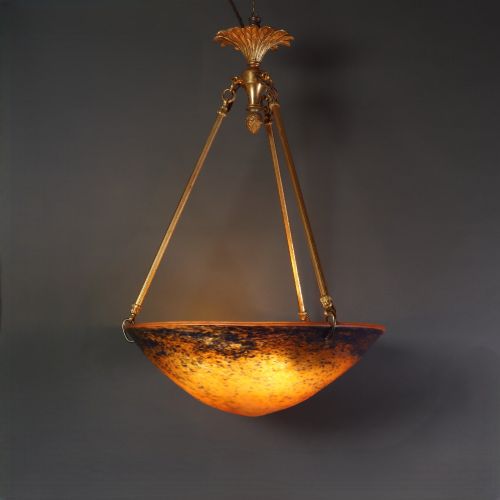
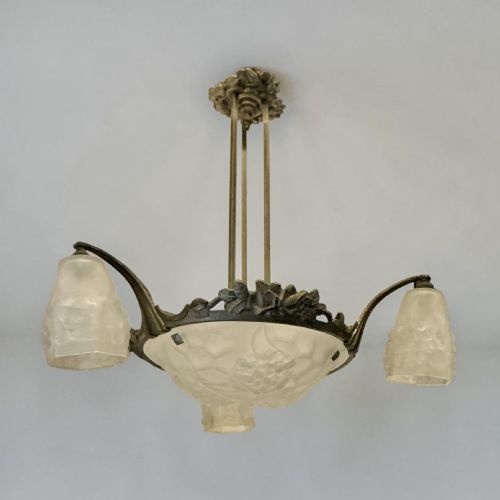
- A bowl-shaped ceiling light fixture mounted flush or close to the ceiling. These fixtures often combine moulded glass with bronze or metal mounts.
- Animalier
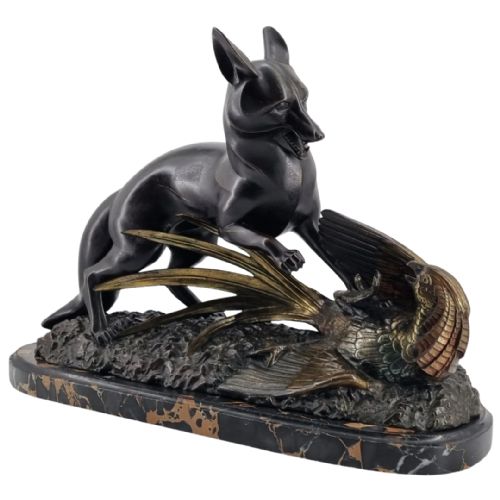
- A nineteenth and early twentieth century artistic focus on the realistic portrayal of animals. Sculptors in this genre specialised in dogs, big cats and birds in motion.
- Cold-painted
- A method where enamel or paint is applied to cold metal without subsequent firing. This technique appears frequently on small decorative bird and figure studies.
Vintage Bronze Art: Frequently Asked Questions
How do I distinguish bronze from spelter?
Bronze is heavier, colder to the touch, and yields a resonant sound when lightly tapped compared to softer zinc-based alloys. Examining the underside often reveals the darker, denser grain characteristic of genuine cast bronze.
Spelter tends to show pitting or white powdery oxidation where the surface coating has worn away. Magnetic tests can help, though many genuine pieces incorporate iron internal armatures.
Are marble bases original to the sculptures?
Most Art Deco figural bronzes were issued by workshops already mounted on tiered or geometric marble plinths. These stone bases provide necessary weight and stability for cantilevered dancer figures and leaping animals.
Replacements do occur if an original base suffered a fracture. Inspect the fixing bolts underneath to see if the fasteners match the period of the cast.
What defines the Art Deco style in these pieces?
Art Deco work relies on streamlined geometry, stylised symmetry and depictions of speed and modern movement. Figures often feature elongated limbs, athletic poses and sleek metallic finishes.
This aesthetic moved away from the organic floral curves of earlier movements toward sharp angles and industrial motifs. Materials like contrasting marble and silvered bronze served this modern look.