
Vintage Bronze Animal Statue
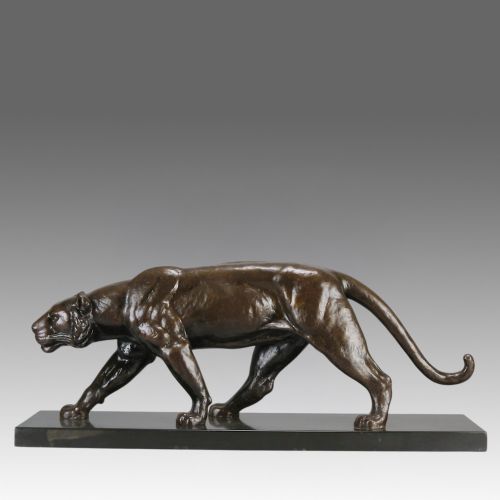
A vintage bronze animal statue brings muscular energy and precision to a desk, capturing creatures from prowling panthers to watchful birds.
Vintage Bronze Animal Statue
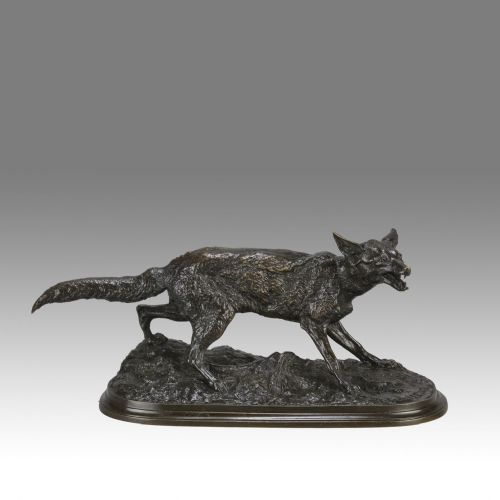
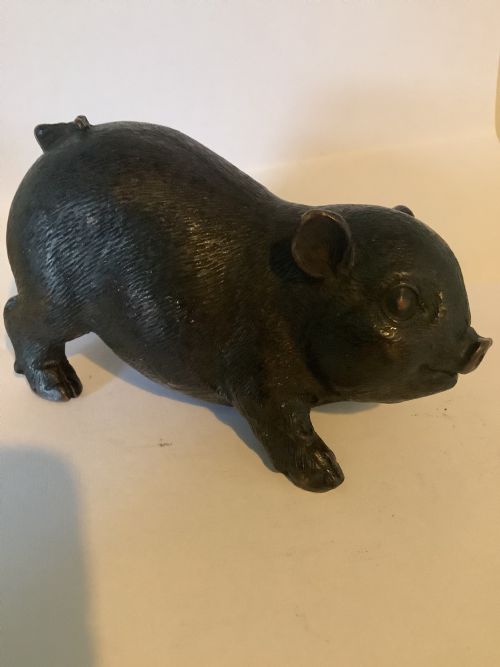
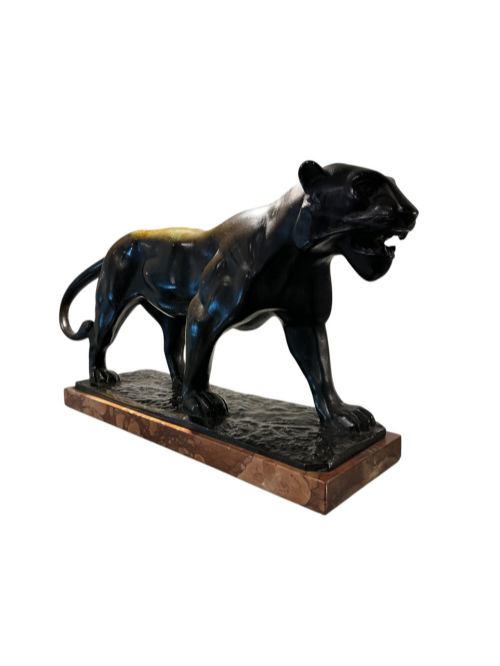
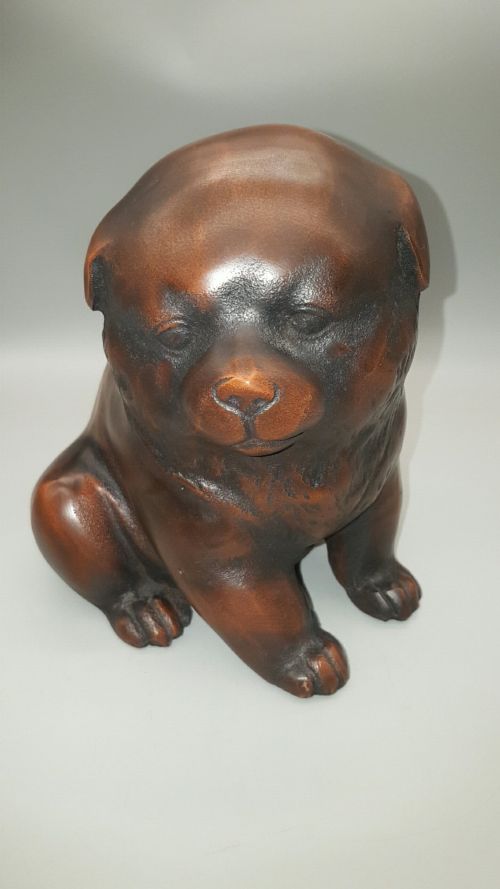
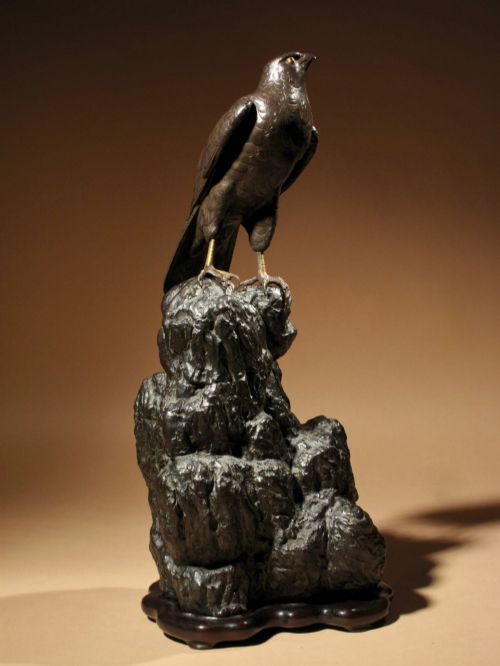
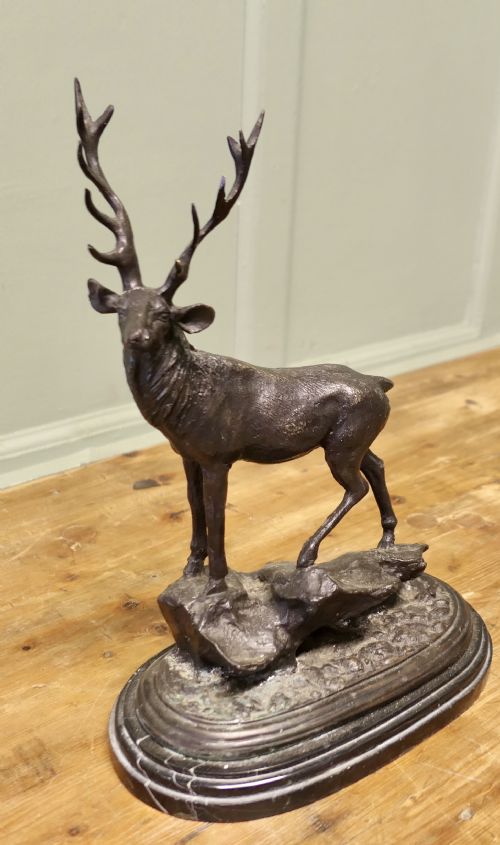
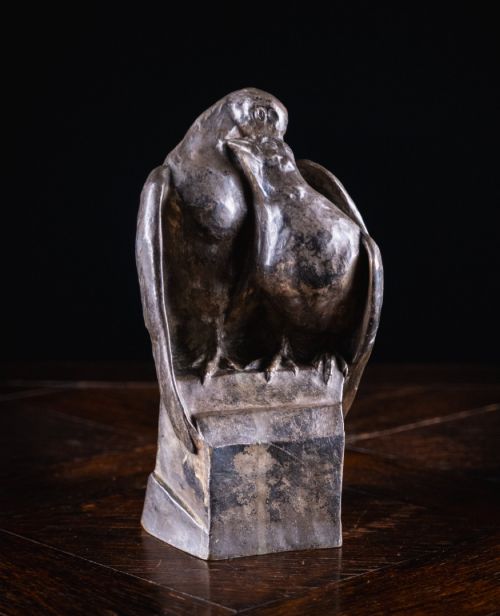
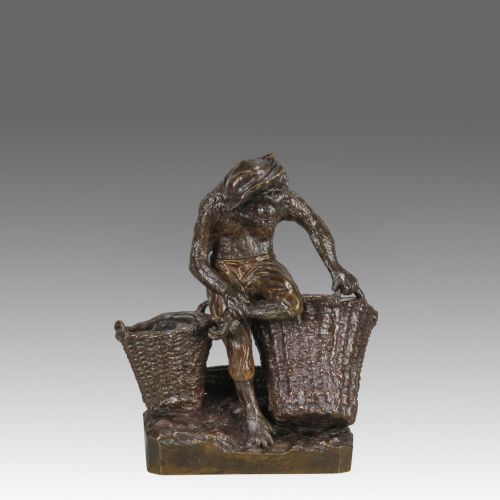
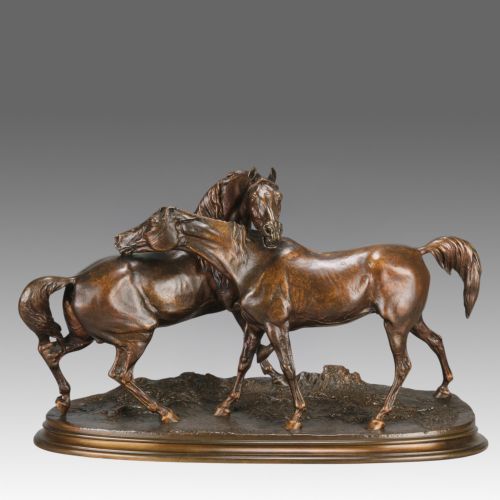
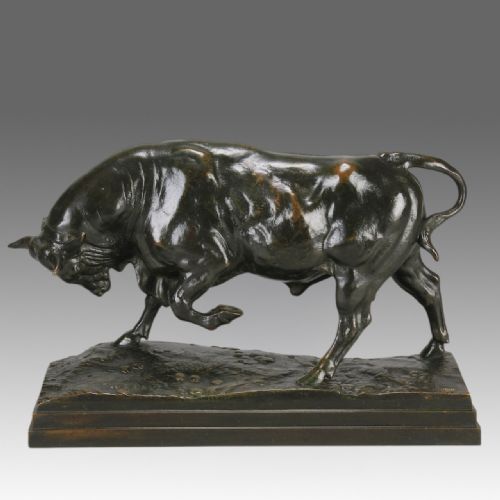
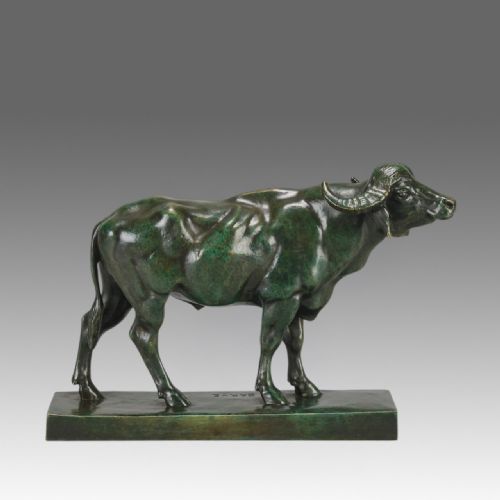
A vintage bronze animal statue represents a diverse tradition of sculptural metalwork, spanning nineteenth-century French Animalier studies and twentieth-century Art Deco interpretations. These pieces take the form of domestic dogs, powerful big cats, birds, and livestock, modelled with close attention to natural anatomy.
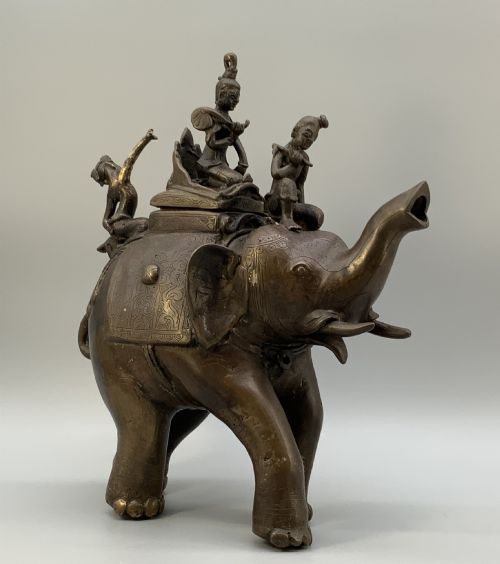
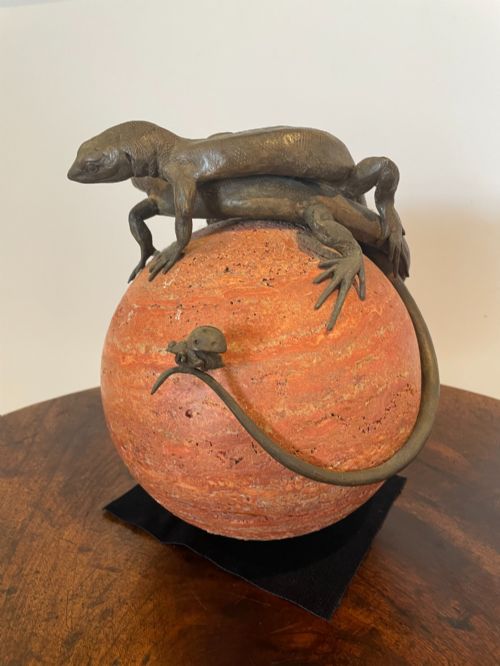
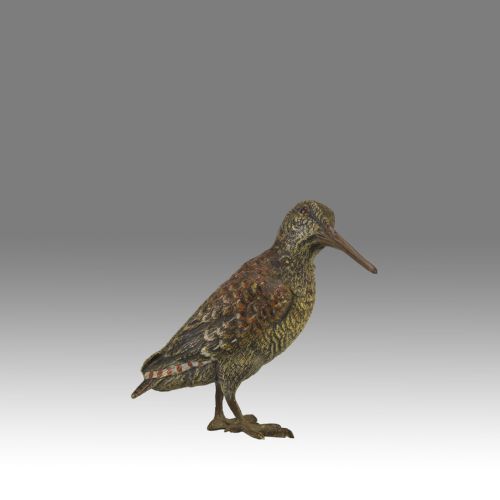
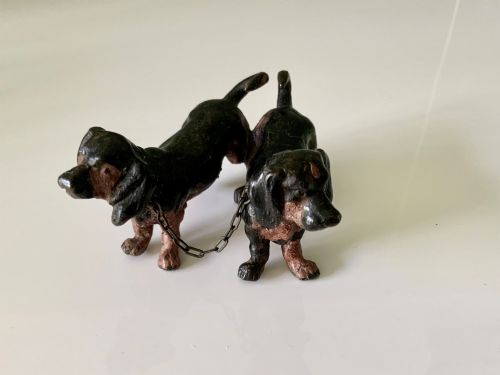
The objects appearing here range from small cold-painted Austrian cabinet figures to large nineteenth-century Indian and Japanese castings. Many combine metal figures with heavy stone plinths such as marble or onyx, grounding the dynamic postures of the subjects.
Materials and casting methods
The majority of these sculptures utilise traditional bronze casting, finished with patination to create deep brown, black, or metallic surface tones. Certain Austrian works employ cold-painting, applying vibrant naturalistic colours over the metal surface after casting.
Alternative metals like spelter appear alongside patinated bronze, while supportive bases frequently incorporate contrasting materials including marble, onyx, and wood to anchor the composition.
Listings feature works spanning from the seventeenth century through to mid-twentieth-century Art Deco designs, utilising bronze, spelter, marble, and onyx.
Distinctions in execution
Quality rests upon the crispness of the chase work and the fidelity of the anatomical modelling, where superior sculptors capture tension in muscle and posture. The depth and subtlety of the patination further separate standard commercial castings from exceptional foundry work.
The integration between the figure and its base matters considerably, with finer pieces fitted seamlessly to polished marble or onyx plinths that complement the overall weight and balance of the subject.
P J Mêne·Franz Bergman·Christophe Fratin·Alexandre Ouline·Antoine Louis Barye·Prosper Lecourtier·Victor Peter·Sakai Kōzan
The Vintage Bronze Animal Statue Glossary
- Animalier
- A nineteenth-century artistic movement dedicated to the realistic portrayal of animals, particularly predators and domestic beasts. Practitioners studied subjects closely at menageries to achieve accurate movement.
- Cold-painted bronze
- A technique where polychrome paint is applied to a bronze casting without heat firing. This method was widely used in Vienna for small, colourful bird and dog figures.
- Patina
- The surface coloration and sheen developed naturally through age or applied chemically by the foundry. It accentuates the texture and contours of the metal sculpture.
- Spelter
- An alloy of zinc and lead often used as a cheaper alternative to bronze. It frequently appears in twentieth-century decorative figures finished with a bronze-look coating.
Vintage Bronze Animal Statue: Frequently Asked Questions
How do I identify an Animalier bronze?
Animalier sculptures focus heavily on realistic anatomy, often depicting wild animals in motion or combat. Look for energetic postures and detailed musculature typical of nineteenth-century French foundry work.
Signatures or foundry marks frequently appear directly on the bronze base or integral plinth. These inscriptions help connect the piece to known sculptors of the period.
What is cold-painted bronze?
Cold-painted bronze refers to metal figures decorated with layers of oil or enamel paint applied after the casting process. This technique allowed makers to achieve lifelike plumage and fur.
Because the paint sits on the metal surface rather than being fired on, these pieces require careful handling to preserve their original colouration.
Why are some figures mounted on marble?
Marble and onyx bases provide essential physical stability for heavy metal sculptures, particularly those with outstretched limbs or dynamic poses. They also create a clean architectural boundary for the artwork.
In Art Deco pieces, geometric stone plinths are integral to the aesthetic, often contrasting sharply with dark patinated metal.
How should I clean a bronze statue?
Dust bronze sculptures gently with a soft, dry brush to prevent accumulation in crevices and around textured surfaces. Avoid abrasive cloths or chemical cleaners that might strip the original patina.
Applying a very light coat of microcrystalline wax occasionally helps protect the metal surface from atmospheric moisture without altering the finish.