
Vintage Bronze Animal Sculpture
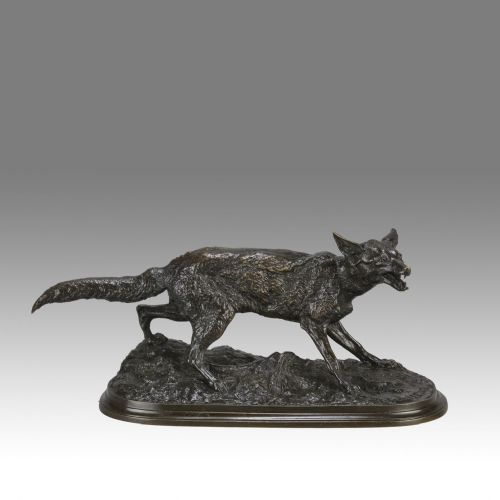
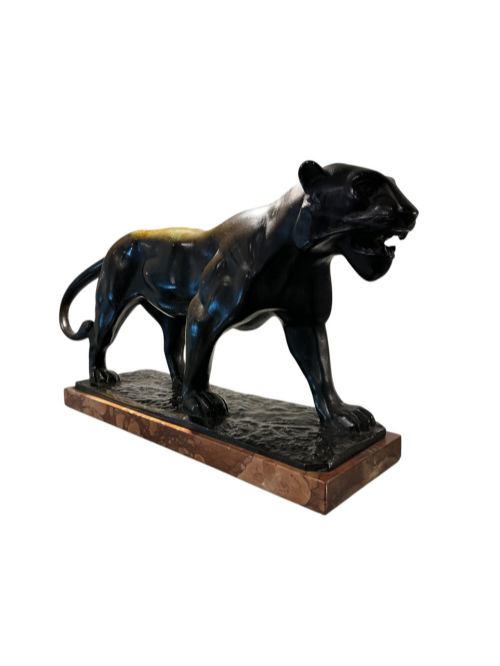
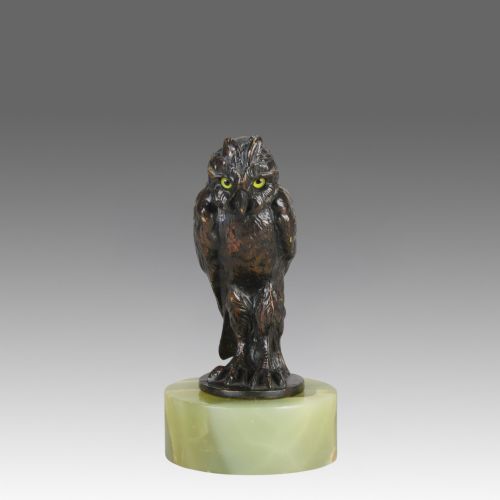
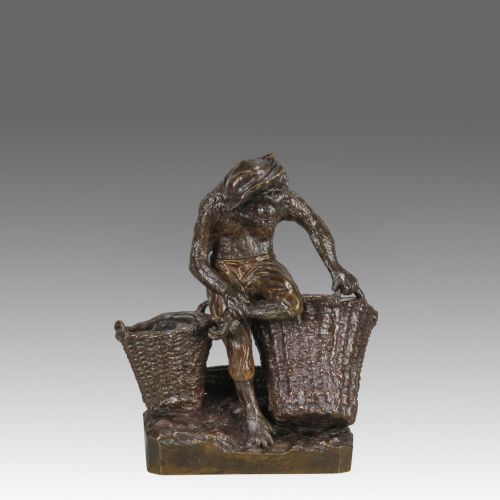
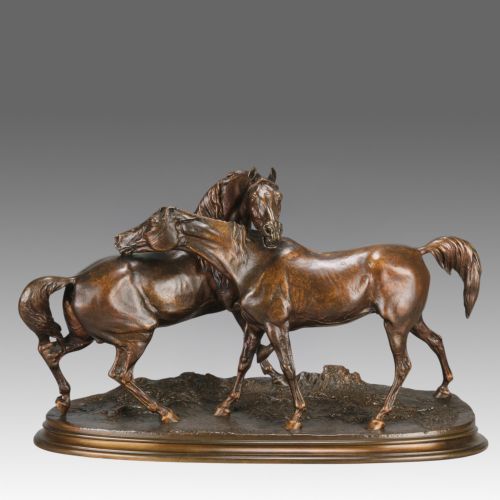
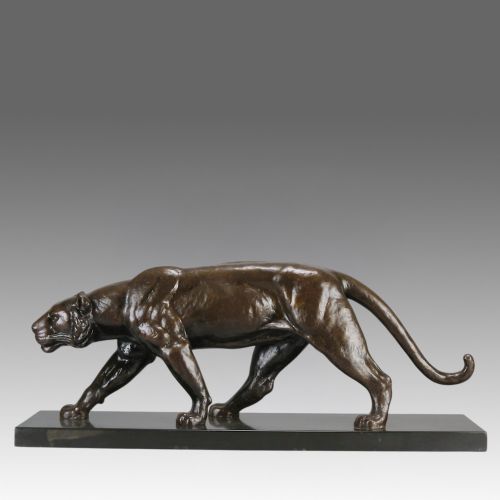
A vintage bronze animal sculpture captures the vitality of wildlife through enduring metal, ranging from tiny Austrian miniatures to French predatory cats.
Vintage Bronze Animal Sculpture
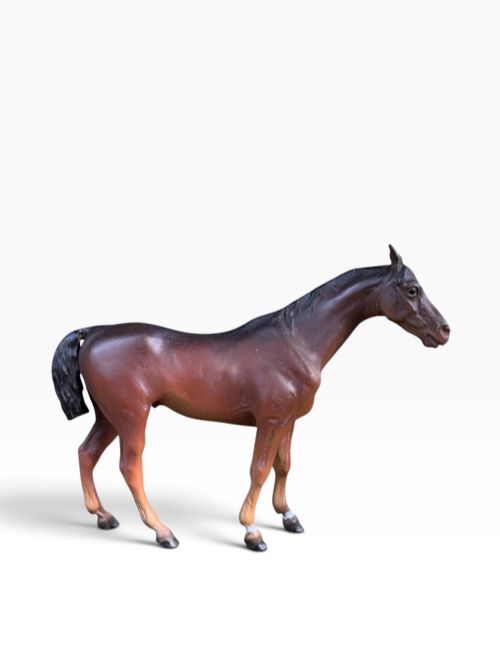
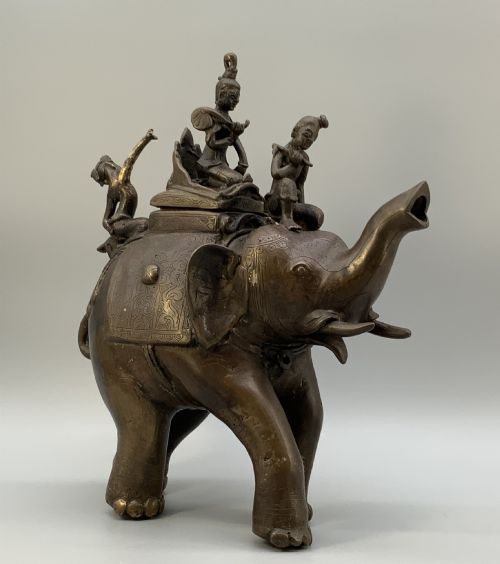
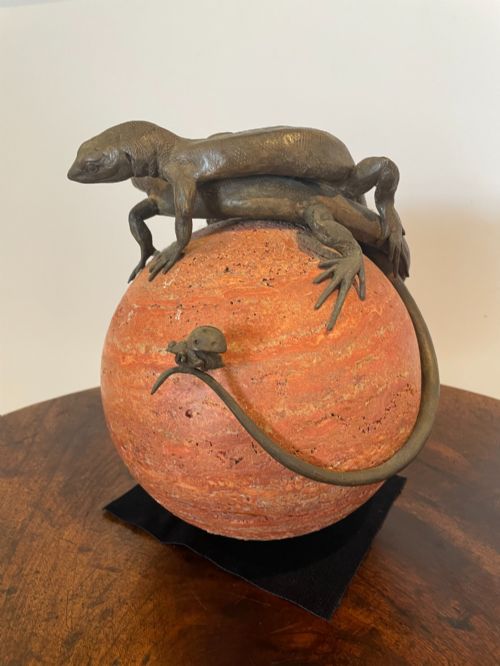
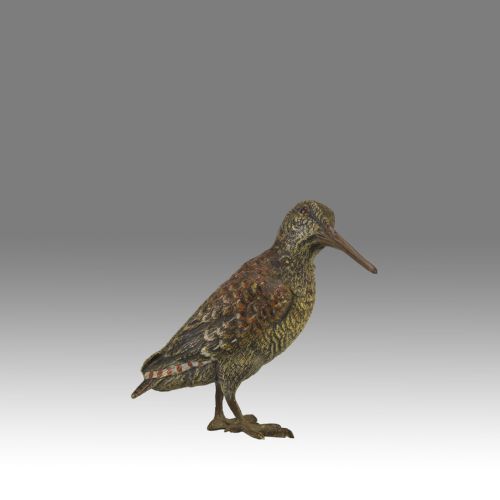
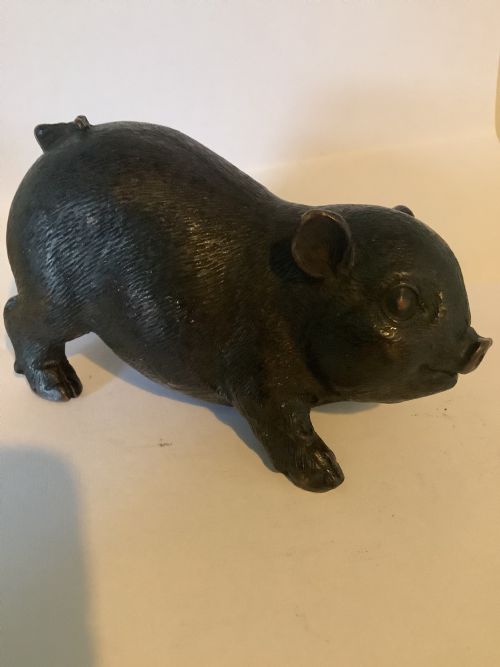
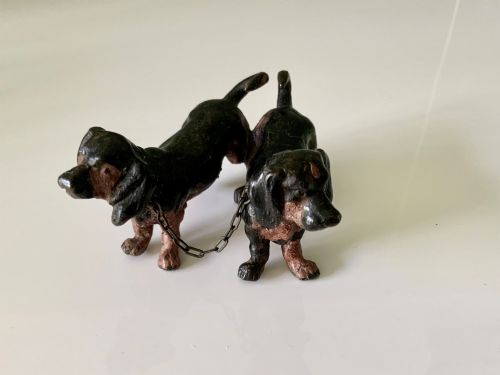
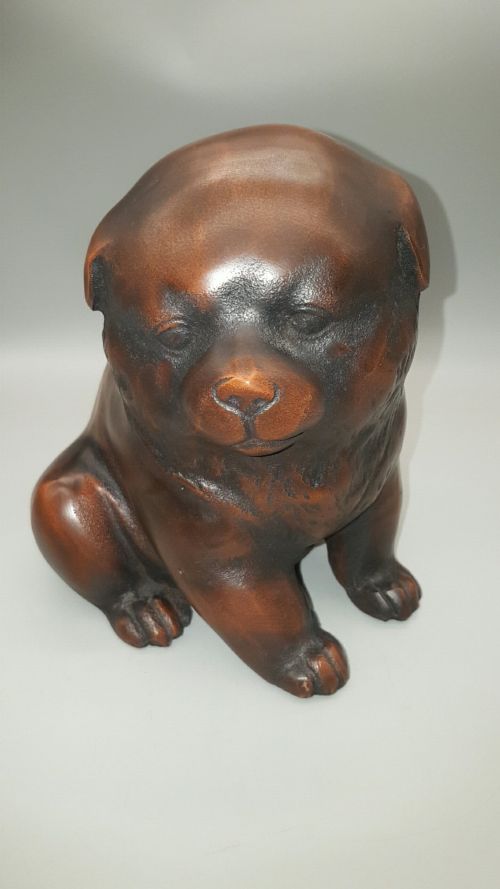
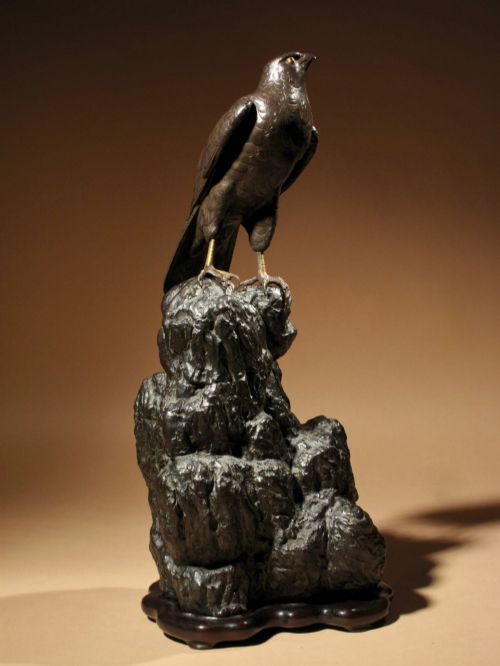
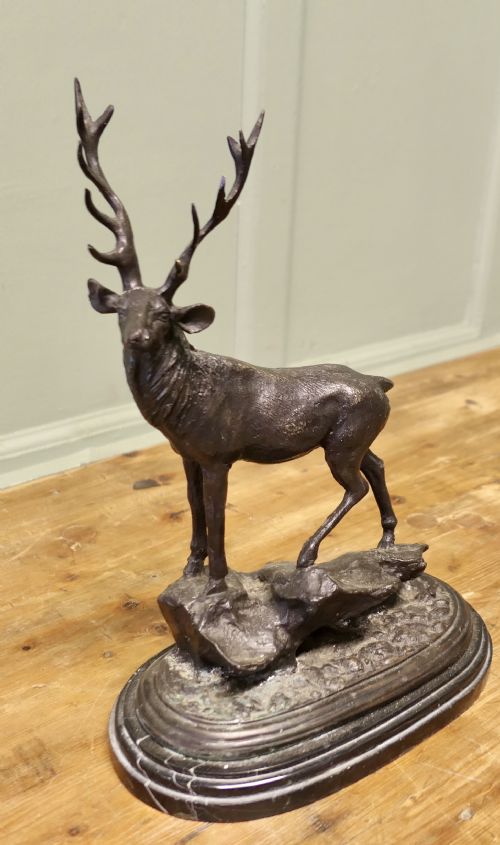
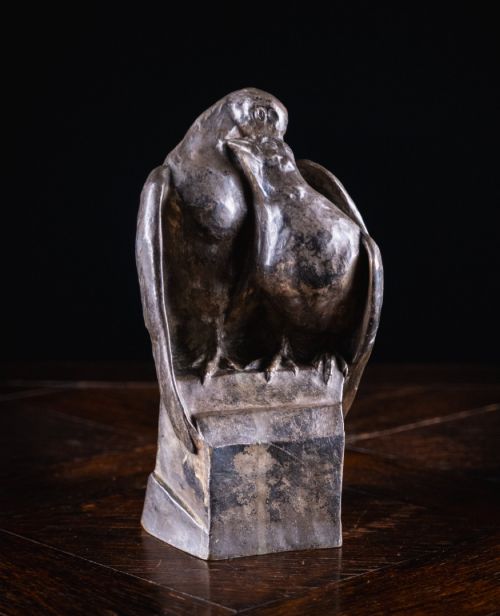
A vintage bronze animal sculpture encompasses diverse subjects such as elephants, panthers, dogs, and birds cast across the nineteenth and twentieth centuries. These pieces appear as standalone figures, functional bookends, desk accessories, and paperweights.
The selections span distinct cultural movements including French Animalier, Viennese cold-painted miniatures, Art Deco stylisation, and Meiji period Japanese foundry work. Buyers meet both realistic animal studies and stylised interpretations mounted on bases of marble, onyx, or wood.
Materials and technique
Foundries utilised the lost-wax casting method or sand casting to shape molten bronze into intricate animal forms. Many pieces receive surface cold-painting applied over metallic patination, notably seen in Austrian works.
Sculptures are frequently mounted upon plinths or bases composed of contrasting materials like green onyx, white marble, or polished wood. Certain items incorporate supplementary components such as engraved details, nickel finishes, or painted accents.
Cold-painted ducks and mice populated turn-of-the-century desks, bringing miniature wildlife into formal Victorian studies.
The markers of execution
Excellence in a casting rests upon the crispness of anatomical detail, musculature, and surface texture preserved from the original model. Superior pieces display sensitive chasing and finishing work performed after the metal cools.
The integrity of applied polychrome paint or patination significantly influences character, where retained original colour distinguishes master foundry output from later revisions. Base materials like veined marble and onyx also contribute to overall material weight and presence.
P J Mêne·Franz Bergman·Christophe Fratin·Antoine Louis Barye·Alexandre Ouline·Prosper Lecourtier·Franz Gruber·Victor Peter
The Vintage Bronze Animal Sculpture Glossary
- Animalier
- A nineteenth-century artistic movement focused on the realistic representation of animals. Practitioners studied anatomy closely, often portraying predators and prey in dynamic motion.
- Cold-painted bronze
- A technique where bronze figures receive polychrome paint applications without subsequent firing in a kiln. This method dominated Viennese workshops producing small bird and mammal figures.
- Meiji Period
- The era in Japanese history spanning from 1868 to 1912 characterised by sophisticated metalwork and foundry techniques. Bronzes from this time display remarkable naturalism and fine surface engraving.
- Patination
- The chemical or natural coloration of the metal surface resulting from age or deliberate treatment. It adds depth and tone to the bronze sculpture.
- Spelter
- An alloy of zinc and copper frequently utilised as an economical alternative to bronze. It possesses a lighter weight and takes patination differently than true bronze.
Vintage Bronze Animal Sculpture: Frequently Asked Questions
How do I clean bronze sculptures?
Dust surfaces gently with a soft, dry brush to prevent accumulation in recessed crevices. Avoid liquid cleaners or abrasive cloths that can strip historical patination.
Maintain a stable indoor environment away from excessive moisture to protect the metal and any underlying stone or wooden bases.
What is cold-painted bronze?
Cold-painted bronze refers to metal figures decorated with layers of oil-based paint applied after casting, rather than fired into the metal. This technique allows for vibrant coloration on small decorative subjects.
Collectors look for pieces retaining their original pigment, noting that minor flaking often accompanies genuine age.
Are these pieces signed?
Many sculptures feature foundry stamps, artist monograms, or incised signatures cast directly into the bronze or inscribed near the base. Signatures frequently appear alongside period stamps or foundry marks.
Unsigned works remain common, particularly among smaller desk items and anonymous Austrian miniatures from the early twentieth century.
How were bookends used?
Animal bookends served a dual purpose in nineteenth and twentieth-century libraries, supporting rows of volumes while functioning as decorative desk art. Heavy metals like bronze provided the necessary weight to keep books upright.
They were typically displayed in pairs on mahogany shelves or executive writing desks.