


Vintage British Fine Art
Vintage british fine art gathers painted portraits, landscapes and watercolours spanning the nineteenth century through the mid-century modern era.
Vintage British Fine Art
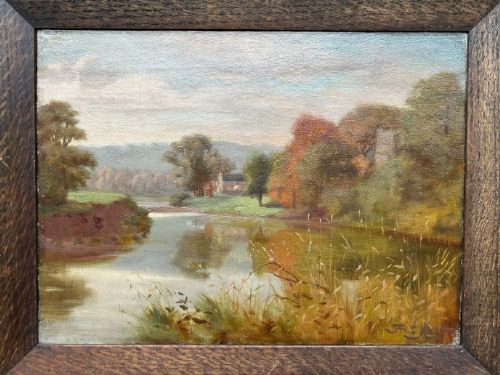
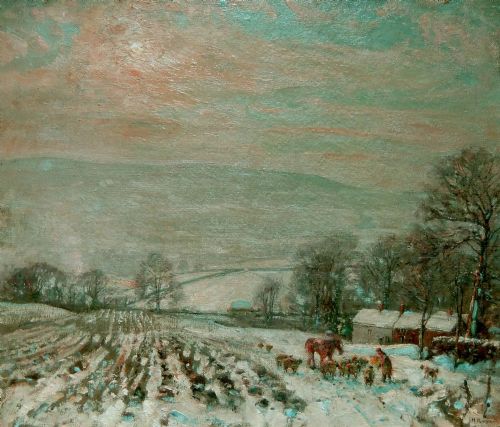
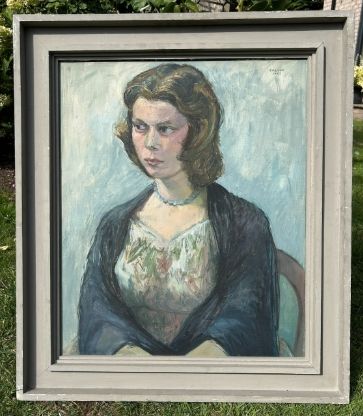
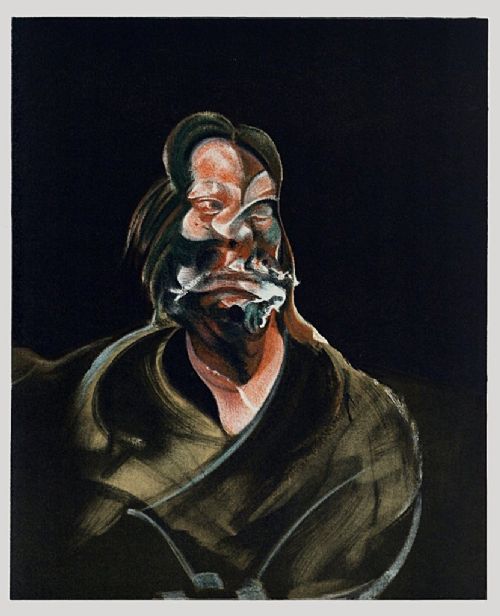
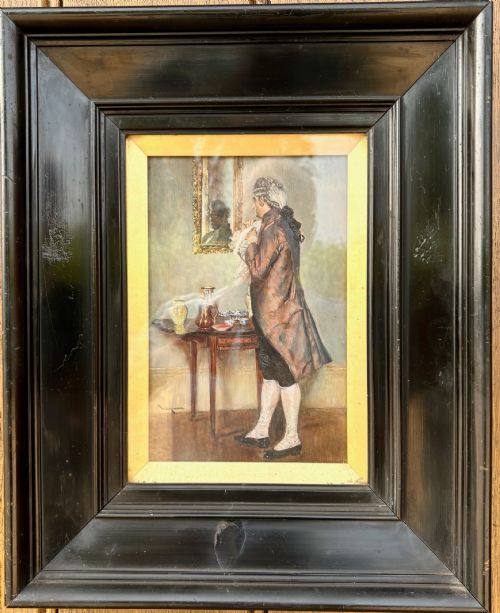
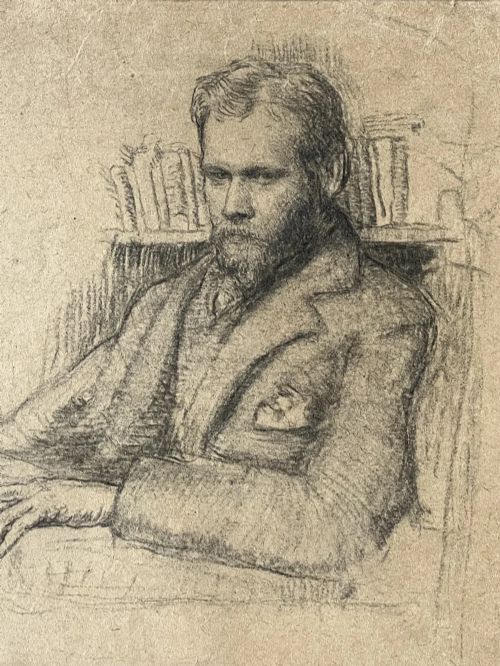
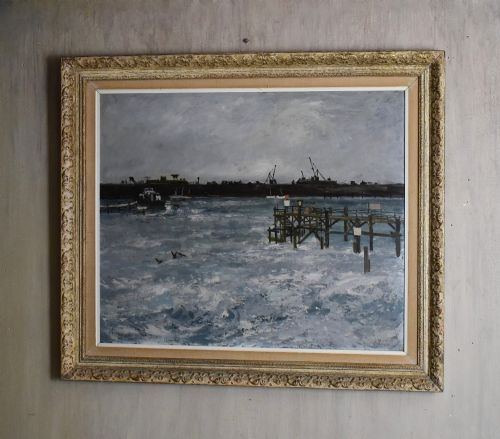
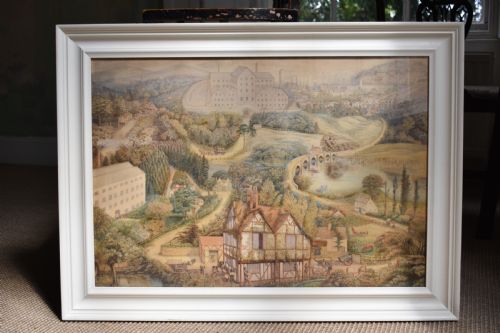
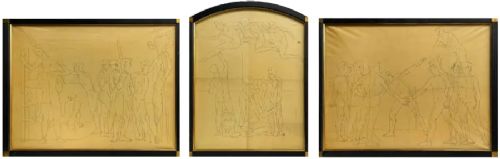
When you search for vintage british fine art, you encounter oil paintings, watercolours and pencil studies created across the British Isles from the Victorian period onward. These works capture regional landscapes, coastal scenes and intimate character portraits executed by named artists and regional schools.
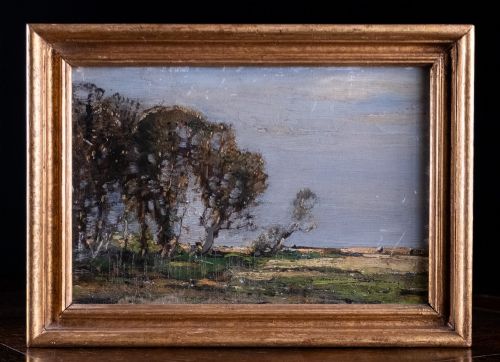
You are most likely to meet mid-century oil paintings on canvas or board alongside early twentieth-century watercolours. The selection balances detailed figurative portraiture with impressionistic representations of countryside and urban views.
Materials and Methods
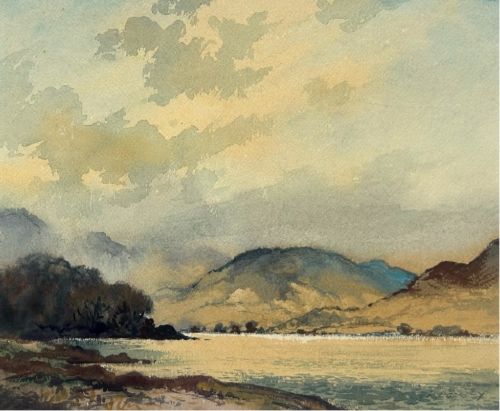
Artists relied primarily on oil paint applied to stretched canvas, wooden panels or primed boards, creating textured surfaces that retain the physical marks of the brush. Watercolour on paper served as the preferred medium for lighter, more fluid atmospheric compositions.
Support materials range from traditional oak panels in earlier pieces to canvas and heavy paper boards in twentieth-century works. These grounds often bear the stamps of London colourmen and stationers who supplied regional studios.
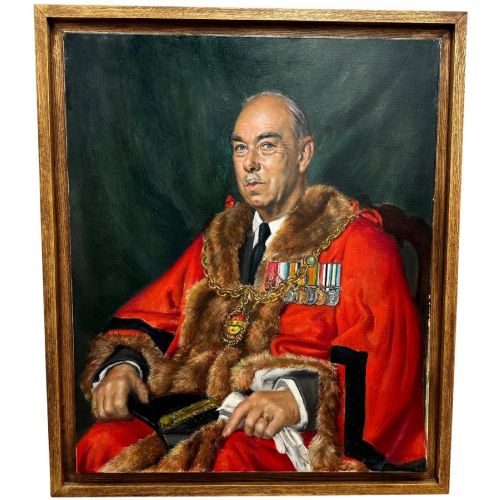
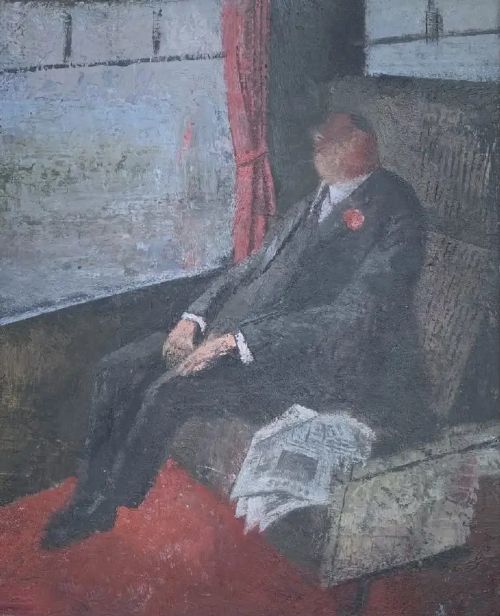
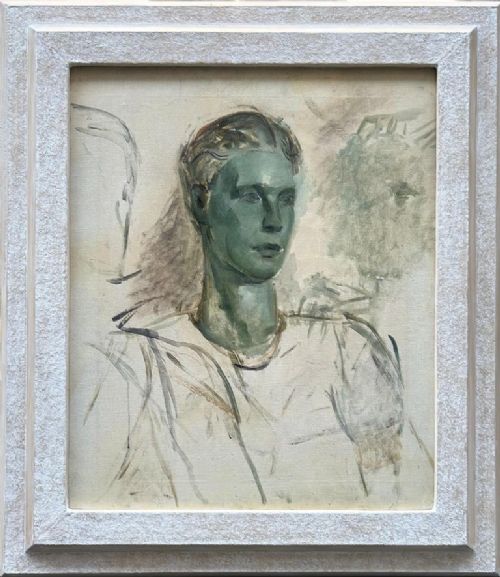
Several portraits preserve the stern likenesses of Victorian mayors, prize-winning livestock and spirited children with their stable ponies.
Evaluating the Works
The distinction between standard works and exceptional pieces lies in the sureness of the draftsmanship and the handling of light within the composition. Masterful brushwork breathes vitality into a portrait or landscape, whereas lesser works remain stiff and formulaic.
Provenance and exhibition history elevate certain pieces, particularly when a painting bears labels from major institutions like the Royal Academy. The integrity of the original surface and the absence of heavy overpaint further determine the standing of each piece.
Bernard Hailstone·George Graham·Tom Campbell·Frederick Marriott·Robert Leslie Howey·Kershaw Schofield·Herbert Royle·Kenneth Cozens·Francis Bacon·W.D. Almond·Augustus John·Peter Brannan·James Stroudley·Herbert Ashwin Budd·Gladys Marguerite Baker·Thomas Maidment·Sir Alfred East·Charles James McCall·Florence Small·William Matthison·Percy Lancaster·Philip Naviasky·Lilian Colbourn·Ronald Ossory Dunlop·Dame Laura Knight
The Vintage British Fine Art Glossary
- Canvas
- A closely woven fabric stretched across a wooden frame to serve as a sturdy painting ground. It receives priming layers to hold oil paint securely.
- Oil Paint
- A slow-drying medium composed of pigment suspended in drying oil, typically linseed. This medium allows for rich colour blending and textured impasto application.
- Watercolour
- A paint consisting of water-soluble pigments applied to paper. It relies on the white of the paper showing through translucent washes for its luminosity.
- Board
- A rigid flat support made from wood pulp or compressed material used by artists for quick plein-air studies and finished cabinet paintings.
Vintage British Fine Art: Frequently Asked Questions
What defines british impressionism in these paintings?
British impressionism adapts French plein-air techniques to local light and weather conditions, focusing on softer palettes and domestic landscapes. Painters captured everyday rural and coastal scenes with loose, visible brushstrokes.
This style emerged strongly in the late nineteenth and early twentieth centuries, departing from rigid academic traditions to celebrate naturalism and atmospheric mood.
How should I care for vintage watercolours?
Watercolour paintings require protection from direct sunlight to prevent the pigments and paper from fading over time. UV-filtering glass and acid-free framing materials help preserve the integrity of the paper.
Keep these works in stable indoor environments away from excessive humidity and damp walls, which can cause foxing spots and paper degradation.
How can I tell an oil painting on board from canvas?
Oil on board utilises a rigid wooden or composition panel base, which offers zero flex when gently pressed from the reverse. These pieces often lack the characteristic springiness found in stretched fabric supports.
Canvas works reveal a woven textile grid texture when examined closely from the back or across raking light, whereas boards present a solid, flat rear surface.
Where were st ives school paintings created?
St Ives school works originated in the Cornish coastal town of St Ives, which developed into a major hub for modern British art. Artists gathered there to explore abstraction and expressive landscape painting inspired by the rugged coastline.
This movement gained international prominence following the Second World War, drawing significant figures in British painting and sculpture to the Atlantic shore.