





Edwardian Garden Watercolour Painting
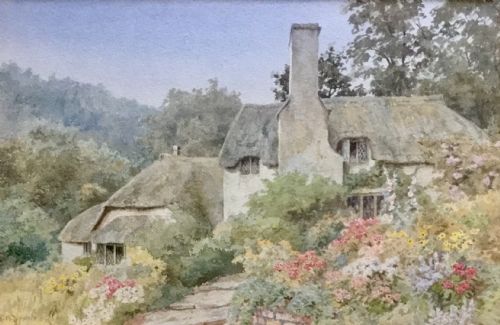
An edwardian garden watercolour painting captures pastoral charm with delicate pigment on paper, offering a gentle window into domestic rural life.
Edwardian Garden Watercolour Painting
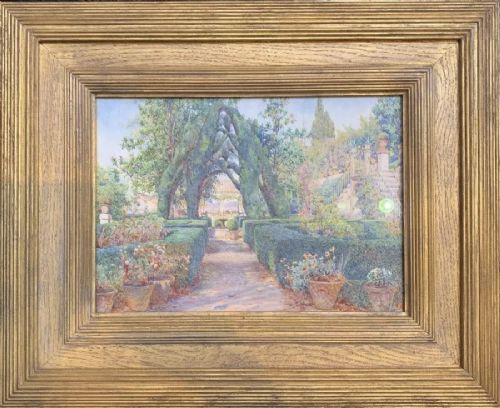
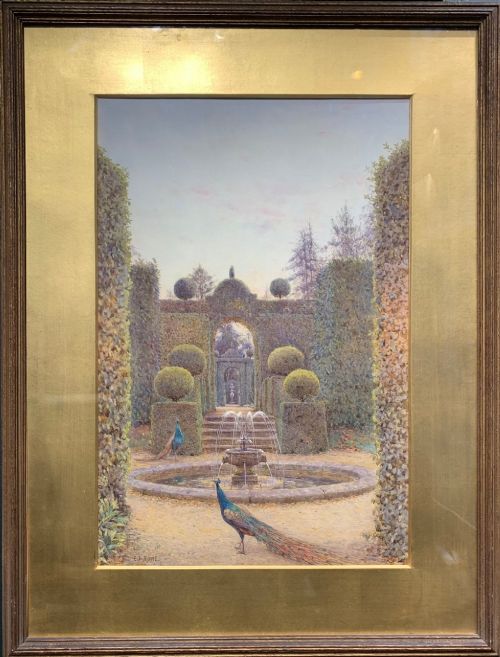
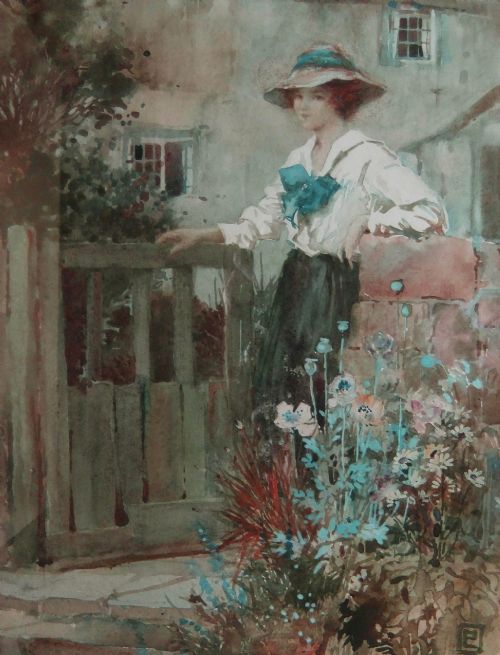
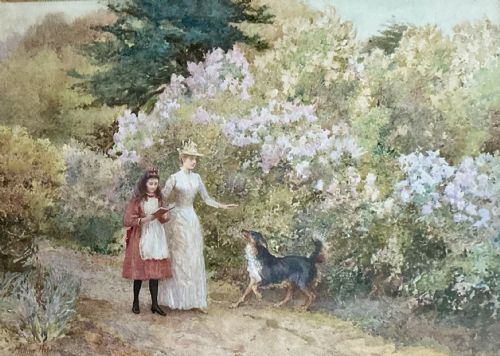
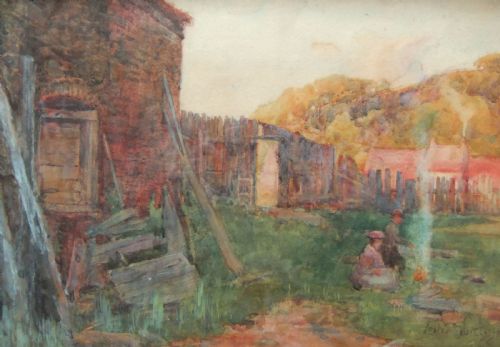
An edwardian garden watercolour painting depicts cultivated landscapes, cottage facades, and outdoor domestic scenes originating from the Edwardian period and adjacent decades. These works often show figures engaged in quiet rural tasks or children and pets resting beside traditional homes.
The selections span styles from Edwardian pastoral and British Impressionism to late Victorian rural genre. Works frequently record specific British locations such as Somerset, alongside travels to Kashmir and Granada.
Framed artworks on paper dominate the selection, presented behind glass in wooden surrounds. The focus rests squarely on botanical detail, domestic animals, and tranquil rural architecture.
Materials and technique
Watercolour pigment and paint are applied directly to paper supports, occasionally incorporating subtle touches of gold leaf. The medium relies on transparency and fluid washes to build light and atmosphere.
Works are preserved beneath glass and housed within wooden frames. This traditional mounting method protects the delicate paper surface from atmospheric moisture and handling damage.
The listings span the Victorian, Edwardian, and nineteen twenties periods, employing watercolour paint, paper, wood, glass, and gold leaf.
Judging quality
Excellence in these watercolours depends upon the crispness of the botanical detail and the handling of natural light across garden foliage. The best examples balance loose impressionistic brushwork with convincing architectural perspective.
The strength of composition separates standard topographical records from superior artistic interpretations. Stronger pieces display confident draftsmanship in figures, animals, and structural timberwork.
Ernest Arthur Rowe·Percy Lancaster·Arthur Hopkins·Rowland Henry Hill·Theresa Stannard·G Villiers Stuart·Lilian Stannard·David Woodlock·Arthur Claude Strachan·John Abernethy Lynas-Gray·Thomas Nicholson Tyndale·Lester Sutcliffe·Henry John Sylvester Stannard·Benjamin D Sigmund·Beatrice Parsons·George Frederick Nicholls·Arthur H Buckland·Karl Feiertag·Minnie Smythe
The Edwardian Garden Watercolour Painting Glossary
- Watercolour paint
- A medium consisting of colour pigments suspended in a water-soluble vehicle. It allows for translucent washes and fine linear details on paper.
- Edwardian pastoral
- An artistic style celebrating idealized rural life and manicured country gardens during the early twentieth century. These scenes emphasise tranquility and traditional domestic routines.
- British Impressionism
- A painting approach focusing on light, atmosphere, and everyday subjects rather than rigid academic finishes. Artists captured transient effects of sunlight in outdoor settings.
- Fine art painting
- A term denoting works created primarily for aesthetic value and visual expression rather than illustration. These framed watercolours represent individual artistic visions.
- Gold leaf
- Thinly hammered gold beaten into microscopic sheets used sparingly to accent highlights. It adds a subtle reflective quality to selected details.
Edwardian Garden Watercolour Painting: Frequently Asked Questions
What subjects appear in these paintings?
The compositions show cottage gardens, country houses, walled plots, and London parks. Figures often tend hens, knit outside, or walk beside historic facades.
Floral arrangements such as Michaelmas daisies and springtime crocuses also form prominent subjects for the artists.
How do I care for watercolour on paper?
Keep the framed artwork away from direct sunlight to prevent the pigment from fading over time. Stable indoor humidity levels protect the paper support from warping.
Retain the glass covering to shield the delicate water-soluble paint from dust and atmospheric moisture.
How are periods distinguished?
Edwardian and late Victorian pieces are identified through costume details, architectural styles, and recorded artist dates. Signatures and gallery framing often offer further chronological clues.
Stylistic shifts move from tight Victorian rural realism toward looser Edwardian impressionistic brushwork by the nineteen twenties.
Where were these works displayed?
These framed watercolours were designed for domestic interior display within country houses and suburban homes. They brought views of manicured gardens and rural retreats inside urban spaces.
Today, they suit traditional studies, hallways, and living rooms alongside period furniture.