




English Country Garden Art
English country garden art captures quiet rural scenes in watercolour and oil, bringing the serene charm of historic plots directly into domestic spaces.
English Country Garden Art
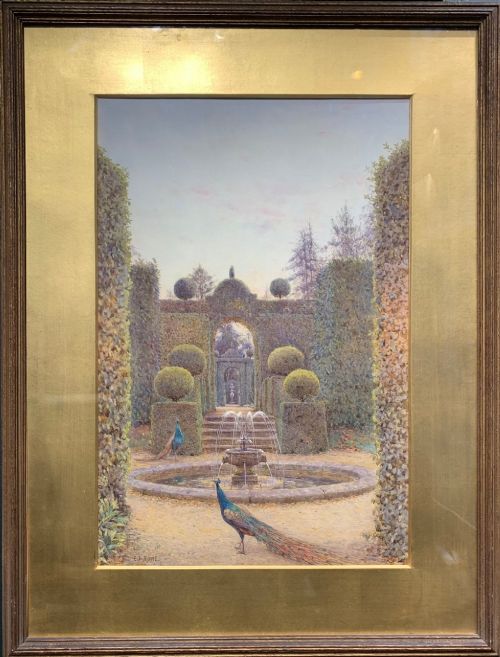
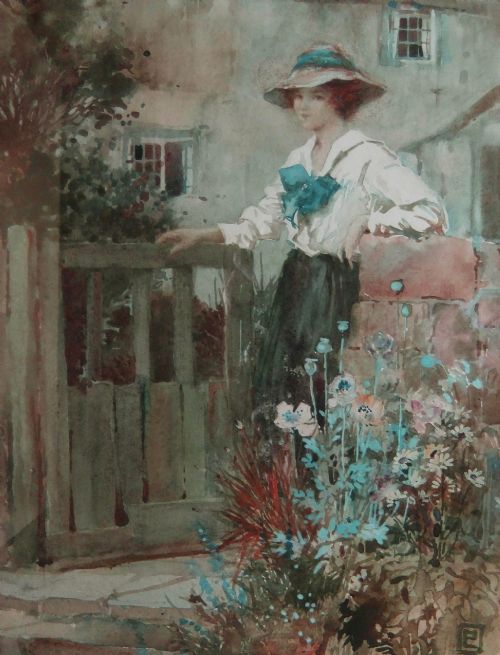
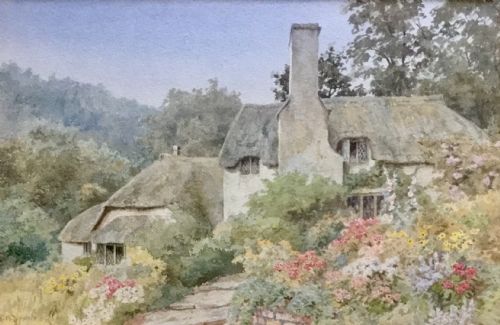
English country garden art encompasses oil paintings, watercolours, and mixed media works that depict rural scenes, floral plots, and cottage exteriors. These pieces span the Victorian, Edwardian, and mid twentieth-century periods, capturing changing attitudes toward pastoral life and landscape traditions. Buyers encounter depictions of herbaceous borders, thatched cottages, and garden benches recorded by regional artists.
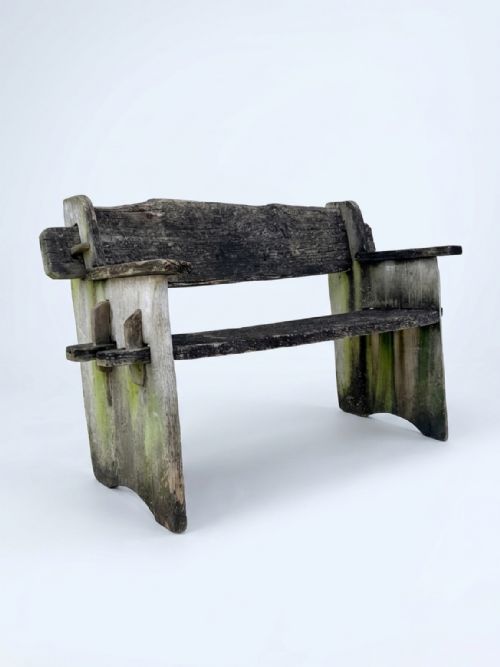
The most common formats on this page are framed watercolours and oil paintings on canvas or wood panels. Artists such as Theresa Stannard, Arthur Claude Strachan, and Ernest Arthur Rowe focused heavily on floral compositions and domestic garden views. Alongside these paintings, occasional functional items such as rustic garden benches and folk art weathervanes appear.
The aesthetic draws on British Impressionism, Edwardian pastoral styles, and Victorian rural genre painting. Works often portray specific locations across England, from Somerset villages to Yorkshire gardens. Collectors select these items to evoke a traditional sense of English horticulture and domestic tranquility.
Materials and technique
Artworks in this category rely primarily on watercolour pigment on paper or oil paint applied to canvas and wood panels. Watercolour painters utilise transparent washes to capture natural light filtering through foliage and cottage gardens. Oil painters build up heavier textures with brushes to render dense herbaceous borders and architectural details of country houses.
Support materials reflect the working methods of artists active from the nineteenth century into the mid twentieth century. Canvases are stretched over wooden frames, while watercolours are mounted behind glass to protect the paper from moisture. Frames of carved wood enclose many of the paintings, often bearing period characteristics that match the date of the artwork.
English Country Garden Art Retail Price Guide 2026
Typical asking prices for english country garden art among the pieces listed under this phrase on Sellingantiques today, from the lower quarter to the upper quarter. They describe what is for sale here now, not the wider market.
Listings feature works from the Victorian, Edwardian, and mid twentieth-century periods executed in oil, watercolour, and mixed media.
Distinctions in quality
Quality in these paintings rests upon the artist's ability to handle natural light, atmospheric depth, and botanical detail. Superior watercolours display confident brushwork and luminous washes that prevent the paper from appearing flat. Finer oil paintings exhibit careful tonal gradation in foliage and convincing perspective within the depicted garden layout.
The provenance and documentation associated with a piece also influence its standing. Works bearing clear signatures from recognised painters of the Edwardian and Victorian periods carry stronger attribution. Additionally, the preservation of original pigments without excessive fading or discoloration maintains the visual integrity of the scene.
Ernest Arthur Rowe·Percy Lancaster·Theresa Stannard·Owen Bowen·Ernest Higgins Rigg·William Hatherell·Herbert Royle·Arthur Claude Strachan·Thomas Nicholson Tyndale·John Emms·Henry John Sylvester Stannard·Beatrice Parsons·George Frederick Nicholls·Ralph Hedley·Lilian Stannard
The English Country Garden Art Glossary
- Watercolour pigment
- A colourant suspended in a water-soluble binder, applied in washes on paper to create luminous, translucent effects.
- British Impressionism
- A late nineteenth and early twentieth-century painting style focusing on everyday subjects, loose brushwork, and natural outdoor light.
- Oil paint
- A slow-drying paint made by mixing pigments with oils such as linseed, allowing artists to build rich textures on canvas or wood.
- Victorian Rural Genre
- Artworks depicting traditional country life, agricultural workers, and domestic scenes common in nineteenth-century Britain.
- Mixed media
- An artwork combining two or more distinct artistic materials, such as watercolour and gouache on paper.
English Country Garden Art: Frequently Asked Questions
What periods do these paintings date from?
The works span the nineteenth century through to the mid twentieth century, covering Victorian, Edwardian, and later periods of British art.
Most pieces concentrate on the years between eighteen hundred and nineteen fifty, reflecting the popularity of pastoral subjects during those decades.
How should I hang watercolour paintings?
Watercolours require protection from direct sunlight to prevent the pigments and paper from fading over time.
Use acid-free mounts and position them on interior walls away from direct heat sources and damp environments.
What subjects are typical in these artworks?
Common subjects include cottage gardens, herbaceous borders, thatched houses, and rural figures engaged in daily domestic tasks.
Artists frequently recorded specific English villages, country houses, and manicured lawns during the summer months.
How do oil paintings differ from watercolours here?
Oil paintings use heavy pigments applied to canvas or wood panels, resulting in textured surfaces and deeper opaque colour.
Watercolours utilise thin washes on paper, creating lighter, more transparent compositions framed under glass.