

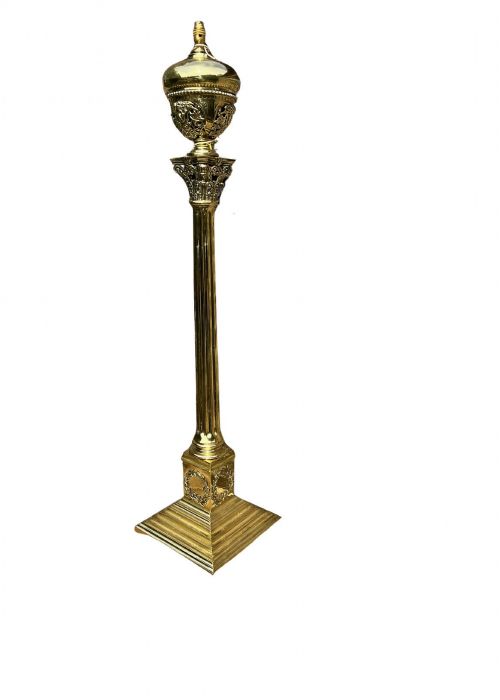


Vintage Brass Urn Lamp
A vintage brass urn lamp brings classic neoclassical form and warm metallic light to a room, drawing the eye with its sculptural silhouette.
Vintage Brass Urn Lamp
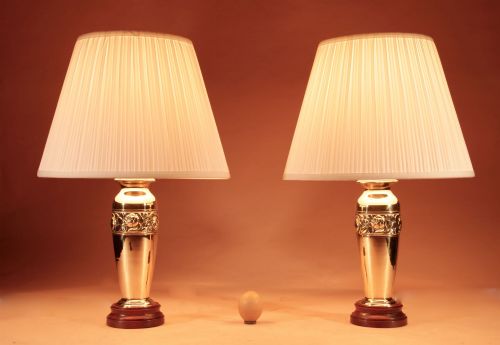
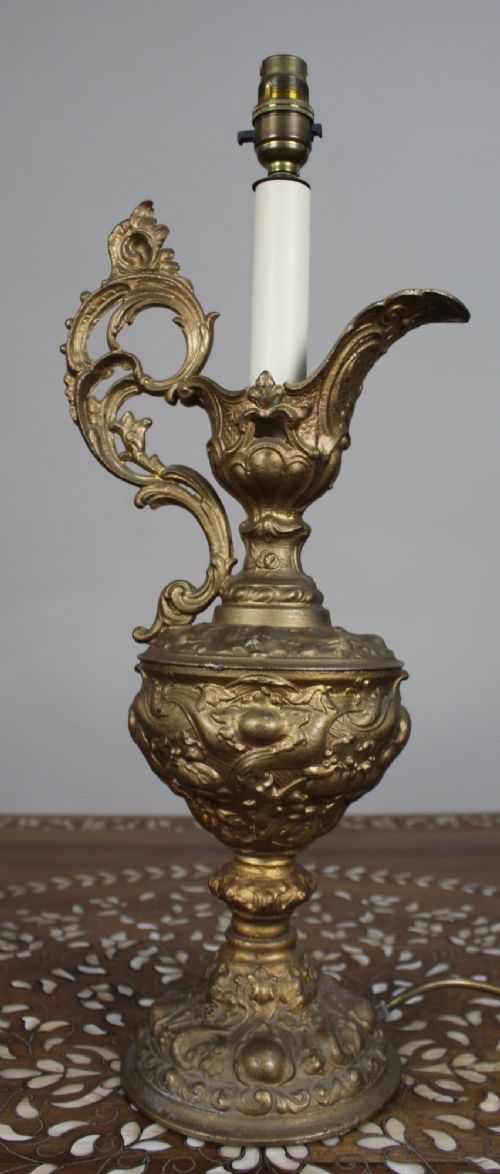
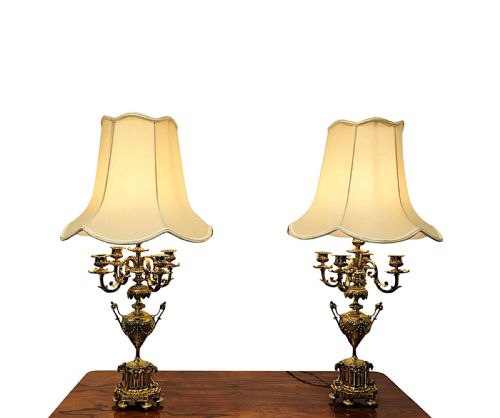
A vintage brass urn lamp adapts classical vessel shapes into functional lighting, drawing on centuries of design vocabulary from ancient models. When you search for a vintage brass urn lamp, you encounter pieces that often merge cast metal bodies with mounted handles, plinths, and classical detailing.
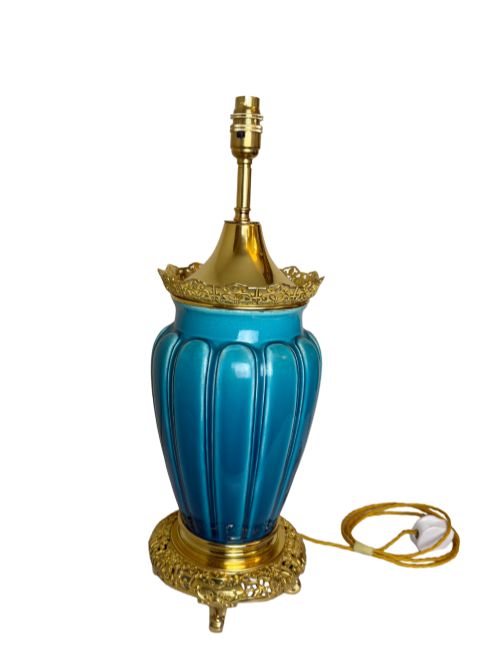
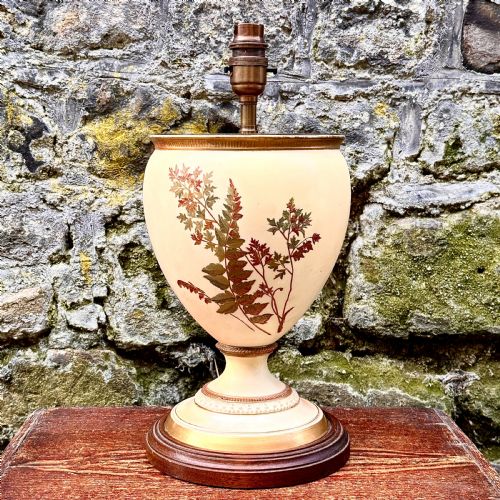
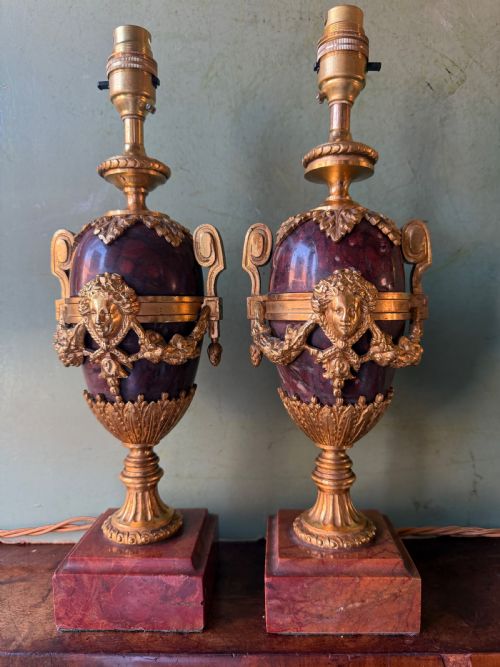
These pieces frequently incorporate materials such as gilt bronze, ormolu, marble bases, and porcelain bodies, reflecting the tastes of the nineteenth and early twentieth centuries. Many examples survive from the Victorian and Edwardian eras, alongside pieces marked by French Neoclassical, Classical Revival, and Rococo Revival styles.
You are most likely to meet standard table lamp adaptations alongside converted candlesticks and cassolettes, frequently mounted on square or stepped plinths. The physical presence relies heavily on the weight of the metal and the juxtaposition of polished brass with contrasting stone or enamel elements.
Materials and construction methods
Makers formed the primary body of a vintage brass urn lamp using cast brass, gilt bronze, or ormolu, often employing sand casting techniques to achieve crisp relief details. Sections were then turned on lathes, chased by hand to sharpen foliage or fluting, and joined with internal threaded rods or pins.
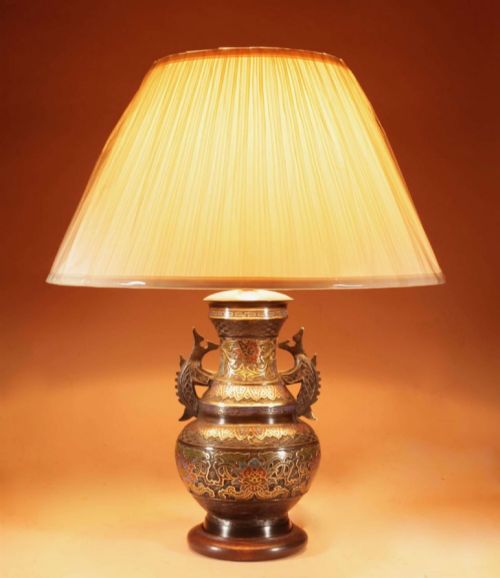
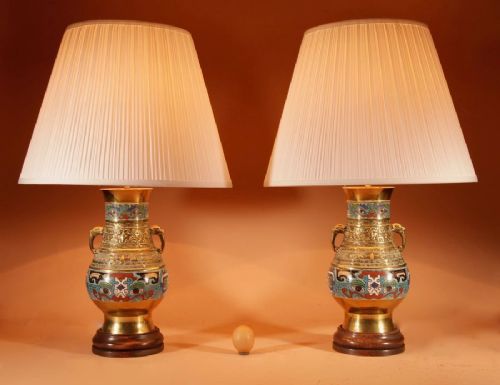
Many designs integrate contrasting components such as white marble, rouge marble, or onyx bases, paired with enamel work, champlevé, or porcelain inserts. Metal mounts, handles, and classical masks were individually cast and secured to the main urn body with mechanical fasteners.
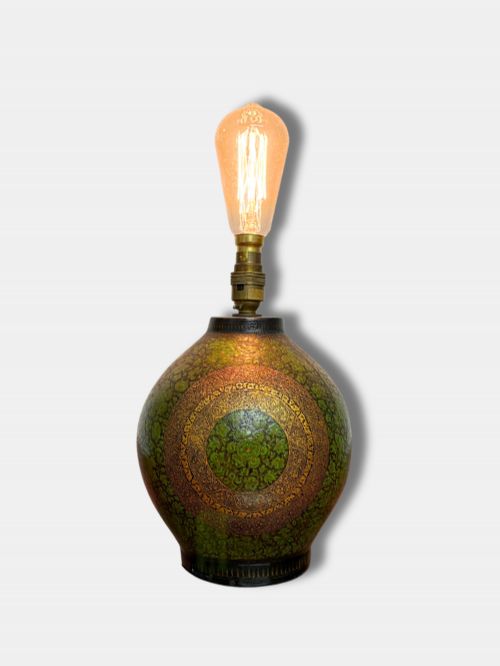
Surface finishes ranged from bright fire gilding and lacquering to patinated bronze, while subsequent adaptations for electricity involved drilling through the original metal or stone core to house internal wiring safely.
Listings feature items spanning the Victorian, Edwardian, and 1920s periods, incorporating materials such as porcelain, marble, and gilt bronze.
Assessing quality and execution
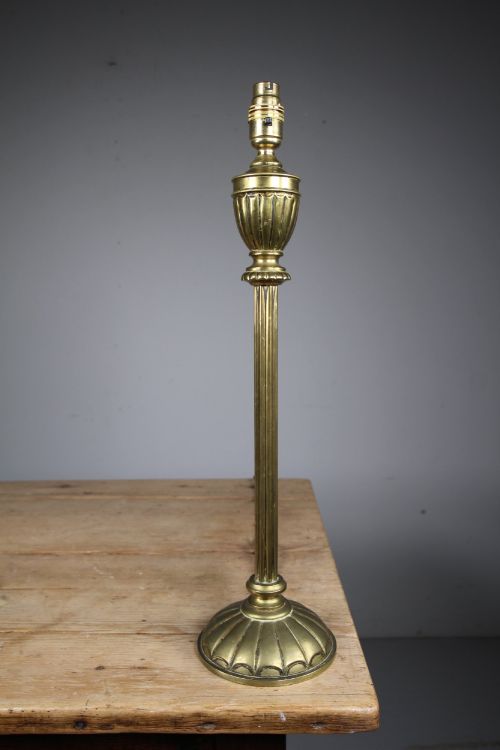
Quality in a vintage brass urn lamp rests primarily on the crispness of the casting and the depth of the subsequent hand-chasing. Superior examples display sharp relief in acanthus leaves, handles, and classical mounts rather than soft, blurred edges typical of mass production.
The assembly of mixed materials indicates the level of workshop care. High-grade pieces feature tightly fitted stone plinths, substantial wall thicknesses in the metal urn, and secure mechanical joints without visible gaps.
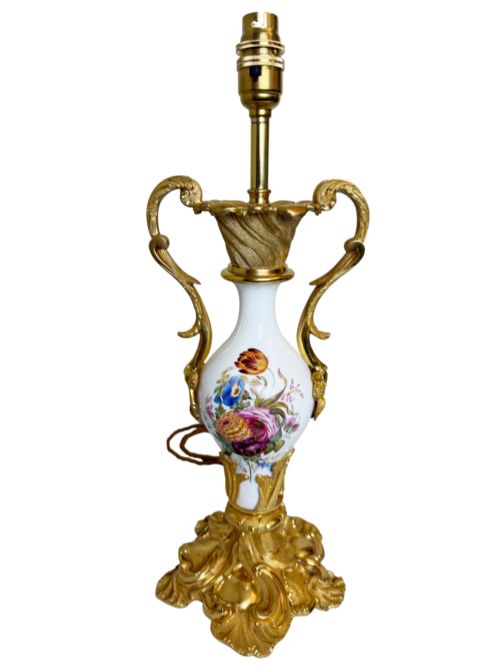
The integration of decorative elements such as hand-painted porcelain panels, cloisonné, or finely gilt ormolu separates standard utilitarian lighting from exhibition-grade interior ornaments.
The Vintage Brass Urn Lamp Glossary
- Ormolu
- Gilded bronze, produced by applying a mercury-gold amalgam to a bronze base and heating it to vaporise the mercury. This technique creates a durable, golden surface frequently seen on French neoclassical mounts.
- Cassolette
- A decorative vessel shaped like an urn, designed with a reversible lid that functions either as a solid cover or a incense burner. They frequently appear converted into table lighting.
- Champlevé
- An enamelling technique where troughs or cells are hollowed out of the metal surface and filled with vitreous enamel before firing. It appears on Japanese bronze pieces from the Meiji period.
- Neoclassical
- A style spanning the eighteenth and nineteenth centuries that revives the classical motifs of ancient Greece and Rome, including urns, fluted columns, rams' heads, and swags.
- Cloisonné
- An ancient metalworking technique using soldered wire partitions to create compartments filled with coloured enamel paste. It provides vibrant surface patterns on Asian and European decorative vessels.
Vintage Brass Urn Lamp: Frequently Asked Questions
How do I date a vintage brass urn lamp?
Dating relies on examining the assembly methods, wiring entry points, and stylistic markers associated with periods like the Victorian era or the early twentieth century. Hand-cut threads, heavy sand-cast components, and traditional joinery generally point to earlier production dates before mass manufacturing standardised electrical fittings.
Secondary materials such as French rouge marble, onyx bases, or specific enamel techniques also help narrow the timeframe. Comparing the casting quality with documented examples from the nineteenth century provides a reliable anchor for the period.
Were these lamps originally made for electricity?
Most pieces originating from the nineteenth century began life as oil lamps, standard candlesticks, or decorative urns before later conversion to electricity. The process of adaptation usually involved drilling through the central axis and adding modern lamp holders.
As a result, many surviving examples show evidence of thoughtful conversion where the original aesthetic of the vessel was preserved. Rewiring is standard practice to ensure safety while maintaining the historic exterior.
How should I style a vintage brass urn lamp in a modern interior?
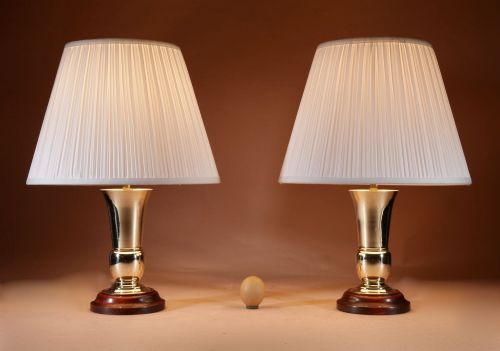
A vintage brass urn lamp works effectively as a focal point on sideboards, desks, or console tables where its sculptural silhouette can stand out. Pairing the piece with a neutral fabric shade allows the metallic or marble body to remain the primary visual anchor.
The classical proportions complement both traditional spaces and contemporary rooms that benefit from a touch of antique warmth. Placing the lamp near reflective surfaces helps amplify the glow of the brass and gilt bronze.
What is the difference between ormolu and standard brass?
Ormolu specifically refers to cast bronze that has been gilded with a gold-mercury mixture, producing a rich, deep golden lustre that differs from raw brass. Standard brass is an alloy of copper and zinc that maintains a bright metallic yellow colour unless patinated or lacquered.
While brass can be polished to a bright shine, ormolu possesses a softer, more complex optical depth due to the gold content. You will frequently find ormolu used for decorative mounts on marble urn bases.