

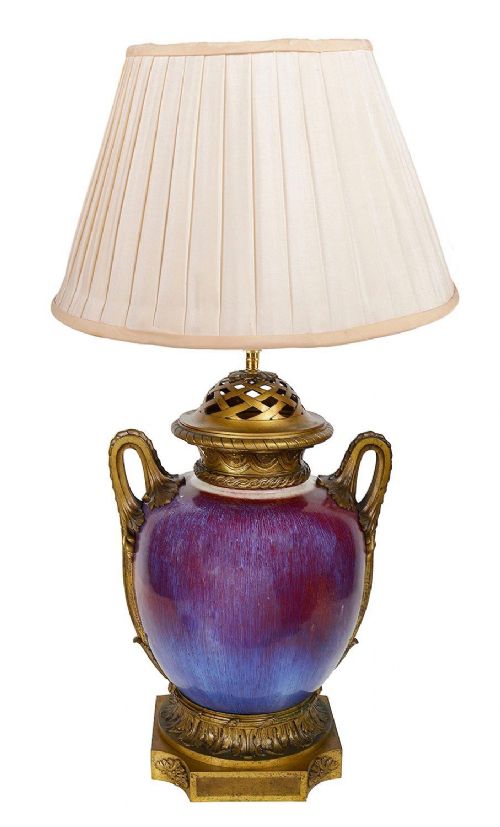
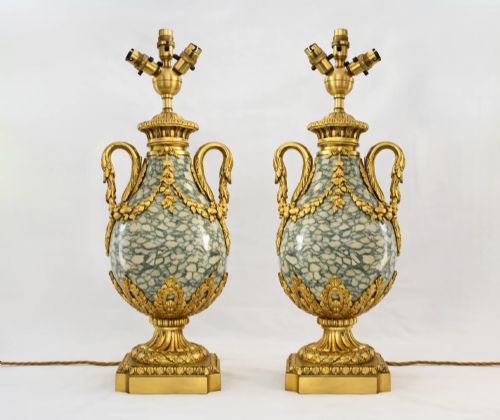
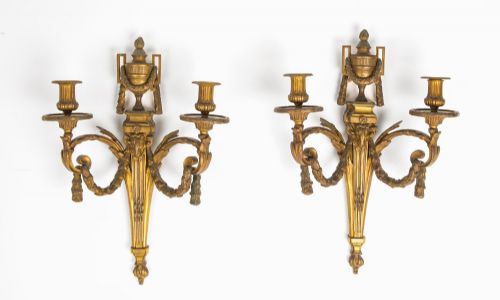
Gilt Bronze Urn Light
These gilt bronze urn lights combine classical metalwork with decorative vessels, bringing warmth and presence to a room.
Gilt Bronze Urn Light
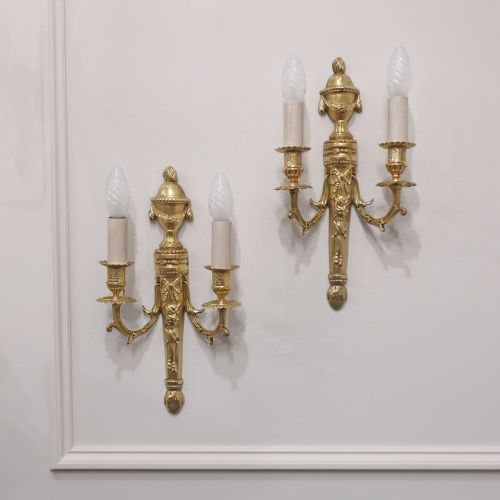
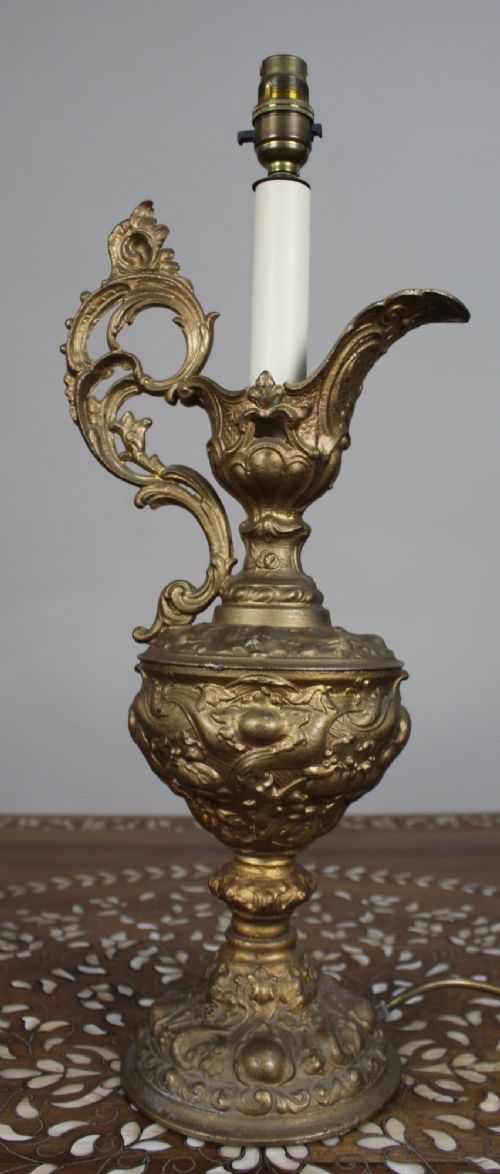
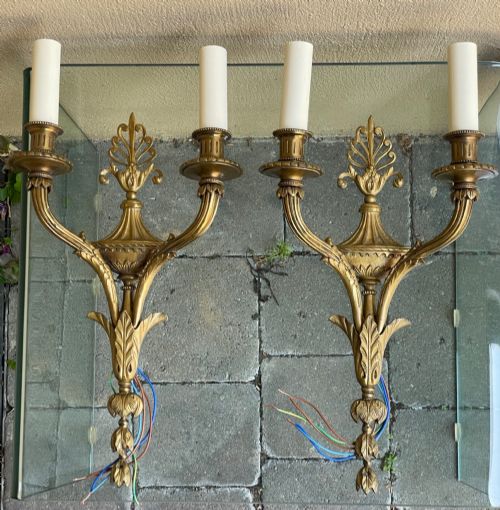
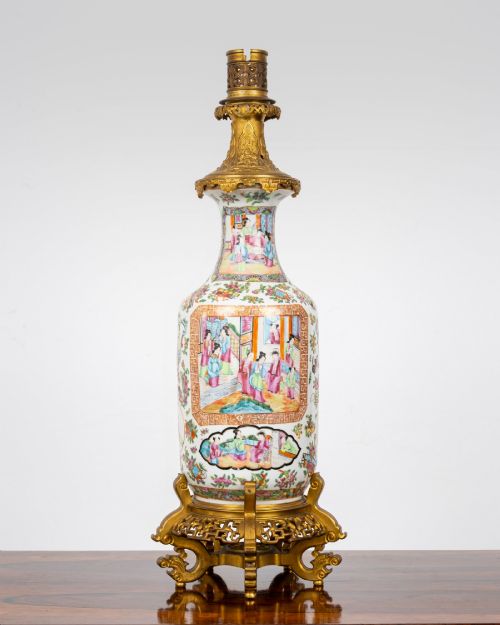
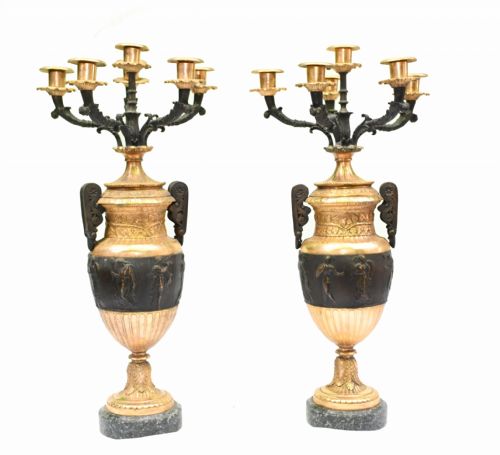
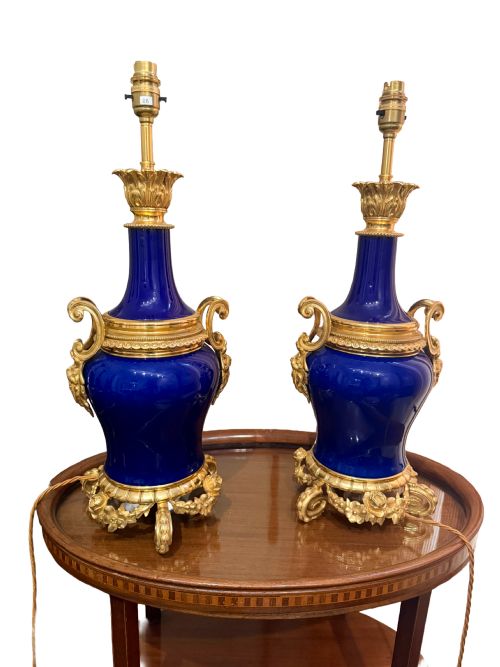
A gilt bronze urn light uses a decorative vessel form, often mounted with metal handles or trim, to create a striking lighting fixture. When searching for a gilt bronze urn light, buyers encounter pieces fashioned into table lamps, wall lights, and candelabras originating predominantly from the nineteenth century.
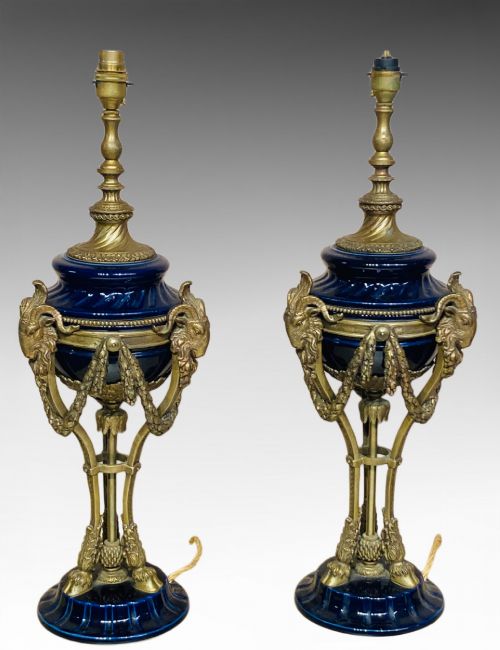
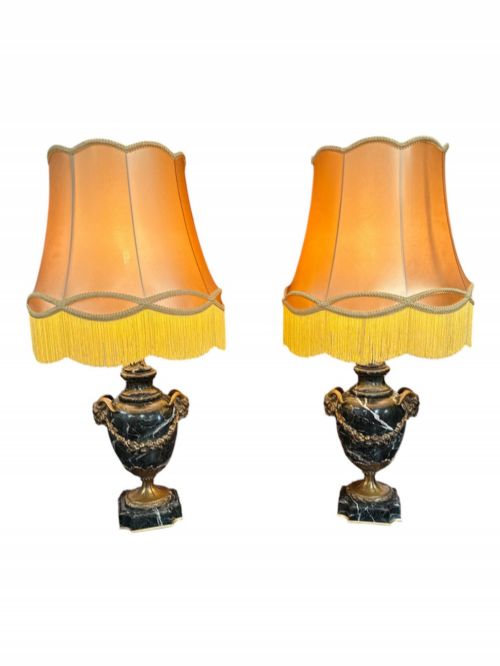
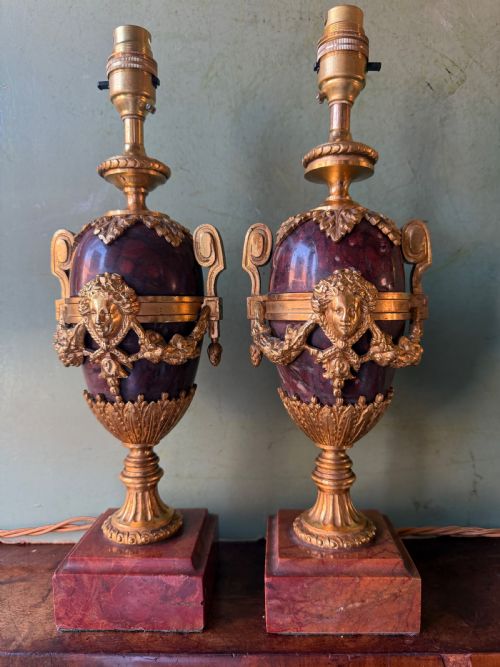
The aesthetic draws heavily on French Neoclassical, Louis XVI style, and Empire designs, frequently incorporating marble or porcelain bodies alongside cast metal mounts. Many examples translate traditional decorative urns and cassolettes into functional lamps and sconces.
Originating largely from French workshops and English makers, these items range from petite floral designs to large pairs intended for prominent mantelpieces or side tables.
Materials and construction methods
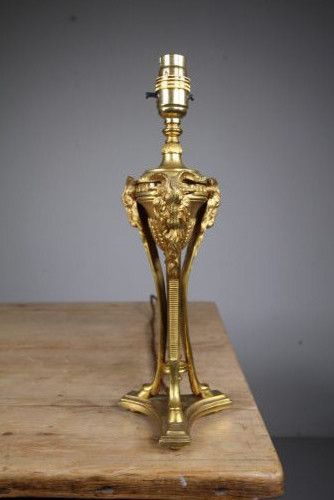
The primary metal components rely on bronze or brass treated with mercury gilding or ormolu to achieve a bright, durable golden surface finish. This metalwork is cast and chased to produce crisp details like ram's head masks and acanthus leaf mounts.
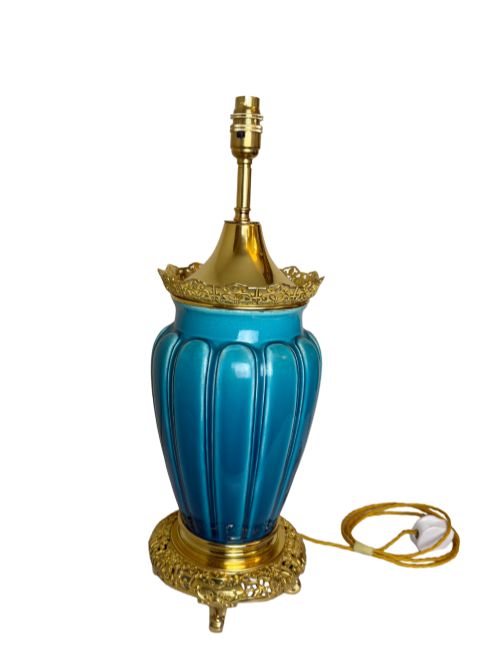
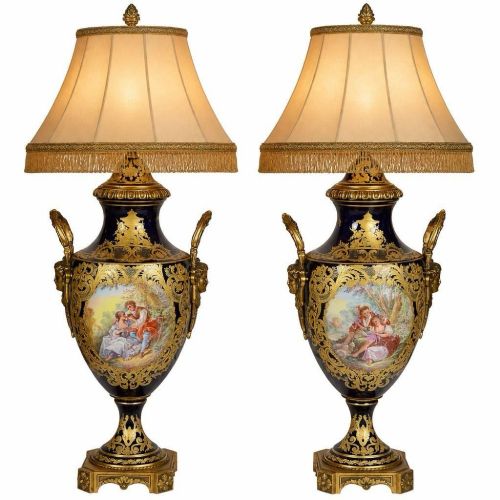
Body sections frequently incorporate turned marble, hand-painted porcelain such as Sevres style ceramics, or glazed pottery. These diverse materials are joined using threaded metal rods and bolts to secure the mounts to the central vase or column.
The design influences span French Neoclassical, Louis XVI style, Chinoiserie, and Rococo Revival periods.
Assessing craftsmanship and finish
Quality rests in the crispness of the bronze casting and the depth of the subsequent gilding. Finer pieces display sharp hand-chased details on mounts and handles rather than soft, rounded edges from worn moulds.
The choice of secondary materials also separates categories, with solid carved marble bases and hand-painted porcelain bodies indicating superior workshops compared to simpler cast brass or plain fabric iterations.
Casier·Thomas Hope
The Gilt Bronze Urn Light Glossary
- Ormolu
- Finely chopped high-karat gold applied to a bronze base using a mercury amalgamation technique. This historic process yields a warm, matte yellow finish that resists tarnishing over decades.
- Cassolette
- A decorative vase or urn featuring a reversible lid that transforms the vessel between a solid urn and a incense burner or candle holder. These often form the body of antique lamps.
- Neoclassical
- A style spanning the eighteenth and nineteenth centuries that revives classical Greek and Roman motifs. It appears here in symmetrical urn forms, swag ornamentation, and fluted columns.
- Sevres style
- A term describing porcelain decorated in the manner of the famous French royal factory. Pieces typically feature rich blue or turquoise glazes complemented by hand-painted pastoral scenes and gilt highlights.
Gilt Bronze Urn Light: Frequently Asked Questions
What periods do these lamps come from?
The pieces available originate mostly from the nineteenth century, spanning from the eighteen-forties through to the nineteen-twenties. Victorian and Edwardian examples sit alongside pieces styled after earlier French reigns.
Stylistic influences point heavily toward Louis XVI revivals and Neoclassical designs popular during these manufacturing periods.
How were these urns originally used?
Many of these objects started life as decorative ornamental vases, cassolettes, or candlesticks before being converted into lamps at a later date. Others were constructed specifically as lighting fixtures from the outset.
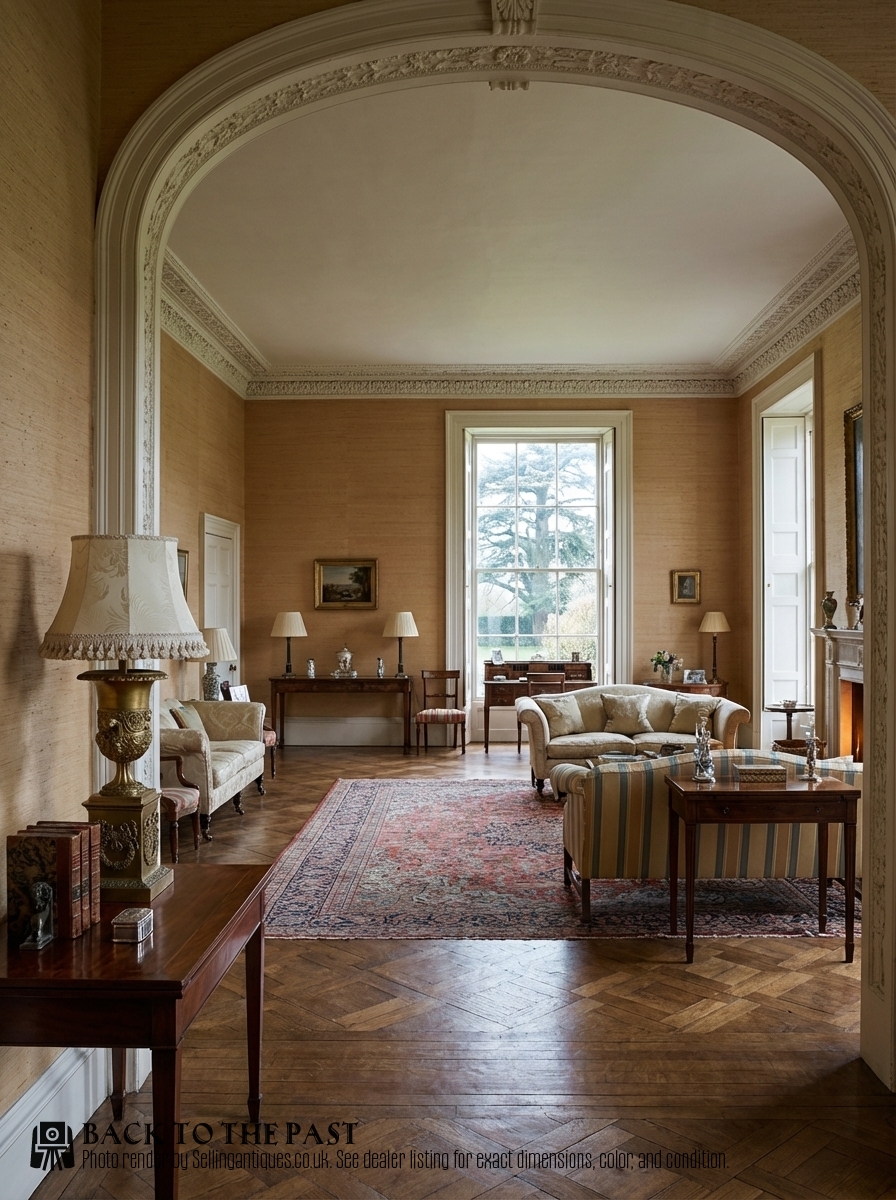
Their substantial weight and decorative presence suited grand nineteenth-century drawing rooms and hallways.
Are these lamps wired for modern use?
Most antique lighting encountered on the market has been adapted for contemporary electrical standards. Rewiring allows these historic metal and porcelain bodies to function safely in modern homes.
Buyers should inspect the internal wiring and plug types to ensure compatibility with their local electrical supply.
How do I care for gilt bronze and ormolu?
Gilt bronze requires gentle dusting with a soft, dry cloth to prevent the accumulation of grime. Harsh metal cleaners and abrasive cloths must be avoided to protect the delicate gold layer.
Marble and porcelain sections can be wiped down carefully with a slightly damp cloth, keeping moisture away from any electrical components.