



Vintage Brass Sideboard Light
A vintage brass sideboard light brings a warm, steady glow to a surface, combining heavy metalwork with crystal or glass.
Vintage Brass Sideboard Light
When you search for a vintage brass sideboard light, you are looking at illumination designed for sideboards, tables, and desks from the nineteenth and early twentieth centuries. These pieces function primarily as table lamps, oil lamps, and candelabra, often adapted from earlier lighting or manufactured during the Victorian, Edwardian, and Art Deco periods.
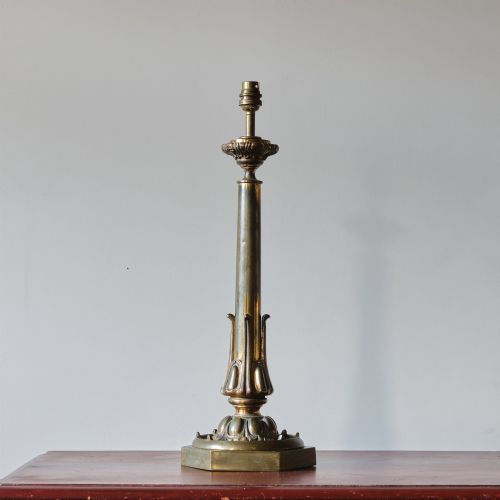
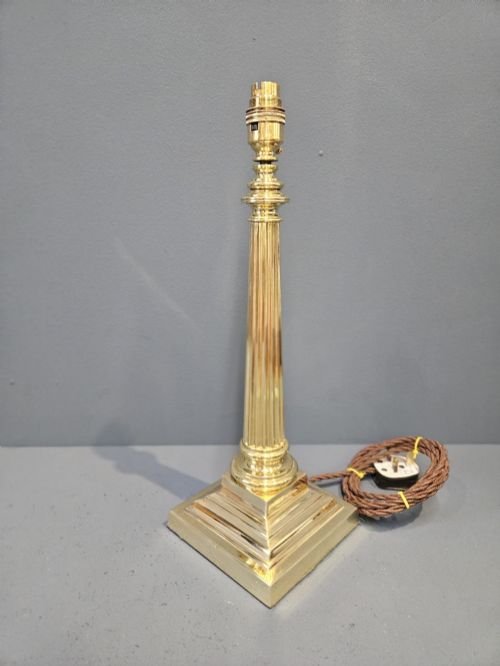
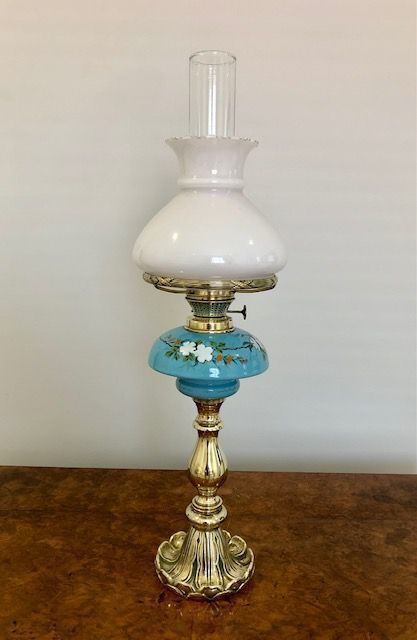
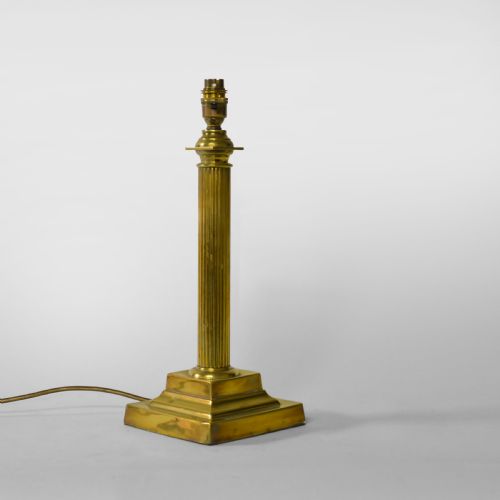
The version you are most likely to meet on this page is a column or urn form in cast or reeded brass, frequently paired with glass, opaline, or crystal elements. Styles range from strict classical revivals like ionic and Corinthian columns to gothic and French neoclassical designs.
How they were made
Makers utilised heavy brass, bronze, and ormolu for the structural bodies, often casting the metal in detailed classical orders such as rams' heads or fluted columns. This solid metal foundation gave the lamps the necessary weight to support tall glass shades or multiple branches without tipping.
Combinations of cut glass, lead crystal, opaline glass, and porcelain provide contrast to the warm metalwork. Components were threaded, turned, and pinned together by hand, creating robust assemblies that accommodate both period oil reservoirs and later electrical conversions.
Vintage Brass Sideboard Light Retail Price Guide 2026
Typical asking prices for vintage brass sideboard light among the pieces listed under this phrase on Sellingantiques today, from the lower quarter to the upper quarter. They describe what is for sale here now, not the wider market.
Listings span the nineteenth and early twentieth centuries, featuring brass, bronze, opaline glass, and cut glass configured as columns, urns, and obelisks.
What varies in quality
The distinction between ordinary and exceptional pieces lies in the crispness of the metal casting and the depth of the chasing. Superior examples display sharp relief on capitals and mounts, whereas simpler versions rely on unadorned turned brass tubes.
Material integration also separates the tiers of production. Finer lamps combine heavy fire-gilded ormolu with high-clarity lead crystal or hand-blown opaline glass, maintaining balanced proportions across tall obelisks, Corinthian columns, and multi-branched candelabra.
The Vintage Brass Sideboard Light Glossary
- Ormolu
- Gilded bronze or brass created through a mercury amalgamation process or modern electroplating. It provides a bright, durable golden finish that resists tarnishing.
- Opaline glass
- An opaque, milky white glass popular in the nineteenth century. It softens light and adds a dense, porcelain-like texture to lamp bodies.
- Corinthian column
- A classical architectural order featuring an ornate capital decorated with acanthus leaves. It serves as a frequent design motif for tall brass lamp bases.
- Lead crystal
- Heavy, high-clarity glass containing lead oxide to increase refractive index and brilliance. It is frequently cut into geometric patterns on tall nineteenth-century lamp stems.
Vintage Brass Sideboard Light: Frequently Asked Questions
Are these lamps converted from oil?
Many nineteenth-century examples began life as oil lamps or candelabra before being adapted for electricity. This evolution is standard for period lighting found today.
Wiring and fittings are routinely updated to meet modern safety standards while retaining the original metal and glass bodies.
How do I identify a Victorian lamp?
Victorian pieces often favour heavy cast brass, classical architectural motifs, and rich pairings with opaline or cut glass. Look for substantial weight and detailed chasing on the metal components.
Later Edwardian and 1920s designs tend towards sleeker columns and simplified neoclassical or early Art Deco lines.
Where should I place a sideboard light?
These lamps suit sideboards, console tables, and desks where their height and warm metal finish can anchor a room's lighting scheme. Tall column and obelisk forms work particularly well against walls or mirrors.
Paired candelabra and table chandeliers provide symmetrical illumination for larger furniture surfaces.
How do I care for brass and crystal?
Dust brass components gently with a soft cloth and avoid abrasive cleaning agents that strip patination. Crystal and glass sections can be wiped with a damp cloth and dried immediately.
Keep electrical connections dry and consult a qualified professional for any rewiring needs.