




Vintage Brass Purdonium
These vintage brass purdonium examples are practical hearth containers that combine fuel storage with decorative fireplace presence.
Vintage Brass Purdonium
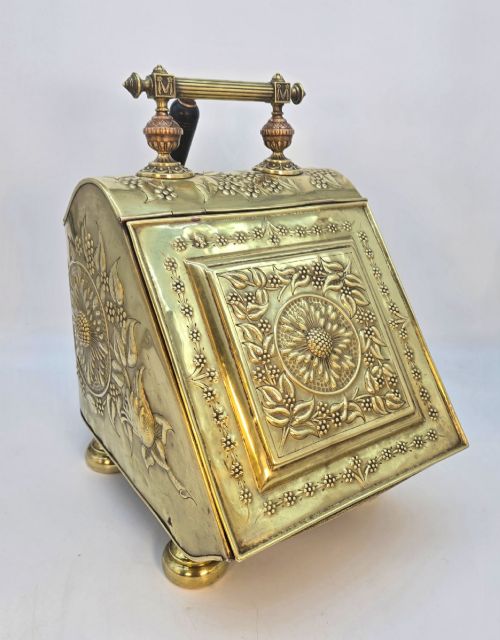
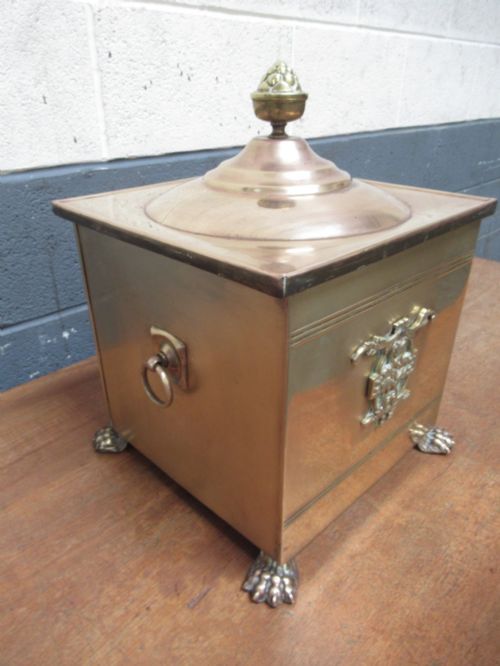
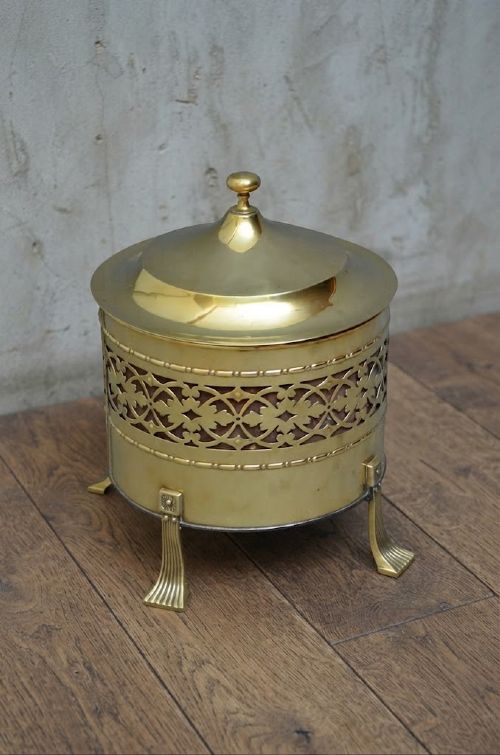
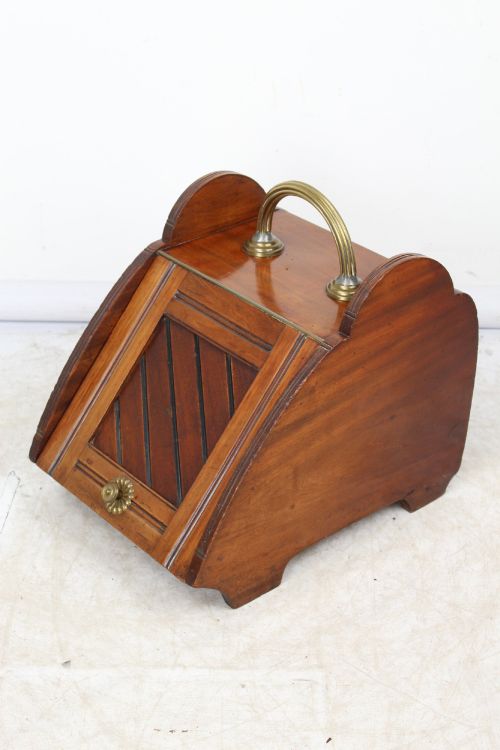
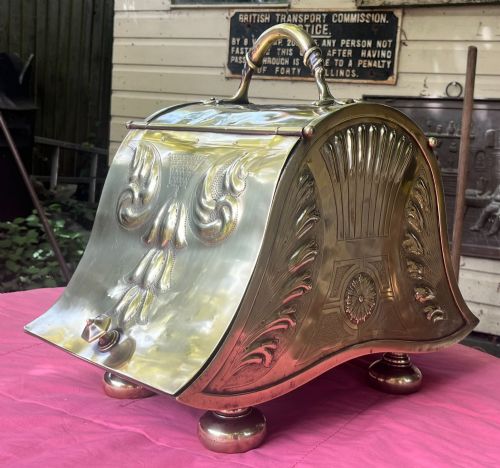
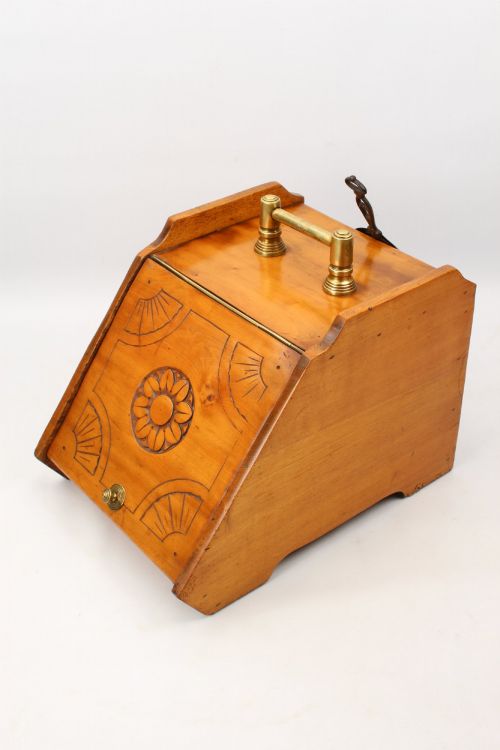
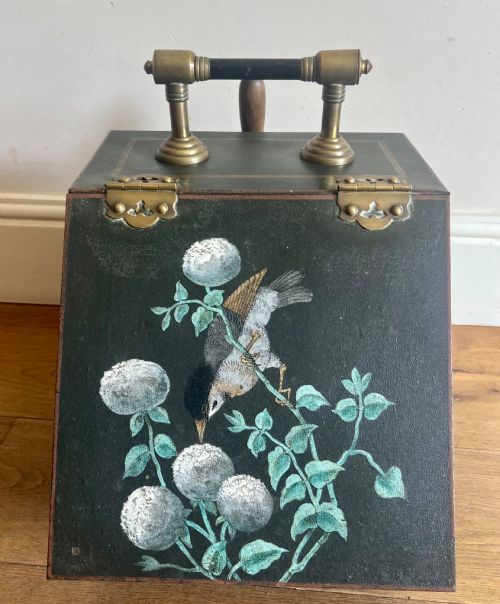
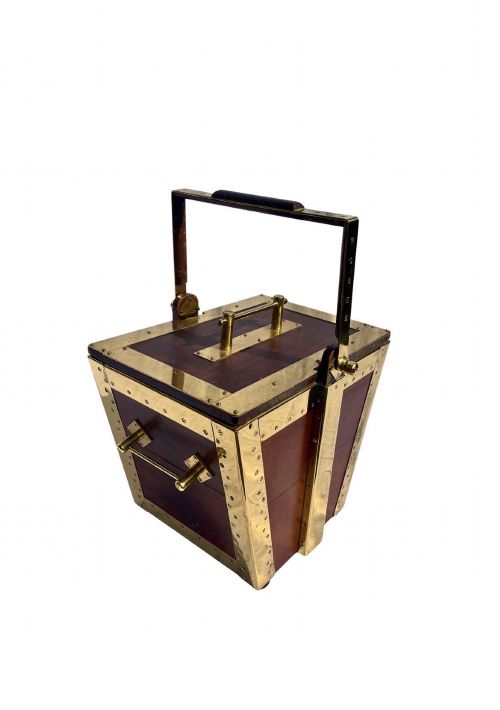
A vintage brass purdonium functions as a dedicated fireside container designed to hold coal, logs or fuel neatly beside the hearth. When exploring this selection, buyers frequently encounter pieces styled as lidded boxes, cabinets, or sloped scuttles.
The objects appearing across these listings originate predominantly from the Victorian and Edwardian eras, spanning into the early twentieth century. Many incorporate hinged lids, drop fronts, or original metal liners intended to contain fuel dust and debris.
Makers of the period utilised various formats, ranging from simple metal bins to elaborate wooden cabinets mounted with decorative metalwork. These vessels served a utilitarian purpose in period sitting rooms while adding metallic warmth to the fireside.
Materials and construction methods
Artisans built these fireside pieces using a combination of base metals and timbers, most notably brass, copper, oak, mahogany, and walnut. Brass sheeting formed the primary reflective surface for many bodies, while wooden carcases provided structural support for cabinet-style purdoniums.
Surface decoration involved techniques such as repoussé work, fretwork cutting, and ormolu mounting to create textured panels and decorative motifs. Liners made from metal protected the interior woodwork or outer containers from moisture and fuel residue.
Vintage Brass Purdonium Retail Price Guide 2026
Typical asking prices for vintage brass purdonium among the pieces listed under this phrase on Sellingantiques today, from the lower quarter to the upper quarter. They describe what is for sale here now, not the wider market.
Households relied on these decorative bins to hide messy coal away from polite company while keeping the hearth burning brightly.
Evaluating craftsmanship and detail
Quality in these fireside containers rests on the depth and execution of surface ornamentation, such as hand-hammered repoussé panels or intricate brass fretwork. Superior examples display robust joinery in timber frames and crisp casting in metal mounts.
The presence of original components, including matching coal shovels, interior metal liners, and working hinges, elevates an individual piece. Finer items integrate stylistic elements from specific design movements like Art Nouveau or the Aesthetic Period with greater coherence.
The Vintage Brass Purdonium Glossary
- Purdonium
- A dedicated coal box or cabinet designed for domestic hearth use during the nineteenth and early twentieth centuries. It typically includes a sloping front or a hinged lid for fuel access.
- Repoussé
- A metalworking technique where the artisan hammers design motifs from the reverse side to form a raised relief on the front. This method appears frequently on decorative brass panels.
- Fretwork
- An ornamental design created by piercing or cutting patterns through thin wood or sheet metal. Edwardian pieces often utilise this method on panels or brackets.
- Ormolu
- Gilded bronze or brass mounts applied to furniture and decorative containers for visual enrichment. These fittings were cast and chased before attachment.
- Aesthetic Movement
- A late nineteenth-century design phase that emphasised visual beauty and artistic expression over strict historical revival. Pieces from this period incorporate stylised ornamentation.
Vintage Brass Purdonium: Frequently Asked Questions
What is a purdonium?
A purdonium is a Victorian or Edwardian fireside container built specifically to store coal or fuel near a fireplace. It keeps fuel enclosed and tidy while sitting as a decorative object in the room.
Most designs feature a hinged lid or a drop-down front for easy access, often accompanied by an internal metal liner to hold the coal.
How were they used?
These vessels sat beside the hearth to hold the day's supply of coal or logs for the fireplace. Servants or homeowners filled the inner container so fuel was readily available without constant trips outside.
Many included an integrated or matching shovel to transfer the fuel cleanly into the grate.
Are original liners common?
Original metal liners survive in a portion of surviving pieces, designed to lift out independently for emptying and cleaning. They protected the outer brass or wooden structure from dirt and moisture.
Listings often note the presence of an original liner or shovel as a desirable feature for collectors.
How do I date a piece?
Dating relies on stylistic clues, construction materials, and decorative motifs associated with specific periods like the Victorian era or Edwardian times. Heavy repoussé work often points to the late nineteenth century, while lighter fretwork and specific cabinet formats suggest the early nineteen hundreds.
Matching the timber types, such as oak or mahogany, with known hardware styles helps narrow the manufacturing decade.