






Antique Coal Box Lid
An antique coal box lid completes a fireside vessel in brass, copper, oak, or painted iron.
Antique Coal Box Lid
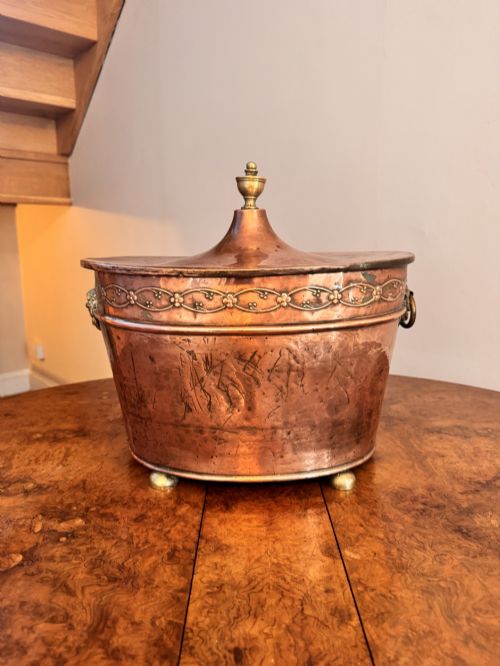
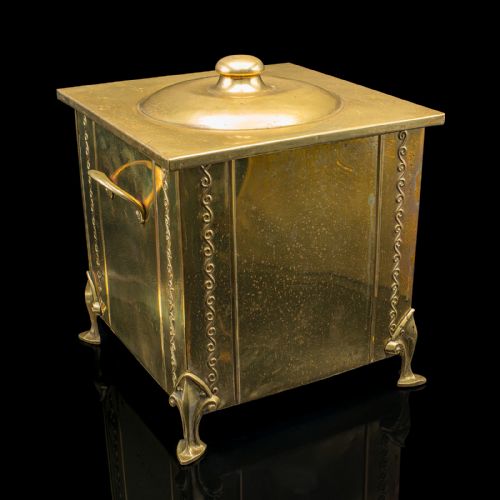
When you search for an antique coal box lid, you are looking at the protective top or cover belonging to a traditional fireside container used for storing solid fuel. These lids complete vessels designated as coal scuttles, bins, buckets, or log bunkers, keeping domestic hearths tidy and contained.
The versions you are most likely to meet on this page originate from the Victorian, Edwardian, and Georgian periods, alongside Regency and 18th-century examples. They appear in forms such as double-lidded buckets and single-cover boxes made to match period fireplace accessories.
Makers fashioned these pieces to sit atop hearth storage units, often pairing a hinged or lift-off top with a matching metal liner inside the main body. Their design reflects the practical demands of coal-heated rooms alongside the prevailing decorative tastes of each era.
How they were made
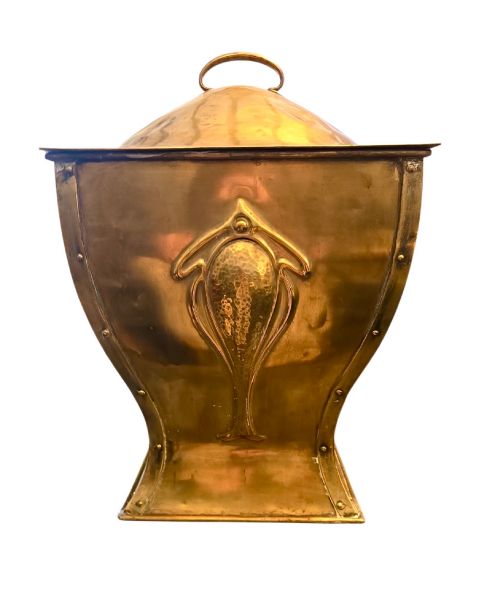
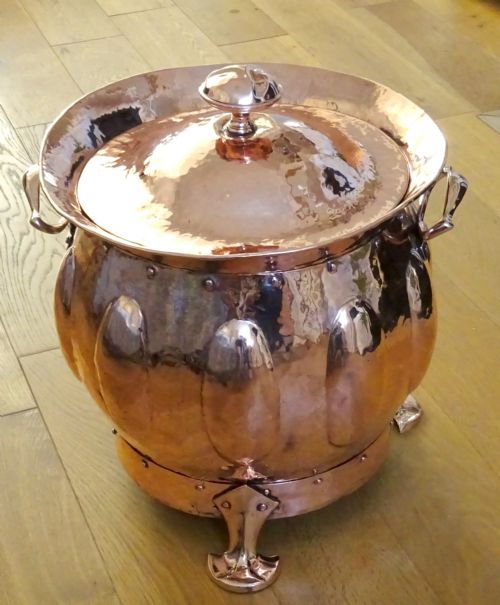
Metal versions rely on sheet brass, copper, and painted iron, often shaped with raised decoration or repoussé work associated with the Aesthetic Movement and Art Nouveau styles. These metal sheets were joined and fitted with handles or hinges to withstand daily domestic handling beside the grate.
Timber examples utilise solid woods like oak and pine, frequently constructed with traditional joinery suited to heavy fuel storage. Wood surfaces were left natural or painted, maintaining the structural strength required for a functional fireside box.
Antique Coal Box Lid Retail Price Guide 2026
Typical asking prices for coal box lid among the pieces listed under this phrase on Sellingantiques today, from the lower quarter to the upper quarter. They describe what is for sale here now, not the wider market.
Some coal boxes retained their original metal liners, having spent a century quietly catching soot while remaining entirely unaware of central heating.
What varies in quality
The distinction between standard utility items and finer pieces lies in the weight of the metal and the substance of the timber. Heavier gauges of brass and copper, together with substantial oak construction, separate robust examples from lighter domestic vessels.
Decorative treatment also sets pieces apart, ranging from plain functional surfaces to detailed Art Nouveau or Aesthetic period ornamentation. The integrity of original hinges, liners, and lids dictates how completely a piece retains its original character.
The Antique Coal Box Lid Glossary
- Coal scuttle
- A container designed specifically to hold coal for a fireplace, typically featuring a sloping body and a hinged lid or cover.
- Log bin
- A large fireside receptacle used for storing firewood rather than coal, often sharing similar lidded box forms.
- Aesthetic Movement
- A late 19th-century design style focusing on visual and material qualities rather than narrative storytelling, frequently seen on brass and copper fireside accessories.
- Repoussé
- A metalworking technique where the metal is hammered from the reverse side to create a raised design on the front.
- Liner
- The internal metal container that sits inside a wooden or metal coal box to catch debris and hold the fuel.
Antique Coal Box Lid: Frequently Asked Questions
What is an antique coal box lid?
An antique coal box lid is the protective cover belonging to a traditional fireside container used for holding solid fuel. These components seal the top of scuttles, bins, and buckets.
They are encountered on pieces dating from the 18th century through the Edwardian era, formed in materials such as brass, copper, oak, and painted iron.
How were these lids used?
These lids served to conceal messy fuel supplies beside the hearth while preventing coal dust from escaping into the room. They lifted or hinged open when fuel was needed for the fire.
In daily domestic life, they formed the visible top of a heavy storage vessel that sat permanently on the hearth.
How do I date a coal box?
Dating relies on observing the materials, construction methods, and stylistic details such as Art Nouveau motifs or Regency proportions. Period markers include the specific type of metalworking and timber joinery used.
Comparing the hardware, handles, and overall form against known Victorian, Georgian, or Edwardian examples helps establish the correct timeframe.
Are these lids interchangeable?
Lids were made to fit specific individual boxes, scuttles, or bins rather than being standardised mass-produced items. Each cover matches the exact dimensions and hinge placement of its original vessel.
Finding a replacement lid that matches both the material and period style requires careful measurement of the opening.