





Brass Log Store Box
These brass log store box pieces are robust fireside containers designed to hold fuel, offering both utility and period character.
Brass Log Store Box
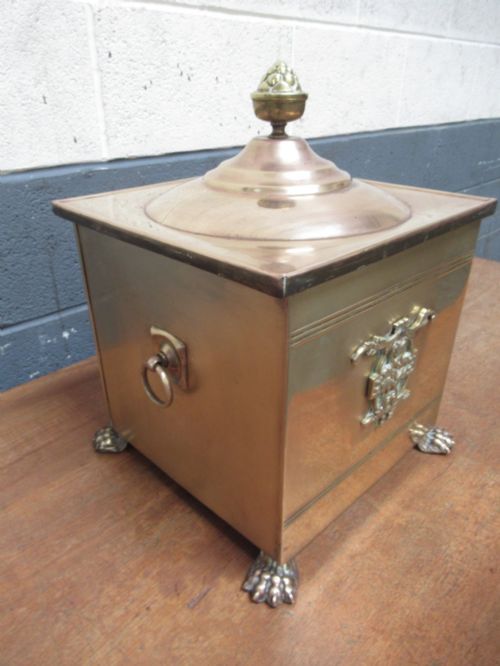
A brass log store box serves a practical purpose beside the hearth, holding coal, logs, and kindling while adding a decorative focal point to the room. When searching for a brass log store box, buyers encounter various forms including traditional coal scuttles, purdoniums, bins, and lidded boxes.
The materials span from solid timber bodies clad or mounted in metal to entirely metallic vessels formed from brass, copper, and iron. Many examples originate from the Victorian and Edwardian eras, alongside pieces attributed to the Arts and Crafts, Art Nouveau, and Regency periods.
Materials and construction methods
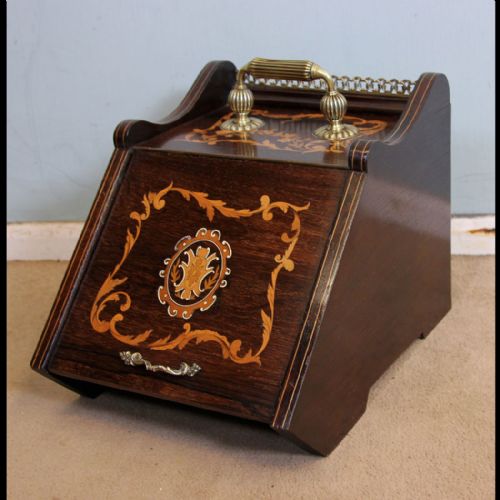
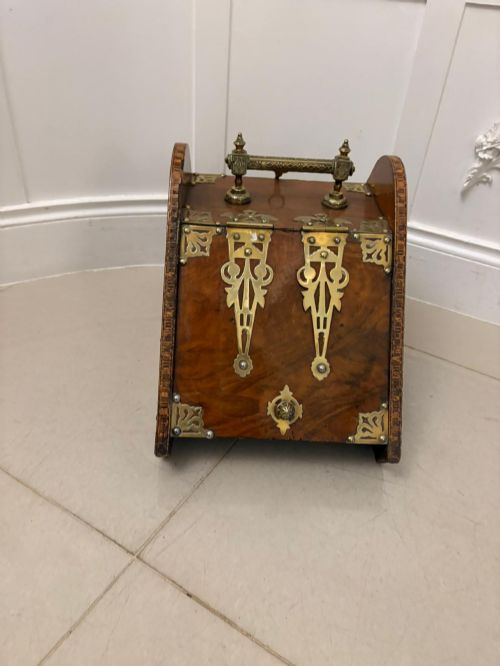
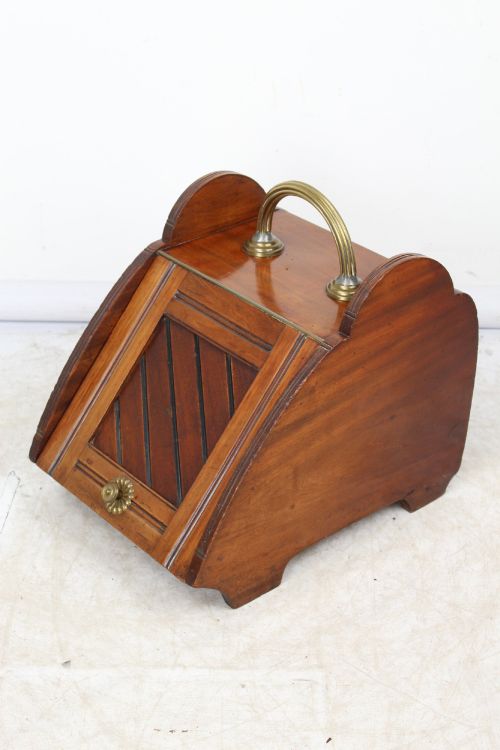
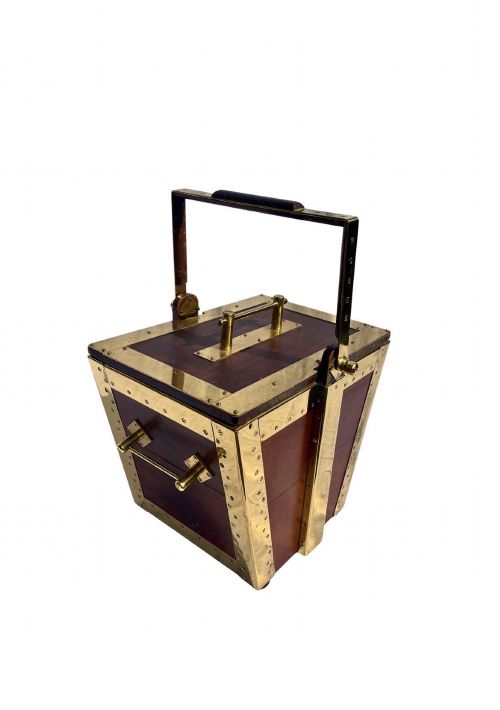
Construction relies heavily on combining durable hardwoods such as mahogany, oak, walnut, and pine with sheet metal components. Wood bodies are frequently carved, inlaid, or fitted with drop handles, hinges, and shovels.
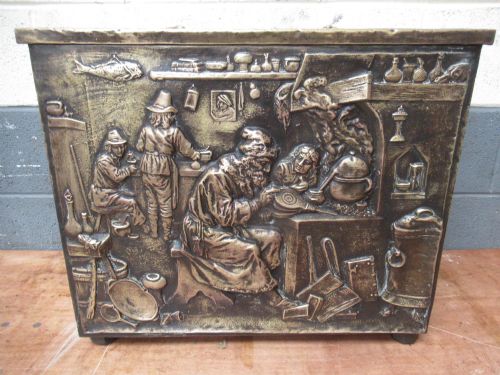
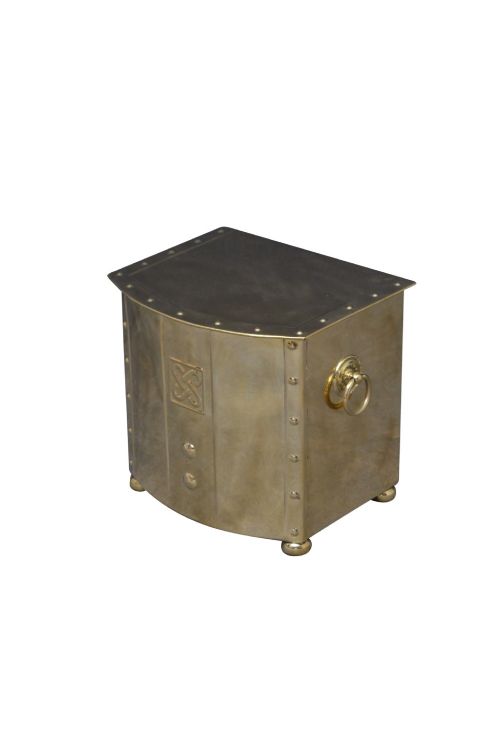
Metal elements involve pressing, embossing, and riveting sheet brass and copper onto timber carcases or forming standalone bins. Surface decoration ranges from repoussé motifs to folk art painting on toleware.
Brass Log Store Box Retail Price Guide 2026
Typical asking prices for brass log store box among the pieces listed under this phrase on Sellingantiques today, from the lower quarter to the upper quarter. They describe what is for sale here now, not the wider market.
Listings feature items from the Victorian, Edwardian, and Regency periods, utilising brass, oak, mahogany, copper, and iron.
Assessing quality in construction
Quality rests upon the gauge of the metal used, the thickness of the timber, and the integrity of the joinery and fixings. Thicker brass sheet resists denting, while securely dovetailed or carved wooden boxes endure the heavy weight of fuel.
Refinement in surface ornamentation distinguishes standard utility vessels from superior examples. Finely chased repoussé work, precise mahogany or satinwood inlay, and original brass furniture elevate a piece.
The Brass Log Store Box Glossary
- Purdonium
- A specialised coal box featuring a sloping drop-front door designed to chute fuel forward for easy access. They often incorporate an interior metal liner and matching shovel.
- Repoussé
- A metalworking technique where the design is hammered into relief from the reverse side. It creates tactile surface patterns on brass and copper panels.
- Toleware
- Enamelled or japanned metalware, frequently decorated with hand-painted folk art scenes. It provides a durable, colourful finish for domestic containers.
- Aesthetic Movement
- A late nineteenth-century design style emphasising visual beauty over narrative meaning. Pieces from this period often display simplified forms and stylized ornamentation.
Brass Log Store Box: Frequently Asked Questions
How do I clean a brass log box?
Use a soft cloth and mild soapy water to remove dust and soot from the metal and wood surfaces. Avoid harsh abrasive cleaners that strip the aged patina.
Dry the metal thoroughly after cleaning to prevent tarnishing and protect any wooden elements with a suitable wax polish.
Can I actually store logs inside these boxes?
Most of these containers are built to hold solid fuel like coal or logs for immediate fireside use. Ensure the interior liner is dry to protect the surrounding timber or metal structure.
Keep larger, heavier timber outside and reserve the box for manageable logs and kindling to prevent structural strain.
What is the difference between a scuttle and a purdonium?
A scuttle typically resembles a traditional bucket with a pivoting swing handle and an angled opening for scooping. A purdonium is a freestanding box with a hinged or drop-down front containing a removable metal liner.
Both serve the same primary function of fuel storage but offer different mechanical approaches to accessing the contents.
How do I date a Victorian brass log box?
Examine the construction methods, such as dovetailing on wooden interiors and the type of screws or fixings used on the metal mounts. Stylistic cues like Aesthetic Movement motifs or Arts and Crafts hand-hammering help narrow down the decade.
Maker's marks or registration stamps on the brass components can also provide precise manufacturing dates.