
Vintage Brass Metal Bed
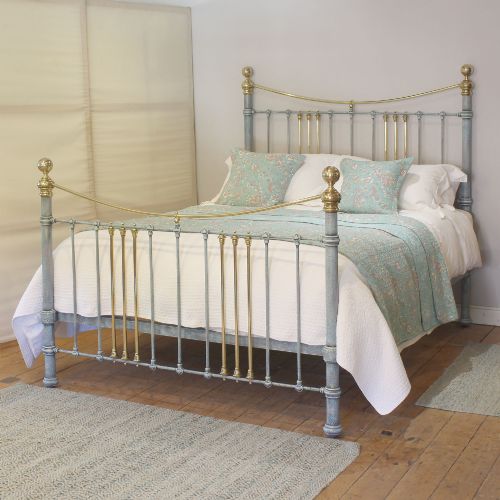
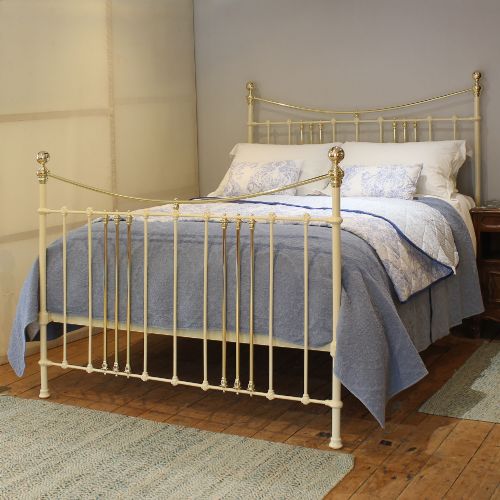
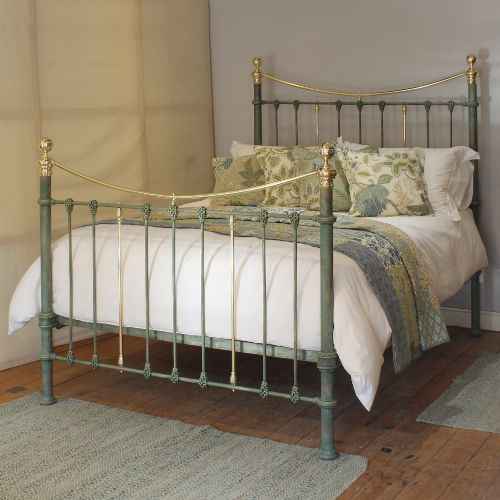
A vintage brass metal bed brings the substantial weight and decorative presence of nineteenth-century sleeping quarters into a modern bedroom.
Vintage Brass Metal Bed
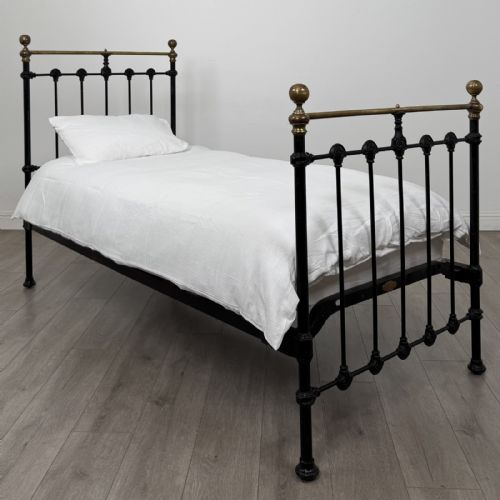
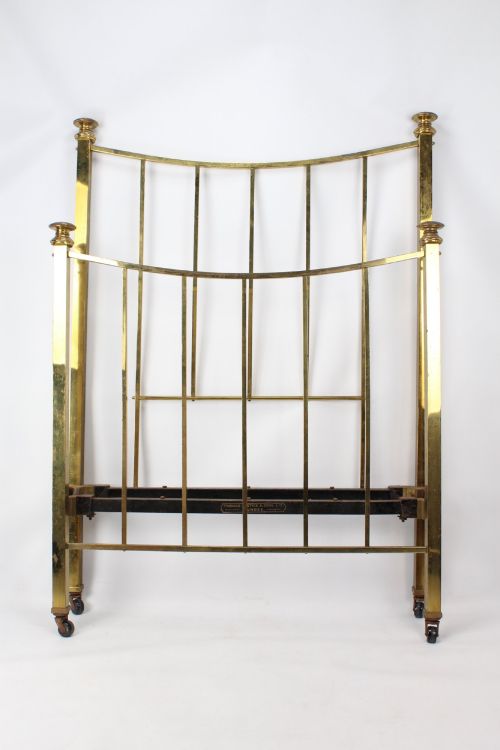
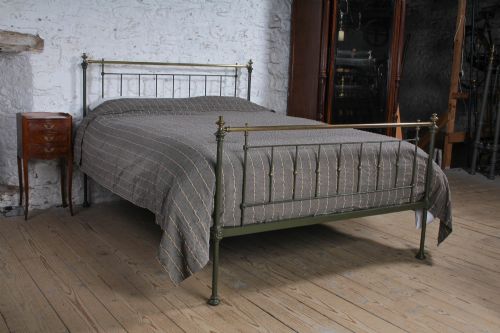
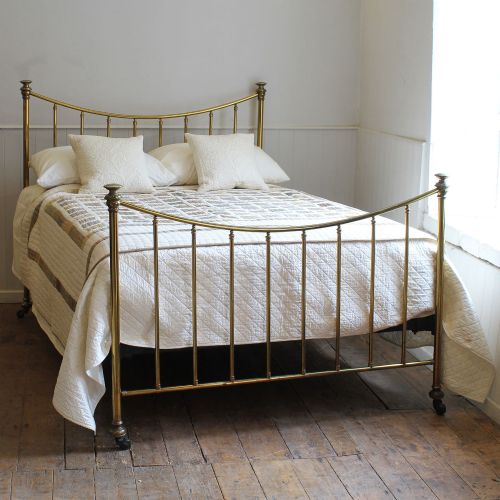
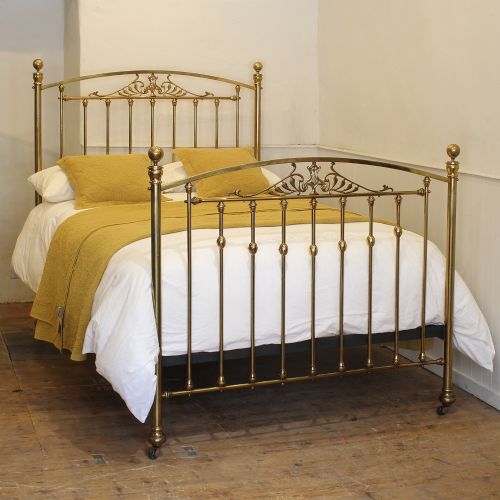
When searching for a vintage brass metal bed, buyers encounter substantial frames built during the Victorian and Edwardian eras, spanning from the mid-nineteenth century up to the early twentieth century. These pieces primarily take the form of full bedsteads and bed frames, often combining polished metal tubing with sturdy structural iron.
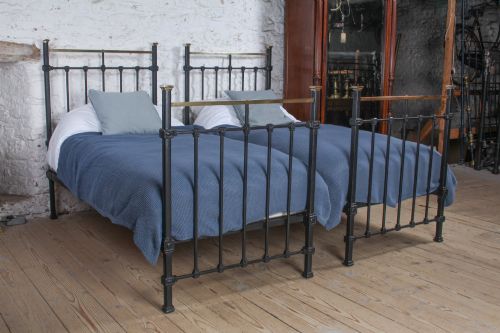
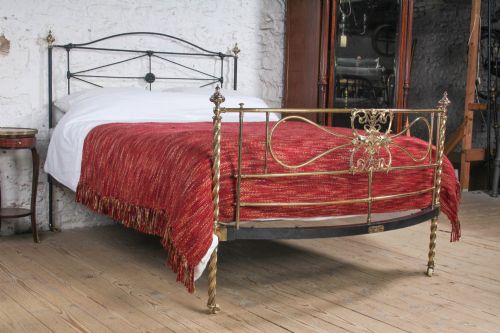
The selections available here lean heavily toward Victorian and Edwardian examples, alongside occasional French provincial and Gothic Revival variations. Sizes range from single and small double dimensions up to king and super king proportions, occasionally including half tester designs.
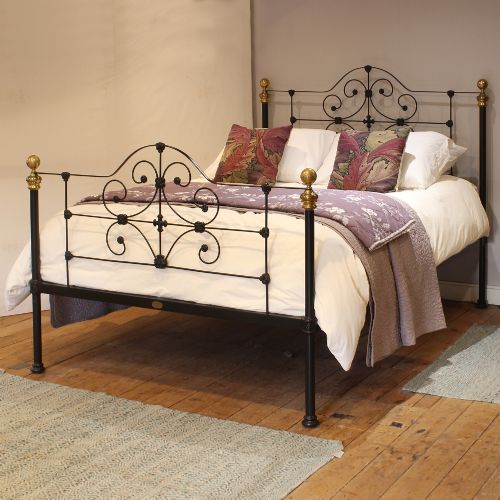
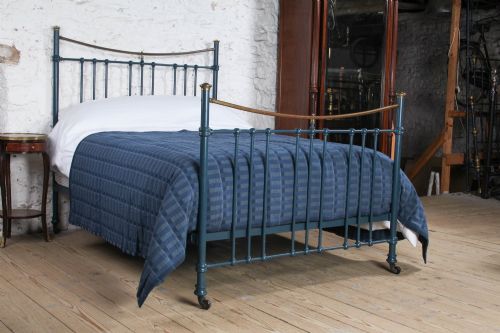
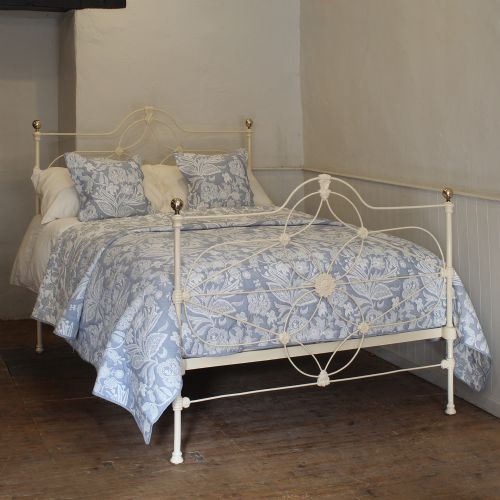
Makers and workshops of the period utilised robust combination construction, joining heavy metal components with slot-in frames and castors for mobility. Many of these frames incorporate decorative ironwork, painted surfaces, or ceramic and mother of pearl details alongside the primary polished metal structure.
How they were made
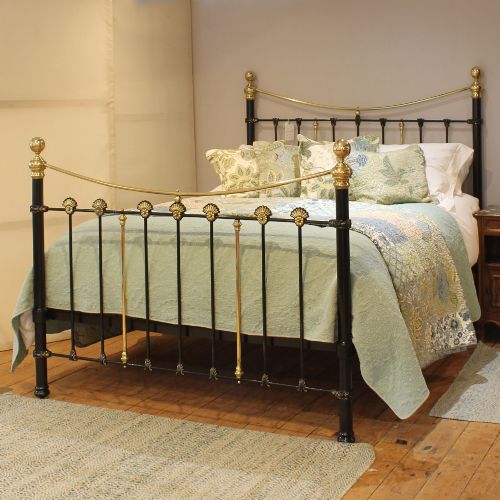
Makers constructed these frames using a combination of solid brass, brass plating over iron cores, and heavy cast iron. Structural elements relied on iron for strength, while brass tubing and decorative castings provided a polished visual finish.
Individual components were joined using mechanical fasteners, slot-in iron frames, and detailed brass or iron castings fixed at the joints. Many models incorporated ceramic inserts, mother of pearl accents, or painted toleware finishes to enhance the decorative appearance of the metalwork.
Listings feature periods from the 1860s through the Edwardian era, incorporating solid brass, cast iron, and painted toleware materials.
What varies in quality
Quality in these beds is defined by the complexity of the castings, the thickness of the metal tubing, and the integrity of the original joints. Exhibition quality pieces and designated maker pieces display heavier gauge metal and more intricate detailing.
Simpler single frames offer clean lines without elaborate ornamentation, whereas grander half tester and super king examples showcase refined decorative brasswork and substantial structural frames designed to endure.
Maple and Co·Hoskins and Sewell·RW Winfield
The Vintage Brass Metal Bed Glossary
- Bedstead
- A framework of a bed, consisting of the headboard, footboard, and side rails. These nineteenth-century examples often use slot-in iron frames set on castors.
- Half Tester
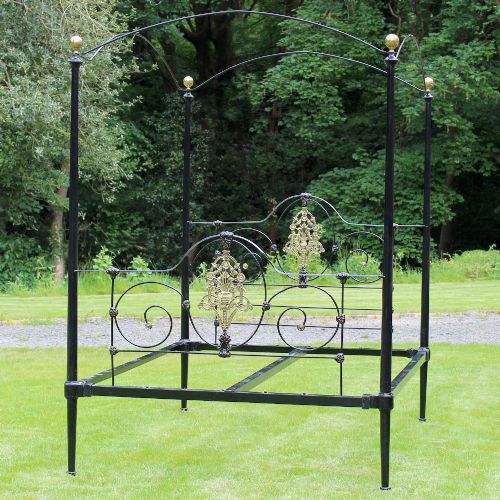
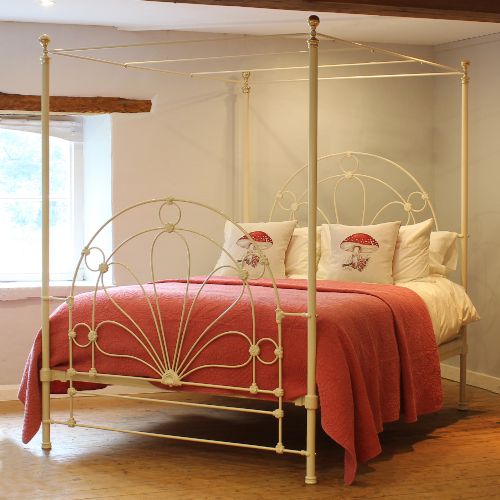
- A bed with a partial canopy extending from the headboard over the upper portion of the mattress. This style appeared on larger Victorian exhibition pieces.
- Castings
- Shaped metal components poured into moulds to create decorative joints and ornaments. Makers used these to adorn the corners and intersections of iron and brass frames.
- Dip Rail
- A headboard or footboard rail curving downward toward the centre. This configuration is typical of Edwardian and late Victorian designs.
- Toleware
- Enamelled or lacquered metalware, often decorated with painted scenes or colours. Some nineteenth-century continental bed frames incorporate this finish.
Vintage Brass Metal Bed: Frequently Asked Questions
Will a vintage brass bed fit modern mattresses?
Many nineteenth-century bed frames were built to historical sizing standards that differ slightly from contemporary mattress dimensions. Buyers frequently check the exact internal rail measurements to ensure a standard modern mattress drops securely into place.
Adjustment or custom support slats may be required for older king and double frames to achieve a proper fit while maintaining the original structural side rails.
How do I care for polished brass and iron frames?
Routine maintenance involves dusting the metal surfaces with a soft, dry cloth to prevent the accumulation of grit and moisture. Avoid abrasive cleaners or harsh chemical polishes that can strip protective lacquers or vintage patinas from the brass.
Cast iron sections benefit from gentle wiping, while painted or enamelled components require simple dry cleaning to preserve the original finish.
Can these beds be easily dismantled for moving?
Victorian and Edwardian metal beds were engineered for straightforward assembly and disassembly using slot-in joints and wedge fastenings. This modular construction allows the headboard, footboard, and side rails to separate into manageable components for transport.
Care should be taken when handling older brass tubing and decorative castings to avoid bending the connecting pins during transit.