



Vintage Brass Lion Pair
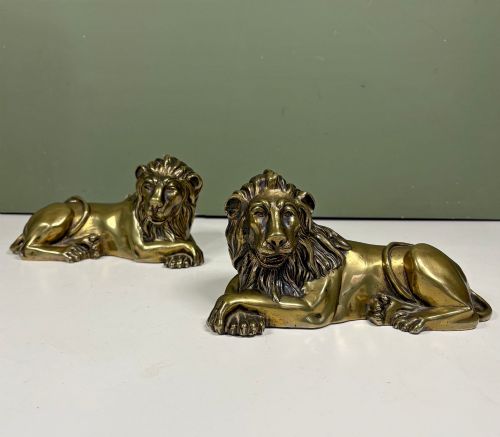
These vintage brass lion pair items are solid metal sculptures and decorative furnishings designed to display fierce majesty in your home.
Vintage Brass Lion Pair
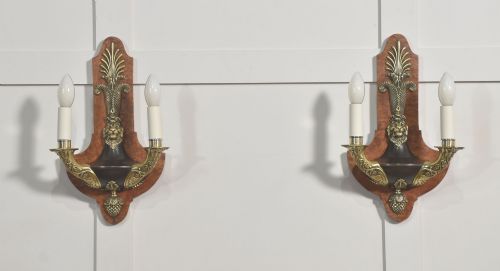
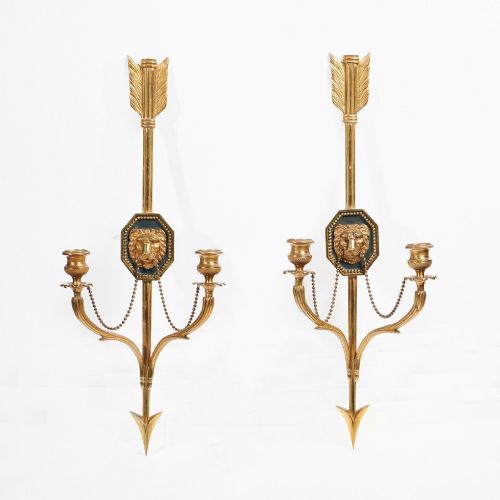
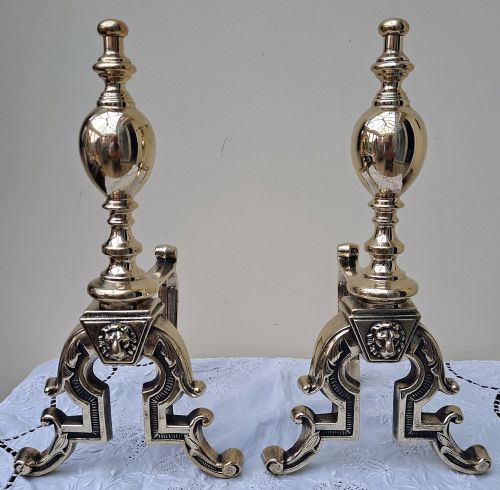
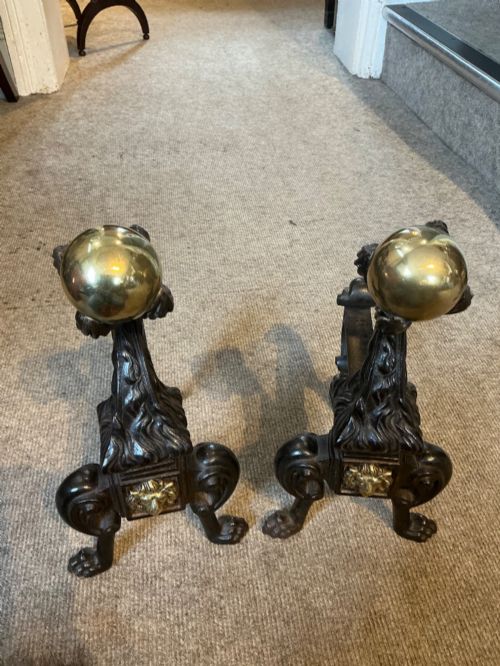
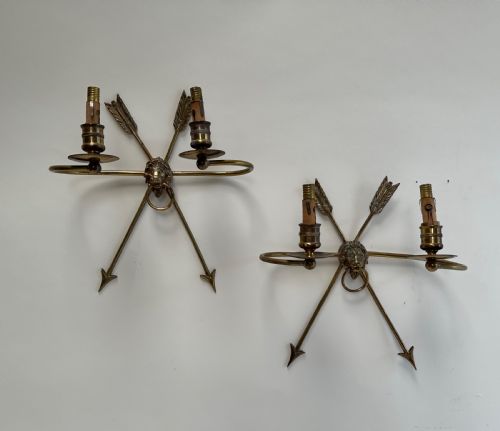
The versions you are most likely to meet on this page span the 19th century and the early 20th century, capturing regal poses in cast brass, bronze, and gilt metal. They bring domestic utility together with heraldic design, serving as bookends, fire dogs, and door porters.
How they were made
These pieces rely heavily on casting techniques using brass, cast iron, and bronze, resulting in sturdy items with substantial weight. Makers utilised patination and gilding to enrich the metal surfaces.
Some decorative objects incorporate embossed brass work, while others feature intricate surface detailing such as ormolu finishes. The combination of durable metals ensured both decorative appeal and functional longevity in domestic settings.
Even fierce metal lions need a rest, which is why half of them spend their days holding up heavy books or doors.
What varies in quality
The choice of metal alloys and the survival of original patination or gilt bronze finishes also dictate the overall character. Heavier castings with distinct tactile qualities generally represent the upper tier of the range.
C Omin
The Vintage Brass Lion Pair Glossary
- Andirons
- Supports for burning logs in a fireplace, often featuring decorative metal frontpieces. They are also known as firedogs.
- Ormolu
- Gilt bronze applied to furniture and decorative objects. It involves using a finely ground gold-mercury amalgam on a bronze object.
- Dinanderie
- Medieval and later European brass or copper-alloy hollowware and decorative objects. The term derives from the Belgian town of Dinant.
- Regency
- A British design period spanning the early nineteenth century. It draws heavily on classical Greco-Roman motifs.
- Patinated
- The surface alteration of metal resulting from age or chemical treatment. This process changes the original colour of the brass or bronze.
Vintage Brass Lion Pair: Frequently Asked Questions
What rooms suit a vintage brass lion pair?
These pieces work well in studies, living rooms, and grand hallways where metal furnishings add weight and character. They sit naturally on mantelpieces, bookshelves, or beside hearths.
Because many were originally used as doorstops, bookends, or fire accessories, they anchor a space while serving a practical purpose.
How do I clean antique brass?
Dusting with a soft, dry cloth is usually sufficient to maintain the surface without removing the accumulated age of the metal. Avoid harsh chemical polishes that strip away patination.
Preserving the original finish helps retain the historical character and visual depth of the cast metal.
How can I tell a Regency lion from a Victorian one?
Regency pieces often display cleaner classical Neoclassical lines influenced by French Empire styles. Victorian items tend toward heavier ornamentation, reflecting Gothic Revival or eclectic nineteenth-century tastes.
Examining the casting style and the weight of the metal provides further clues to the period of origin.
Were these lions used outdoors?
Most of these domestic items were cast for interior placement as door porters, wall lights, and fireplace accessories. Placing them outside exposes them to moisture that can damage historical finishes.
Keeping them indoors preserves the original patination and protects the integrity of the cast brass or bronze.