



Regency Brass Lions
Regency brass lions bring sculptural presence to a room, appearing on items ranging from door porters to furniture mounts.
Regency Brass Lions
When you search for regency brass lions, you encounter decorative objects and furniture hardware produced during the 19th Century, alongside later revivals. The selection includes pairs of cast figures, curtain tie-backs, and door stops.
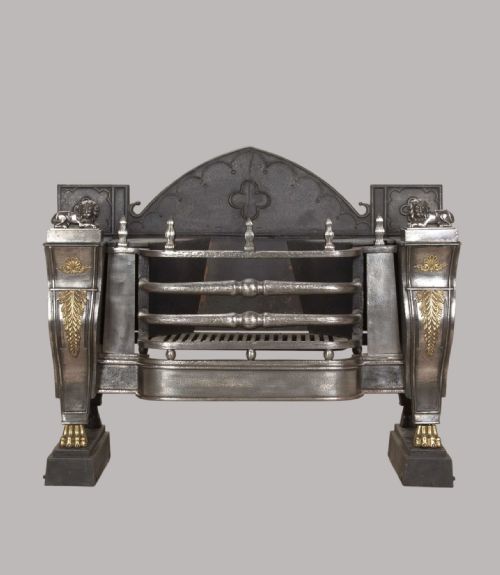
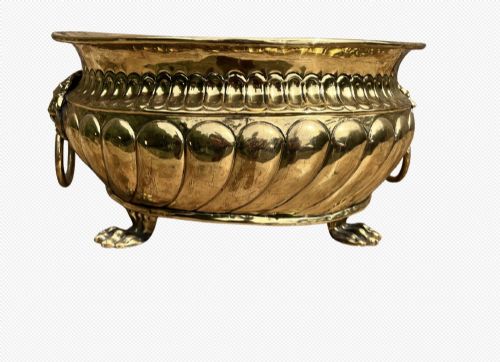
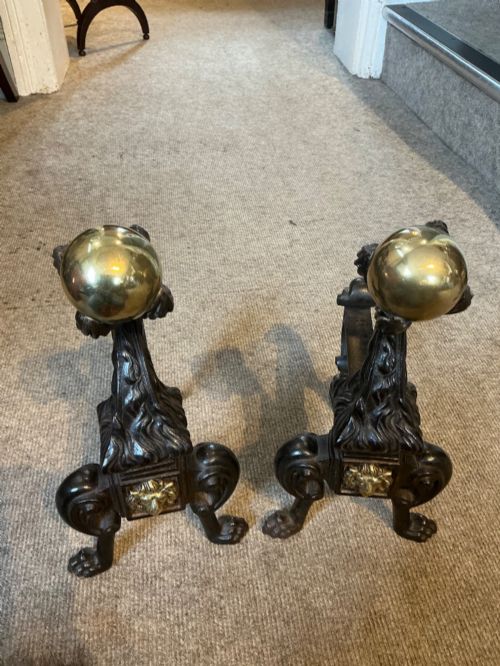
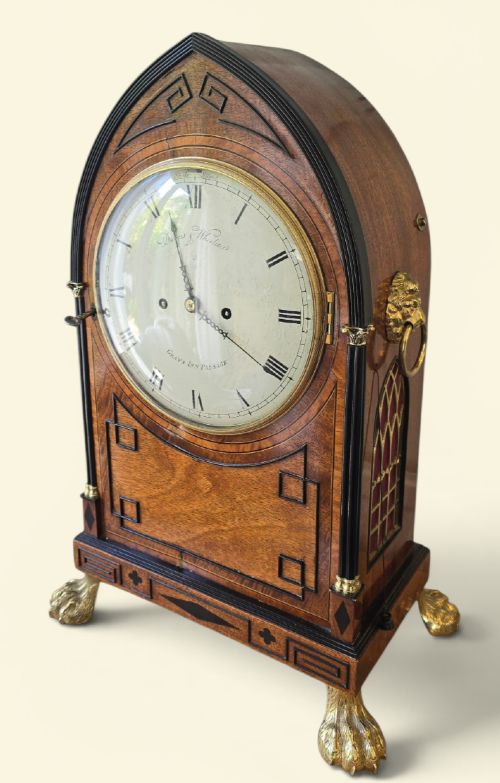
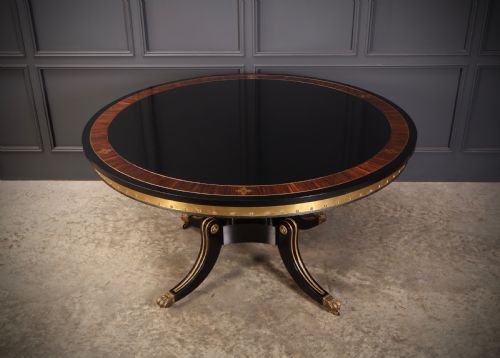
The most direct examples of the phrase appear as matched pairs of cast brass lions from the Regency period, mirroring the cast brass lion paw feet found on rosewood card tables and similar furniture from the era.
How they were made
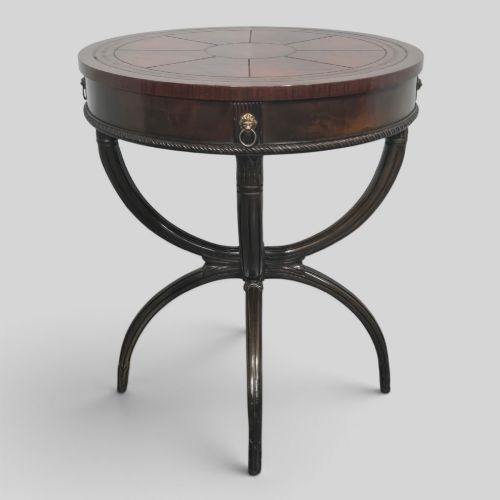
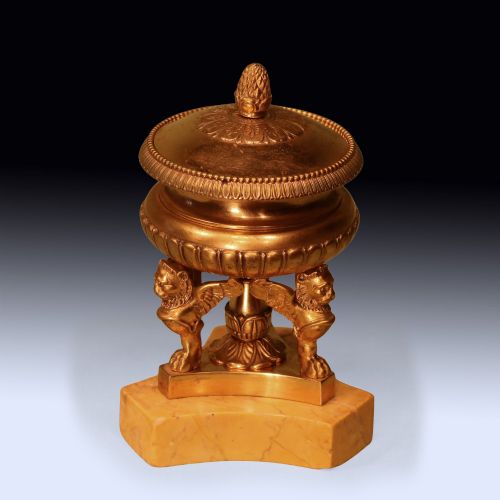
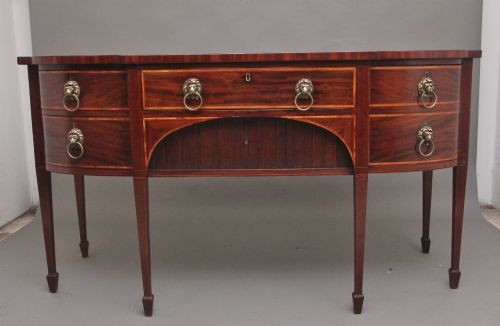
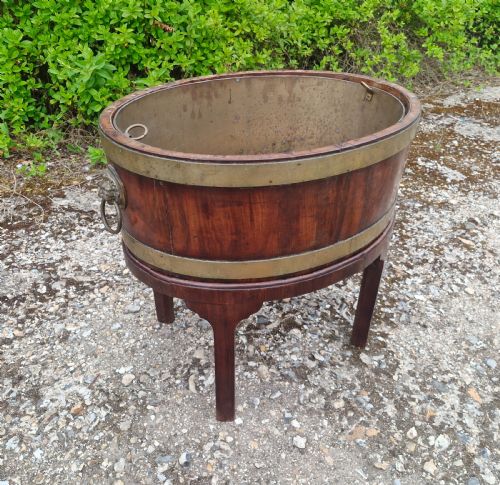
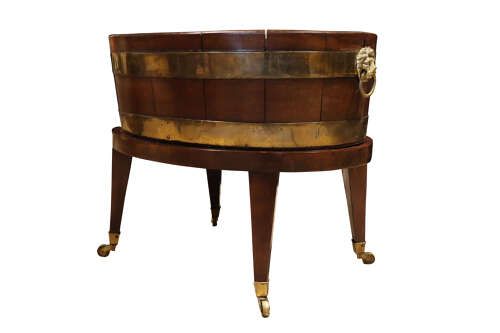
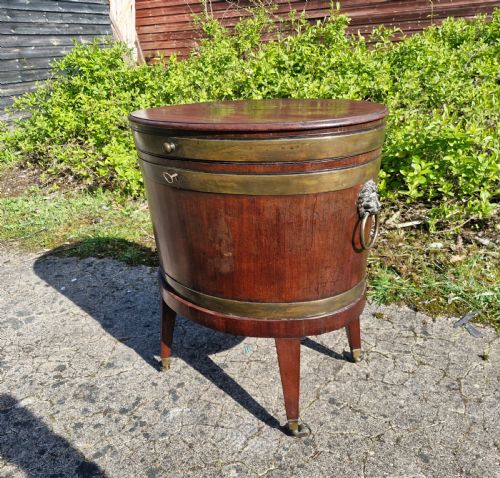
Many pieces incorporate secondary materials such as mahogany, rosewood, and Sienna marble, integrating brass lion mask handles and mounts onto tea caddies, cellarettes, and furniture.
Door porters stood ready in drafty hallways, letting heavy brass lions keep the parlor doors from slamming.
What varies in quality
Proportion and surface finish distinguish finer items, where hand-finished chasing enhances the anatomical definition of the lion, unlike mass-produced castings with softer edges.
Desbois and Wheeler·Mack Williams and Gibton·Gillington of Dublin
The Regency Brass Lions Glossary
- Ormolu
- Gilded bronze used for decorative mounts and small sculptural objects. This technique involves applying a mercury-gilding process to cast bronze.
- Cellarette
- A lockable container used for storing wine bottles, frequently fitted with brass handles and lion mask motifs. These containers appear in mahogany or rosewood.
- Door porter
- A heavy weighted door stop designed to keep interior doors open. These objects often take the form of cast brass lions or paw feet.
- Bracket clock
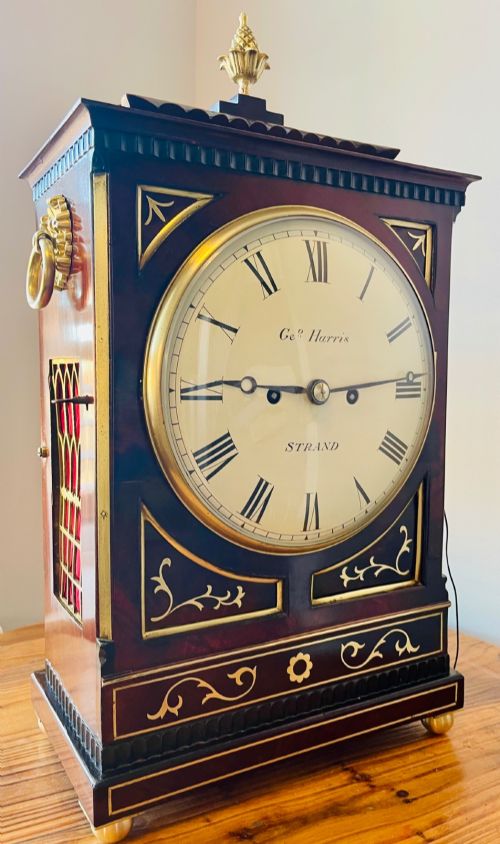
- A portable clock designed to sit on a bracket or table, often featuring brass inlays and movement strikes. These pieces date from the Georgian and Regency periods.
- Sarcophagus
- A coffin-shaped box form popular for tea caddies and cellarettes during the Regency era. These vessels frequently incorporate lion mask ring handles.
Regency Brass Lions: Frequently Asked Questions
What were brass lions used for?
Brass lions served decorative and functional purposes in 19th-century interiors, appearing as door porters, furniture hardware, and curtain tie-backs. They also featured as cast paw feet supporting tables and card tables.
Smaller castings functioned as door knockers or decorative mounts on tea caddies and cellarettes, adding neoclassical motifs to domestic furnishings.
How do I date a brass lion piece?
Dating relies on the casting quality, the weight of the metal, and the accompanying materials such as period mahogany or rosewood. Earlier 19th-century examples exhibit hand-chased details and heavier brass composition.
Later revival pieces from the 1920s or 1930s often show different casting methods and lighter construction. Comparing the style to documented Regency hardware helps establish the timeline.
Are these items made of solid brass?
Most items listed under this category utilise solid cast brass, bronze, or ormolu for the animal figures and mounts. Heavier pieces like door stops are cast solid for weight.
When mounted onto furniture, the brass elements are secured with pins or screws to wood bodies such as mahogany or rosewood.
How should I clean antique brass?
Antique brass benefits from minimal intervention to preserve its historical surface and natural patina. Dusting with a dry cloth is generally sufficient for regular maintenance.
Avoid aggressive metal polishes that strip away the aged surface character accumulated over the centuries.