
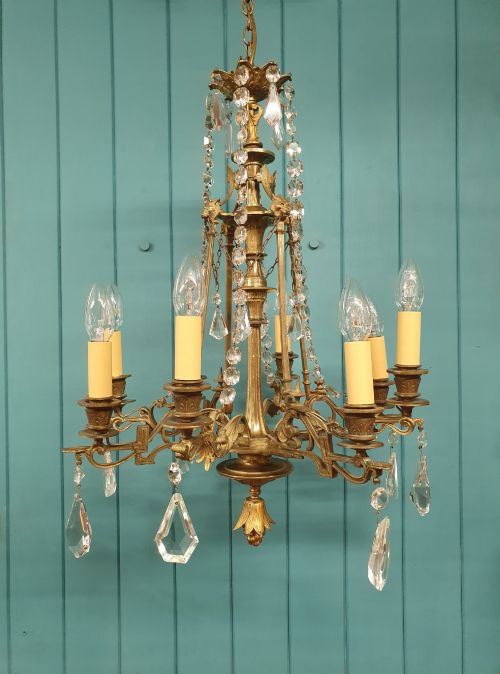
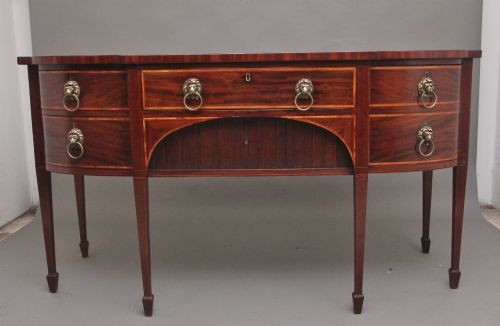
Victorian Brass Lions
These victorian brass lions are heavy cast ornaments, hearth furniture and architectural mounts that bring nineteenth-century metalwork into a modern room.
Victorian Brass Lions
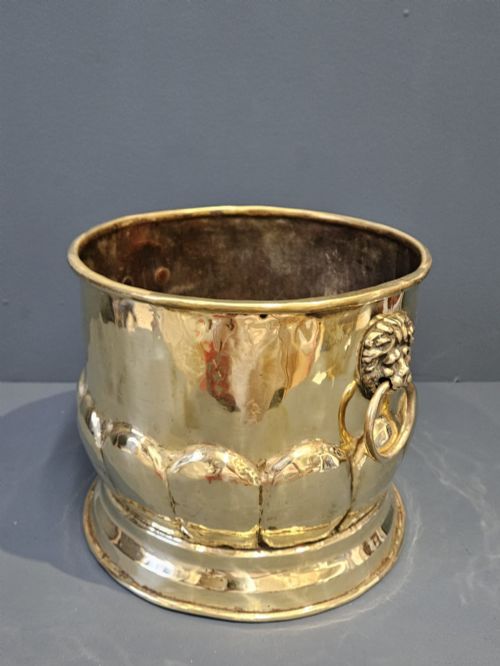
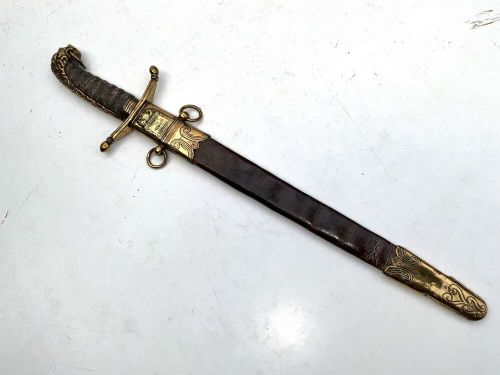
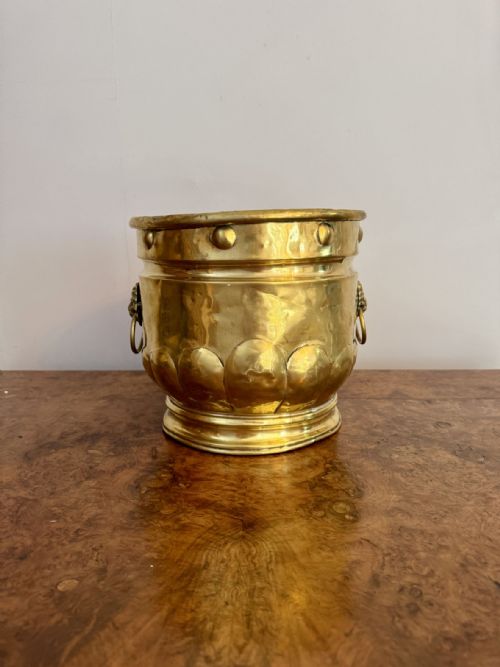
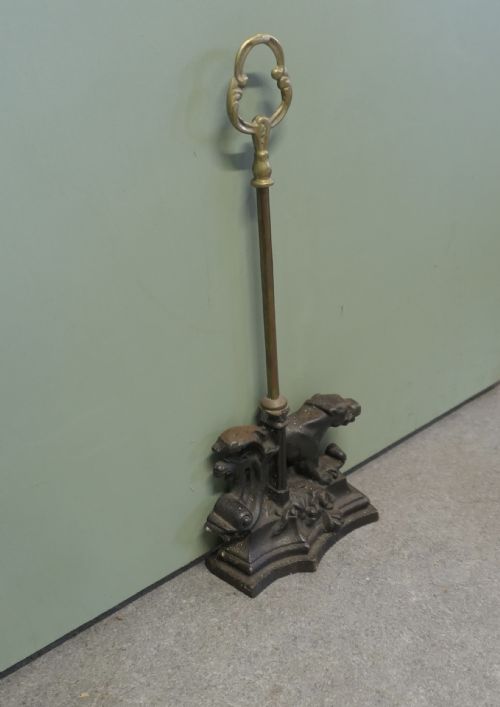
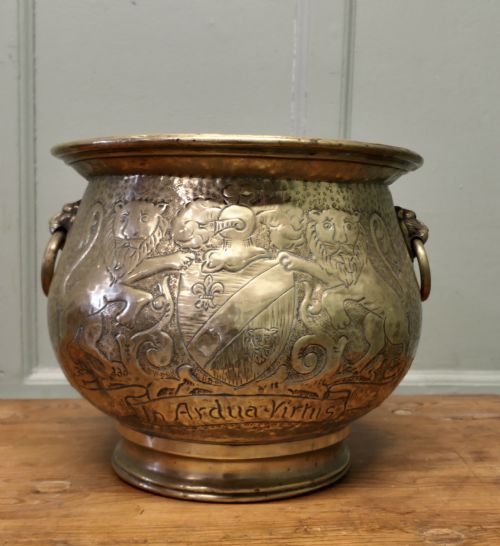
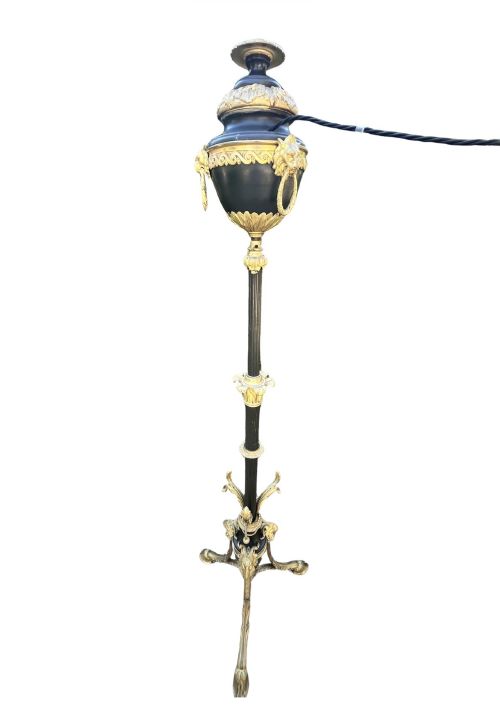
When you search for victorian brass lions, you encounter decorative fittings and heavy metalwork cast during the nineteenth century. These pieces primarily take the form of hearth accessories, doorstops, and sculptural mounts attached to planters and coal buckets.
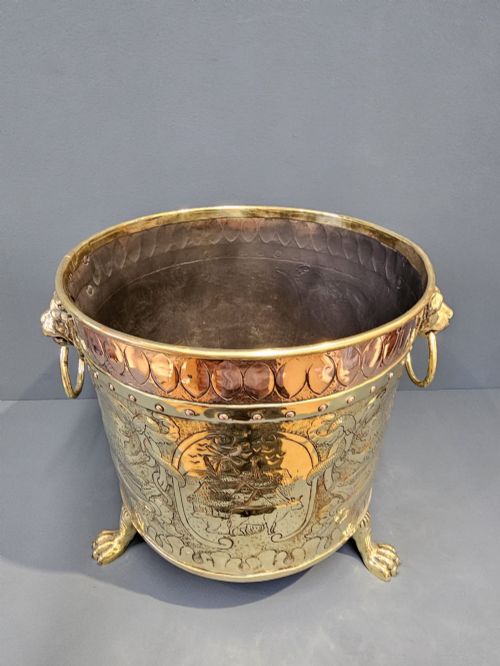
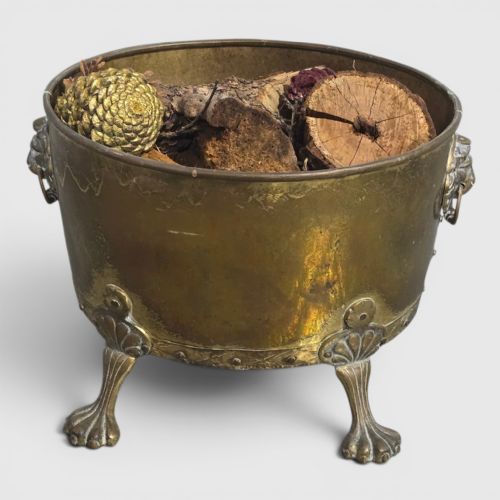
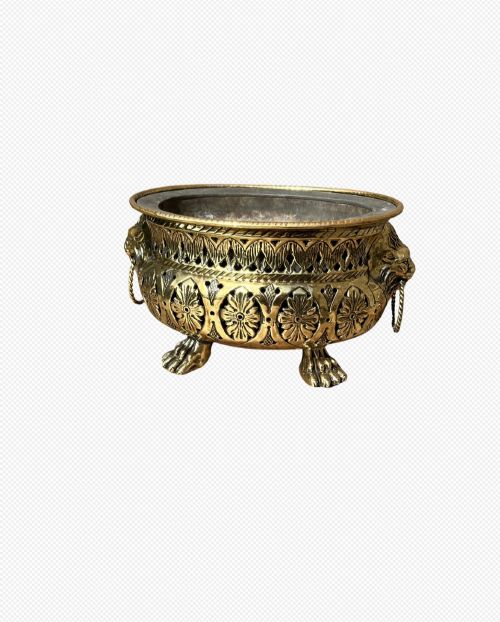
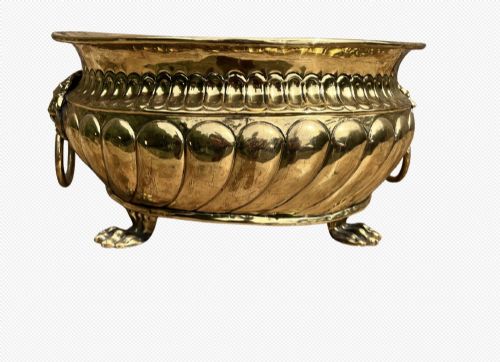
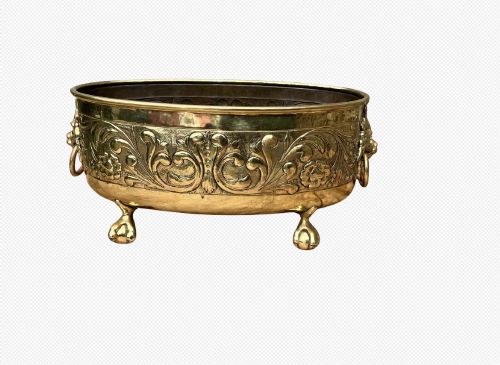
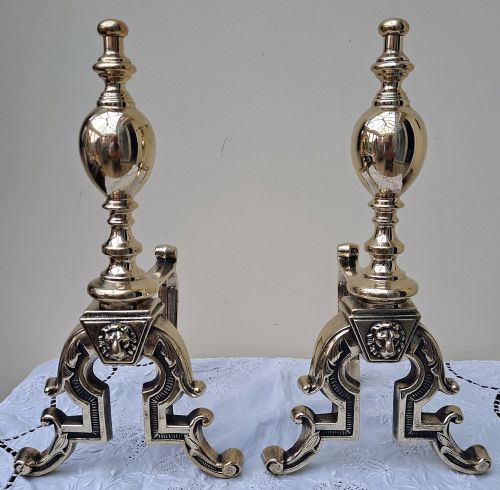
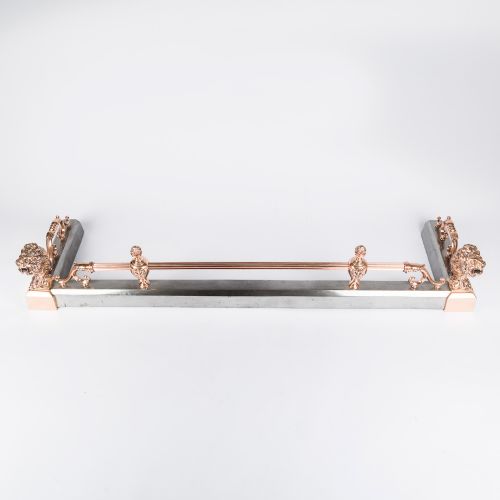
The objects most frequently met on this page include fireplace fenders, coal bins, and jardiniere vessels featuring cast brass lion mask handles or hairy paw feet. They span various regional interpretations, including English domestic foundry work and continental Dutch revival pieces.
These items served both utilitarian and decorative purposes in nineteenth-century interiors, anchoring heavy hearth equipment or containing fuel. Their enduring appeal lies in the weight of the metal and the sculptural vigour of the cast animal motifs.
Materials and Technique
The pieces rely primarily on cast brass, often combined with hand-beaten copper bodies, cast iron frames, and steel components. Foundries utilised sand-casting techniques to form the heavy lion masks, paw feet, and decorative mounts.
Surface decoration was achieved through piercing, embossing, and chasing the sheet brass or copper bodies before assembly. Rivets and soldered joints secure the handles and feet to the main vessels, showing the hand of nineteenth-century metalworkers.
Listings show victorian brass lions integrated into coal bins, jardiniere planters, and heavy doorstops spanning the nineteenth century.
Assessing Quality and Craftsmanship
The relationship between the metal body and its cast mounts indicates the standard of manufacture. Superior items integrate heavy brass handles and weighted iron cores seamlessly into functional pieces like doorstops and coal scuttles.
The Victorian Brass Lions Glossary
- Jardiniere
- A decorative pot or stand for holding plants or flowers. These vessels often feature heavy brass bodies with applied lion mask handles.
- Doorstop
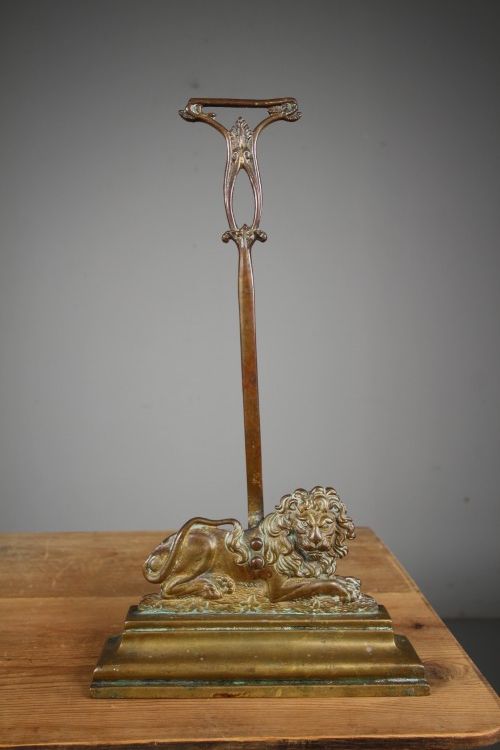
- A heavy weighted object used to keep a door open. Nineteenth-century examples often take the form of freestanding brass lions or porters.
- Fender
- A low metal guard placed in front of a fireplace to contain embers. Many Victorian examples incorporate brass lions paw feet.
- Dinanderie
- An umbrella term for medieval and later objects made of brass or copper alloy. The term often describes heavy continental jardiniere vessels.
- Embossing
- Raising a design in relief onto sheet metal by hammering from the reverse side. This technique decorates the bodies of many brass log bins.
Victorian Brass Lions: Frequently Asked Questions
What were victorian brass lions used for?
These items served practical functions in nineteenth-century homes as doorstops, fireplace fenders, and coal receptacles. The lion motifs added status and decorative weight to everyday domestic metalwork.
Over time, these utilitarian objects transitioned into purely decorative interior pieces valued for their substantial metal construction and sculptural presence.
How do I clean antique brass?
Antique brass requires gentle cleaning to preserve the dark oxidation and mellow surface accumulated over decades. Aggressive polishes strip away the historic patina that collectors value.
Dust the surface regularly with a soft cloth and avoid chemical agents unless active corrosion threatens the integrity of the metal.
Are these pieces English or continental?
The listings include both domestic English foundry work and continental examples, particularly from France and the Netherlands. Dutch pieces often feature heavy beaten copper combined with cast brass lion elements.
Examining the construction methods and the specific styling of the lion masks helps identify the regional origin of each piece.
How do I spot a reproduction?
Genuine nineteenth-century pieces display correct manufacturing methods such as hand-cut threads, old soldering, and natural wear patterns on the underside of bases and feet. Modern reproductions often feel lighter and lack the deep patination of period metal.
Look closely at the casting quality, as modern copies frequently show soft, blurred details on lion masks and modern fastening screws.