
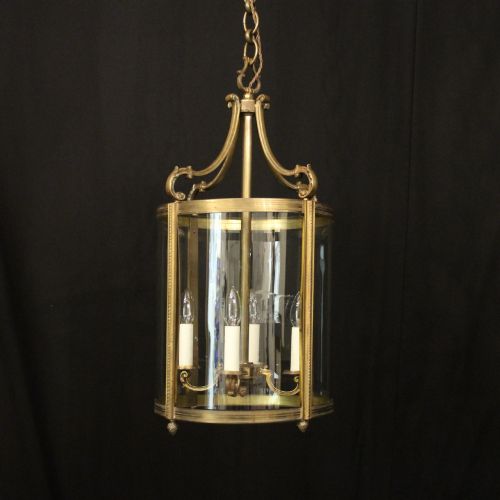
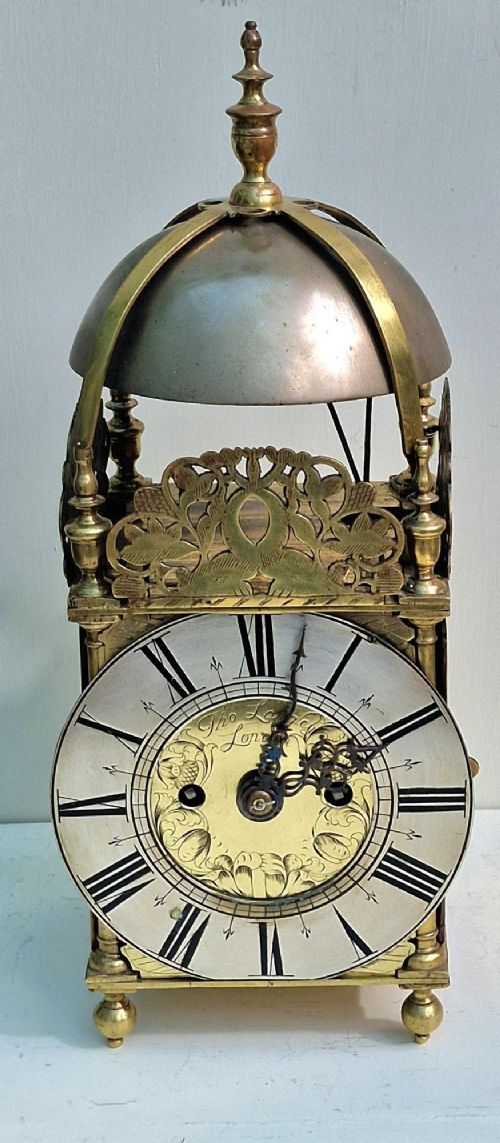

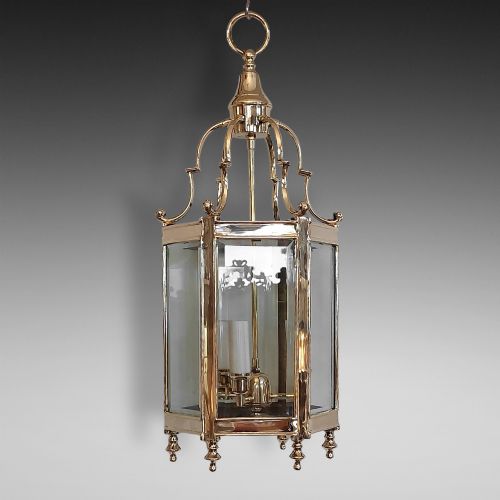
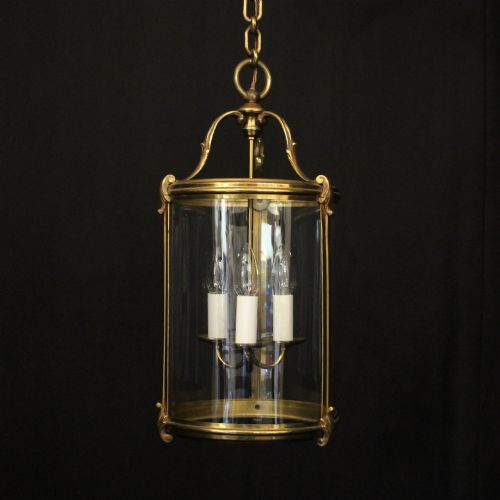
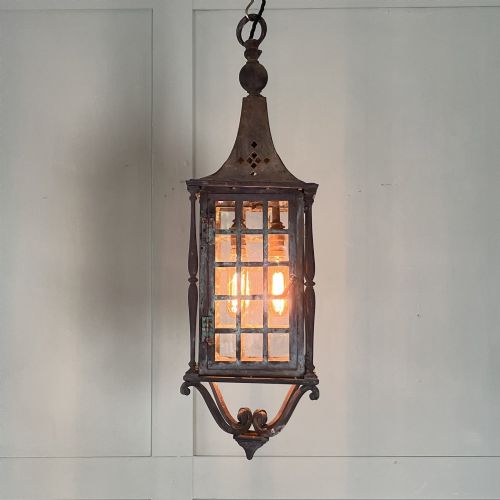
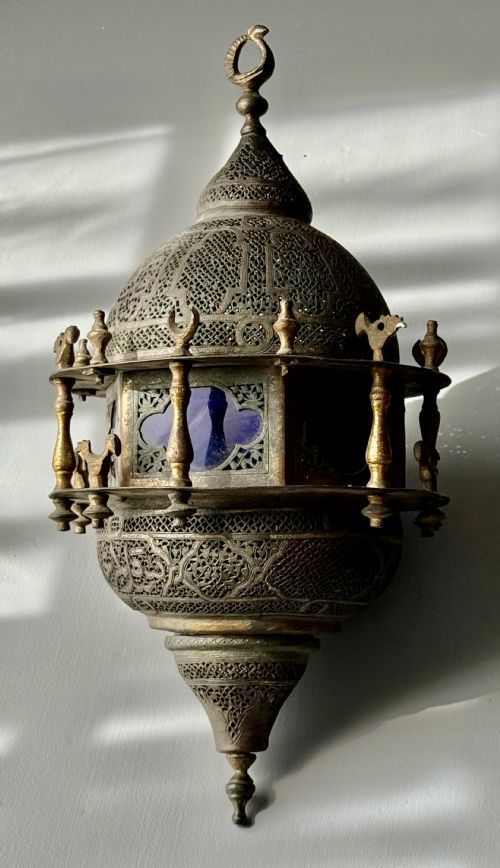
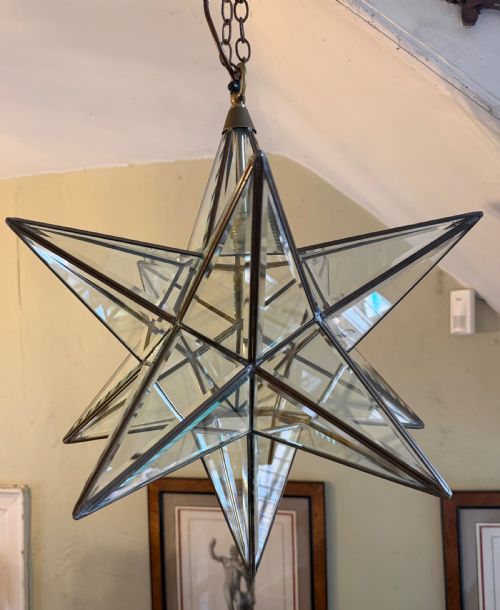
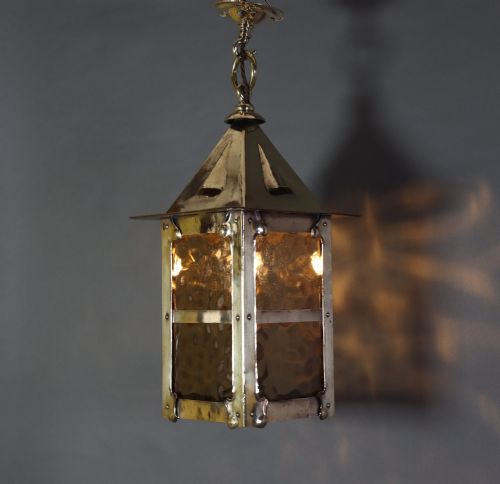
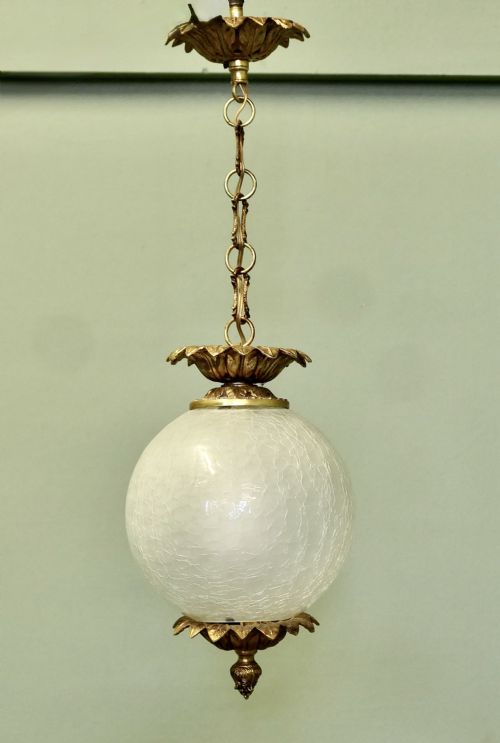
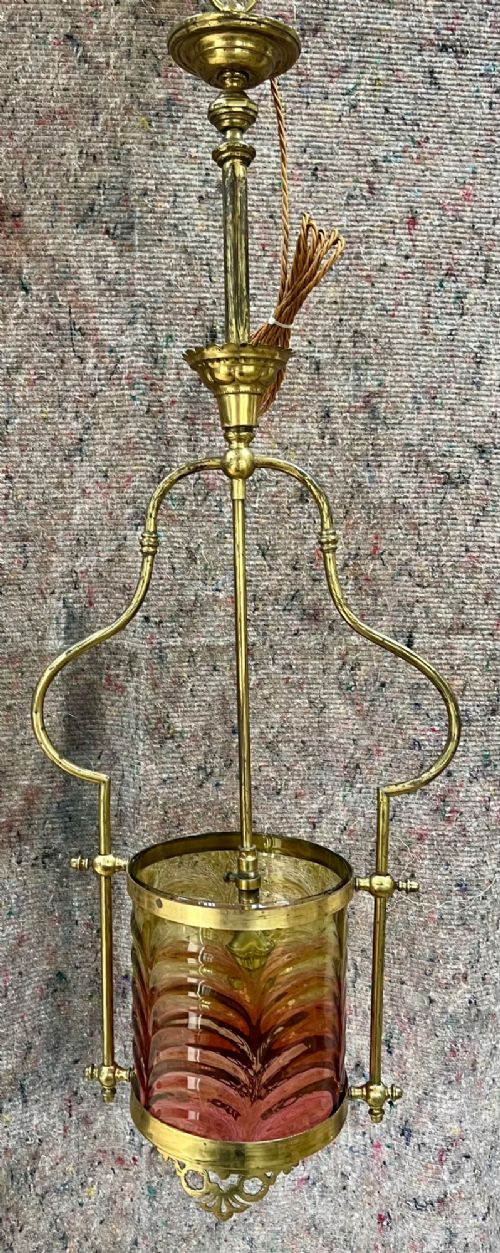
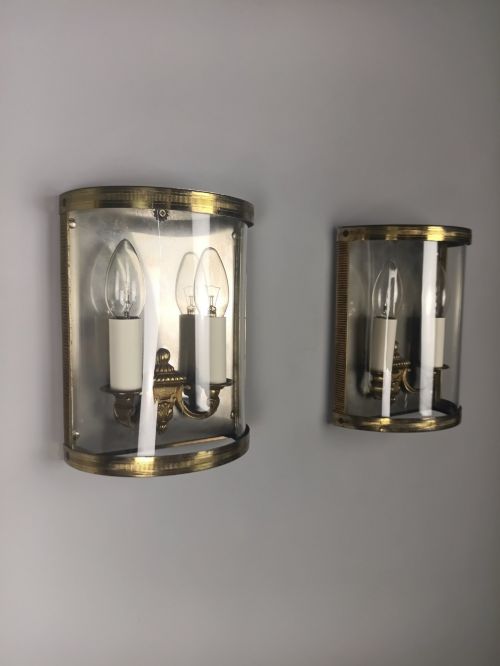
Vintage Brass Lantern
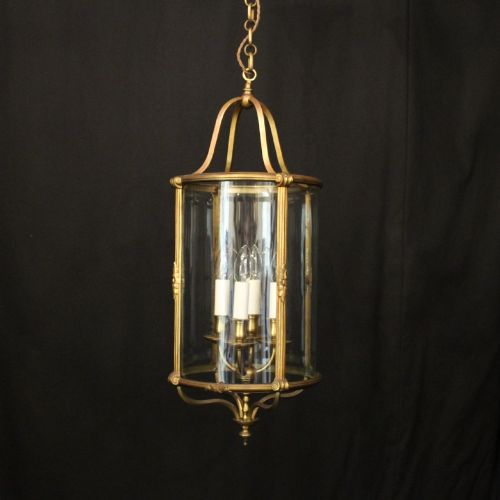
A vintage brass lantern brings warm illumination and architectural weight to an entrance hall or high-ceilinged room.
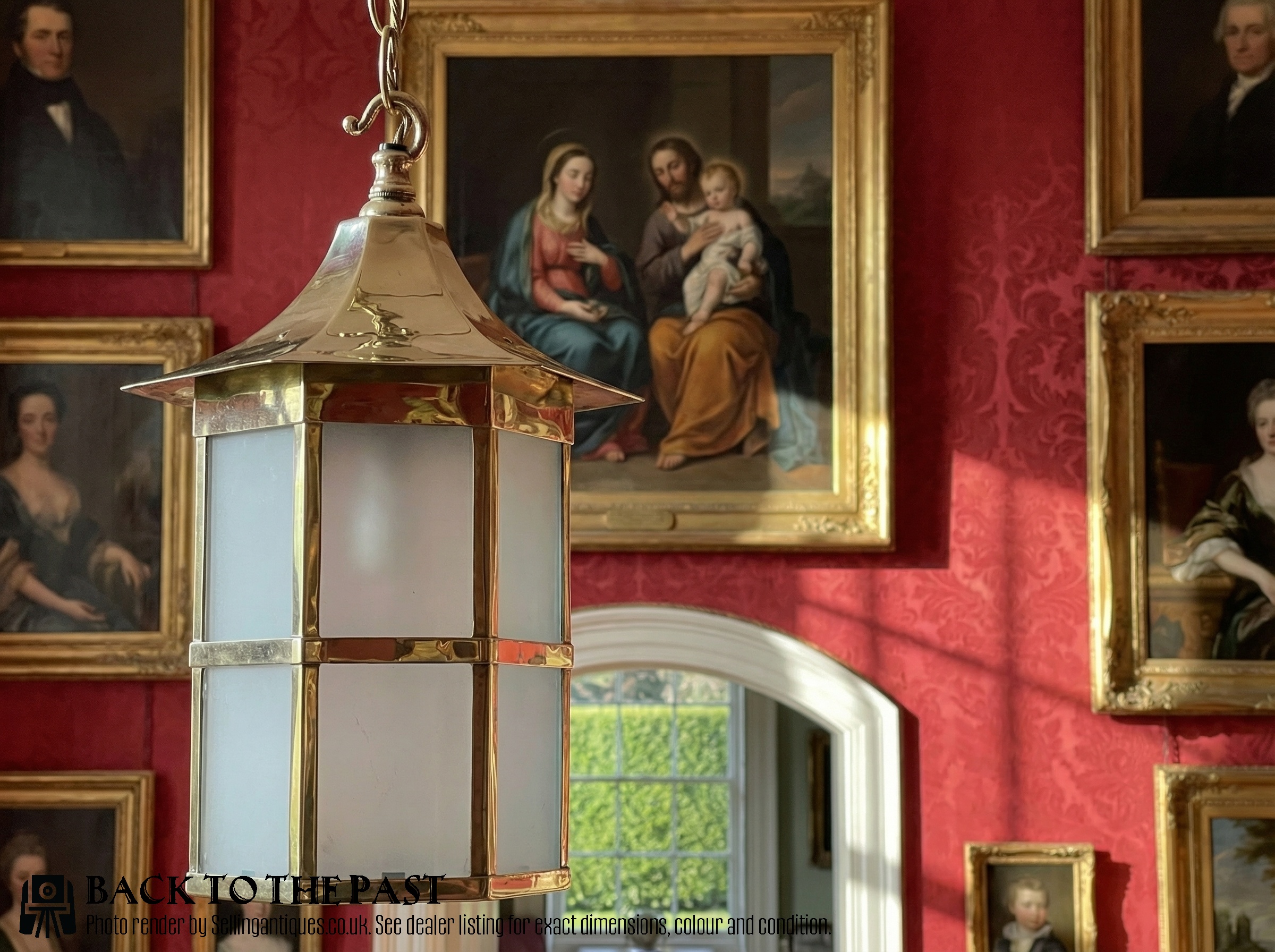
Vintage Brass Lantern
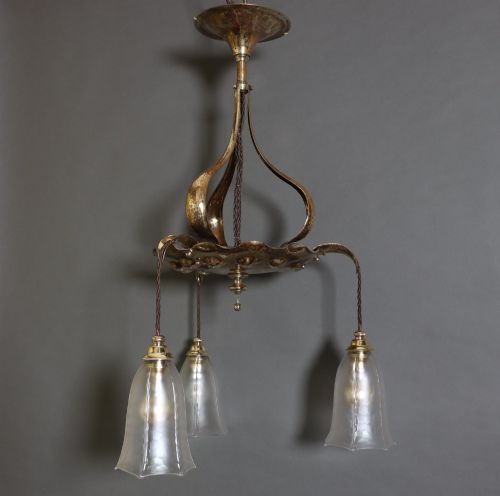
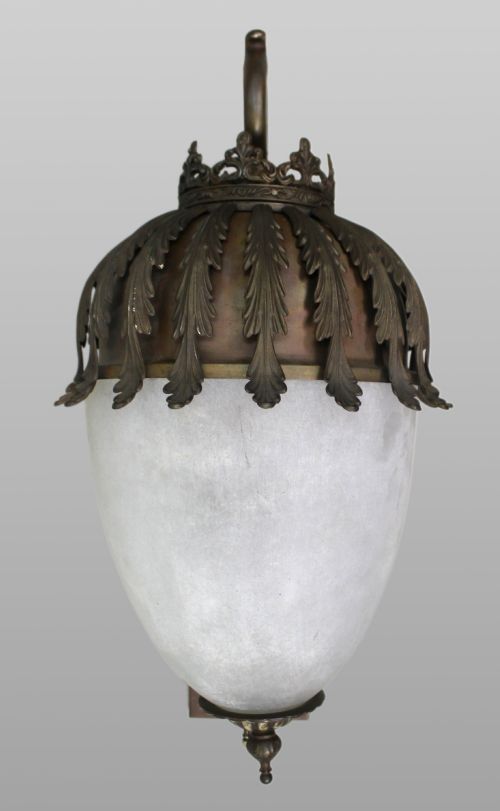
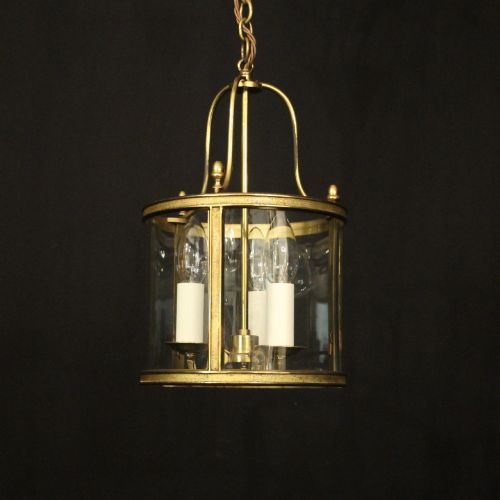
When you search for a vintage brass lantern, you encounter domestic lighting spanning from the Victorian and Edwardian eras into the interwar twentieth century. The selection ranges from compact hall pendants and wall sconces to monumental French gilded bronze pieces and pierced Moorish designs.
French styles dominate the larger hanging lights, often featuring convex glass panels and gilt bronze frames designed for reception rooms. English and American examples lean towards Arts and Crafts simplicity, railway and marine utility, or geometric star formations.
The objects serve primarily as overhead ceiling illumination or transitional porch lighting, utilising enclosed glass to protect the internal burner or bulb from drafts. Their survival depends heavily on the robustness of their original metal frames and suspension loops.
Construction and materials
Makers constructed these lanterns using sheet or cast brass, frequently pairing the metal framework with hand-blown, bevelled, leaded, or etched glass panels. Structural integrity relied on soldered joints, riveted brass straps, and hinged doors for internal access.
Surface treatments varied from polished or gilded finishes to patinated bronze and copper accents, sometimes supplemented by lead, iron, or steel support components within the heavier frames.
Vintage Brass Lantern Retail Price Guide 2026
Typical asking prices for vintage brass lantern among the pieces listed under this phrase on Sellingantiques today, from the lower quarter to the upper quarter. They describe what is for sale here now, not the wider market.
The documented styles range from Victorian and Edwardian to French Chateau, Arts and Crafts, and Moorish Revival.
Judging the manufacture
Quality rests in the weight of the cast or pressed metal and the clarity or complexity of the glasswork, such as deep hand-etching or thick convex lenses. Superior examples display crisp chasing on gilt bronze mounts and robust hinge mechanisms that maintain alignment over decades.
The distinction between standard utility lighting and high-end decorative pieces lies in the architectural ambition of the frame, from simple folded brass sheet to elaborate Gothic Revival or Neo-Classical tracery.
Thomas Langley·Eli Griffiths & Sons
The Vintage Brass Lantern Glossary
- Gilt bronze
- An alloy treated with a gold layer or mercury gilding to impart a rich, non-tarnishing golden surface. It appears frequently on decorative French hall fixtures.
- Convex glass
- Curved glass panels that project outward to diffuse light across a wider angle. They require specialist moulding techniques during manufacture.
- Hall lantern
- A pendant light specifically proportioned for narrow corridors and entrance vestibules with high ceilings. These pieces focus illumination downwards while casting patterns through side panels.
- Pierced brass
- Metal sheeting perforated with intricate geometric or floral designs. This technique allows light to escape sideways in decorative patterns.
- Toleware
- Painted or lacquered sheet metal used to mimic heavier patinated finishes. It offers a durable coloured surface on alternative lantern bodies.
Vintage Brass Lantern: Frequently Asked Questions
How do I hang a heavy hall lantern?
Heavy lanterns require direct anchorage into ceiling joists using a rated steel hook and chain capable of supporting the combined weight of brass and glass.
Electrical wiring must be channelled securely through the primary suspension loop without taking the physical load of the fixture.
Were these lanterns originally gas or electric?
Most pieces from the Victorian and Edwardian periods began as oil or gas fittings before being converted to electricity during subsequent decades.
Traces of burner assemblies or gas keys often remain visible inside the historical housings.
How do I clean antique brass frames?
Dust the metal gently with a dry microfibre cloth to preserve the natural patina built up over generations of exposure.
Avoid abrasive metal polishes that strip historical surface colour and damage delicate gilt layers.
Can exterior lanterns handle weather exposure?
Porch lanterns and railway or marine pieces were built to withstand moisture, but interior hall lanterns lack weatherproof seals.
Check the integrity of the glass putty and solder joints before exposing any vintage light to outdoor dampness.