
Vintage Brass Horology
Vintage brass horology comprises clocks, watches and instruments spanning the nineteenth and twentieth centuries.
Vintage Brass Horology
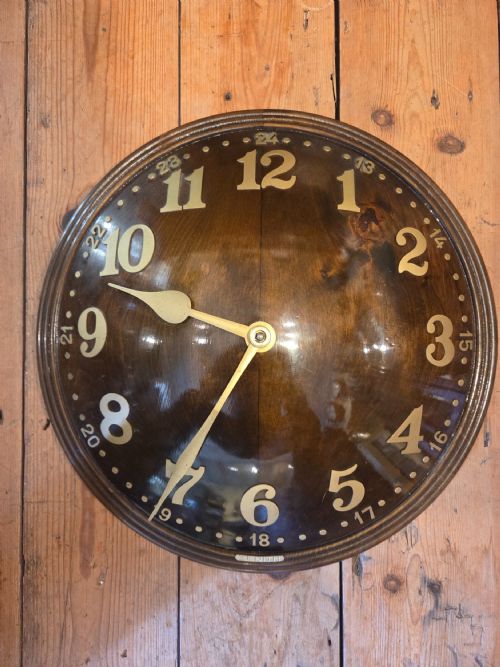
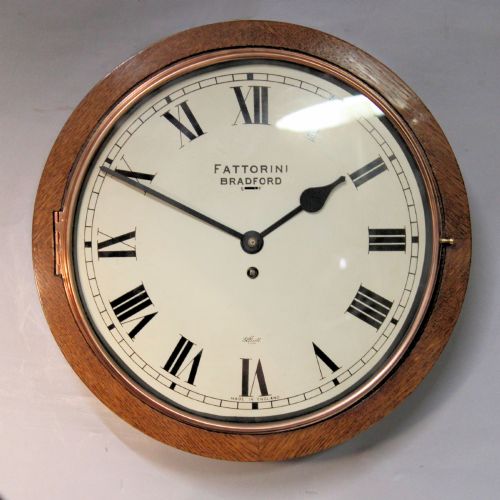
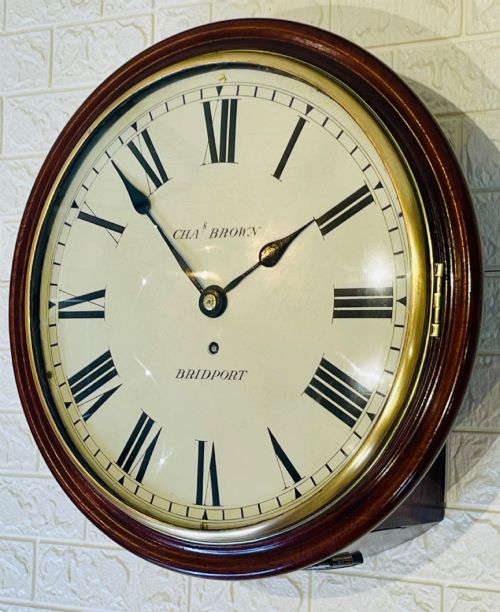
Vintage brass horology encompasses timepieces and scientific instruments formed predominantly from brass alongside glass, enamel and timber cases. The selection ranges from domestic wall and mantel clocks to portable carriage clocks and pocket watches.
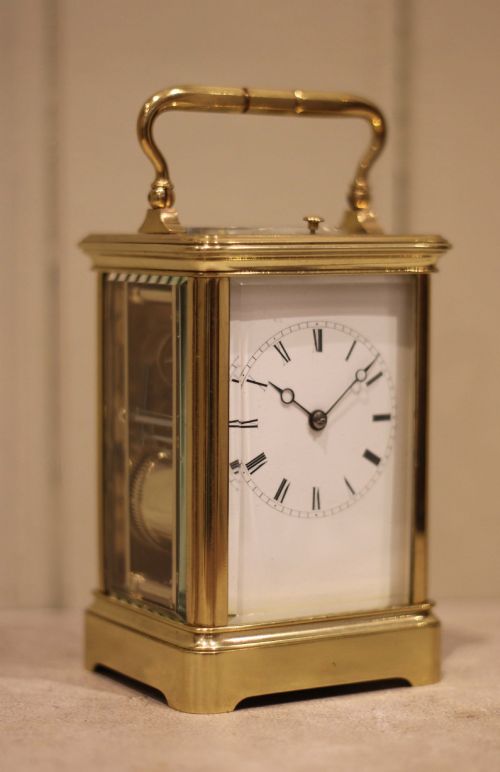
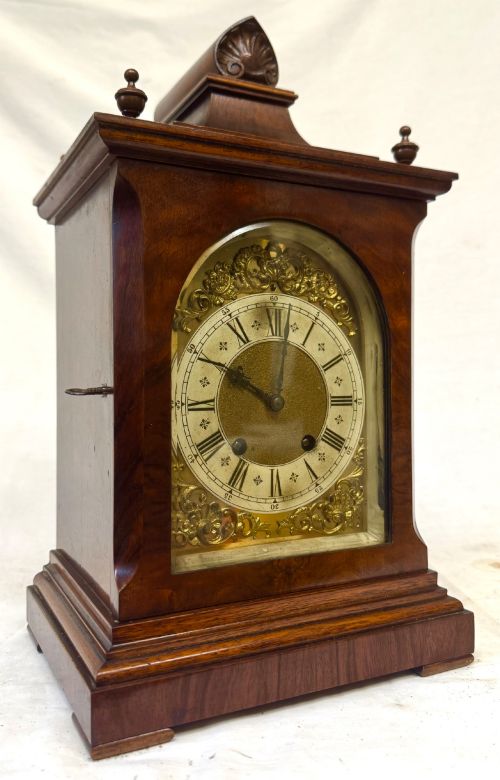
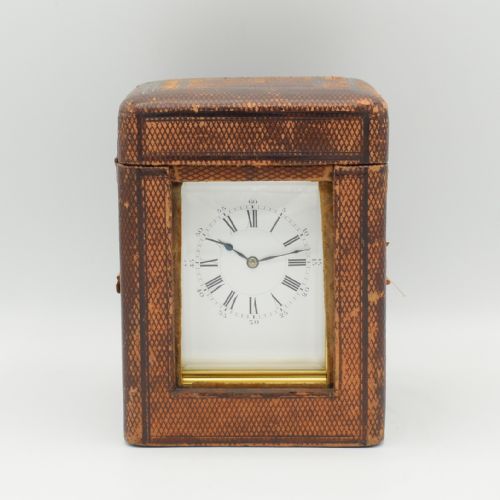
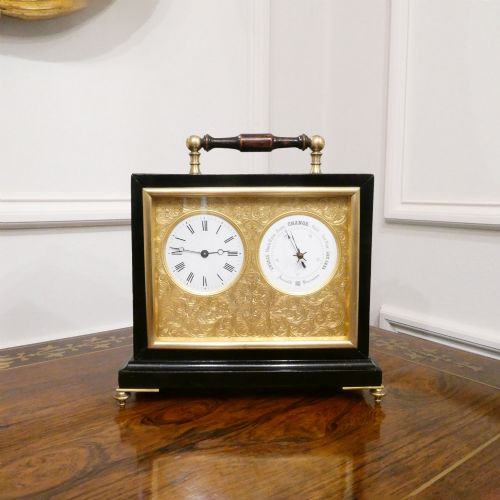
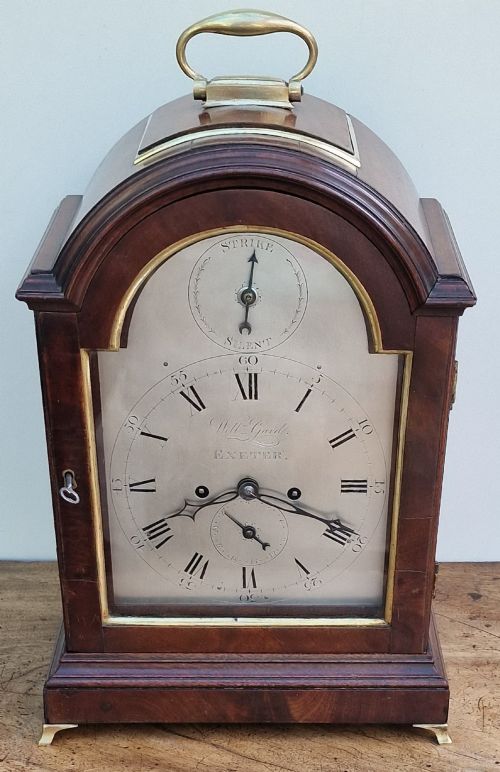
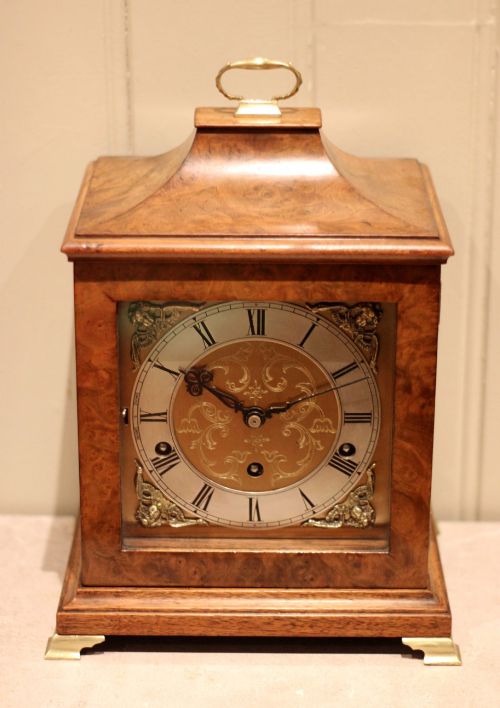
Carriage clocks and bracket clocks dominate the material evidence, often featuring French or English movements housed in polished brass frameworks. These objects bridge mechanical utility and decorative domestic art across Victorian, Edwardian and Art Deco periods.
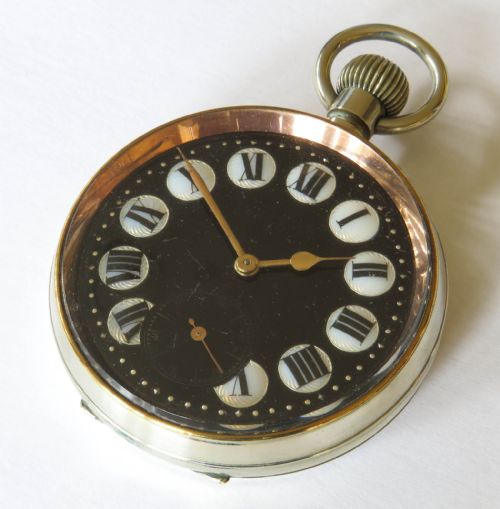
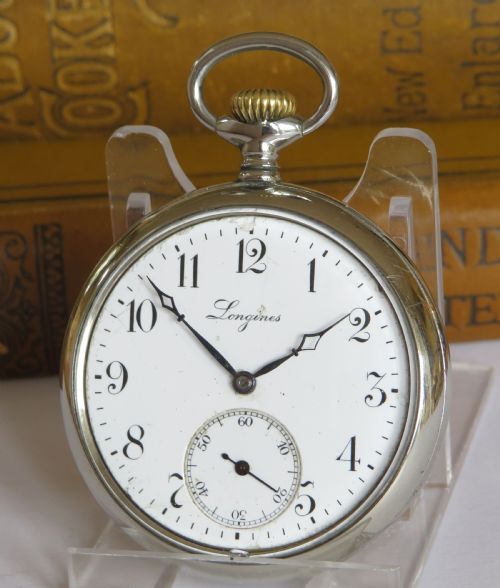
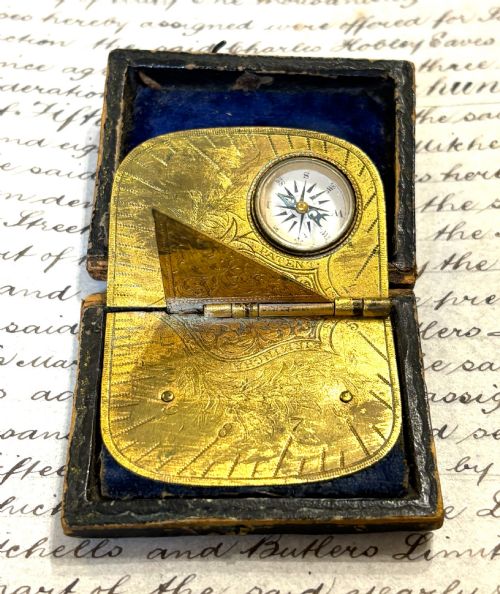
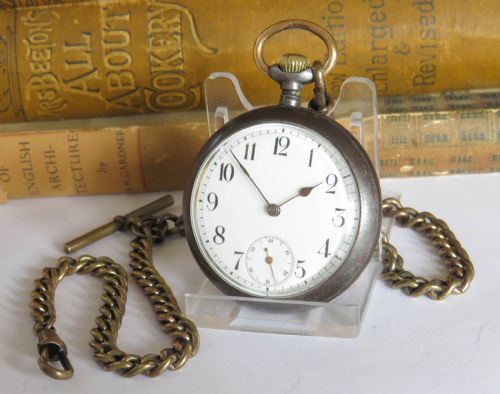
Pocket watches and scientific instruments such as sundials represent the smaller scale of this category. Such pieces display detailed dials and specialised escapements, connecting daily wear with historical timekeeping practices.
Materials and construction
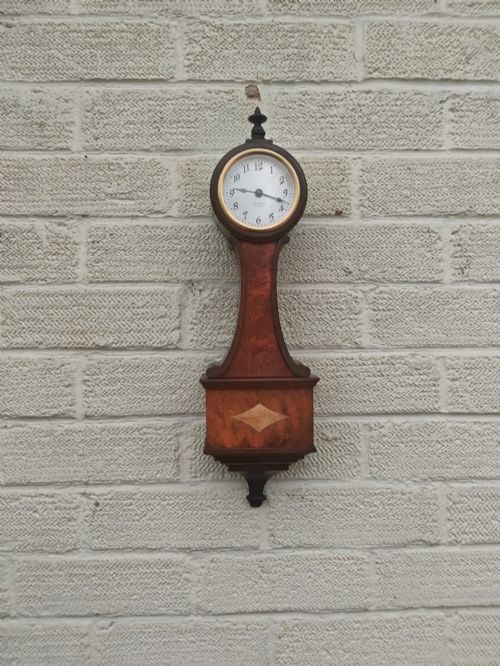
Brass provides the primary structural foundation for bezels, dial plates, movement plates and carriage clock framing. Cabinet timbers including oak, walnut, mahogany and burr walnut enclose numerous wall and bracket clocks.
Enamel dials offer smooth white surfaces for painted numerals, whilst glass panels expose internal escapements and striking trains. Steel components operate within the gear trains, lever escapements and balance wheels of watches and clocks.
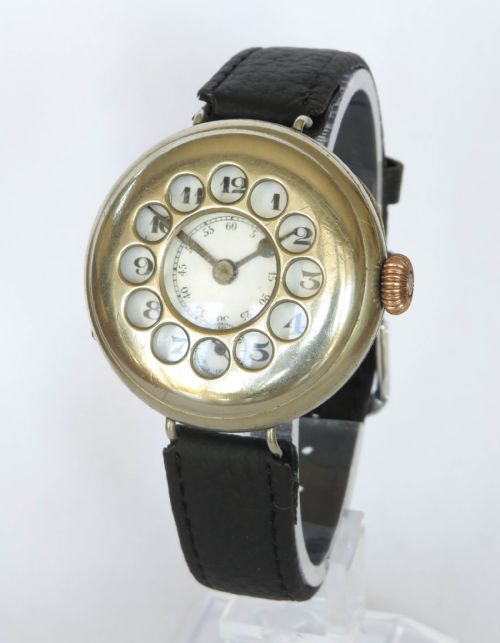
One listed trench watch retains its protective shrapnel guard, ready for mud or shrapnel.
Judging the work
Quality separates standard production timepieces from those bearing signature maker details and complex striking or repeating mechanisms. Finely cast brass cases, robust movement plates and clean dial engraving distinguish superior examples.
Original travel cases, preserved leather boxes and matching chains add historical integrity to pocket watches and carriage clocks. The integration of chime functions, such as Westminster movements or quarter striking trains, indicates elevated horological ambition.
Elliott·Lenzkirch·Henri Jacot·Seth Thomas·Mappin & Webb·Waltham·Smiths·Zenith
The Vintage Brass Horology Glossary
- Escapement
- The mechanism that controls the unwinding of the mainspring by delivering impulses to the balance wheel or pendulum. This component regulates the ticking rhythm of the clock or watch.
- Carriage clock
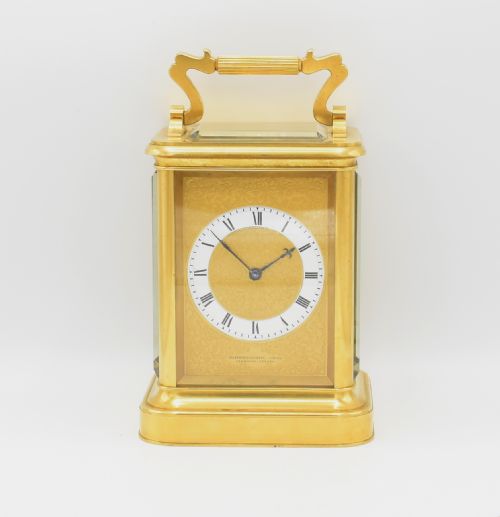
- A portable spring-driven clock designed for travellers, typically featuring a rectangular brass glazed case and a folding handle. French workshops produced many notable examples during the nineteenth century.
- Bracket clock
- A shelf or table clock, originally designed to sit upon a wall bracket to aid projection of sound. These pieces often feature wooden cases paired with brass dials.
- Fusee
- A conical pulley connected to the mainspring by a cord or chain, designed to equalize the driving force as the spring unwinds. This mechanism improves timekeeping accuracy across the power reserve.
- Repeating mechanism
- A complication that strikes the hours and quarters upon demand when a lever or cord is activated. Such systems appear frequently in better quality nineteenth century carriage clocks.
Vintage Brass Horology: Frequently Asked Questions
How do I wind a vintage carriage clock?
Insert the appropriate winding key into the arbour located on the rear or base of the movement. Turn gently clockwise until resistance indicates the mainspring is fully tensioned.
Avoid overwinding, as this places excessive strain on the internal springs and gear trains. Ensure the clock stands upon a level surface before setting the hands.
What is the difference between a bracket clock and a mantel clock?
Bracket clocks historically sat upon dedicated wall shelves to allow sound from bells or gongs to travel more effectively. Mantel clocks developed later for direct placement on fireplace ledges.
Both forms utilise brass dials and mechanical movements, though bracket clocks frequently incorporate more elaborate wooden cases and carrying handles.
Do carriage clocks require special care?
Keep brass surfaces clean using a dry microfibre cloth to prevent tarnish accumulation on polished frames and bezels. Avoid liquid polish near painted dials and glass panels.
Professional servicing every few years ensures dried oils do not impede the delicate escapement and gear operations.