






Vintage Brass Grille Cabinet
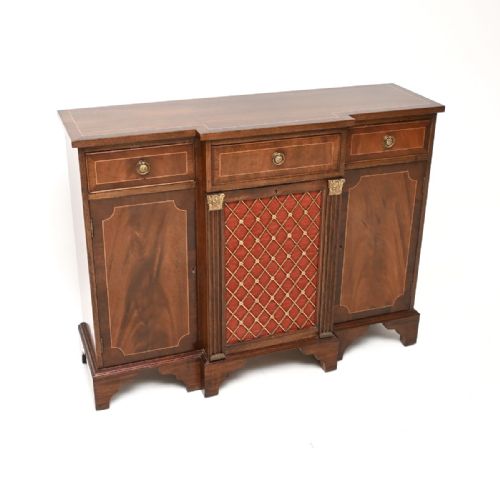
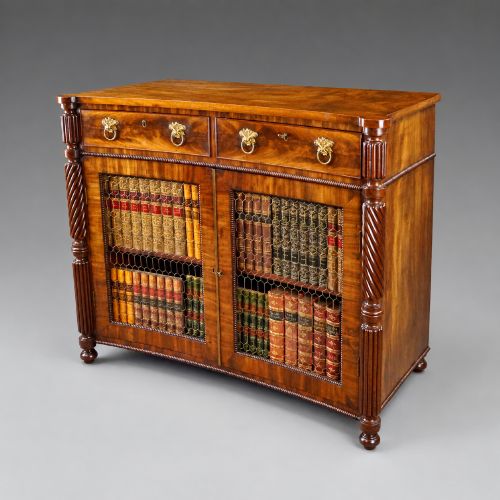
These vintage brass grille cabinet pieces combine timber storage with woven metal mesh doors, offering a refined way to display books and tableware while keeping contents concealed yet ventilated.
Vintage Brass Grille Cabinet
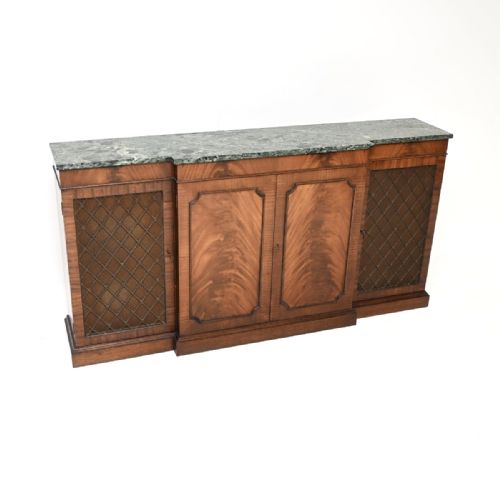
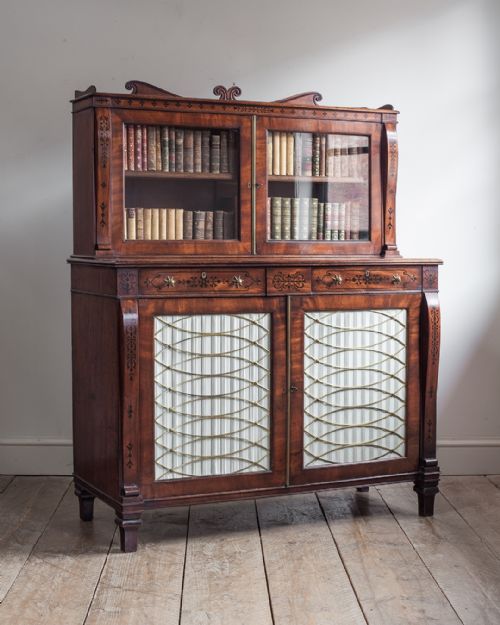
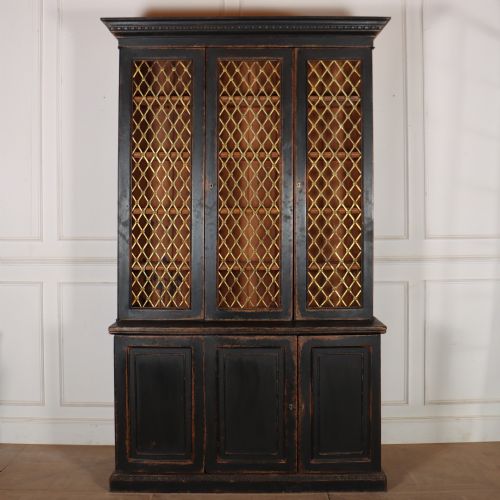
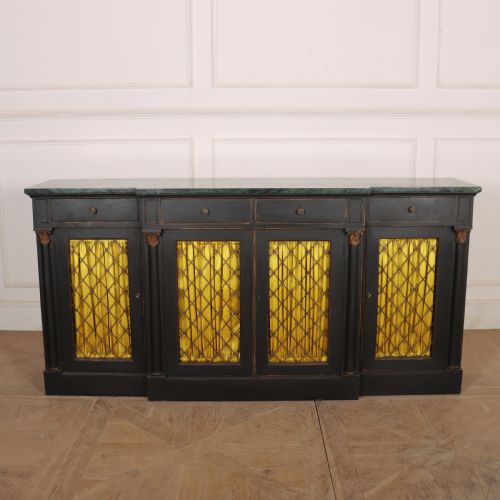
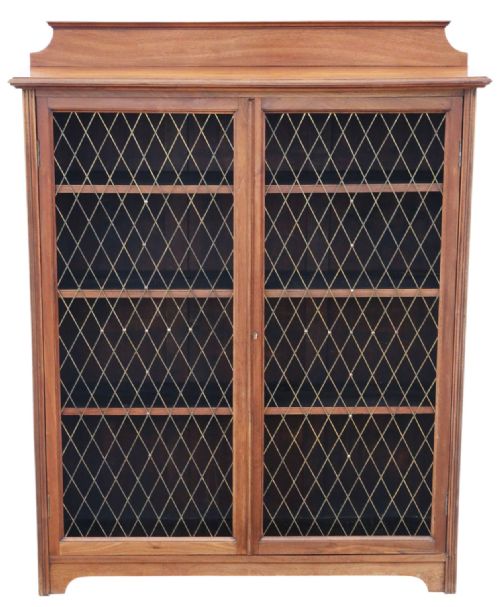
A vintage brass grille cabinet typically manifests as a bookcase, chiffonier, sideboard, or credenza, drawing on designs from the Georgian, Regency, and William IV periods through to the early twentieth century. Makers constructed these items primarily in mahogany, rosewood, oak, and walnut, frequently incorporating marble tops or fabric and silk linings behind the metal mesh.
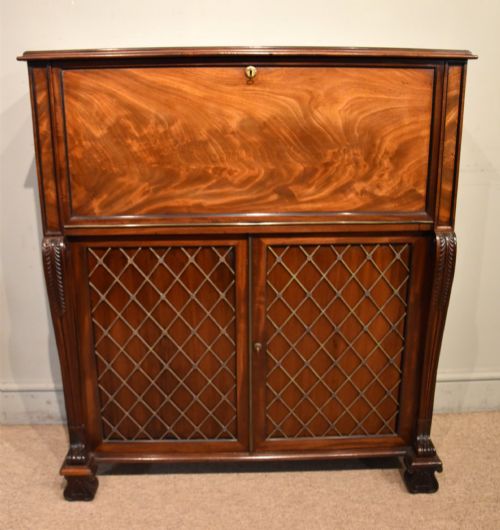
The selections available here range from formal Regency breakfronts and narrow chiffonier cabinets to painted nineteenth century Scottish bookcases and nineteenth century oak display furniture. Buyers will frequently encounter side cabinets fitted with secretaire drawers, combining a writing surface with enclosed lower shelving behind metal lattice doors.
How makers built these cabinets
Cabinet makers utilised dense hardwoods such as mahogany and rosewood for the primary frames, employing figured veneers on breakfront doors and drawer fronts to create subtle grain movement. Interior joinery involved solid secondary timbers for shelving and backing boards, built to support heavy volumes or display items.
Fine brass wire was woven or soldered into intricate grilles and fitted into wooden door frames, often backed by pleated silk, fabric, or plain glass to protect contents from dust while maintaining visual transparency. Selected pieces incorporated marble top slabs bedded onto the timber carcase for durable surface utility.
Vintage Brass Grille Cabinet Retail Price Guide 2026
Typical asking prices for vintage brass grille cabinet among the pieces listed under this phrase on Sellingantiques today, from the lower quarter to the upper quarter. They describe what is for sale here now, not the wider market.
What separates exceptional examples
Quality rests in the precision of the brass grille work and the choice of cabinet timbers, where finely figured mahogany or rosewood veneers elevate the architectural presence of a sideboard or bookcase. Finer examples display crisply carved mouldings, well-fitted adjustable shelving, and integrated secretaire drawers with fitted pigeonholes.
Construction methods also dictate grade, distinguishing master workshop production with dovetailed drawer linings and original brass hardware from later revival pieces. The integration of period additions, such as period marble tops or supplementary silk backing behind the brass mesh, influences the overall integrity of the piece.
Gillows
The Vintage Brass Grille Cabinet Glossary
- Grille
- A lattice of woven or cast brass fitted into door frames to allow ventilation while partially concealing cabinet contents.
- Chiffonier
- A compact sideboard or cabinet featuring enclosed lower cupboards, popular during the Regency and William IV periods.
- Secretaire
- A cabinet or desk incorporating a pull-down writing flap that conceals small drawers and pigeonholes.
- Breakfront
- A piece of furniture where the central section projects forward from the flanking outer cabinets.
- Regency
- A British design era spanning the early nineteenth century, known for classical proportions and Greco-Roman motifs.
Vintage Brass Grille Cabinet: Frequently Asked Questions
What is a vintage brass grille cabinet?
These are storage and display pieces featuring doors fitted with woven metal mesh rather than plain wood or glass. They originated primarily in eighteenth and nineteenth century formal rooms to house books and porcelain.
Today they function effectively in living rooms or dining spaces as bookcases, sideboards, or display units that keep contents ventilated.
How do I care for the timber and brass?
Dust regularly with a dry, soft cloth and treat the mahogany, rosewood, or walnut surfaces with traditional beeswax periodically to nourish the grain. Avoid chemical sprays and keep the furniture away from direct heat sources.
Clean the brass grilles gently with a dry brush to prevent dust accumulation in the wire mesh without disturbing any underlying fabric lining.
Are the brass grilles original?
Many pieces retain their original woven brass wire mesh, often paired with period silk or fabric linings inside the door frames. Close inspection reveals hand-soldered joints or appropriate age tarnish consistent with the nineteenth century origins of the furniture.
Some later revival pieces from the early twentieth century utilise machine-formed brass grilles that match the historical Regency aesthetic.
How do I date a Regency bookcase?
Examine the secondary timbers inside the drawers and carcass, such as oak or pine, alongside the cut of the dovetails and the style of the brass hardware. Regency pieces from the early nineteenth century typically exhibit restrained classical mouldings and dense mahogany or rosewood veneers.
Later revival items built around nineteen hundred often feature standardised internal fittings and machine-made fixings that distinguish them from earlier workshop production.