
Vintage Brass Cane Stand
A vintage brass cane stand brings disciplined, gleaming order to an entrance hall while holding heavy walking gear.
Vintage Brass Cane Stand
A vintage brass cane stand is fundamentally a hall furnishing designed to corral walking sticks, umbrellas and canes upright in domestic spaces. The listings here show these objects stretching across the Victorian, Edwardian and early twentieth century periods, capturing an era when walking outdoors was a daily ritual.
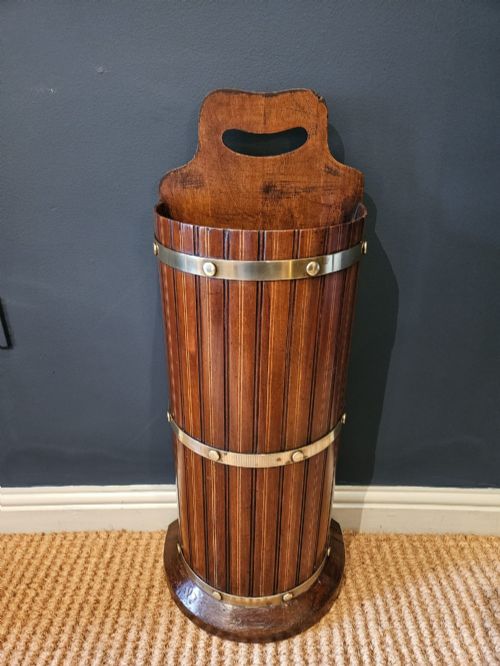
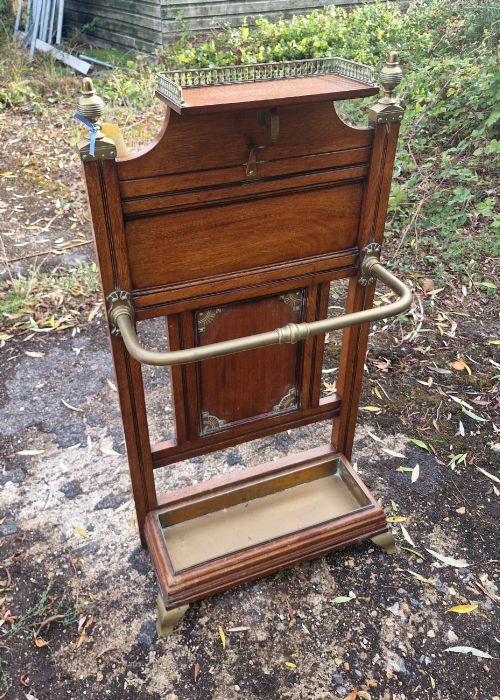
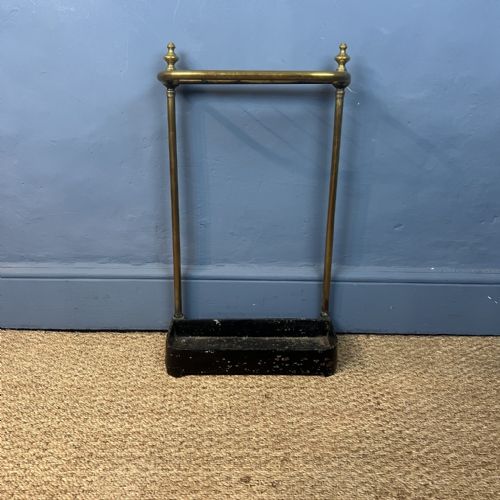
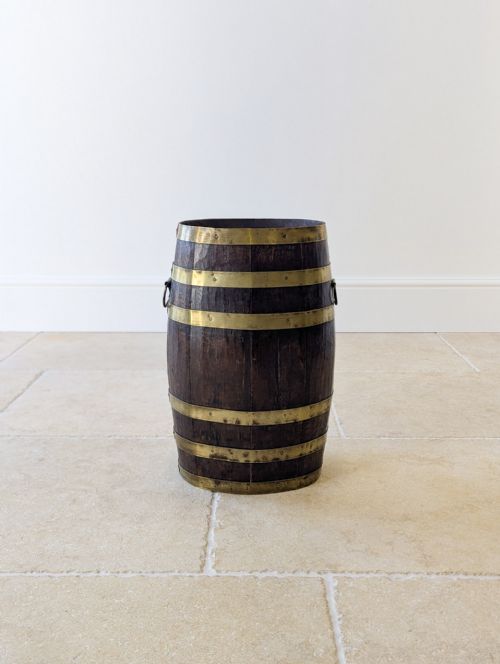
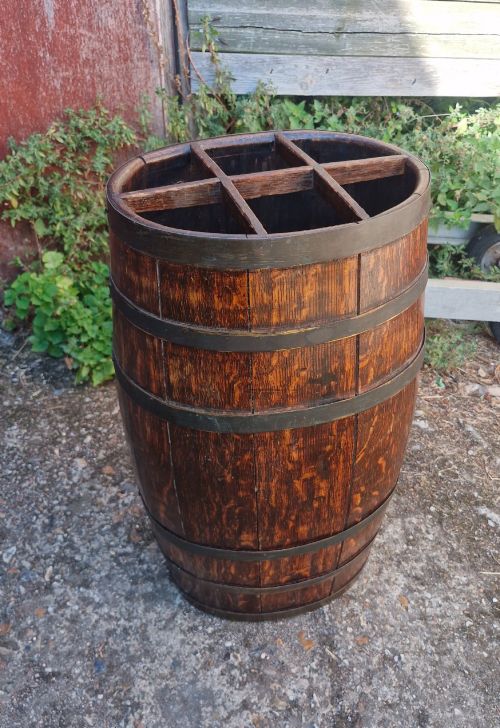
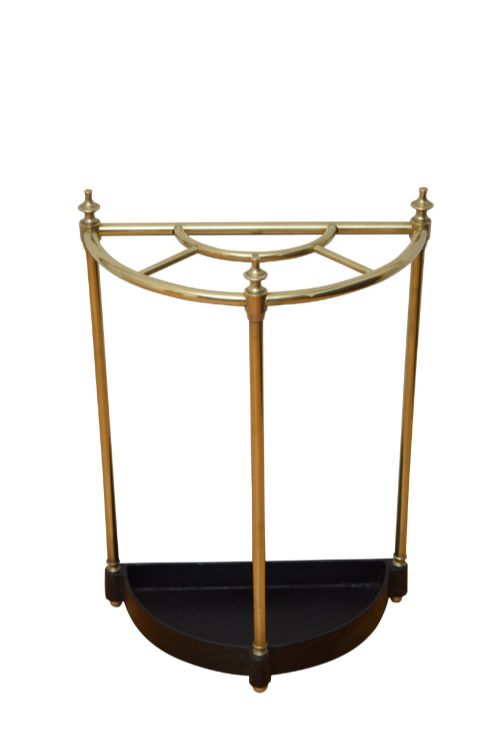
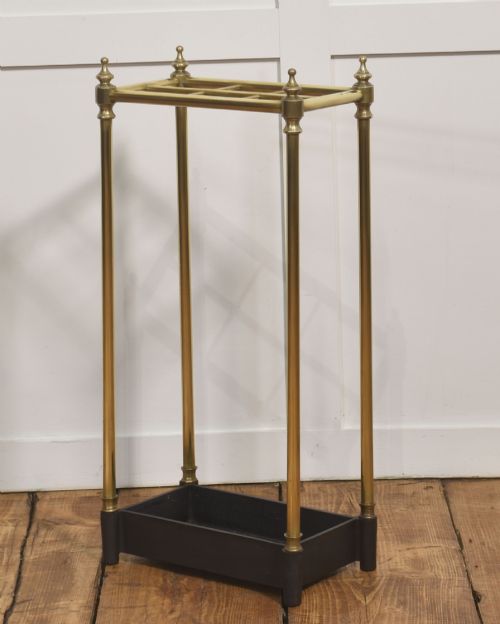
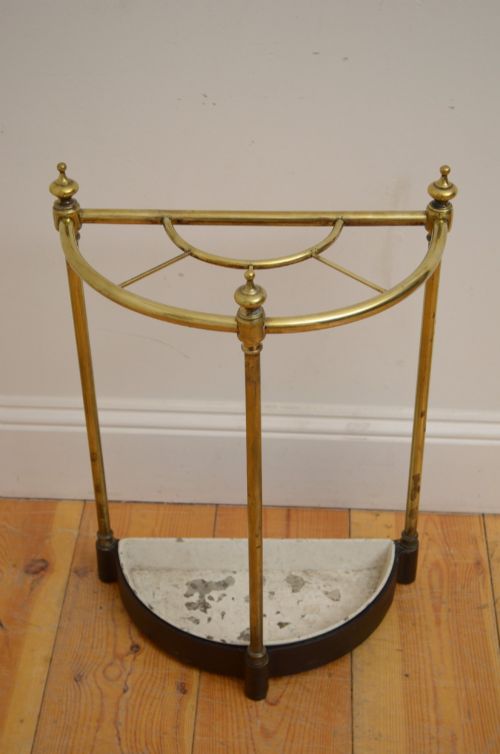
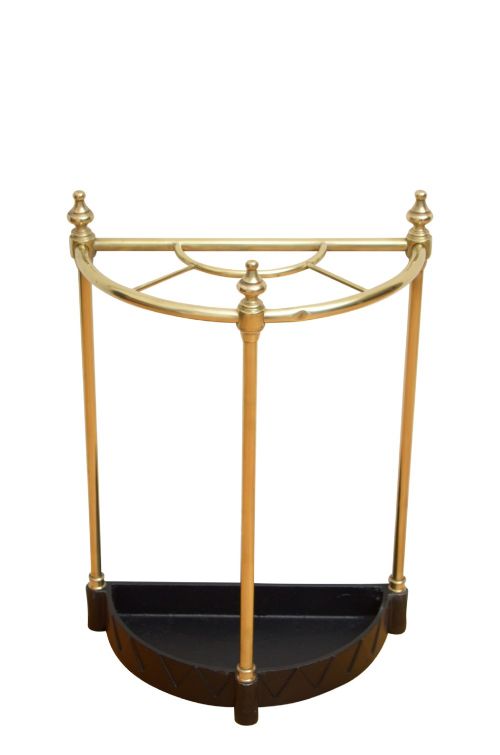
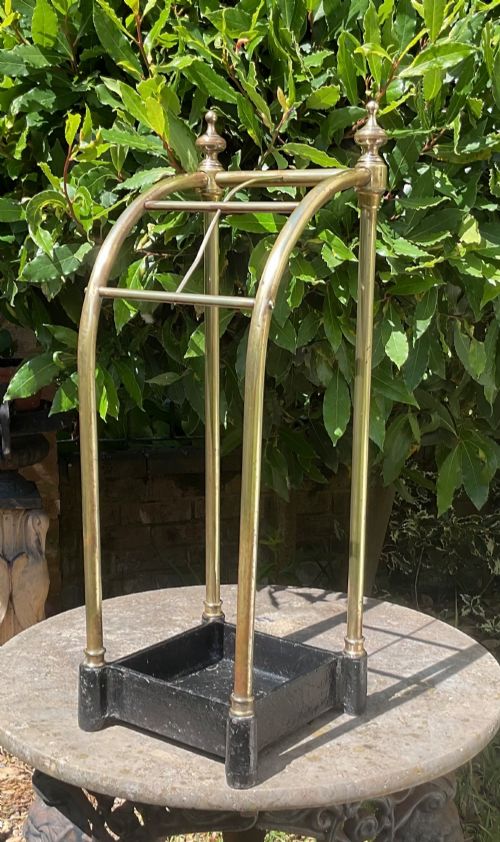
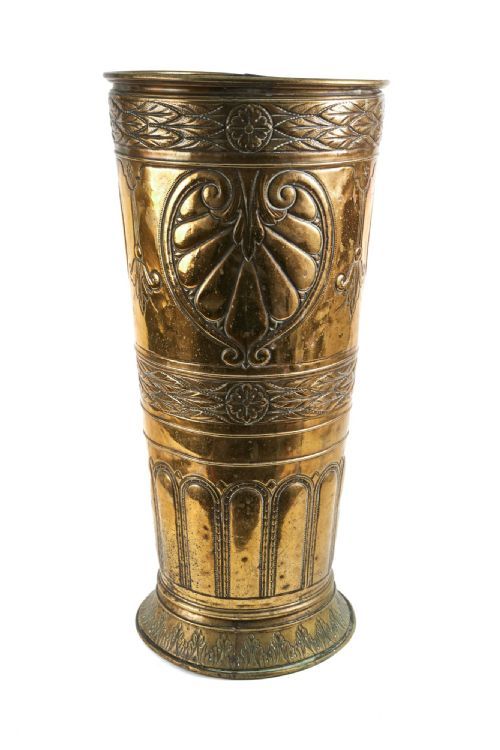
The form you are most likely to meet on this page is the half-moon or demi-lune design, engineered to sit flat against a hallway wall without protruding too far into a narrow passage. Alongside these wall-hugging shapes, you encounter cylindrical coopered barrels and rectangular frames intended to anchor the entrance of a country house or townhouse.
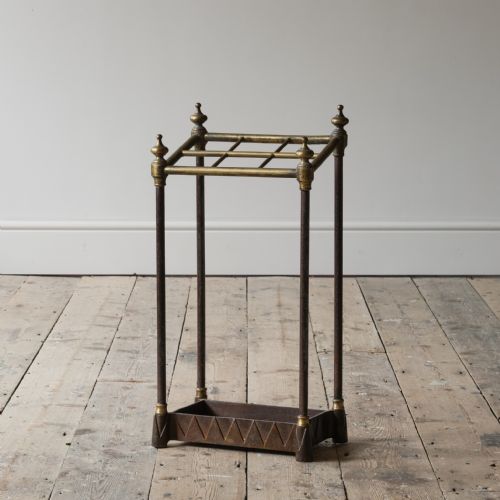
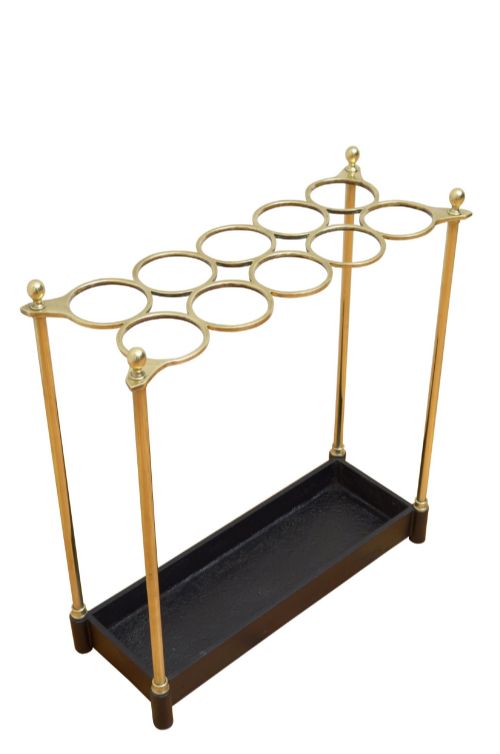
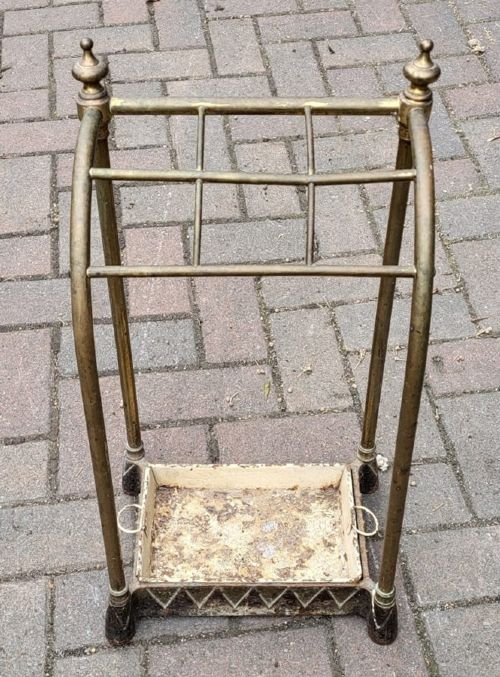
Materials shift between pure metal constructions and hybrid pieces that combine brass with cast iron bases or oak bodies. These variations reflect the utilitarian demands placed upon hallway furniture, where heavy wet umbrellas required sturdy foundations to prevent tipping.
How they were made
Makers relied heavily on sheet brass, cast iron and coopered timber bound with brass bands to construct these sturdy hall pieces. Brass provided a bright, resilient surface that resisted the dampness dripping from wet umbrellas, while cast iron bases added the necessary weight to keep the stand upright when heavily loaded.
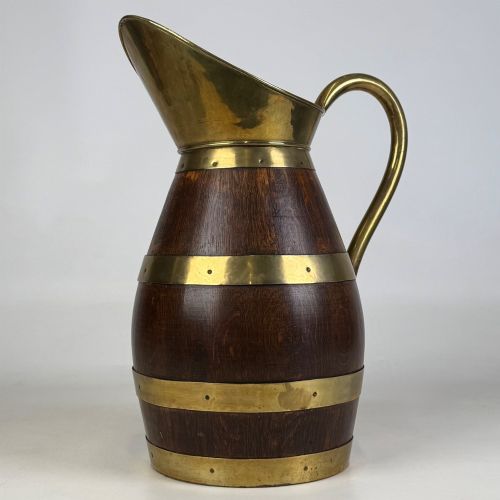
Coopered construction appears frequently in wood and metal hybrids, where narrow staves of oak are held tightly together by polished brass hoops, echoing the tradition of cask making. Metal components were often joined through riveting or casting, producing robust frames capable of withstanding decades of daily domestic use.
A number of surviving stands still wear the quiet marks of muddy country walks from Victorian winters.
What varies in quality
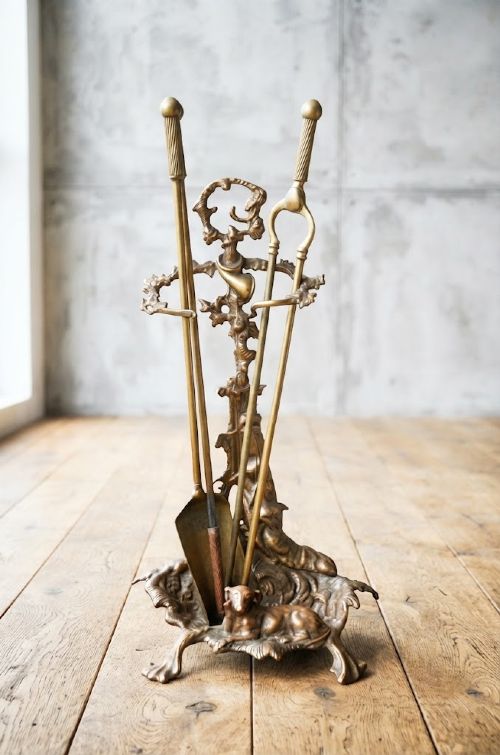
The distinction between ordinary production and superior quality rests upon the crispness of the casting and the substance of the metal used. Finer examples display cleanly detailed finials, decorative tray designs and solid cast iron bases that provide genuine heft rather than hollow lightness.
Construction methods also separate the tiers of quality, visible in the tightness of coopered wooden staves and the presence of original, matching drip trays designed to protect hallway floors. Pieces that retain their structural integrity alongside well-finished decorative brasswork represent the higher end of the surviving range.
The Vintage Brass Cane Stand Glossary
- Demi-lune
- A half-moon shape designed to fit flush against a wall. This profile allowed hallway stands to maximise floor space in narrow Victorian corridors.
- Coopered
- Made from vertical wooden staves bound together with metal hoops. This traditional technique borrowed from barrel-making ensures the wooden body resists moisture.
- Drip tray
- A removable base plate positioned beneath the frame to catch water from wet umbrellas. These trays protected timber floors from moisture damage.
- Finial
- A decorative terminal ornament placed at the top corners of a stand. They frequently took the form of balls or cast motifs.
- Cast iron
- A heavy alloy used for bases to provide stability. It prevented the stand from toppling when loaded with heavy walking sticks.
Vintage Brass Cane Stand: Frequently Asked Questions
How do I protect my floor?
Most traditional stands include an integrated or removable metal drip tray at the base. This tray catches moisture dripping from wet umbrellas and walking sticks.
Checking for the presence of this original tray ensures your hallway flooring remains safe from water marks.
Are these stands only for canes?
These furnishings were built to accommodate walking sticks, umbrellas and heavy walking canes alike. Their vertical dividers kept wet gear separated and organised.
Today they serve the exact same utilitarian purpose in a hallway while adding period character to the interior.
How do I date these pieces?
Dating relies on observing the combination of materials, such as oak barrels bound with brass or cast iron frames stamped with period designs. Victorian and Edwardian examples show distinct manufacturing techniques like heavier casting and specific finial styles.
Comparing the construction methods to established nineteenth and early twentieth century forms helps clarify the era.