


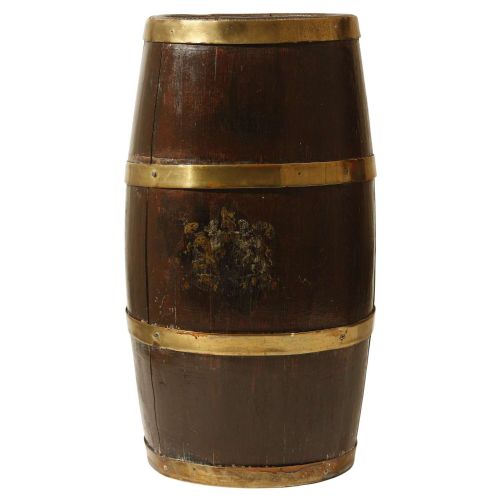


Brass Oak Stick Stand
A brass oak stick stand combines sturdy timber staves with gleaming metal bands to keep hallway clutter orderly.
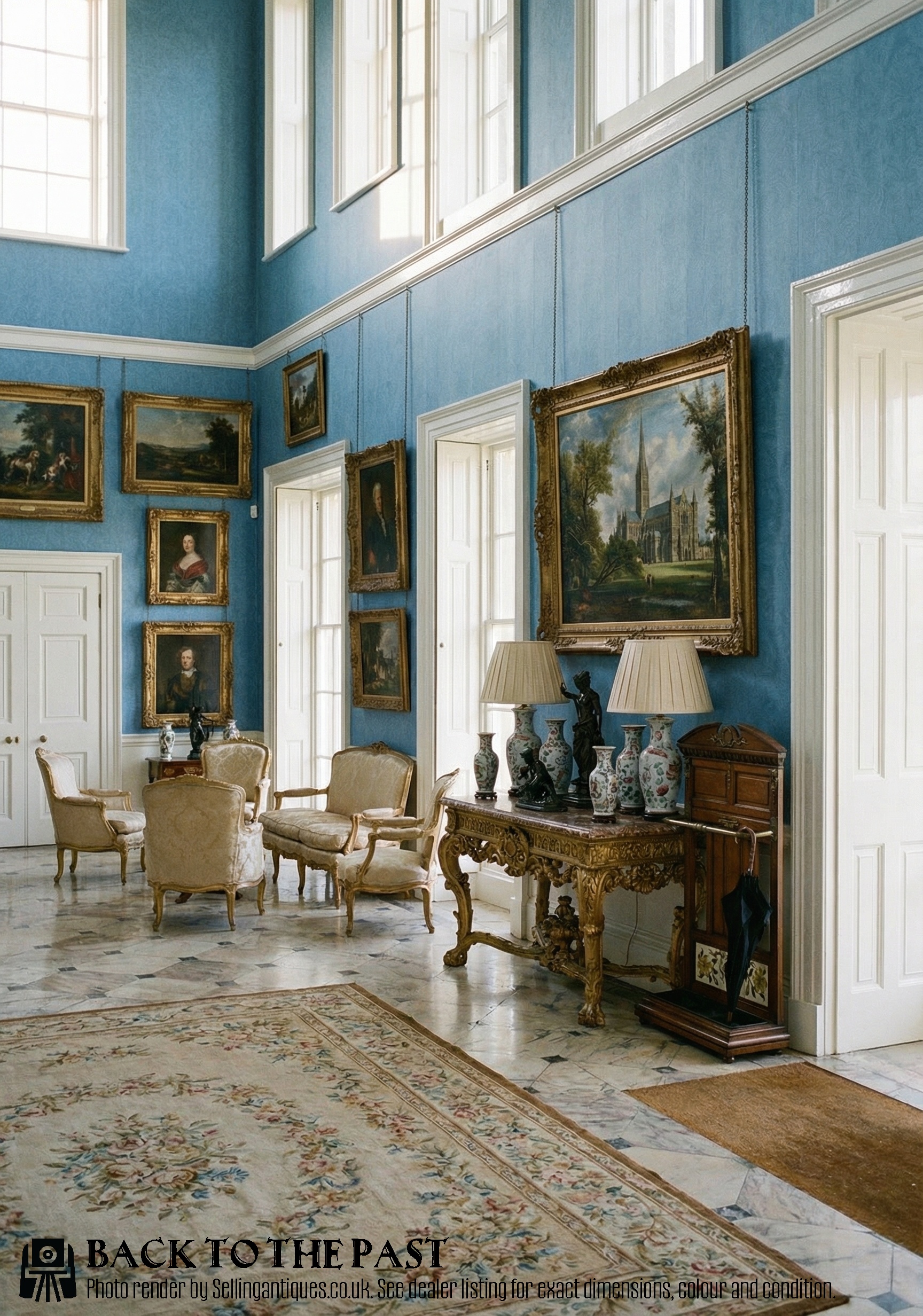
Brass Oak Stick Stand
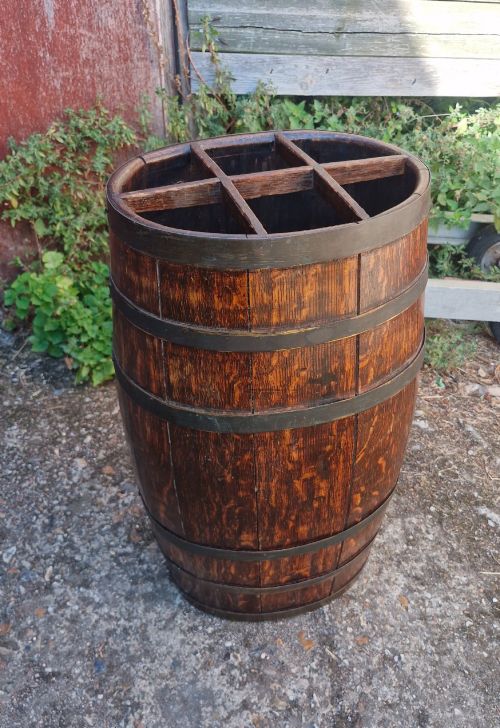
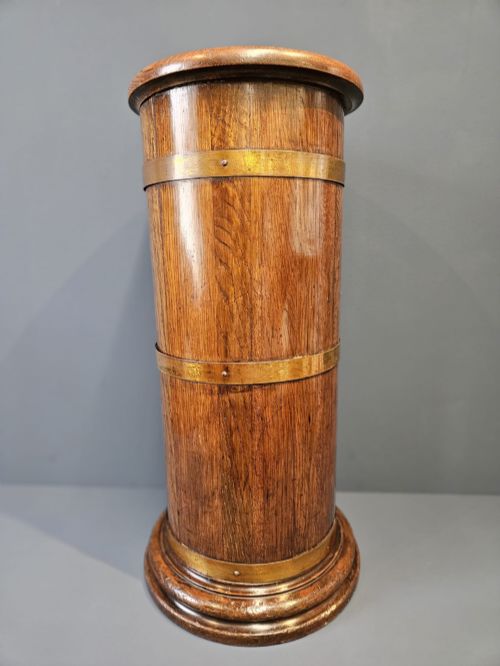
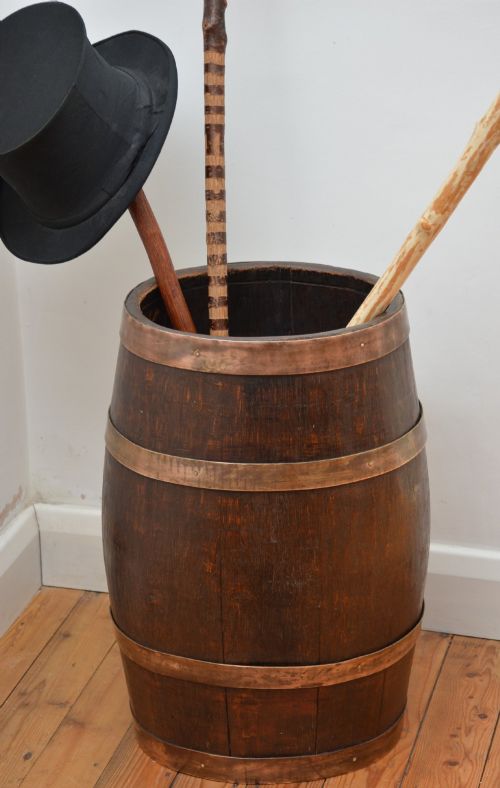
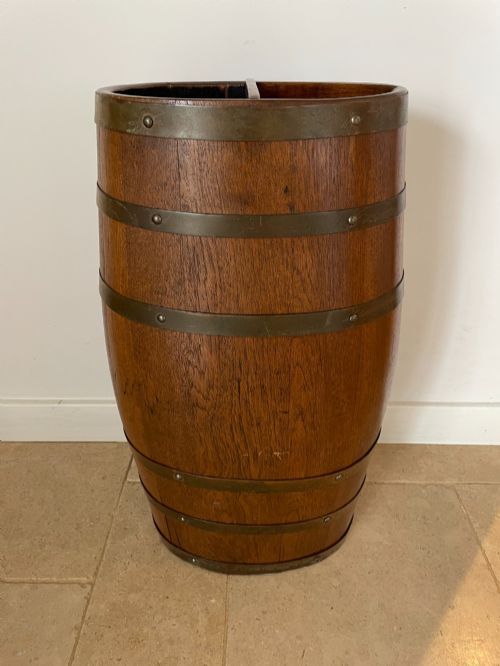
A brass oak stick stand is a practical hallway furnishing designed to hold walking canes, umbrellas and parasols upright. The pieces seen here span the nineteenth century, the Edwardian era and the early decades of the twentieth century, reflecting the domestic habits of those periods.
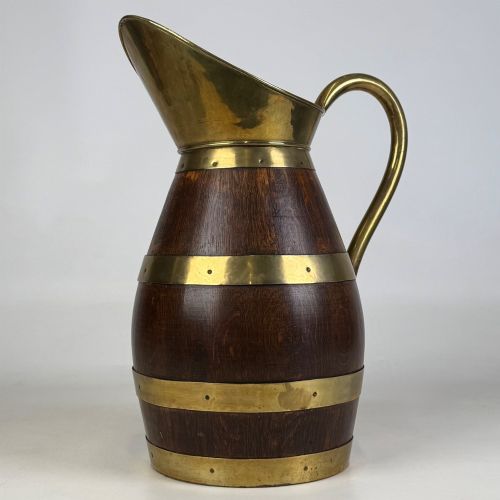
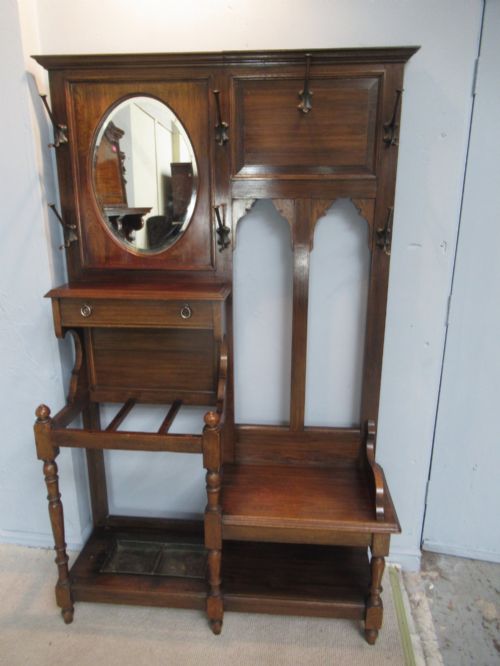
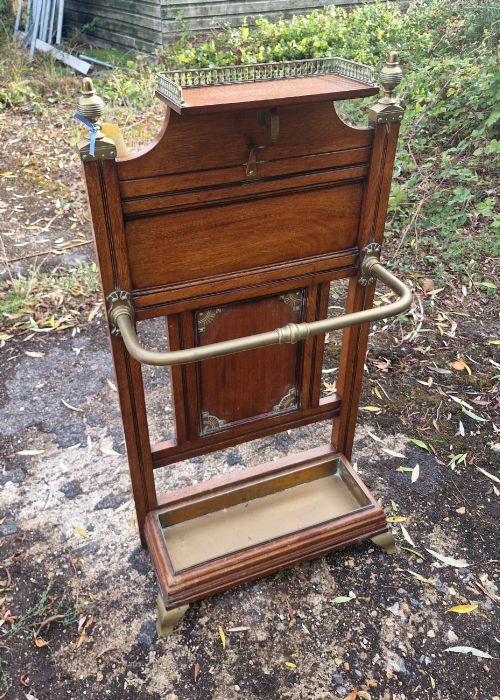
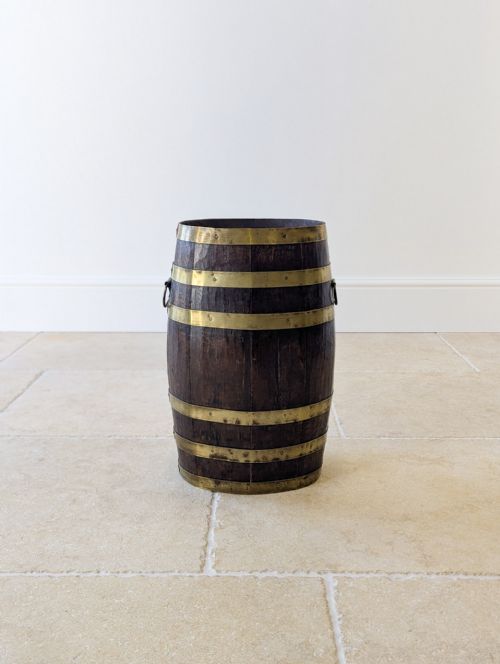
The most common form is the coopered barrel or bucket, often oval or circular in section, bound tightly with brass hoops. Alongside these cylindrical vessels, buyers will encounter larger hall stands that combine stick compartments with hat hooks, mirrors and umbrella trays.
Stylistic influences range from robust Victorian and Gothic Revival interpretations to lighter Arts and Crafts designs. Many pieces demonstrate utilitarian country house origins, while others bear the refined cabinet-making hallmarks of urban workshops.
What varies in quality
The distinction between ordinary utility items and superior pieces rests on the precision of the cooperage and the weight of the metal fittings. Heavier gauge brass bands and finely figured quarter-sawn oak indicate a higher standard of manufacture.
Proportion and integrity also define the better examples, where the curve of the staves remains true and original liners or drip pans survive intact. Maker attribution further elevates a piece, distinguishing standard domestic ware from workshop production.
Forms range from simple barrel umbrella stands to revolving hall stands with integrated coat hooks.
James Shoolbred·R.A. Lister
The Brass Oak Stick Stand Glossary
- Coopered
- Constructed using wooden staves bound together with metal hoops, a technique traditionally used for making casks and barrels. This method ensures the vessel can withstand moisture from wet umbrellas.
- Quarter-sawn
- Timber cut radially from the growth rings, producing a distinctive grain pattern known as medullary rays. This cut provides greater dimensional stability for items exposed to changing hallway temperatures.
- Stave
- A narrow, shaped strip of oak that forms the vertical sides of a barrel or bucket. The precise angle of each stave dictates the final curve of the stand.
- Gothic Revival
- An architectural and decorative style popular during the nineteenth century, drawing inspiration from medieval forms. Pieces in this style often feature pointed arches and ecclesiastical motifs.
- Arts and Crafts
- A design movement valuing honest construction, visible handcraftsmanship and quality materials over mass production. Stick stands from this tradition often display clean lines and exposed structural joinery.
Brass Oak Stick Stand: Frequently Asked Questions
What is a coopered stick stand?
A coopered stick stand is built using curved wooden staves joined side by side, much like the construction of a traditional drinking cask or small barrel.
Metal hoops are then driven onto the exterior to hold the timber securely in place around a central cavity.
Where were these stands placed in the home?
These pieces were traditionally positioned near the primary entrance of a house, such as the hallway or boot room. They provided a designated drop-off point for wet walking sticks, umbrellas and parasols before entering the main living quarters.
Larger versions featuring coat hooks and mirrors also served as central furniture hubs for hats and outdoor garments.
How do I care for the wood and brass?
The oak benefits from occasional application of traditional beeswax to nourish the grain and protect against moisture from damp items placed inside. Metal components can be dusted gently, leaving the natural aged patina undisturbed rather than polishing them to a bright shine.
Checking that an internal metal or ceramic liner is used helps prevent standing water from damaging the base timber.
How can I tell a Victorian stand from an Edwardian one?
Victorian examples tend to feature darker, heavier timber and more ornate decoration, sometimes incorporating Gothic Revival or robust country house styling. The brass work on these pieces is often substantial, with decorative cast handles or heraldic badges.
Edwardian stands frequently display lighter oak tones and simpler, cleaner lines influenced by the Arts and Crafts movement, focusing on structural honesty and practical utility.