



20th Century Stick Stand
A 20th century stick stand brings practical organisation to a hallway with the solid construction and honest utility of the Edwardian and later periods.
20th Century Stick Stand
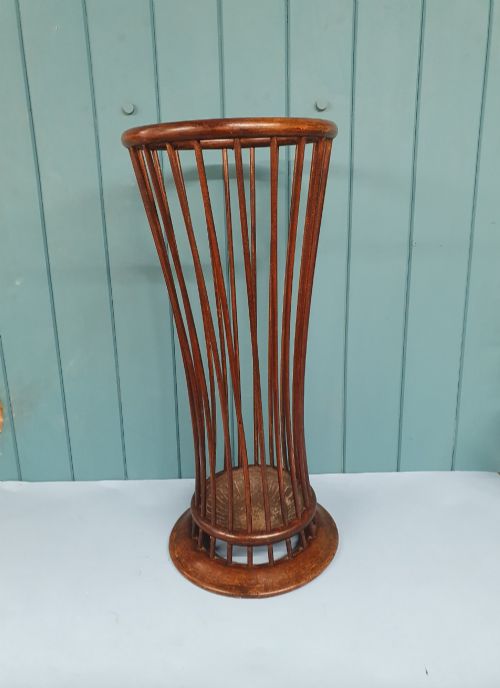
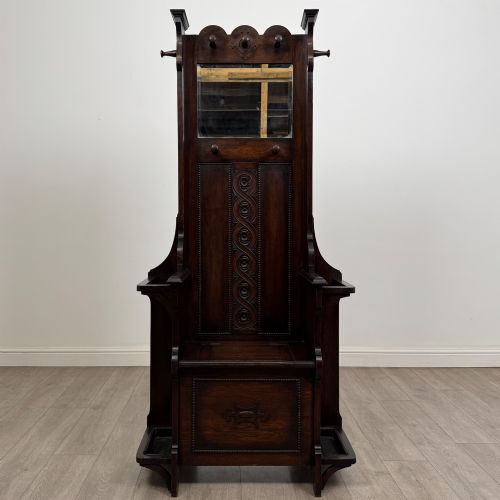
When you examine a 20th century stick stand, you encounter practical hallway furniture designed to hold walking sticks, canes and umbrellas. These pieces range from simple standalone holders to elaborate multifunctional items combined with coat hooks and mirrors.
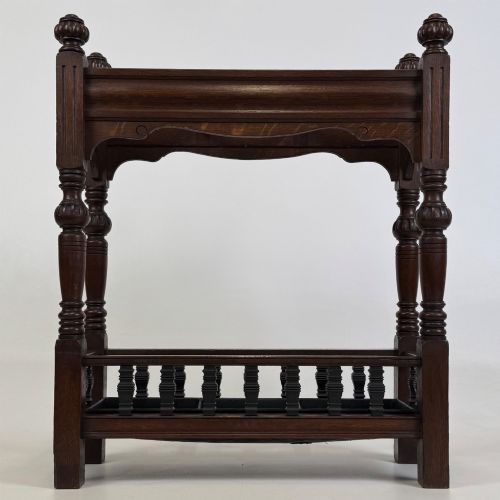
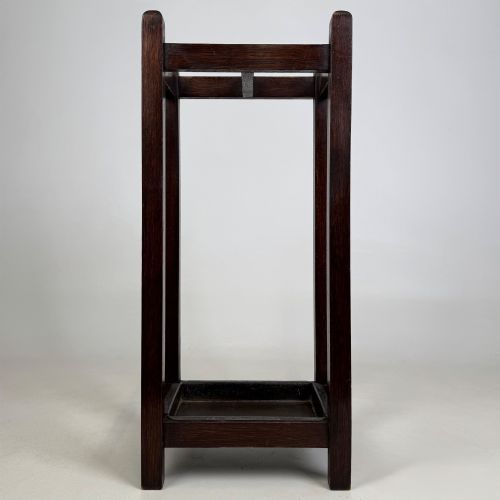
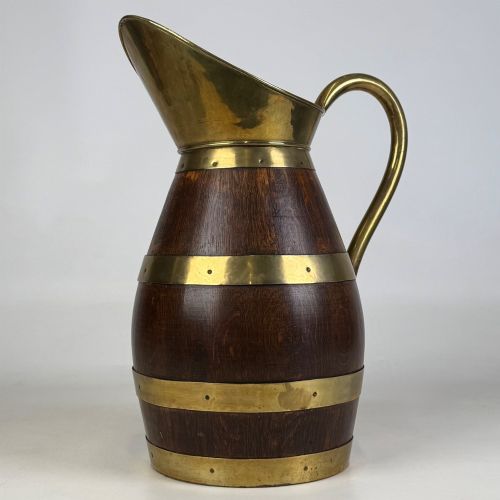
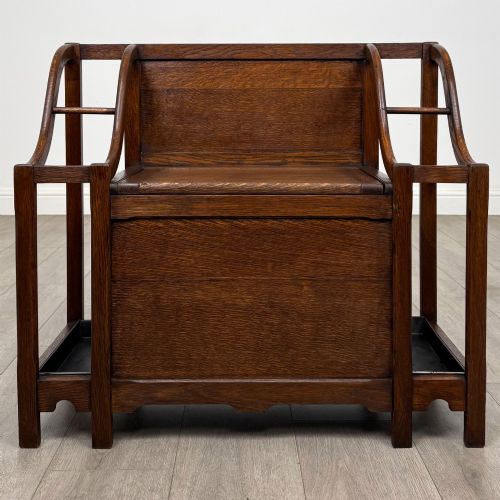
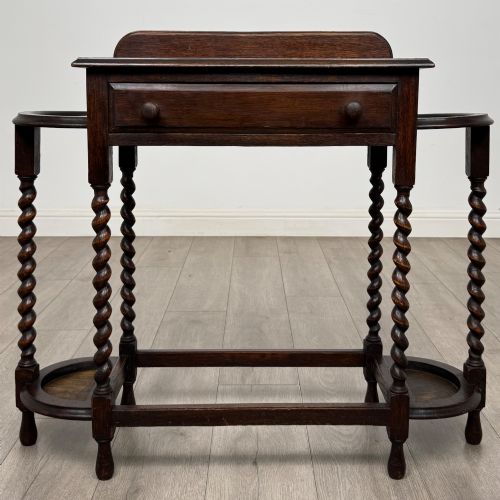
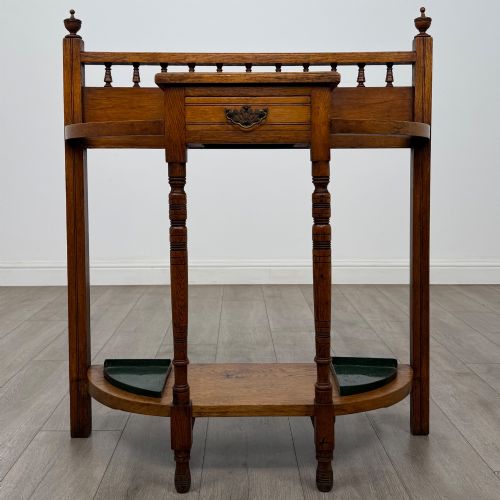
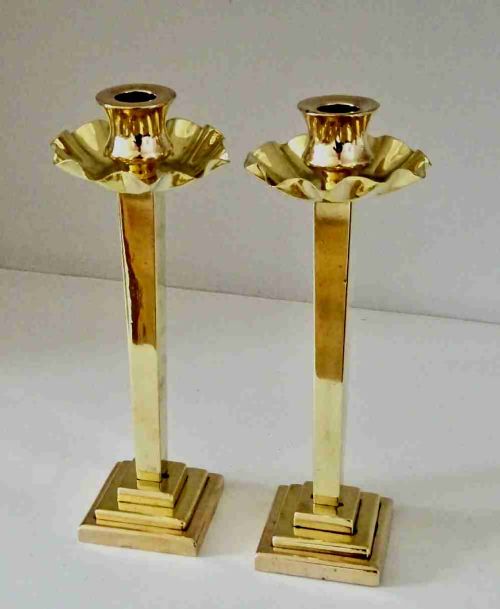
The version you are most likely to meet on this page is constructed from oak or brass, often taking a compact or demilune footprint to fit neatly against a narrow corridor wall. Examples frequently date from the Edwardian era through to the nineteen thirties, reflecting the period's domestic requirements.
What varies in quality
The distinction between standard examples and finer pieces lies in the choice of materials, such as golden oak or heavy gauge brass, alongside the complexity of the design. Elaborate carvings, such as figural dog heads or carved bears, elevate a utilitarian object into decorative folk art.
Construction methods also dictate grade, with integrated multi-section frames, secure dovetail or pegged joints, and retained original drip trays marking out superior workshop output.
Listings feature oak, brass, cast iron, beechwood and earthenware across Edwardian, Arts and Crafts, Folk Art and Black Forest styles.
The 20th Century Stick Stand Glossary
- Demilune
- A half-moon shape used for stick stands designed to sit flat against a hallway wall. This configuration maximises floor space in narrow corridors.
- Bentwood
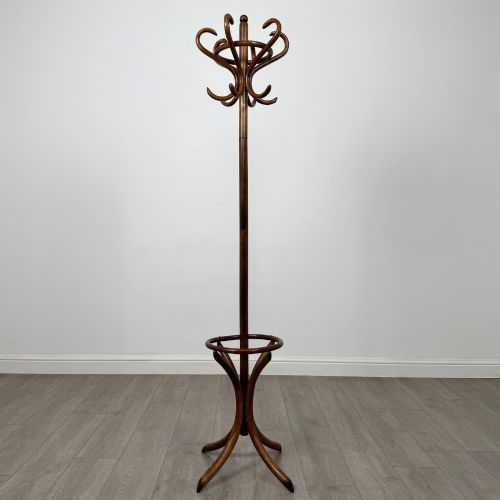
- Wood softened by steam and bent into curved structural forms. This technique created lightweight yet resilient frames for umbrella and coat stands.
- Drip tray
- A removable metal basin placed at the bottom of a stick stand to catch moisture from wet umbrellas. Original trays are an important retention for collectors.
- Black Forest
- A regional carving style originating in central Europe, characterised by realistic animal figures such as bears holding holders. These pieces often incorporate hall seats and umbrella storage.
- Folk art
- Items produced by traditional craftsmen outside mainstream academic traditions. These objects display idiosyncratic hand-carved or painted decoration.
20th Century Stick Stand: Frequently Asked Questions
How do I identify an Edwardian stick stand?
Edwardian examples typically utilise solid oak, brass or bentwood construction with traditional joinery. They often incorporate brass banding or original metal drip trays.
The aesthetic aligns with early twentieth-century domestic hallway furniture and umbrella holders.
Were these stands used only for umbrellas?
These pieces served as domestic storage for both umbrellas and walking sticks or canes. Many incorporated multiple sections to keep different items separated.
Larger hall stands combined this storage with hooks for hats and coats.
What materials are common in these pieces?
Oak, brass and cast iron dominate the construction of these items, providing necessary weight and durability. Beechwood and copper also appear in specific bentwood and pump-style designs.
Selected examples feature earthenware or studio pottery bodies.