

Vintage Brass Bed
A vintage brass bed brings weight and polish to a room, combining heavy cast frames with gleaming metalwork from the Victorian and Edwardian eras.
Vintage Brass Bed
A vintage brass bed typically dates from the nineteenth or early twentieth century, spanning Victorian and Edwardian periods. Buyers searching for a vintage brass bed will encounter various sizes, from single and double to king and super king proportions.
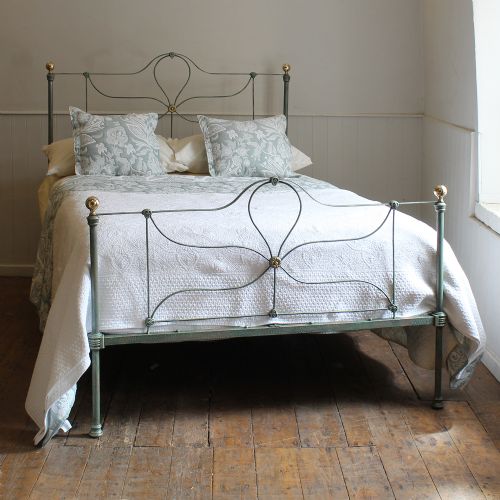
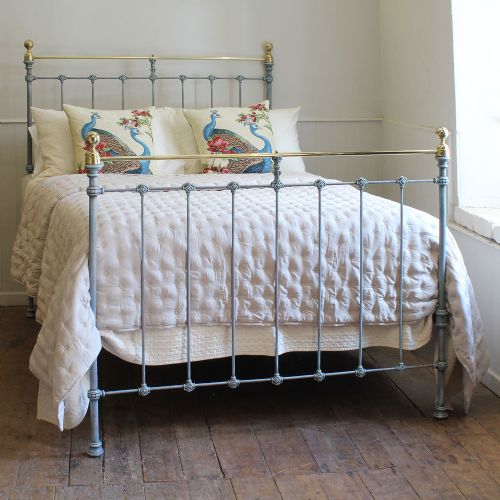
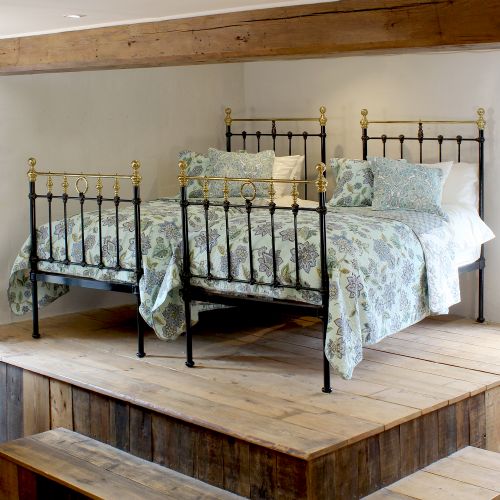
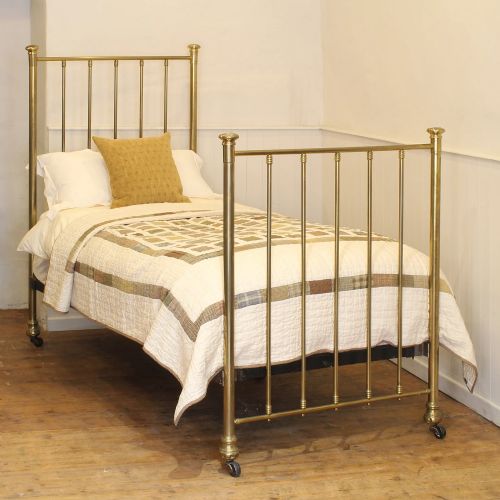
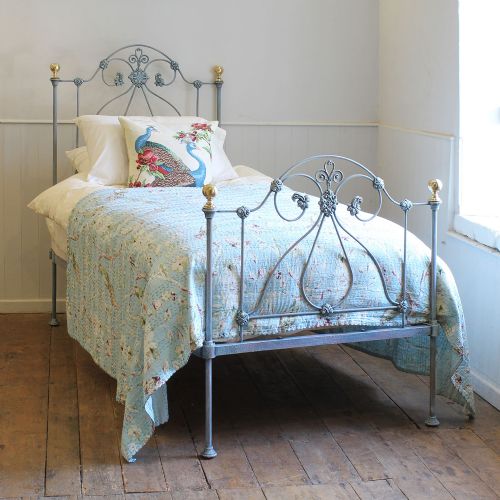
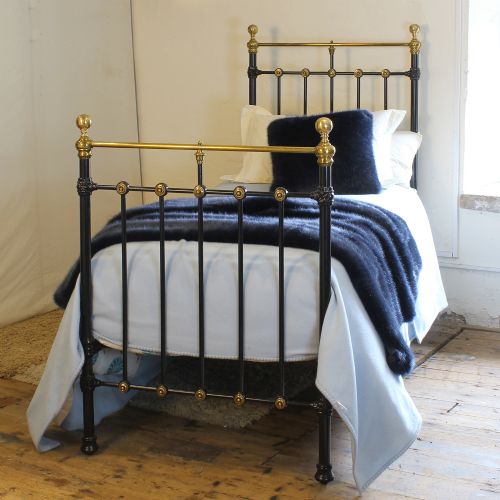
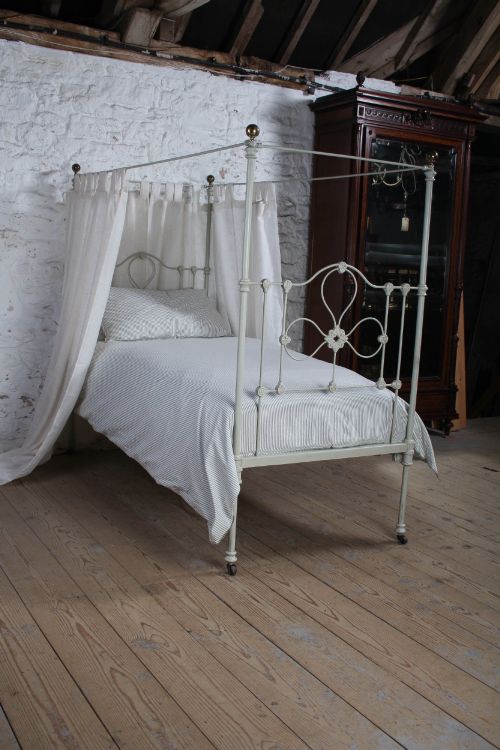
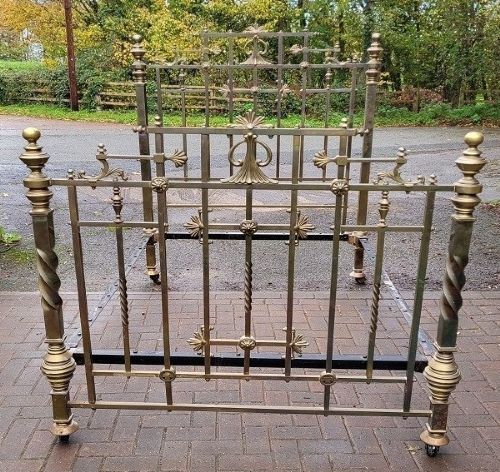
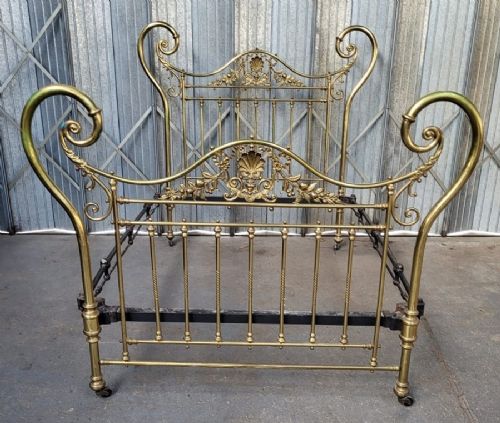
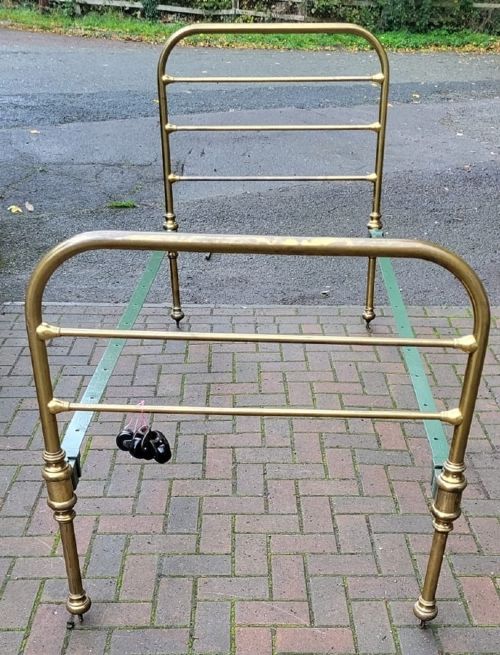
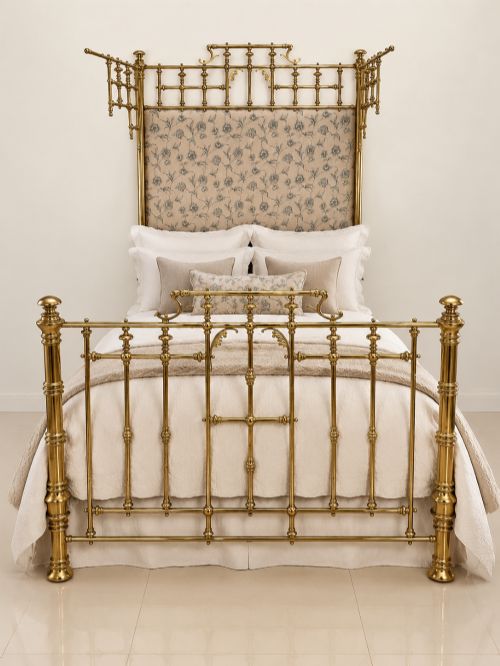
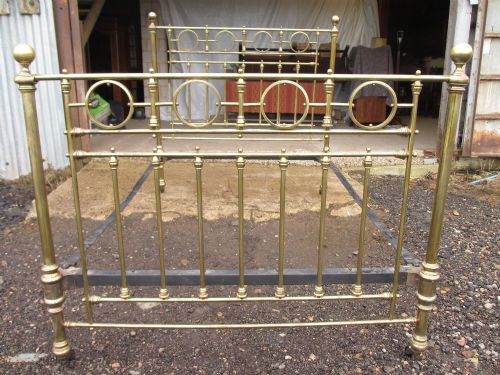
Most examples combine brass with iron or cast iron frames, often incorporating decorative metal castings and slot-in rails set on castors. Certain pieces present half tester designs or simple French styles alongside more ornate Gothic Revival forms.
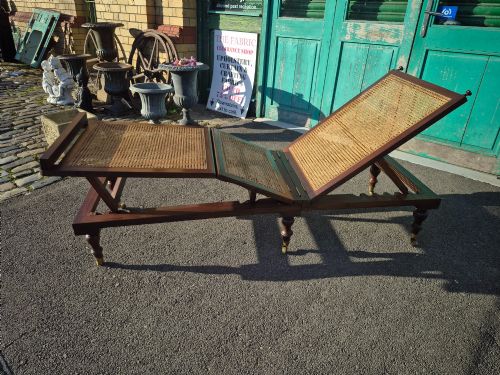
While primarily designed as bedsteads and bed frames, related items such as daybeds occasionally appear within these historical categories.
Construction and materials
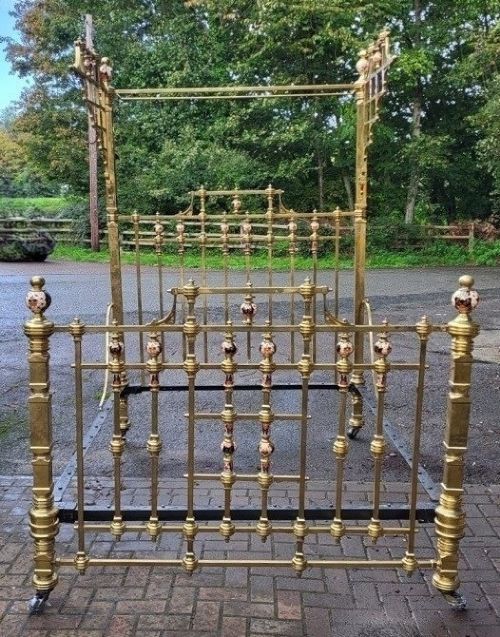
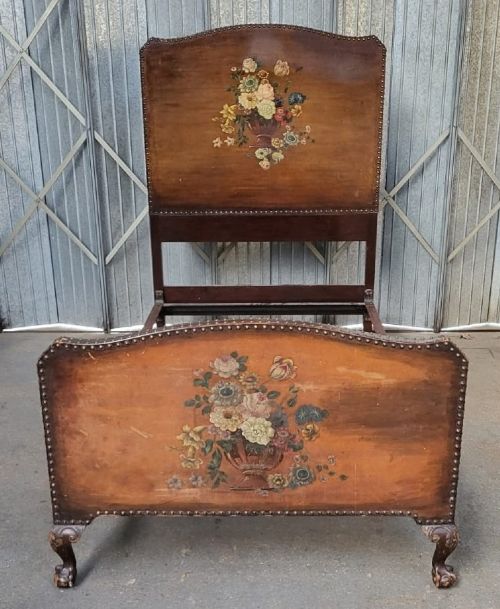
Makers constructed these frames using solid brass tubes and sheets mounted over iron cores or combined directly with wrought iron and cast iron components. Decorative details often involved intricate metal castings, while some Edwardian variants integrated hand-painted leather or ceramic elements.
Frames relied on slot-in iron joints and sturdy brackets to support standard mattress sizes, frequently mounted on small metal castors for mobility. Surface finishes ranged from polished natural brass to painted iron frameworks in green or black.
Listings feature Victorian, Edwardian, and nineteenth-century pieces constructed from brass, cast iron, painted wood, and mahogany.
Assessing quality in period frames
Quality rests in the crispness of the metal castings and the gauge of the brass and iron used in the frame. Exhibition grade pieces display superior weight, refined decorative details, and maker marks from notable workshops.
The integrity of the structural joints and the originality of the components dictate the desirability of a piece. Finer examples maintain their original castors, side rails, and untampered metal surfaces without excessive replacement parts.
Winfield·RW Winfield·Maple and Co·Hoskins and Sewell
The Vintage Brass Bed Glossary
- Bedstead
- A framework of a bed designed to support the mattress and springs. It usually comprises a headboard, footboard, and connecting side rails.
- Half Tester
- A canopy projecting from the wall or headboard over the upper portion of a bed. This style creates a focal point above the pillow area.
- Castor
- A small wheel mounted in a swivel housing attached to the base of the bed legs. It allows the heavy metal frame to be moved across the floor with greater ease.
- Dip Rail
- A headboard or footboard rail that curves downward towards the centre. This profile is common in traditional Victorian and Edwardian bed designs.
- Toleware
- Lacquered or painted metalware produced in various European workshops. It appears on specific continental bedstead styles from the nineteenth century.
Vintage Brass Bed: Frequently Asked Questions
How do I assemble a vintage brass bed?
Most period frames utilise a slot-in iron rail system that wedges securely into the headboard and footboard sockets without requiring complex tools.
Tapping the joints gently with a rubber mallet helps seat the iron lugs firmly into place before laying down modern support slats.
Will a vintage brass bed take modern mattresses?
Many nineteenth and twentieth-century frames were built to historical dimensions that differ slightly from standard contemporary mattress sizes.
Measuring the internal width and length between the side rails ensures a correct fit for modern bases and mattresses.
How should I clean a vintage brass bed?
Dusting with a soft dry cloth removes everyday debris without disturbing the aged patina accumulated over the decades.
Abrasive metal polishes can strip historic finishes, so gentle cleaning is recommended to preserve the character of the brass.
How do I distinguish Victorian from Edwardian frames?
Victorian frames often display heavier cast iron components, ornate castings, and prominent Gothic Revival influences in the headboard design.
Edwardian examples frequently lean towards lighter proportions, simpler dip rails, and occasional painted or leather details.