
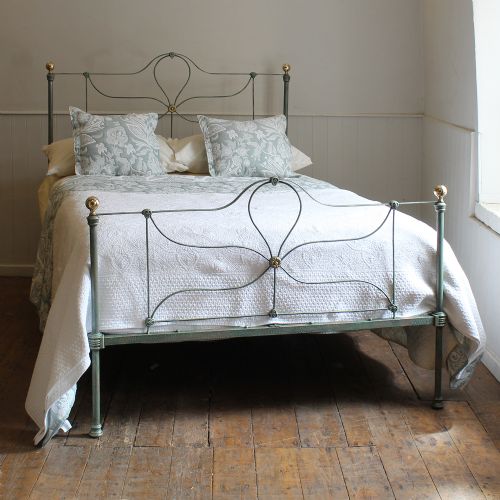
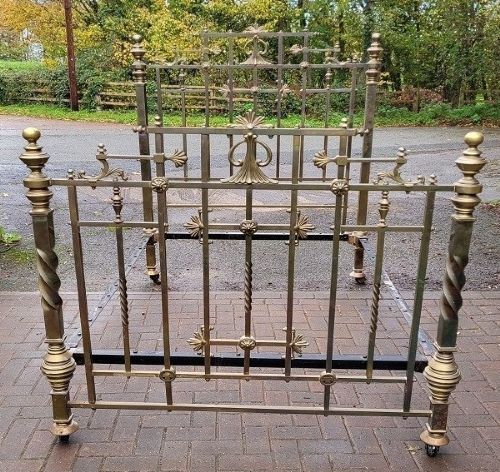
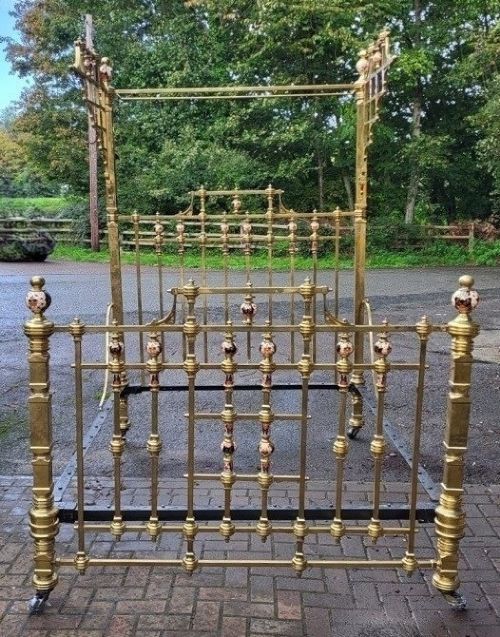
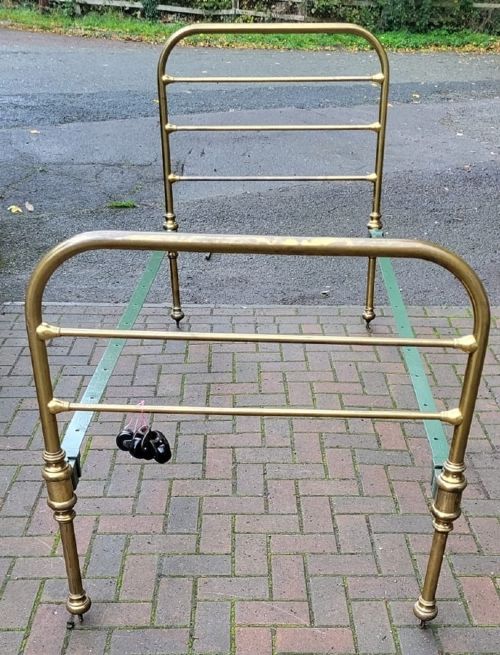
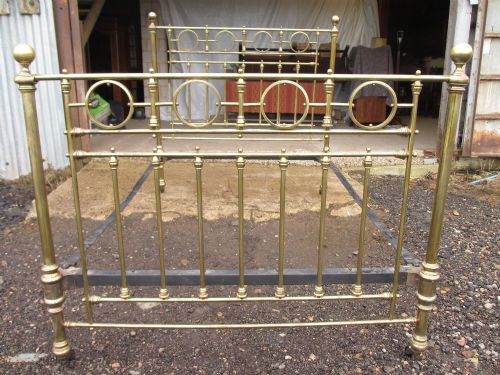
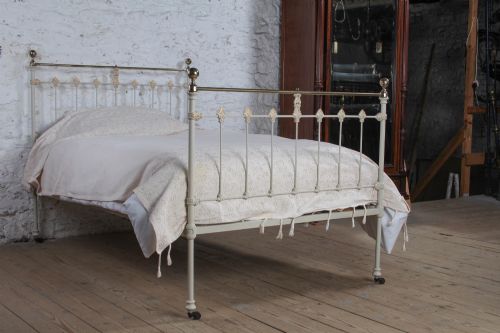
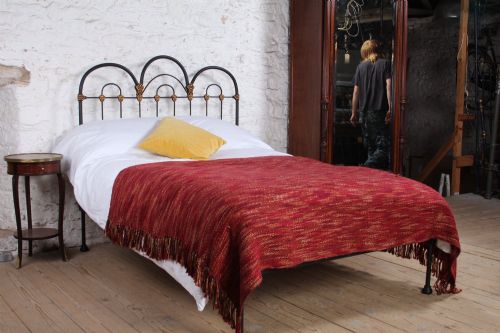

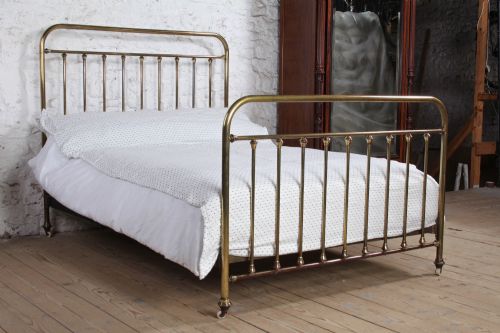

Brass Footboard Bedstead
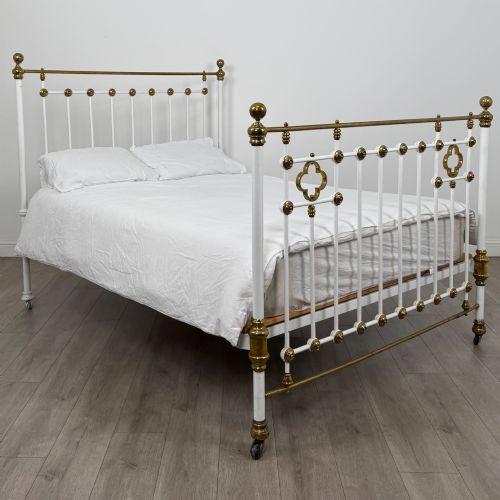
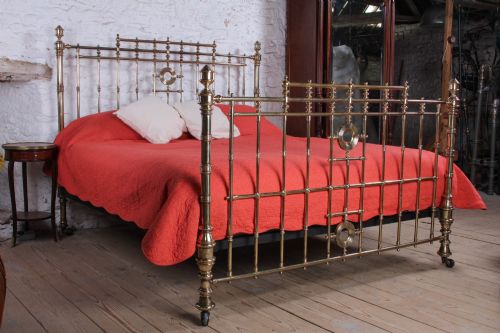
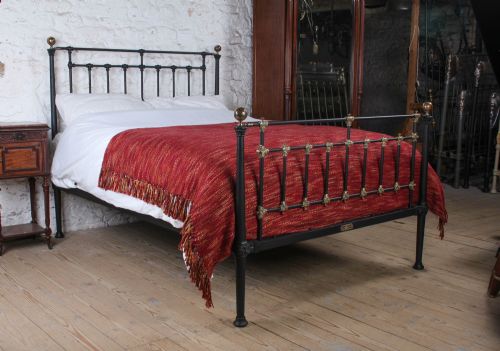
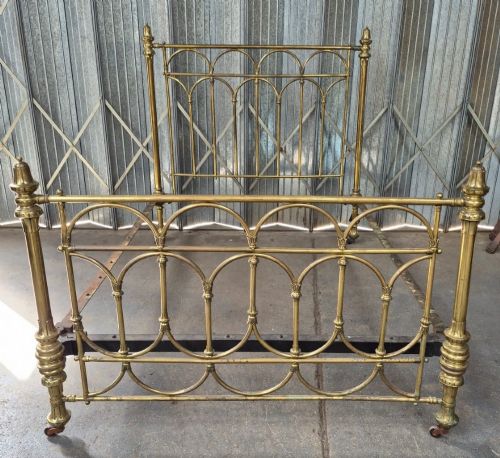
A brass footboard bedstead brings heavy Victorian and Edwardian character to a bedroom through its polished metal rails and robust frame construction.
Brass Footboard Bedstead
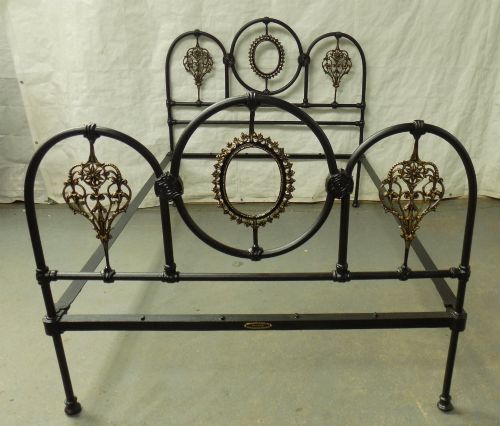
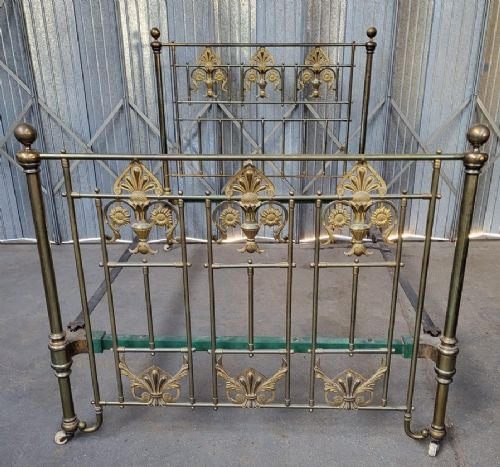
A brass footboard bedstead is a substantial sleeping frame combining metal tubing and castings, most frequently encountered in Victorian and Edwardian examples dating from the 1860s through to 1910. These pieces appear in single, double, king, and super king sizes, often paired with iron side rails or constructed as a combination of brass and painted iron. The forms range from classic straight rails to ornate Gothic Revival designs and French simple styles.
Buyers seeking a brass footboard bedstead will find pieces originating from British workshops and French makers, utilising materials such as brass, cast iron, wrought iron, and occasional wood elements like maple. The structural framework relies on heavy metal tubes, decorative cast brass or iron mounts, and original castors to support the mattress base. Many variants include low end or no end footboards alongside the prominent head and foot sections.
What varies in quality
Quality in these bedsteads rests on the weight of the metal, the crispness of the cast brass details, and the integrity of the original joints and castors. Superior pieces display intricate ornamentation, substantial gauge tubing, and maker attribution on the ironwork or brass components.
Simpler models feature plain straight rails and lighter iron frames with minimal casting detail. The distinction between standard production and exhibition quality lies in the depth of the brass work, the complexity of the period styling, and the overall rigidity of the assembled frame.
One particularly enthusiastic piece in the records is described simply as an incredibly pretty Irish iron and brass king size no end bed.
Maple and Co·Winfield·RW Winfield·James Shoolbread and Co
The Brass Footboard Bedstead Glossary
- Bedstead
- A framework of a bed supporting the springs and mattress. This term specifically refers to the complete structural structure rather than just the bedding elements.
- Half Tester
- A bed canopy extending only part of the way over the head of the bed. It provides a condensed version of full tester drapery frames.
- Gothic Revival
- A nineteenth-century design style drawing on medieval architectural motifs. Pieces in this style feature pointed arches, trefoils, and heavy structural detailing.
- Aesthetic Movement
- A late Victorian design phase emphasising visual beauty over narrative meaning. Furniture from this movement displays refined lines and stylised natural motifs.
- Arts and Crafts
- A design movement valuing traditional craftsmanship and simple forms. Works from this tradition eschew excessive machine-made ornamentation in favour of honest construction.
Brass Footboard Bedstead: Frequently Asked Questions
How do I assemble a Victorian brass bed?
Most period bedsteads utilise a slot-in iron frame system where the side rails wedge directly into the corner mounts of the head and foot sections. Tap the joints gently with a rubber mallet to secure them.
Ensure the frame is square before dropping in the mattress platform or slats. Many examples are fitted with original castors, so check that the bed rests evenly on the floor.
Will modern mattresses fit antique bed frames?
Period sizes like double, king, and super king often vary slightly from modern standard dimensions. Measure the internal length and width of the iron side rails carefully before purchasing a mattress.
Some older frames require custom mattress sizing or slight adjustments to the internal support platform. Modern slatted bases can be adapted to rest safely within the existing iron side irons.
How do I clean polished brass and iron?
Maintain polished brass surfaces using a soft cloth and a dedicated metal cleaner formulated to preserve antique lacquer or bare metal. Avoid harsh abrasives that can strip the protective finish.
Painted iron sections require only a gentle wipe with a dry or slightly damp cloth. Keep moisture away from any wooden components such as maple frames to protect the original finish.
How can I date a brass footboard bedstead?
Examine the style of the castings, the shape of the tubing, and any maker stamps on the iron frame. Victorian pieces often display Gothic Revival or Aesthetic Movement motifs.
Later Edwardian examples tend towards simpler French styles or clean straight rails. The presence of tapered posts and specific manufacturer badges helps narrow the decade of production.