


Vintage Boxed Jewellery
Vintage boxed jewellery brings together fitted cases and the precious items they protect, spanning periods from the Victorian era to the mid-twentieth century.
Vintage Boxed Jewellery
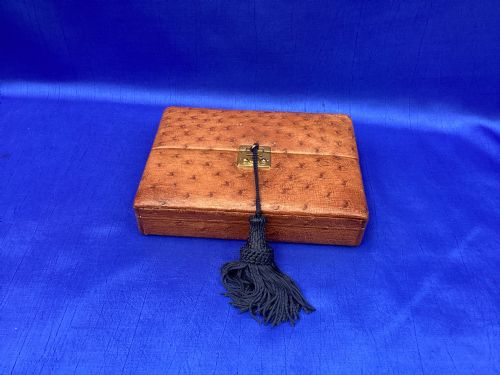
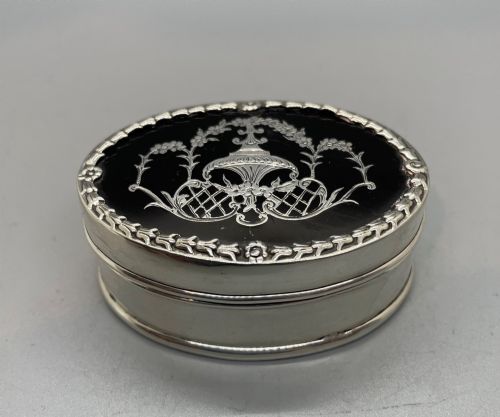
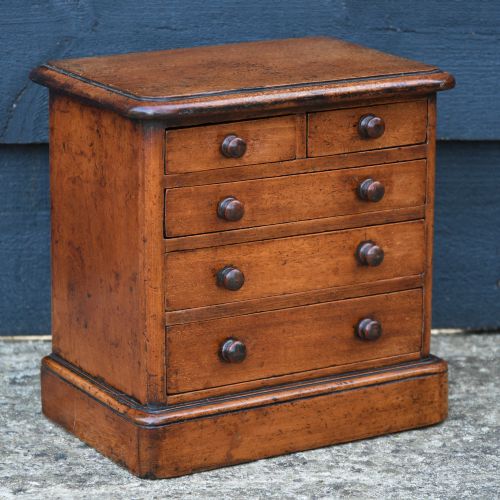
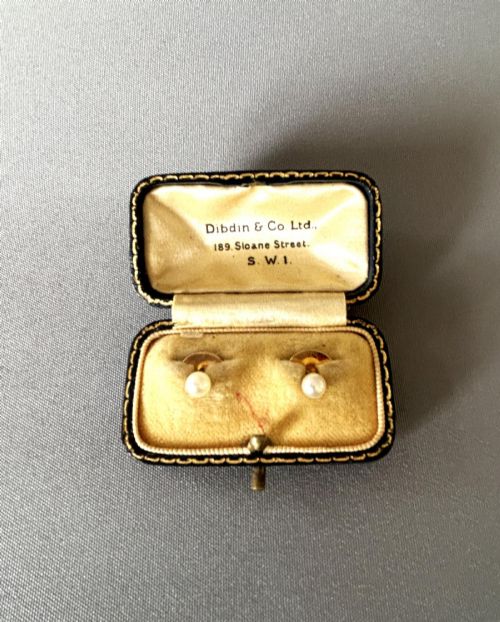
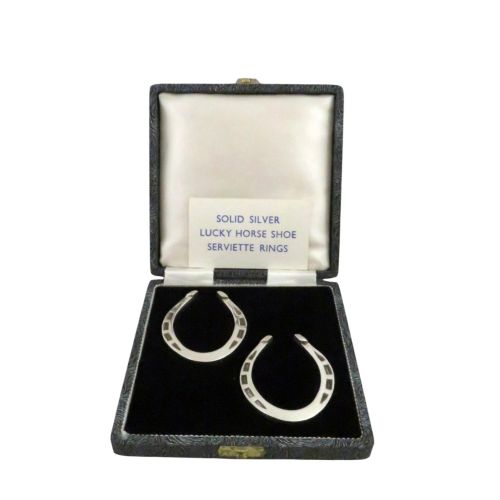
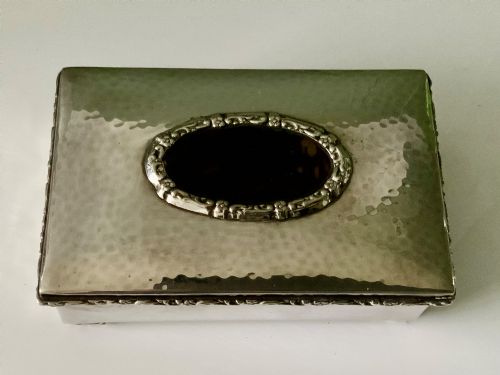
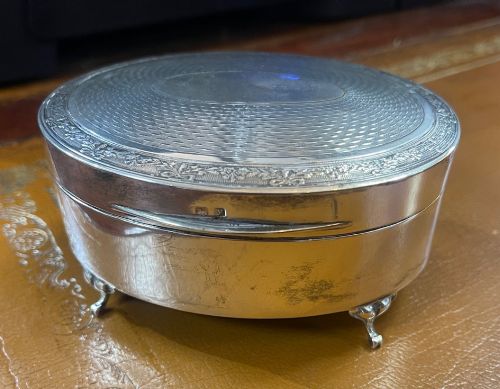
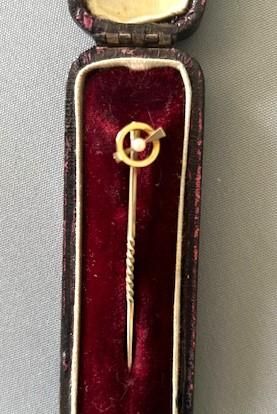
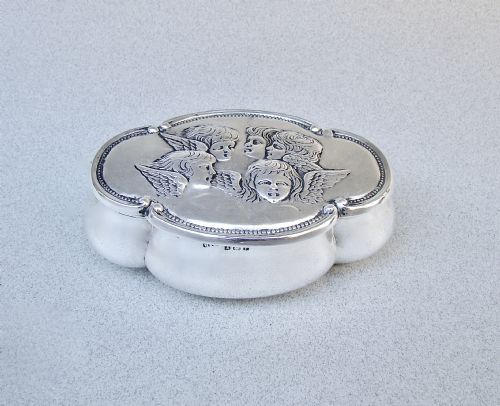
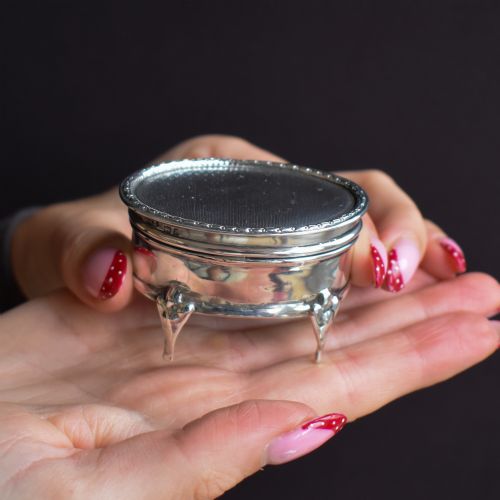
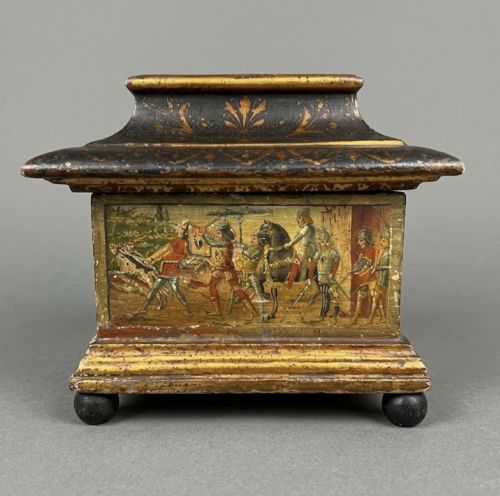
When you search for vintage boxed jewellery, you encounter a varied selection of items ranging from fitted presentation cases containing gold and pearl pins, bangles, and brooches to standalone silver trinket boxes, caskets, and miniature furniture designed for safekeeping. These pieces bridge decorative arts and personal adornment, originating from workshops across Britain, continental Europe, and beyond.
The objects on this page draw upon distinct historical periods including the Victorian, Edwardian, Art Nouveau, Art Deco, and mid-century eras. You are likely to meet sterling silver ring boxes with velvet or silk interiors, lacquered wooden containers, and bronze caskets alongside complete sets of jewellery housed in their original retailers' packaging.
Materials and construction methods
The physical construction relies heavily on precious metals like sterling silver and gold, frequently combined with organic materials such as mahogany, walnut, amboyna, velvet, leather, and glass. Silversmiths utilised stamping, chasing, and hallmarking techniques to produce sturdy trinket containers, while cabinetmakers employed marquetry, inlay, and fine polishing for wooden caskets.
Specialist decorative methods visible across the inventory include guilloche enamel work, silver inlay on bronze, hand-painted surfaces, and intricate stone setting using Connemara marble, Scottish agate, and pearls. These varied techniques reflect the specific stylistic vocabulary of their respective decades, from Arts and Crafts copper work to ornate Victorian repoussé designs.
Vintage Boxed Jewellery Retail Price Guide 2026
Typical asking prices for vintage boxed jewellery among the pieces listed under this phrase on Sellingantiques today, from the lower quarter to the upper quarter. They describe what is for sale here now, not the wider market.
Distinctions in standard and execution
Quality in these pieces depends heavily on the precision of the metalwork, the integrity of the original interior lining, and the clarity of hallmarks or maker signatures. Heavier gauge silver and solid hardwood construction distinguish finer items from lighter, plated alternatives.
The refinement of decorative details - such as hand-applied enamel, tightly fitted hinges, and undamaged glass panels or internal pads - separates standard production pieces from exceptional examples originating from notable makers and Parisian workshops.
Henry Matthews·Mappin & Webb·Tahan·Susse Freres·J C Vickery·Birks
The Vintage Boxed Jewellery Glossary
- Hallmark
- An official stamp applied to precious metals indicating the standard of purity, the assay office of origin, and the year of testing. These marks provide definitive clues for dating silver and gold pieces accurately.
- Guilloche
- A decorative mechanical technique where a precise repeating pattern or design is engraved into a metal surface beneath a translucent layer of enamel. This method creates depth and shimmering light effects on Edwardian and Art Deco boxes.
- Bijouterie
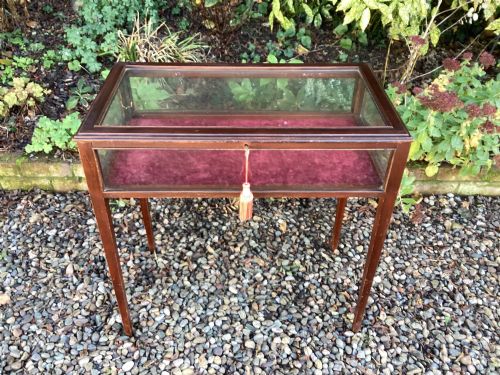
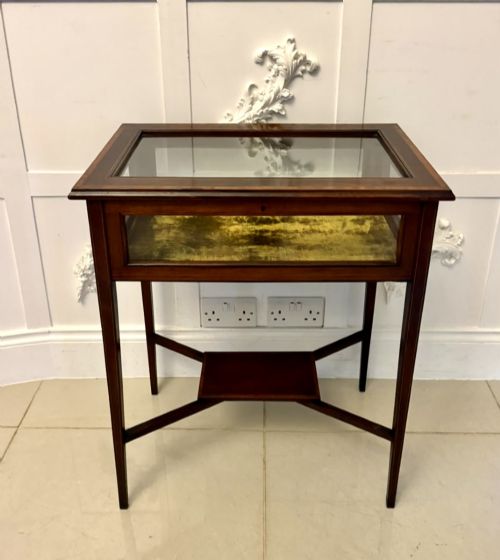
- A small display case or table with glass panels designed specifically to exhibit precious trinkets and jewellery. These pieces often feature hinged lids and velvet-lined interiors.
- Casket
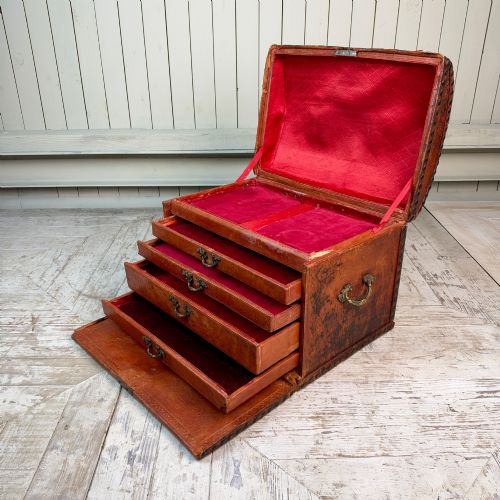
- A decorative box, frequently footed and made from metal or exotic woods, used historically for storing valuables or letters. They often feature elaborate locks and hinged lids.
- Marquetry
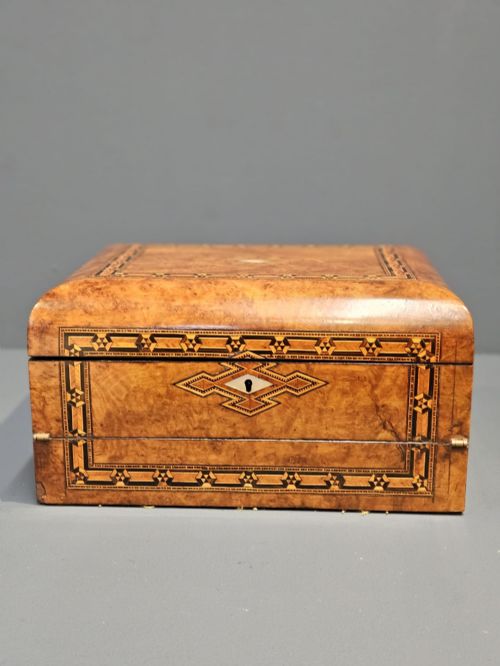
- The art of applying pieces of veneer to a structural wood base to form decorative patterns and pictorial scenes. Master cabinetmakers utilised contrasting timber grains to achieve dimensional depth.
Vintage Boxed Jewellery: Frequently Asked Questions
What is a trinket box?
A trinket box is a small container specifically manufactured to hold rings, brooches, and other small personal valuables.
These receptacles were traditionally placed on dressing tables and feature soft interior linings of velvet, silk, or satin to protect delicate items.
How do I date a silver box?
Dating a silver box relies primarily on identifying the stamped hallmarks, which include maker marks, town assay office symbols, and date letters.
Stylistic indicators such as Art Deco geometric lines or Victorian floral motifs also help narrow down the period of manufacture.
Were these boxes sold with jewellery inside?
Many presentation boxes and fitted cases were originally retailed alongside specific pieces of jewellery, such as bangles, stick pins, or brooches.
Other containers were purchased separately as standalone accessories for domestic dressing tables.
How should I clean a silver box?
Cleaning silver boxes requires gentle care to avoid damaging delicate hinges, velvet interiors, or applied enamel and stone settings.
Specialist non-abrasive silver cloths are recommended, taking care to keep polishes away from fabric linings and delicate decorative surfaces.