



Antique Pearl Lapel Pin
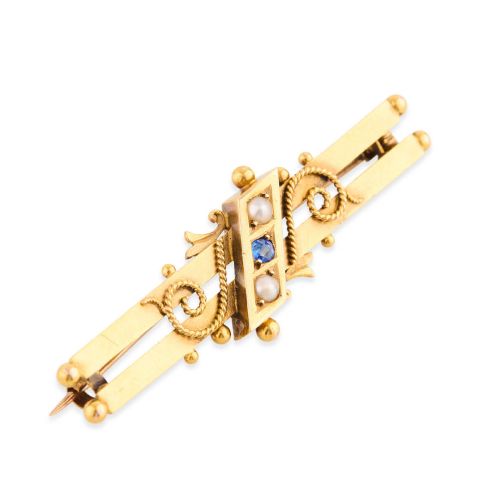
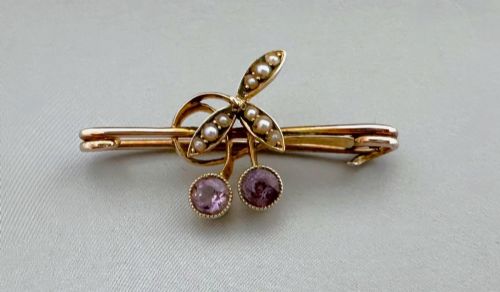
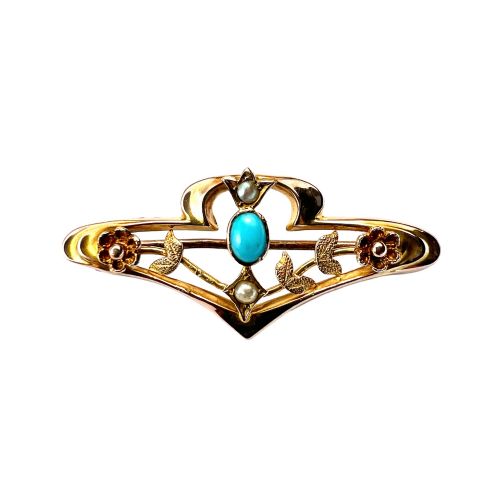
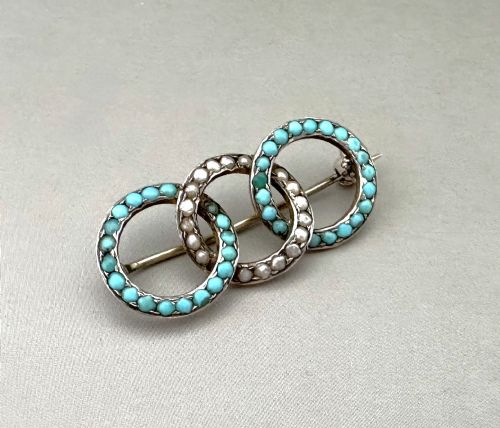
These antique pearl lapel pin items and allied brooches bring quiet elegance to a lapel, offering delicate gold and pearl work from the nineteenth and early twentieth centuries.
Antique Pearl Lapel Pin
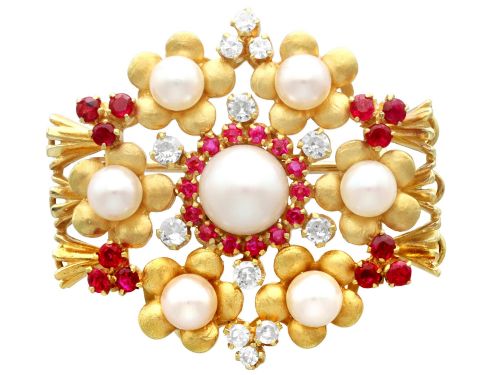
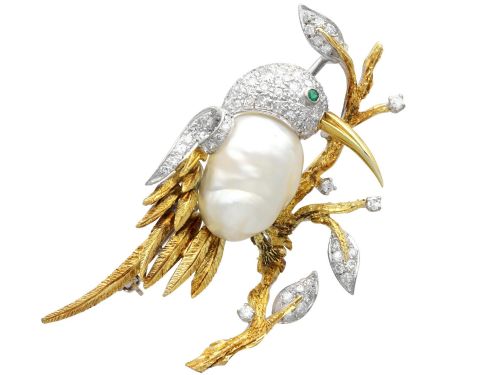
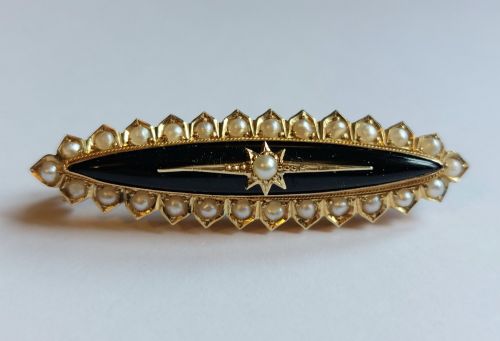
The assortment on this page draws heavily from Victorian and Edwardian workshops, featuring floral motifs, insects, hearts, and linear bar designs. Many incorporate natural pearls or split pearls paired with enamel, silver, or platinum highlights.
How they were made
Goldsmiths worked primarily in nine-carat, fifteen-carat, and eighteen-carat gold, mounting pearls by pegging them onto gold pins or securing them in tiny collets. Seed pearls and split pearls appear clustered or set in delicate floral patterns alongside rose-cut diamonds.
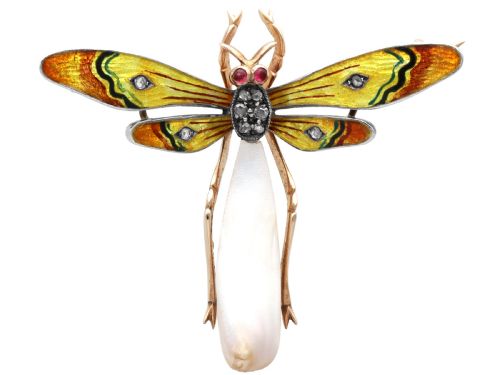
Enamelling techniques such as plique-à-jour add translucent colour to gold leaf and heart-shaped frames. Silversmiths also utilised silver gilt and platinum overlays, particularly in Edwardian and later pieces.
Antique Pearl Lapel Pin Retail Price Guide 2026
Typical asking prices for pearl lapel pin among the pieces listed under this phrase on Sellingantiques today, from the lower quarter to the upper quarter. They describe what is for sale here now, not the wider market.
A tiny gold dragonfly with delicate wings waits quietly among the floral bar brooches.
What varies in quality
Quality rests on the fineness of the goldwork and the matching and lustre of the pearls themselves. Hand-pierced frames and detailed engraving distinguish superior artisan pieces from simpler production items.
The integration of secondary stones like diamonds, sapphires, or garnets alongside well-preserved enamel work elevates a piece. Original fitted boxes and intact pin mechanisms also indicate higher preservation standards.
The Antique Pearl Lapel Pin Glossary
- Seed pearl
- Very small, natural marine or freshwater pearls threaded and sewn or set into jewellery. They give Victorian and Edwardian floral designs their characteristic delicate texture.
- Split pearl
- A pearl sawn in half and hollowed or backed to sit flat against a gold setting. This technique was widely used in nineteenth-century cluster and bar brooches.
- Plique-à-jour
- An enamelling technique resembling miniature stained glass where the enamel is fired without a backing metal. It creates translucent panels of colour seen in Art Nouveau pieces.
- Bar brooch
- A narrow horizontal pin featuring central ornamentation such as gemstones, pearls, or enamel motifs. They were commonly worn at the neck or lapel during the late Victorian and Edwardian eras.
- Rose-cut diamond
- A vintage diamond cut featuring a flat base and a domed crown with triangular facets. This cut predates the modern brilliant cut and offers a soft, candlelight sparkle.
Antique Pearl Lapel Pin: Frequently Asked Questions
How should I wear an antique pearl lapel pin?
These pieces function well secured to the lapel of a jacket, coat, or knitted shawl. Their secure pin stems hold firmly through heavier fabrics.
Ensure the safety catch or C-clasp is fastened properly when worn on outdoor garments to prevent loss.
Are the pearls natural or cultured?
Many pieces from the Victorian and Edwardian periods incorporate natural pearls or small seed pearls harvested before cultured pearl farming became widespread in the twentieth century.
Microscopic examination of the drill holes and nacre layers helps determine their exact origin.
How can I tell a Victorian pin from an Edwardian one?
Victorian pieces often feature warmer yellow gold, heavier mourning motifs, or rich onyx and garnet combinations. They tend toward romantic symbolism and substantial gold weights.
Edwardian designs shift towards lighter gold, platinum settings, diamonds, and airy floral or garland motifs inspired by the early twentieth century.