
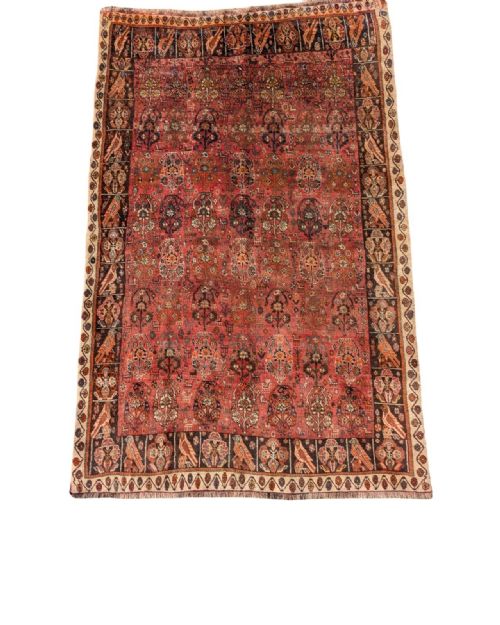
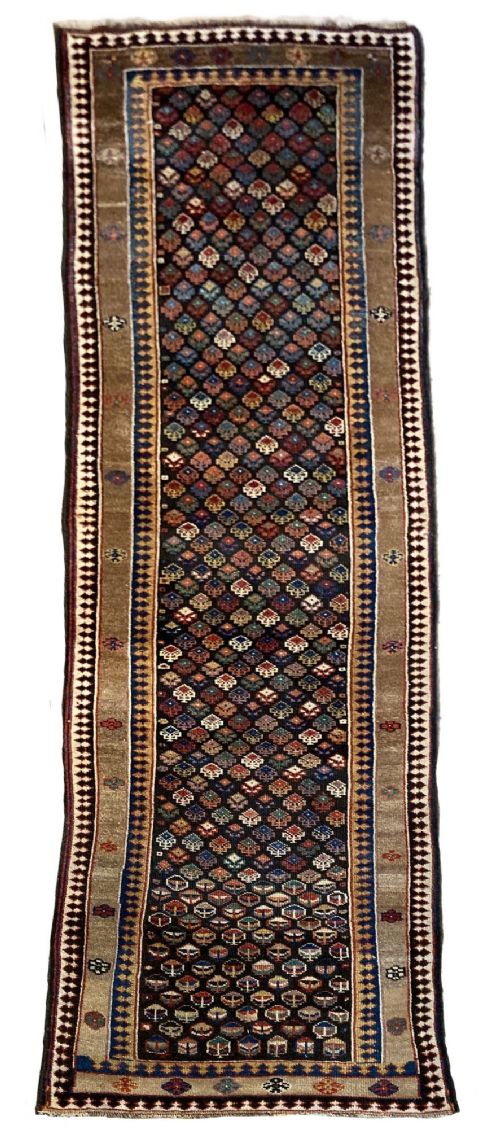
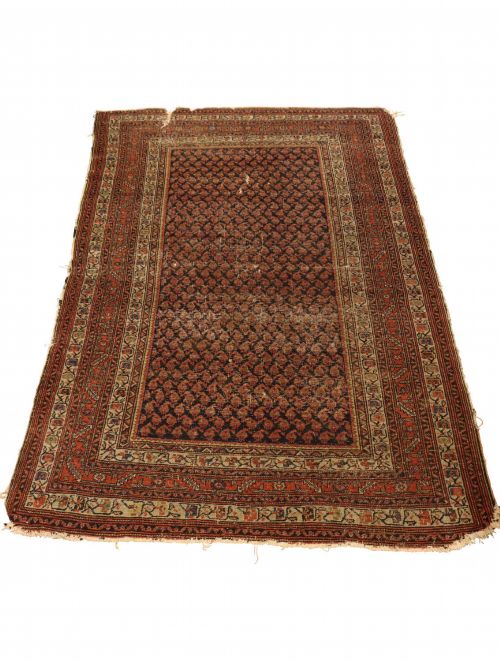


Vintage Boteh Pattern Runner
These vintage boteh pattern runner examples are woven floor coverings featuring distinct floral motif designs from regional tribal traditions.
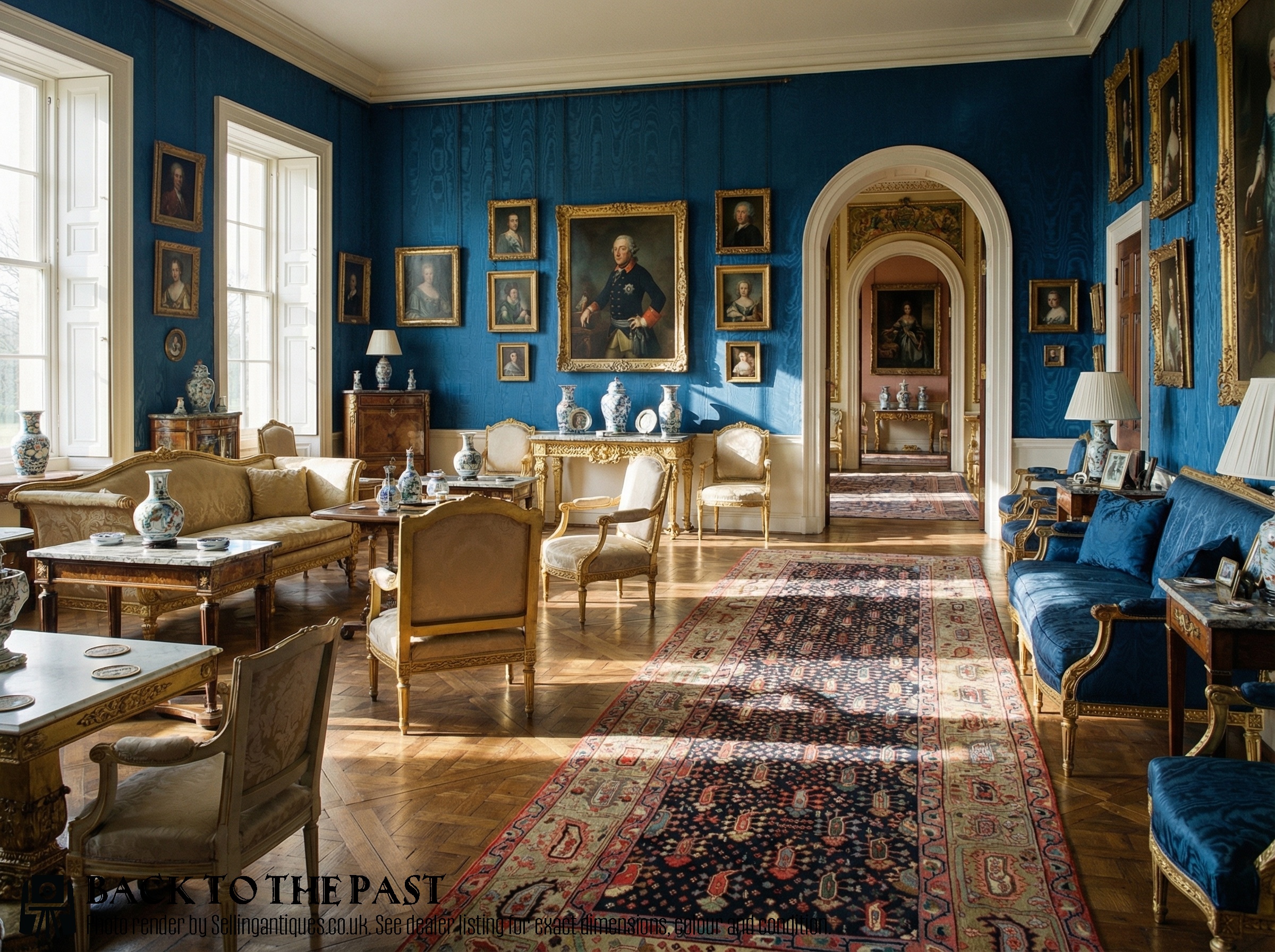
Vintage Boteh Pattern Runner
A vintage boteh pattern runner brings elongated teardrop motifs into narrow hallway spaces through traditional weaving practices. The pieces on this page span from the late nineteenth century into the early twentieth century.
Buyers will encounter regional attribution styles such as Kurdish, Caucasian, and Afshar alongside specific formats like gallery carpets and long rugs. Wool and cotton form the material basis for these floor coverings.
The format suits corridors and narrow rooms where repeat pattern work creates directional movement along the floor. Each piece reflects the weaving vocabulary of its specific origin group.
Materials and construction methods
Construction relies on hand-knotted techniques utilising wool pile supported by cotton foundations. This pairing provides the structural stability required for narrow runner formats.
Dyes interact with natural fibres to produce the varied colour palettes seen across Caucasian Gendje Kazak and Persian regional pieces. Weavers built the boteh motifs row by row into the foundation structure.
The listings span from 1880 to 1930, utilising wool and cotton across Kurdish, Caucasian, and Persian tribal styles.
Distinctions in quality
Quality rests upon the precision of the hand-knotted structure and the clarity of the boteh motif delineation. Tighter knot density allows for sharper definition within the pattern repeat.
The richness and depth of the wool pile separation mark the distinction between standard and finer examples. Superior pieces maintain visual balance across the entire length of the runner.
The Vintage Boteh Pattern Runner Glossary
- Boteh
- A stylised teardrop or almond-shaped motif representing a almond, bush, or floral spray. It forms the primary decorative element across these runner and rug examples.
- Hand-knotted
- A construction method where individual tufts of yarn are tied by hand to the warp threads. This technique defines traditional carpet and runner making.
- Runner
- A long, narrow carpet format designed primarily for hallways, corridors, and stairs. The proportions emphasise linear pattern displays.
- Wool
- The primary animal fibre utilised for the pile of traditional rugs and runners. It provides durability and resilience under foot traffic.
- Kazak
- A regional style of rug and runner originating from the Caucasus. These pieces typically feature geometric interpretations and strong primary colours.
Vintage Boteh Pattern Runner: Frequently Asked Questions
Where should I place a runner?
Runners suit hallways, corridors, narrow entryways, and bedside spaces where narrow rectangular dimensions fit floor plans effectively.
The elongated format directs movement and adds warmth to transitional areas in a home.
What is a boteh motif?
The boteh is an ancient Persian design element resembling a twisted teardrop or floral spray.
It appears frequently in traditional tribal weaving as an all-over repeat pattern.
How do I care for wool pile?
Vacuum gently without a rotating brush bar to remove surface dust from the wool pile.
Professional cleaning is recommended for deeper maintenance to protect the cotton foundation.
What defines regional styles?
Regional styles such as Kurdish, Caucasian, or Afshar reflect specific tribal weaving traditions, colour choices, and motif arrangements.
These characteristics help identify the geographic origin of each runner.
How are these runners dated?
Dating relies on stylistic analysis, material evaluation, and structural comparison with documented historical pieces.
Many examples on this page date from the late nineteenth century to the early twentieth century.