


Vintage Blue White Pitcher
These vintage blue white pitcher selections bring traditional ceramic artistry into daily service.
Vintage Blue White Pitcher
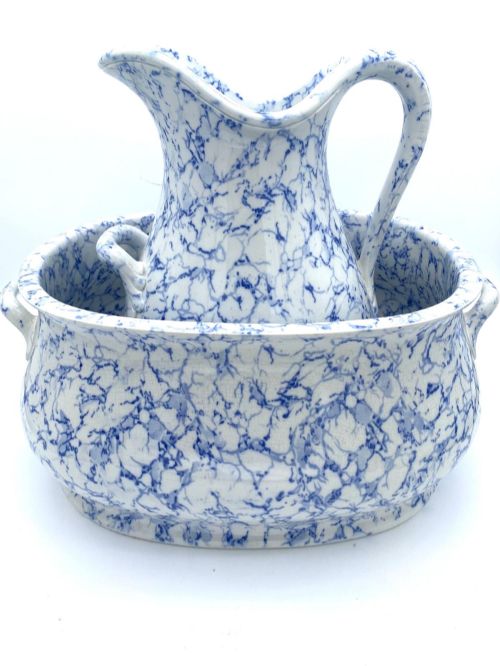
A vintage blue white pitcher offers a sturdy functional vessel rooted in centuries of domestic use. The pieces gathered under this heading span earthenware, ironstone, and ceramic bodies decorated in blue pigments.
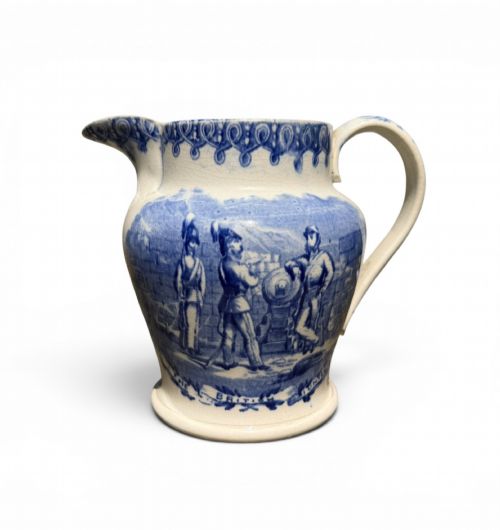
Most examples meet you as water jugs, washstand sets, and decorative pitchers originating across the nineteenth and twentieth centuries. Styles stretch from Victorian transferware and Dutch Delftware to Arts and Crafts designs.
Makers ranged from large Staffordshire potteries to specialised creators producing everything from salesman samples to grand hydra jugs. Buyers often find complete wash sets alongside single creamers and robust pitchers.
How they were made
Potters shaped these vessels from earthenware and ironstone, applying fluid glazes to seal the porous ceramic body. Cobalt blue pigments were painted directly onto the clay or transferred onto the surface before firing.
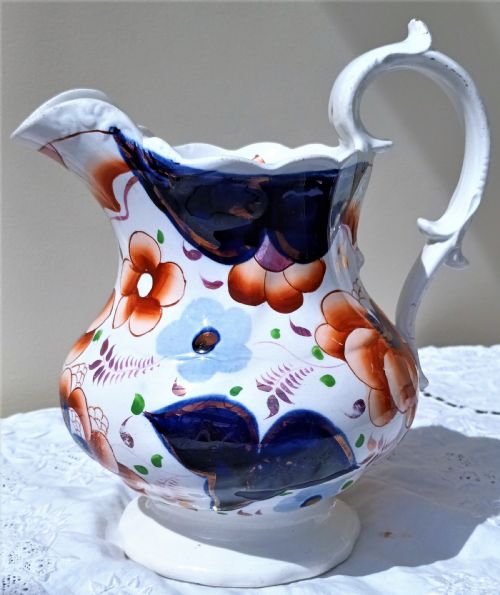
Some decorative items received gilding or gold leaf highlights over the glaze to accentuate moulded motifs and rims. Kiln methods evolved from early earthenware firings to refined ironstone production capable of heavy daily wear.
What varies in quality
The clarity of the blue transfer print and the smoothness of the glaze dictate much of the visual appeal. Strong definition in moulded handles, masks, and spouts separates standard utility wares from ambitious exhibition pieces.
Substantial ironstone bodies and well-preserved gilt accents point towards superior manufacture. The crispness of pattern transfer and the integrity of the ceramic body govern overall standing among collectors.
Minton·Doulton Lambeth·Doulton Burslem·Caughley Coalport·Spode
The Vintage Blue White Pitcher Glossary
- Ironstone
- A dense, durable type of earthenware patented in the nineteenth century to imitate Chinese porcelain. It resists chipping and staining far better than standard pottery.
- Transferware
- A method of decorating ceramics by applying a design from an engraved copper plate onto tissue paper, which is then pressed onto the unfired clay. This technique allowed intricate blue and white patterns to be produced in large quantities.
- Flow blue
- A style of cobalt decoration where vapours were introduced into the kiln during firing, causing the blue pigment to blur slightly into the white glaze. The effect creates a soft, hazy outline around the motifs.
- Toby jug
- A pottery jug shaped as a stout, jovial person wearing a eighteenth-century tricorn hat. These vessels traditionally served ale in domestic and tavern settings.
- Earthenware
- Porous pottery fired at lower temperatures than stoneware or porcelain. It requires a vitreous glaze to hold liquids securely.
Vintage Blue White Pitcher: Frequently Asked Questions
How do I clean an antique pitcher?
Wash the ceramic gently by hand using warm water and mild soap. Avoid soaking pieces with delicate gilt or old enamel decorations.
Dry thoroughly with a soft cloth to protect the glaze and prevent moisture settling into historical crazing lines.
Can I use these for fresh flowers?
Many of these sturdy earthenware and ironstone vessels hold water safely for display purposes. Check the interior and base for any hairline cracks before filling.
Place a protective mat underneath the base if displaying wooden surfaces to guard against minor moisture seepage.
What is ironstone?
Ironstone is a heavy, durable ceramic composition developed in the nineteenth century. It combined refined clay with feldspar to create a robust body resembling porcelain.
This material was widely utilised for large jugs, basins, and tablewares intended for heavy household use.
How do I date a blue and white pitcher?
Examine the base for maker marks, registration diamonds, or impressed factory stamps. The style of the handle, transfer pattern, and body weight offer further clues to the manufacturing period.
Compare the glaze texture and decorative motifs with documented examples from Victorian and earlier production eras.