
Earthenware Water Jug
An earthenware water jug carries the weight of past centuries, offering both functional service and decorative presence through traditional ceramic form.
Earthenware Water Jug
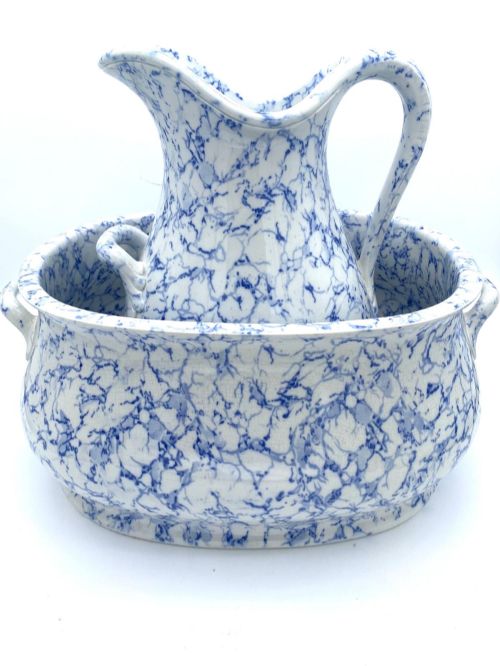
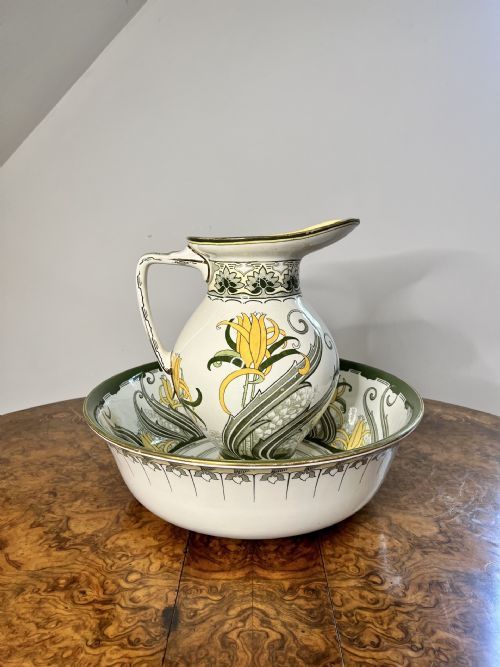
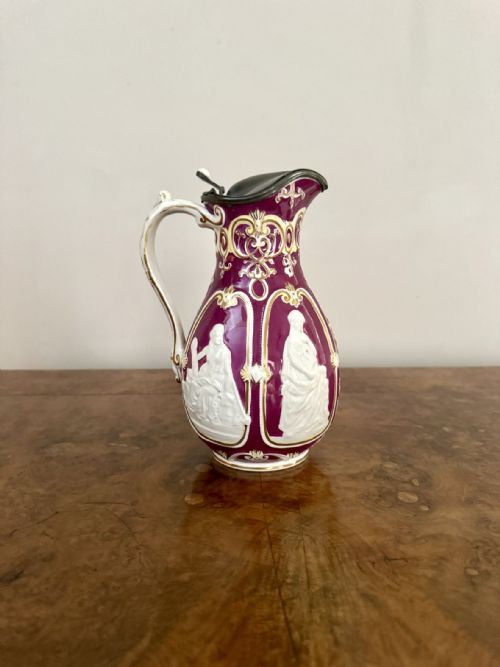
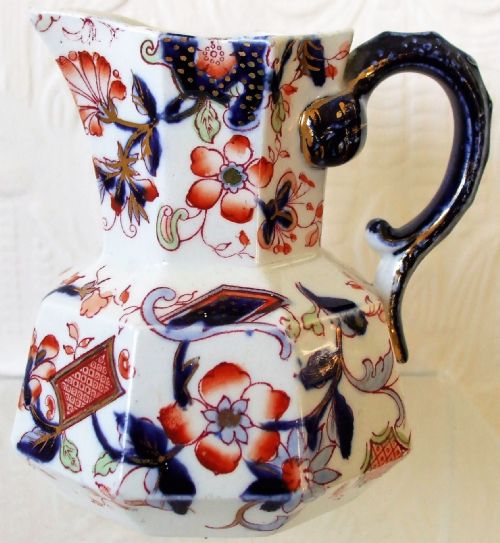
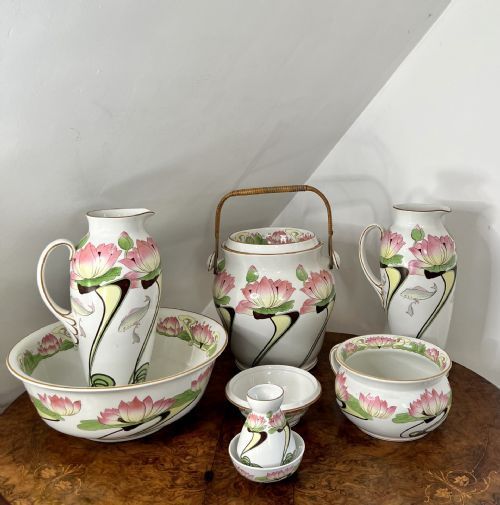
An earthenware water jug stands as a versatile household vessel shaped by regional potteries across the Georgian, Victorian, and Edwardian eras. These pieces appear as standalone pitchers or form part of larger wash sets alongside matching basins.
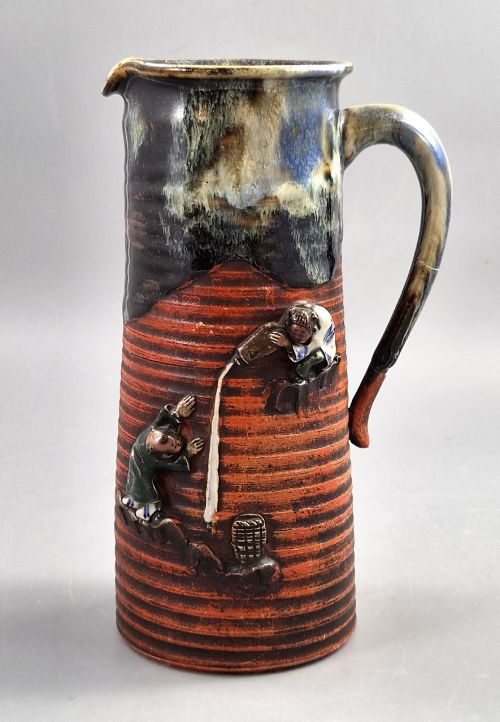
Makers shaped these containers to hold liquids for daily ablutions or dining service, often incorporating pouring spouts and sturdy handles. The domestic utility of each vessel dictated its volume, ranging from intimate bedside pitchers to large one-gallon storage pieces.
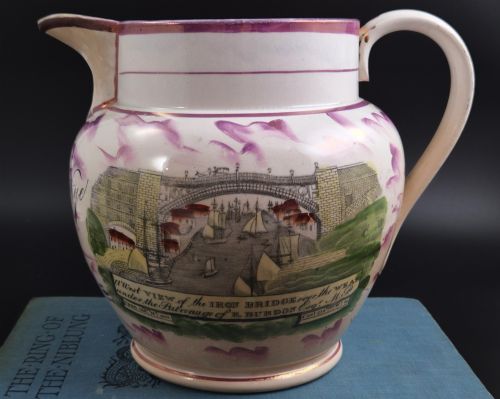
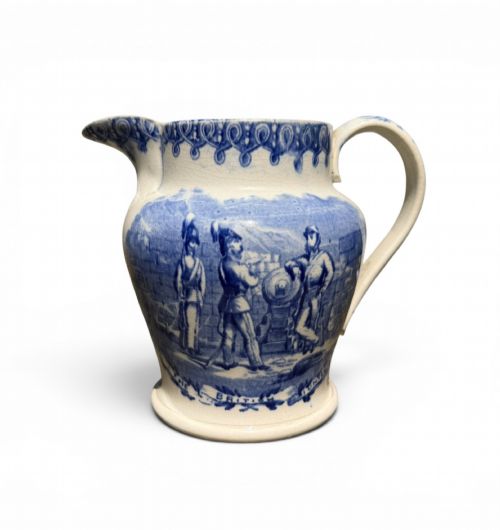
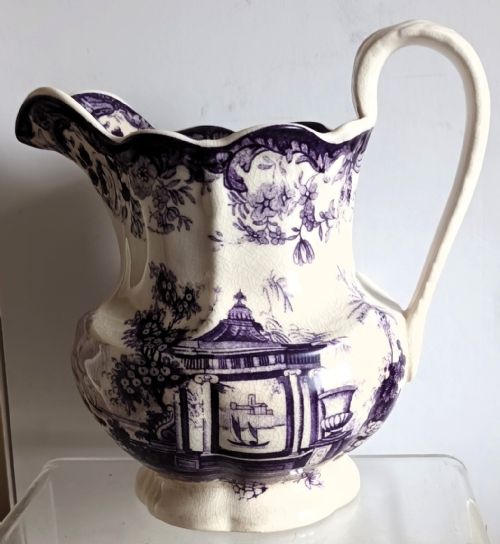
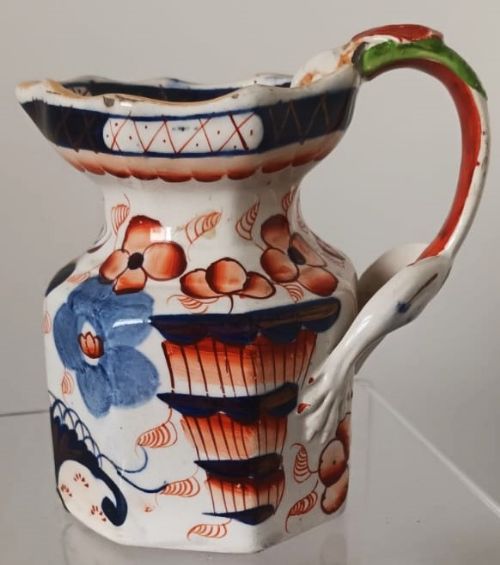
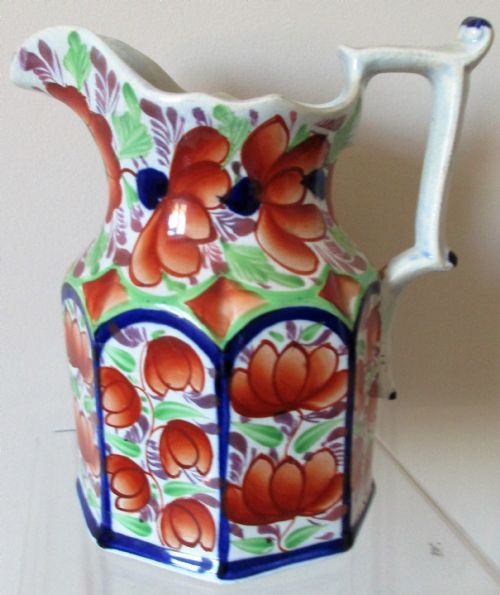
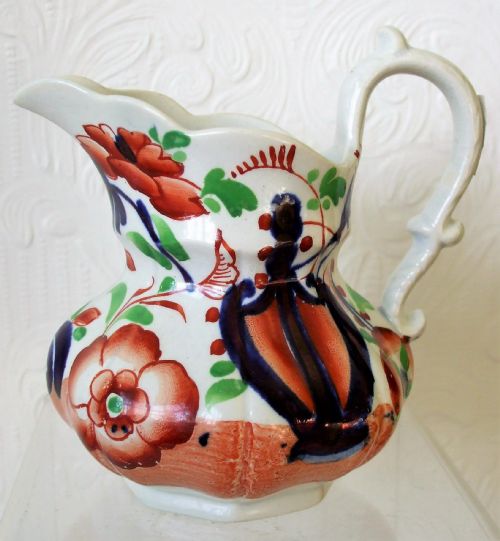
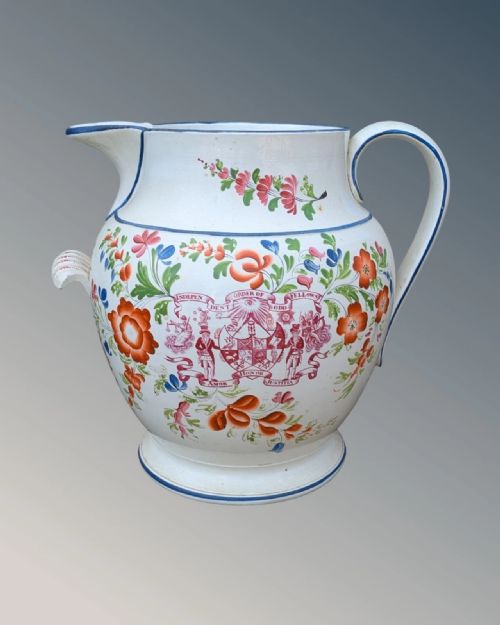
The selection on this page draws heavily from British potteries, featuring regional earthenwares, transfer-printed pearlwares, and colourful gaudy Welsh patterns. Surviving examples demonstrate how standard household items evolved into collectable display objects.
Materials and construction methods
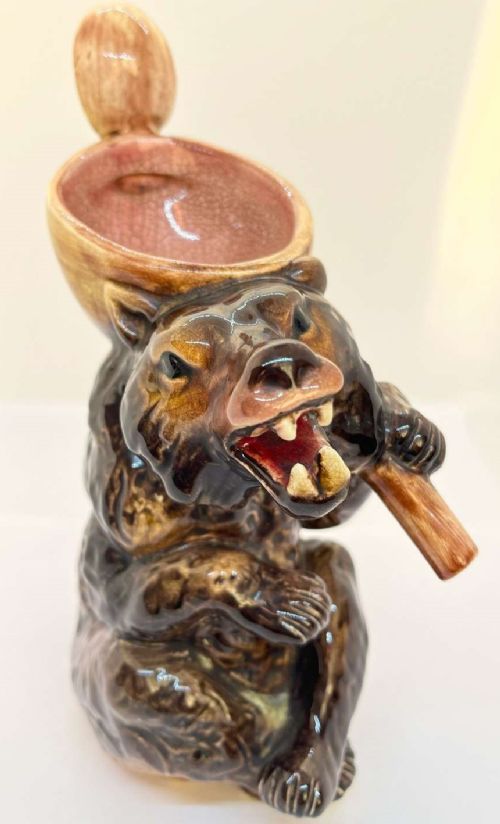
Potters built these vessels using local clays, terracotta, creamware, or pearlware bodies shaped by hand or turned upon a wheel. Some pieces utilised moulded elements such as cabbage leaf reliefs, animal figures, or crisp handle attachments.
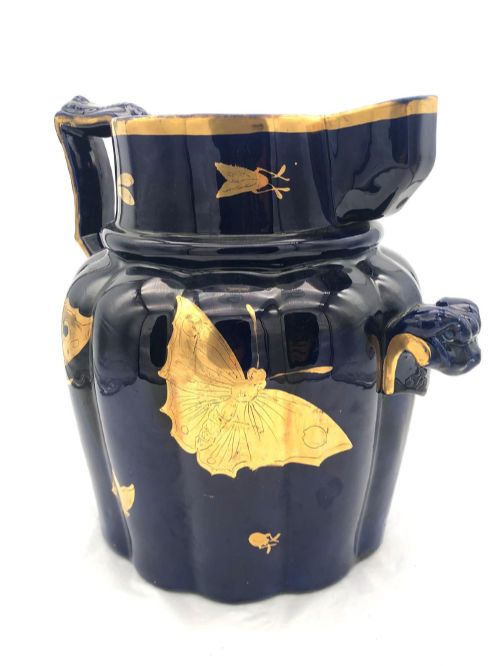
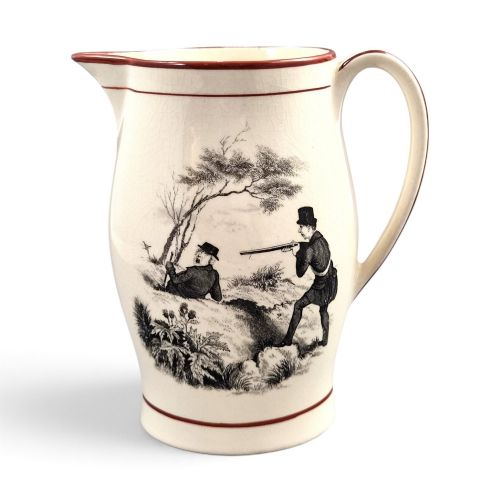
Surface decoration relied upon liquid glazes, enamel paints, and intricate transfer-printed designs depicting historical scenes or botanical motifs. Firing in traditional kilns set the ceramic body and fused the colourful glazes to the porous earthenware surface.
Form variations include wash sets, footbath jugs, pitcher pouring scenes, and animal-handled vessels across multiple stylistic revivals.
Assessing craftsmanship and execution
Quality rests upon the crispness of the moulded details and the precision of the transfer-printed or hand-painted decoration. Finer examples display balanced proportions, clean handle junctions, and even glaze coverage without excessive pooling or kiln blemishes.
The artistic ambition of the pottery shapes the character of each piece, distinguishing utilitarian vessels from exhibition-grade works designed by notable manufacturers.
Holdcroft·Minton·Doulon Burslem·Staffordshire pottery·Keeling and Co·Doulton Lambeth·Gien Faience·Ridgway and Sons·Davenport·Phillips and Bagster
The Earthenware Water Jug Glossary
- Earthenware
- Porous pottery fired at lower temperatures than stoneware or porcelain. It requires a vitreous glaze to hold liquids effectively.
- Pearlware
- A refined earthenware developed in the late eighteenth century featuring a subtle bluish glaze that pooled in recesses.
- Creamware
- A pale yellowish-buff earthenware perfected by Staffordshire potters for domestic tableware and serving vessels.
- Transfer-printing
- A decoration technique transferring engraved paper patterns onto ceramic surfaces using metallic oxides.
- Majolica
- Coloured lead glazes applied over moulded earthenware to produce rich, vibrant surface tones.
Earthenware Water Jug: Frequently Asked Questions
How do I clean my earthenware water jug safely?
Wash the vessel gently using warm water and a mild detergent, avoiding abrasive brushes that might scratch the historical glaze.
Dry the piece thoroughly with a soft cloth to protect any vulnerable enamel or transfer-printed surface details.
Were these jugs used for drinking water?
Many of these vessels served daily dining needs, holding fresh water or beer for household consumption at the table.
Larger examples functioned primarily within bedroom wash sets for personal hygiene and morning ablutions.
How can I tell Georgian jugs from Victorian ones?
Georgian pieces often display creamware or pearlware bodies with hand-painted or early transfer-printed scenes in restrained palettes.
Victorian examples frequently showcase bolder colours, majolica glazes, or complex moulded reliefs reflecting changing nineteenth-century tastes.
Can I use an antique jug for fresh flowers?
Older earthenwares can hold water, but hairline fractures or porous bodies mean moisture may seep through unglazed interiors.
Place a small glass container inside the jug if you wish to display fresh stems without risking the antique ceramic body.