

Vintage Blue Porcelain
These vintage blue porcelain pieces bring depth and striking cobalt tones to a room through centuries of global ceramic tradition.
Vintage Blue Porcelain
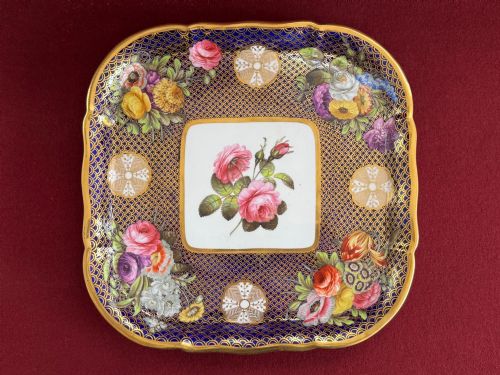
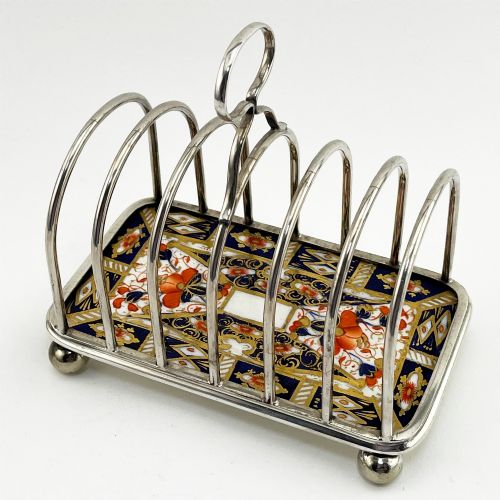
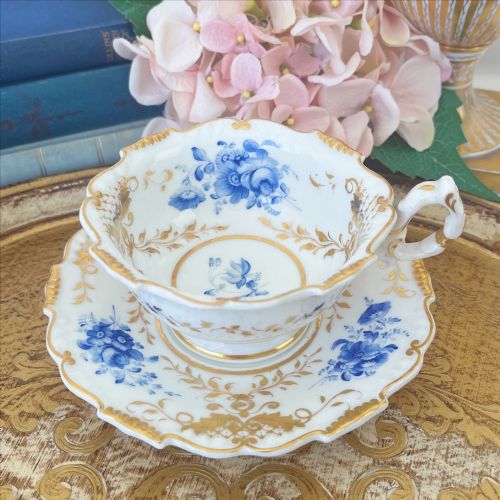
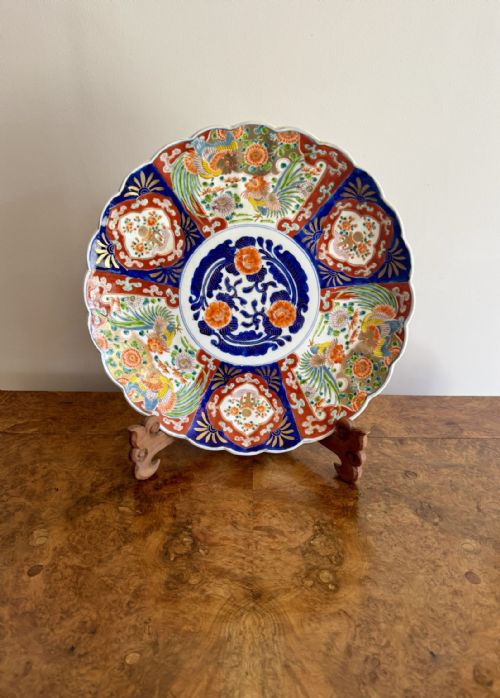
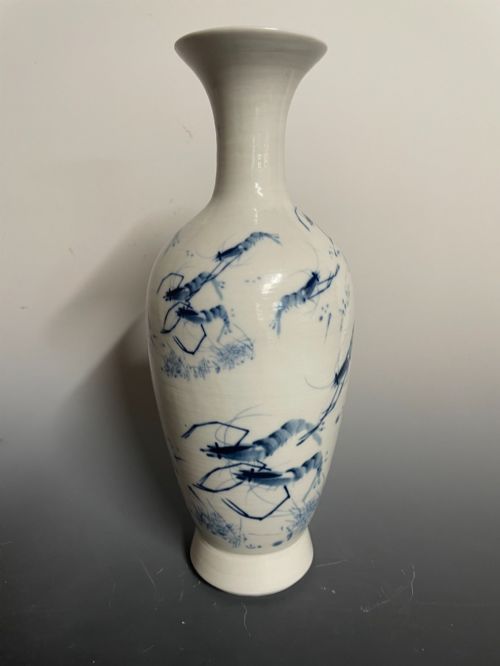
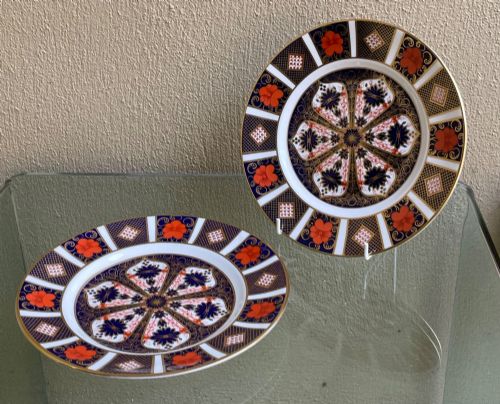
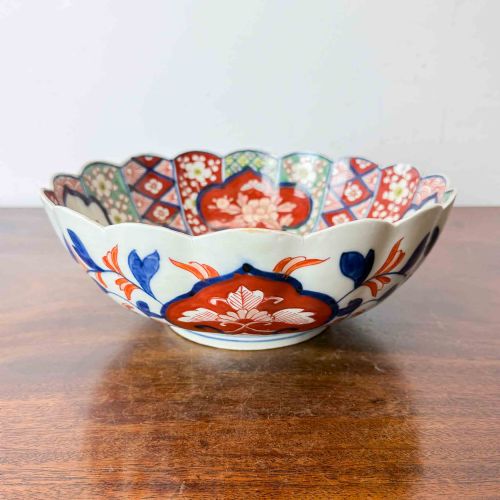
Vintage blue porcelain encompasses decorative and functional vessels, ranging from Japanese Imari bowls and Chinese vases to English cabinet plates and Dutch Delft chargers. These objects span periods from the eighteenth century through the mid-twentieth century, showing sustained interest in cobalt decoration.
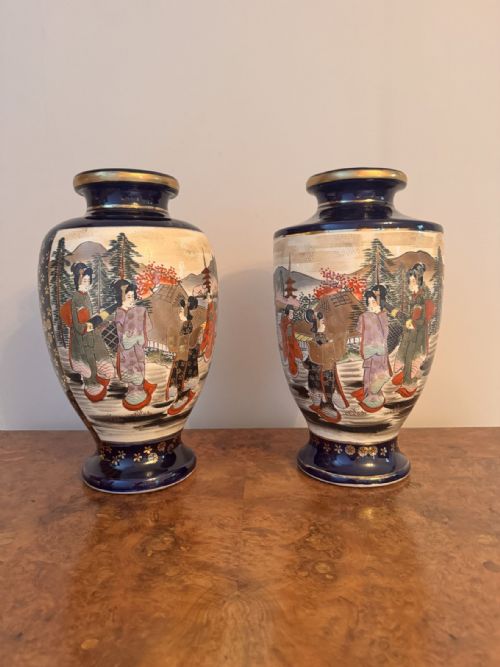
Vases, plates, jardinieres and tea services form the most frequent encounters on this page, often bearing traditional floral, bird or figurative motifs. Pieces reflect diverse origins including European potteries and Asian export wares created across the nineteenth and twentieth centuries.
How they were made
Makers utilised porcelain bodies and bone china finished with glaze, frequently incorporating cobalt blue pigments beneath or over the glaze to achieve deep tonal variation. Many examples combine these ceramic foundations with gilt bronze trim, brass mounts or gold leaf detailing.
Hand-painted techniques dominate the selection, with artists applying pigments directly to the biscuit or glazed surface before firing. Certain pieces utilise transfer-printing methods alongside hand-colouring to produce intricate patterns.
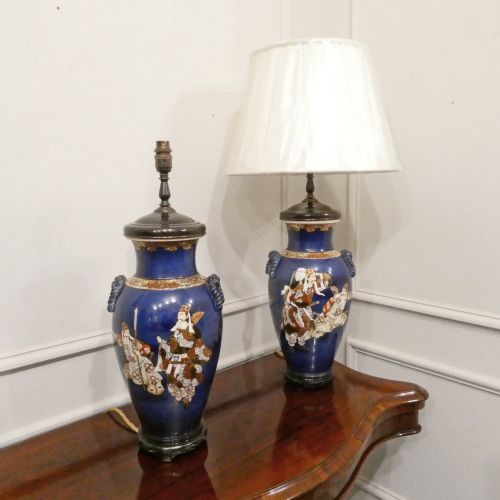
A late seventeenth-century Japanese vase found a second life as a nineteenth-century lamp.
What varies in quality
Depth and clarity of the blue pigment dictate much of the visual success, alongside the precision of hand-painted brushwork versus mechanical transfer. Pieces bearing signatures of recognised artists or specific registry marks show superior execution in their detailing.
The integration of metal mounts, such as ormolu or gilt bronze trim, separates standard production items from finer luxury pieces. Weight, potting uniformity and the crispness of moulded elements like scalloped edges further distinguish the range.
Royal Crown Derby·Royal Worcester·Masons Ironstone·Villeroy and Boch·Royal Doulton
The Vintage Blue Porcelain Glossary
- Imari
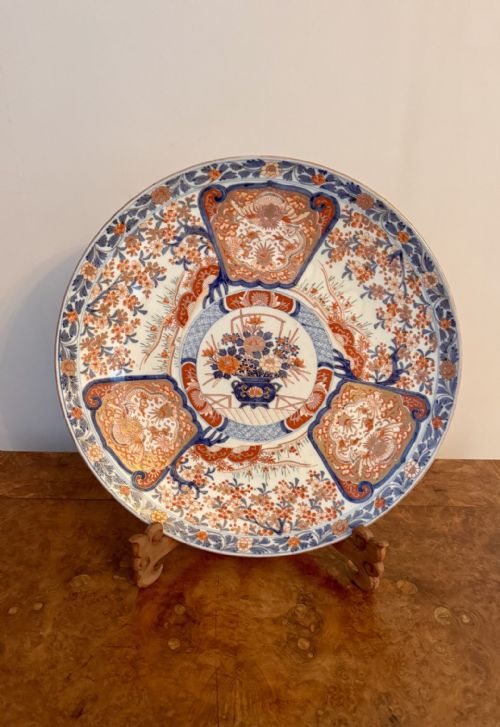
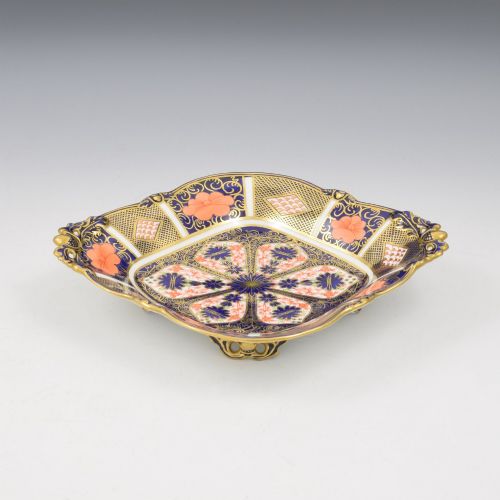
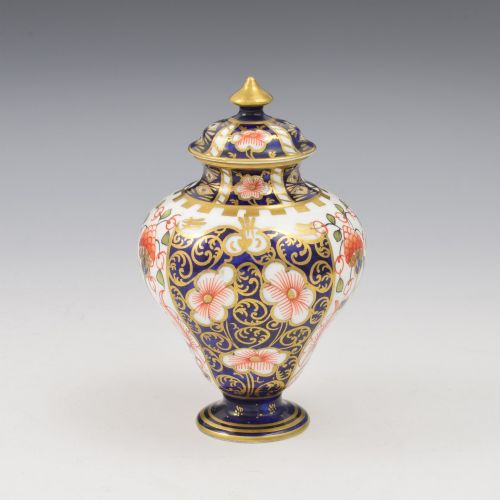
- A style of Japanese export porcelain characterised by a palette of underglaze blue, iron red and gilt highlights. Originating from Arita, these wares heavily influenced European factories.
- Delftware
- Tin-glazed earthenware or porcelain produced in the Netherlands, particularly associated with blue and white painted tin glazes imitating Chinese porcelain. Pieces often depict pastoral scenes or floral arrangements.
- Cabinet plate
- A decorative plate intended for display on a wall or within a cabinet rather than for dining use. These items frequently feature elaborate hand-painted scenes by named artists.
- Jardinere
- A large ornamental pot or stand designed to hold growing plants or flowers. They appear in ceramics and ironstone with heavy blue and white decoration.
Vintage Blue Porcelain: Frequently Asked Questions
How do I date vintage blue porcelain?
Dating relies on maker marks, backstamps, and style clues integrated into the glaze or base of the object. Comparing stylistic traits against known production periods helps narrow down the decade.
Changes in colour vibrancy and manufacturing techniques also provide context for the era in which the piece was fired.
Are these blue porcelain pieces fragile?
Porcelain possesses a hard, vitrified body that resists daily wear, but fine rims, handles, and applied metal mounts remain vulnerable to sharp impacts. Proper handling prevents chips to delicate edges and glaze loss.
Displaying pieces away from high-traffic areas ensures long-term preservation without diminishing their decorative impact.
How should I clean blue porcelain?
Dusting with a soft, dry cloth removes everyday debris safely from glazed surfaces. Avoid harsh abrasives or soaking pieces with metallic trims like gold leaf or ormolu.
Warm water and mild soap suffice for occasional washing, followed by thorough drying with a lint-free cloth.
What is the difference between porcelain and ironstone?
Porcelain is fired at higher temperatures to create a semi-translucent, vitrified body with a fine texture. Ironstone represents a heavy-duty earthenware developed for durability.
Both materials carry blue decoration effectively, though ironstone displays a denser, opaque weight.