




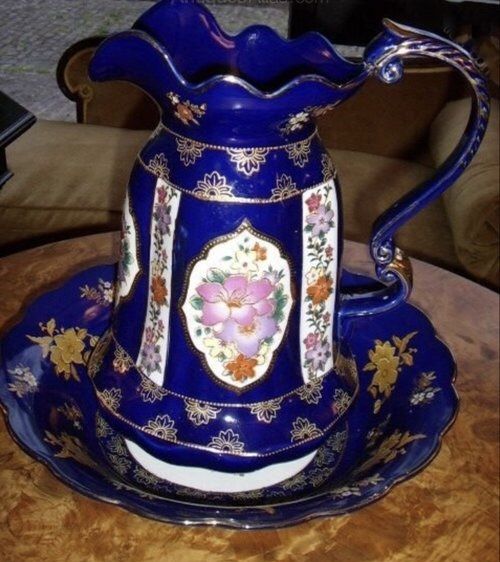
Vintage Blue Pitcher
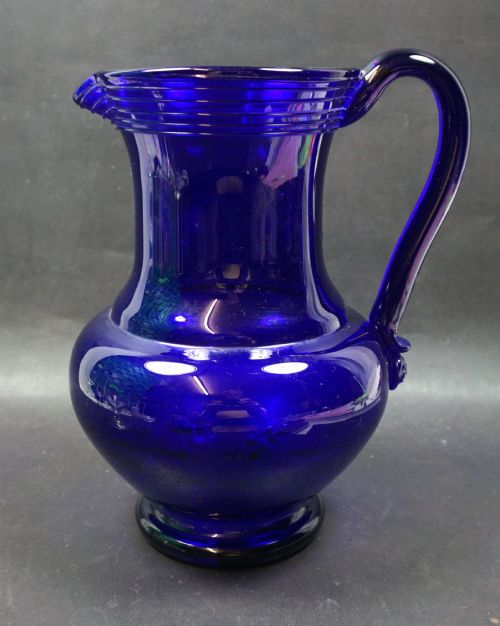
A vintage blue pitcher brings rich ceramic history and striking cobalt tones to the table, offering both practical utility and decorative presence.
Vintage Blue Pitcher
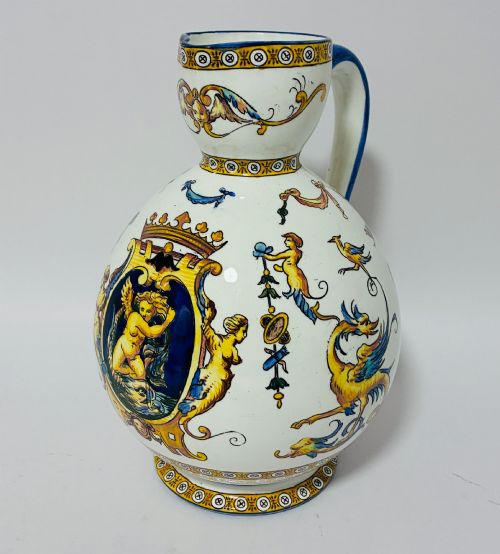
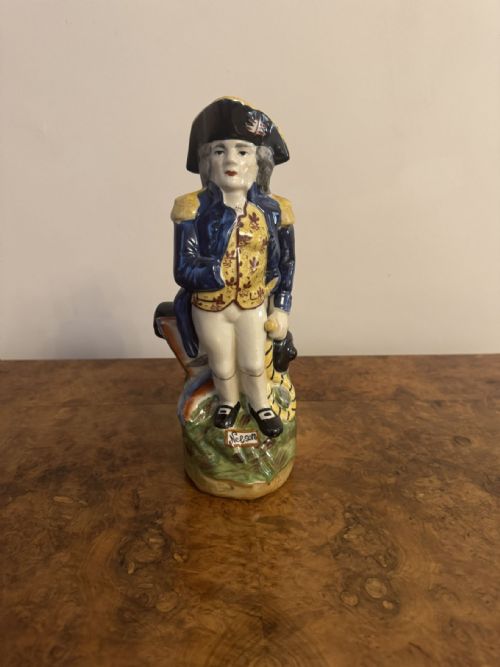
When you search for a vintage blue pitcher, you encounter a diverse array of utilitarian and decorative vessels spanning the Georgian, Victorian, and Art Deco periods. These pieces range from substantial ironstone water jugs and washstand sets to diminutive creamers and characterful Staffordshire toby jugs.
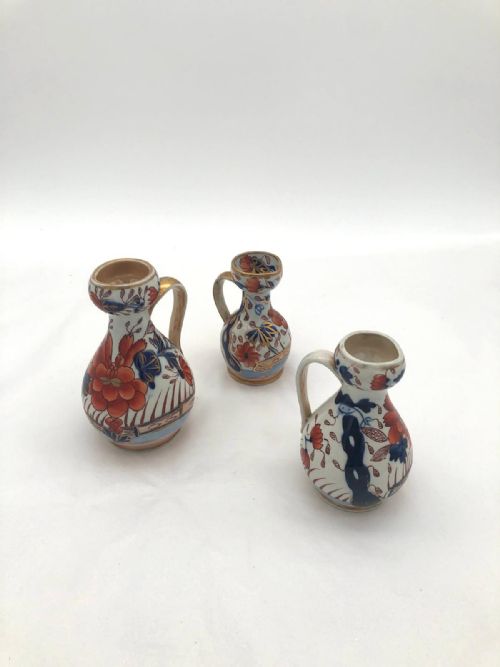
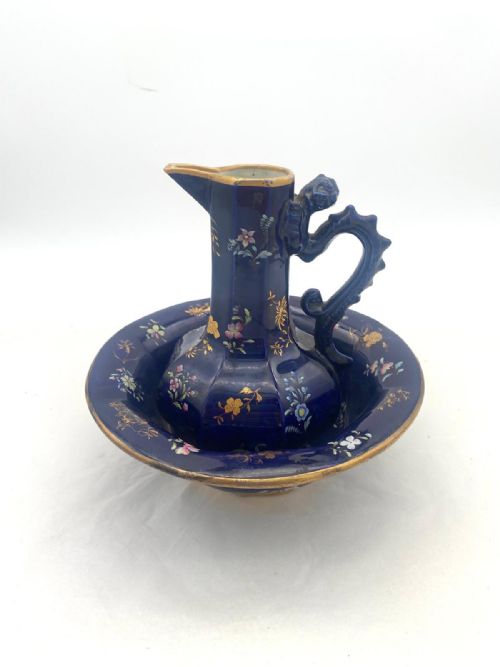
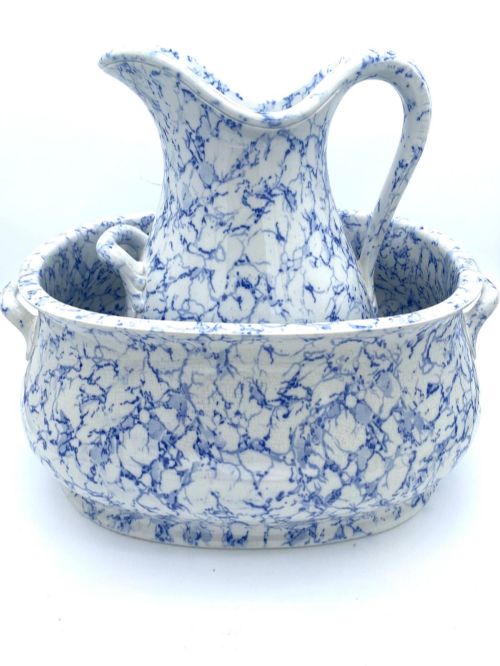
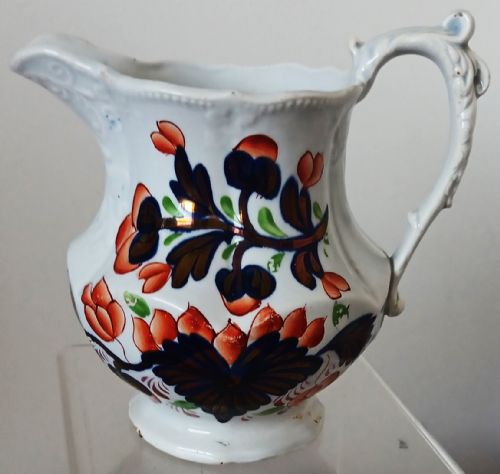
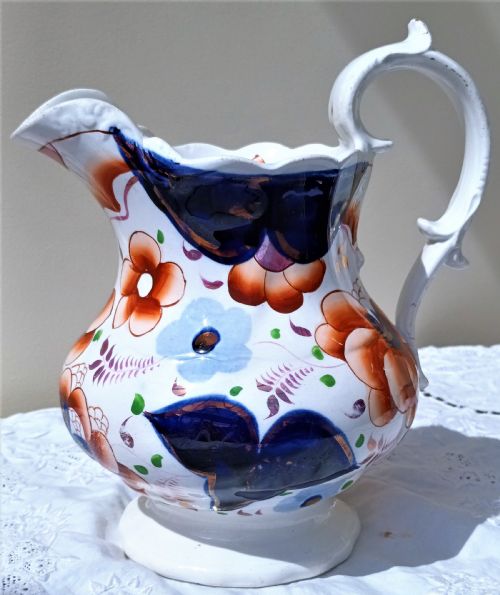
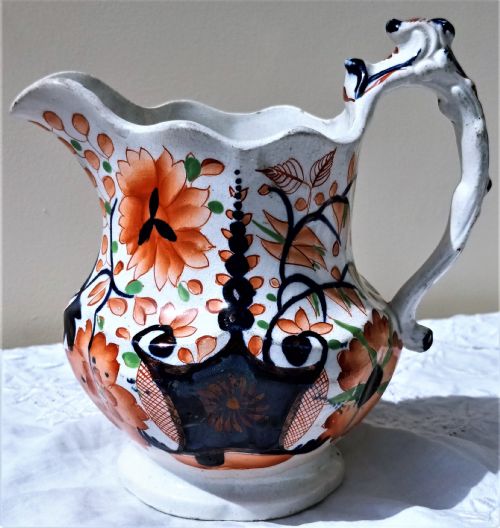
The most common examples on this page are nineteenth-century ironstone and earthenware jugs featuring transfer-printed or hand-painted cobalt decorations, such as the Gaudy Welsh patterns or flow blue designs. Alongside these stand salt-glazed stoneware ewers and porcelain wash set pitchers from the late Victorian and Edwardian eras.
How they were made
Potters utilised robust earthenware, ironstone, and heavy stoneware bodies to shape these vessels, frequently employing moulds for octagonal forms like the Hydra jug or relief-moulded figural designs. Cobalt blue pigments were applied beneath or over the glaze, sometimes complemented by enamel colours and gold leaf accents.
Firing techniques varied from traditional salt-glazing in kilns to refined porcelain processes, resulting in surfaces that range from high-gloss vitreous finishes to absorbent porous bodies.
Vintage Blue Pitcher Retail Price Guide 2026
Typical asking prices for vintage blue pitcher among the pieces listed under this phrase on Sellingantiques today, from the lower quarter to the upper quarter. They describe what is for sale here now, not the wider market.
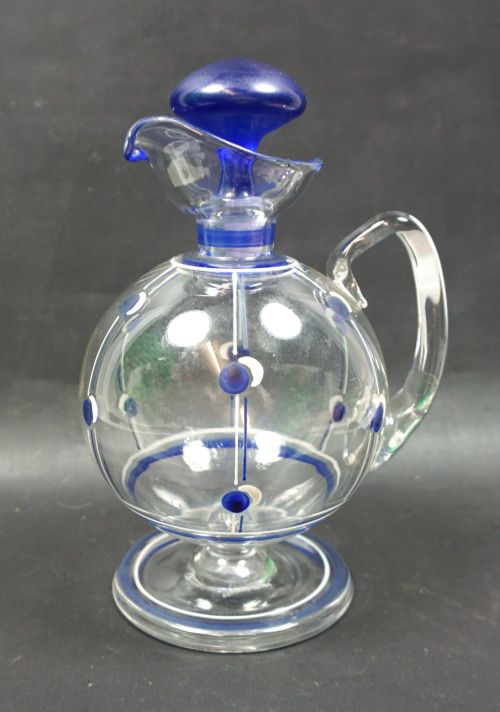
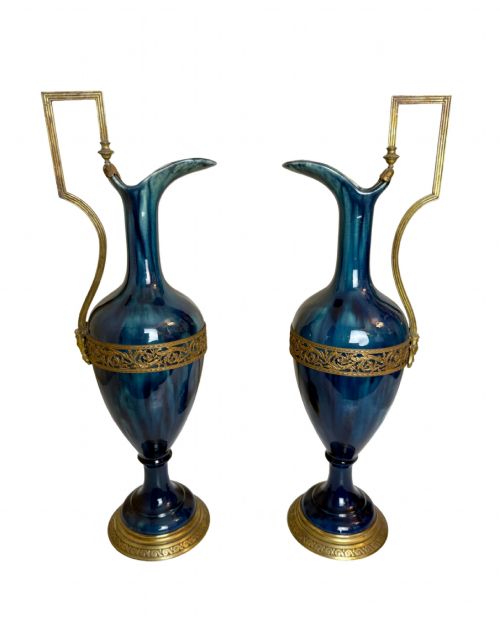
Listings feature nineteenth-century ironstone, earthenware, and stoneware, alongside twentieth-century crystal glass and porcelain.
What varies in quality
The distinction between standard utility ware and superior pieces lies in the crispness of the moulded details, the depth and clarity of the blue glaze, and the precision of any hand-painted highlights. Maker attribution also plays a role, with documented works from notable potteries demonstrating finer potting and more balanced proportions.
Artistry in transfer printing, consistency of the ceramic body without excessive warping, and the preservation of delicate gilt trim or enamel decoration determine the standing of an individual piece.
Minton·Mason's Ironstone·Doulton Lambeth·Staffordshire Pottery·Davenport
The Vintage Blue Pitcher Glossary
- Ironstone
- A dense, durable type of earthenware patented in the nineteenth century to imitate Chinese porcelain. It resists chipping and forms the heavy body of many large jugs.
- Flow blue
- A cobalt blue transfer-printing style where the colour intentionally bled slightly into the white glaze during firing. This created a soft, misty aesthetic popular in Victorian ceramics.
- Ewer
- A large pitcher with a flared spout and an ornate handle, historically used for pouring water at a washstand. Many examples feature substantial stoneware or earthenware construction.
- Toby jug
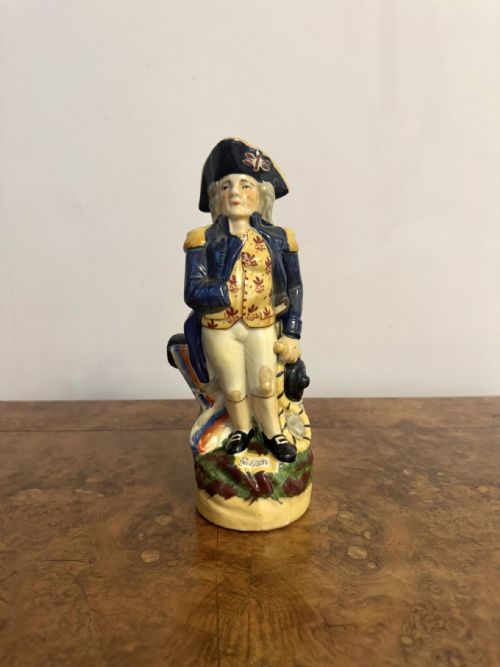
- A pottery jug shaped as a full-seated convivial figure, usually wearing a eighteenth-century tricorn hat. Staffordshire potteries produced numerous variations depicting characters like Mr Snuff.
- Hydra jug
- A classic ceramic jug shape featuring a distinctive angled handle and serpent-like moulded spout. Mason's ironstone frequently utilised this classical Greek-inspired profile.
Vintage Blue Pitcher: Frequently Asked Questions
How were these pitchers originally used?
Most of these vessels served practical daily functions in the home, ranging from carrying water for washing to pouring milk or serving liquids at the dining table.
Larger specimens formed part of washstand sets in bedrooms, while smaller jugs functioned as creamers or decorative flower vases.
How do I care for a ceramic pitcher?
Wash these pieces gently by hand using mild soap and warm water, avoiding abrasive scouring pads that can damage historic glazes and gold leaf trim.
Keep them away from rapid temperature changes and modern dishwashers to preserve the integrity of the antique ceramic body.
How can I tell a Victorian jug from a Georgian one?
Georgian pieces often display simpler earthenware bodies, transitional shapes, or early transfer-printed motifs like mask heads, reflecting neoclassical tastes.
Victorian examples tend toward heavier ironstone construction, bolder floral patterns such as Gaudy Welsh, or elaborate salt-glazed stoneware with rich cobalt coloration.
Are these pitchers waterproof for fresh flowers?
Many glazed ceramic and ironstone pitchers hold water securely, making them suitable for displaying fresh cut flowers and seasonal stems.
Check the interior for any hairline cracks or crazing that might slowly seep moisture before placing the vessel on vulnerable wooden surfaces.