


Vintage Blue China
Vintage blue china brings together centuries of ceramic history, offering collectors plates, platters and vases painted in cobalt and indigo hues.
Vintage Blue China
Vintage blue china encompasses decorative plates, cabinet plates, serving platters, bowls, jugs and figurines produced across the Georgian, Victorian, Edwardian and later twentieth-century periods. When searching for vintage blue china, buyers encounter everything from early transferware chargers to hand-painted cabinet plates and complete tea services.
The forms span domestic tableware and ornamental porcelain, reflecting shifting tastes from eighteenth-century tea drinking to nineteenth-century dining services and twentieth-century cabinet displays. Ironstone, bone china, earthenware and porcelain all appear within this tradition, decorated in cobalt blue transfer prints, underglaze painting and rich enamel palettes.
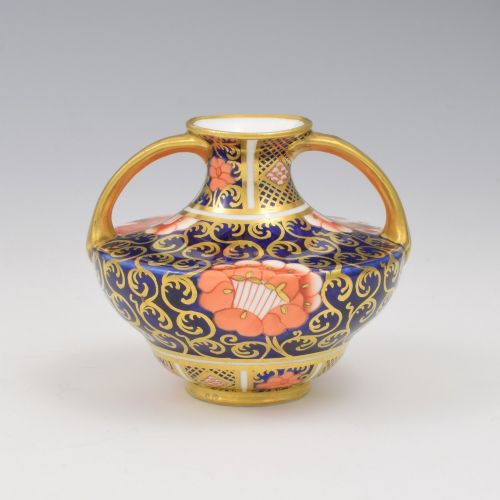
Makers ranging from Spode and Mason's to Royal Worcester and Royal Crown Derby populate these listings, alongside Dutch Delft pottery and Japanese Imari exports. Buyers are most likely to meet nineteenth-century transferware plates and twentieth-century porcelain dishes finished in traditional blue patterns.
How they were made
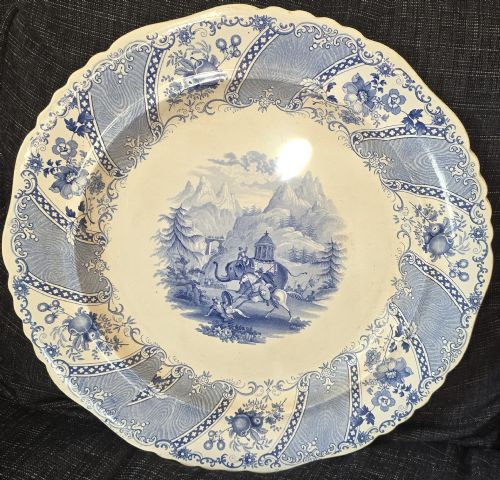
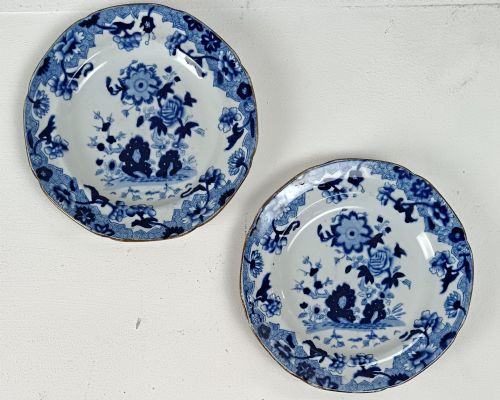
Potters shaped porcelain, bone china, ironstone and earthenware using moulds or the potter's wheel before applying cobalt blue pigment directly to the clay body or over a white tin glaze. Transfer printing allowed workshops to apply intricate pictorial scenes onto plates and platters with remarkable consistency.
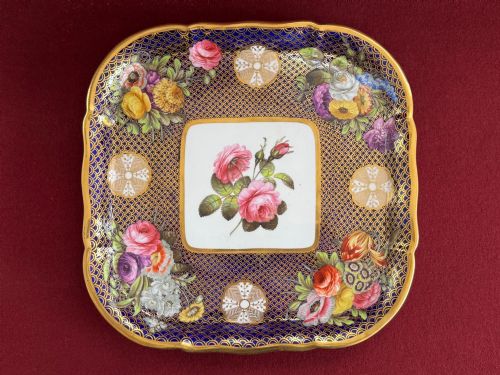
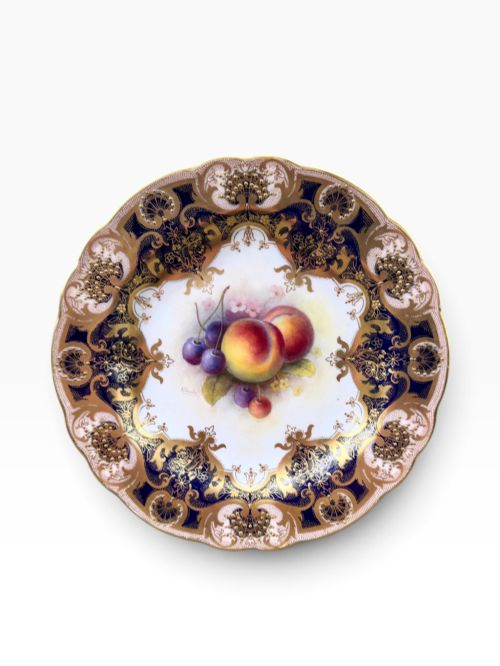
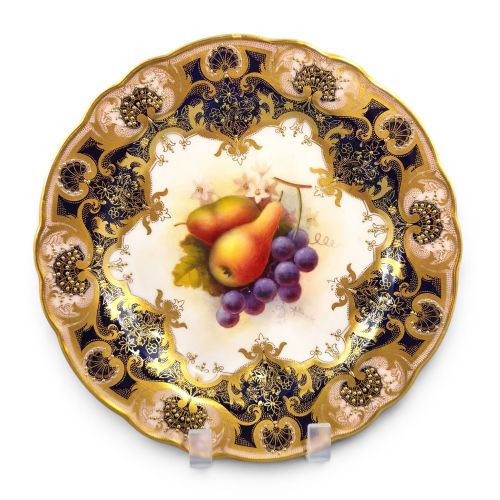
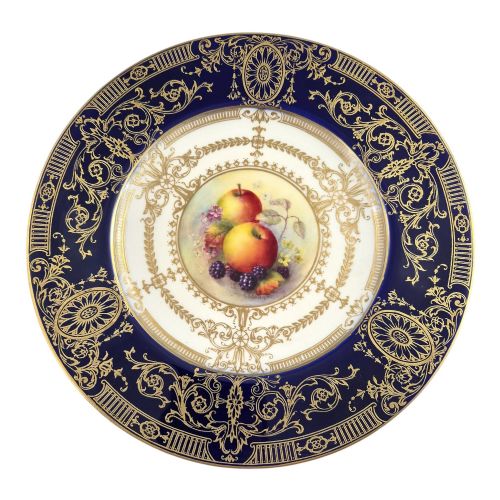
Glaze and enamel layers were fused in kilns at high temperatures, sometimes incorporating gold leaf accents or multi-coloured enamels alongside the dominant blue pigment. Hand-painted pieces required skilled brushwork from decorators who added delicate motifs and signed individual cabinet plates.
Listings feature porcelain, bone china, ironstone and earthenware from the Georgian, Victorian, Edwardian and mid-twentieth-century eras.
What varies in quality
The distinction between standard domestic wares and exceptional pieces rests in the crispness of the transfer print, the subtlety of the hand-painted brushwork and the clarity of the ceramic body. Pieces produced by premier potteries often feature refined gilding, intricate pierced borders and registered pattern numbers.
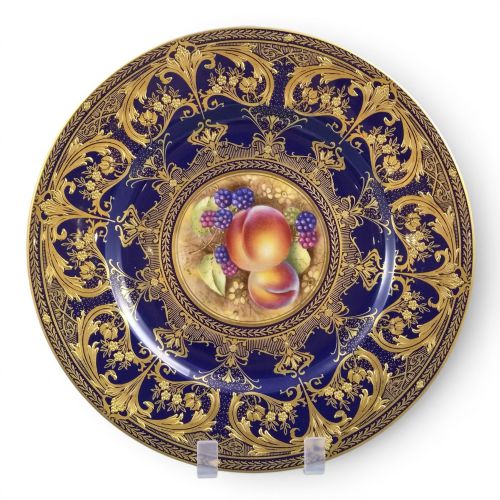
Artistic execution dictates upper-tier status, particularly on hand-painted fruit plates and cabinet services signed by notable ceramic artists. The weight and finish of ironstone or porcelain bodies also separate utilitarian kitchen items from fine parlour display pieces.
Spode·William Smith And Co·Royal Crown Derby·Mason s·Royal Worcester·Minton·Royal Doulton·Wedgwood·New Hall·Davenport·Booths
The Vintage Blue China Glossary
- Transferware
- Pottery decorated by applying a printed design from an engraved copper plate onto unglazed or bisque ceramic via tissue paper. This technique revolutionised mass ceramic production in the nineteenth century.
- Ironstone
- A heavy, durable type of earthenware patented in the early nineteenth century to imitate Chinese porcelain. It resists chipping while providing a smooth white ground for blue transfer patterns.
- Imari
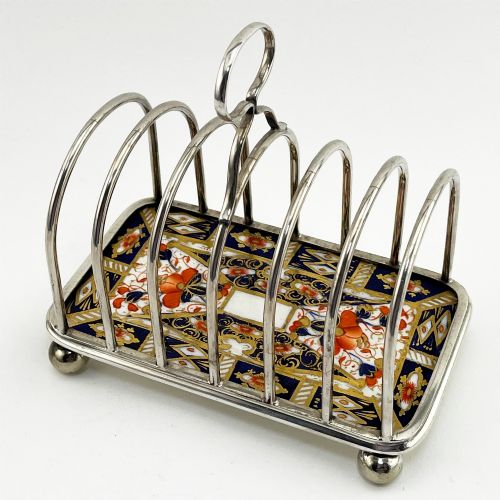
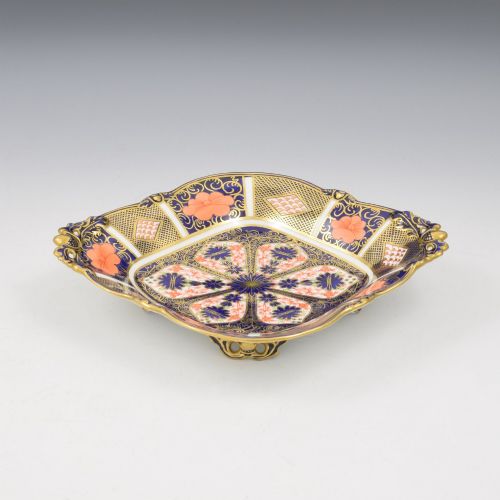
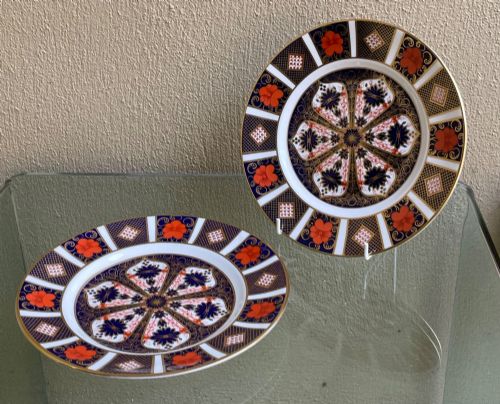
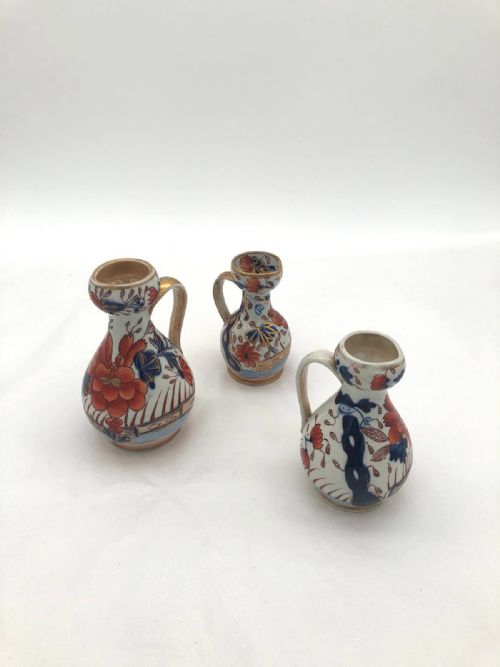
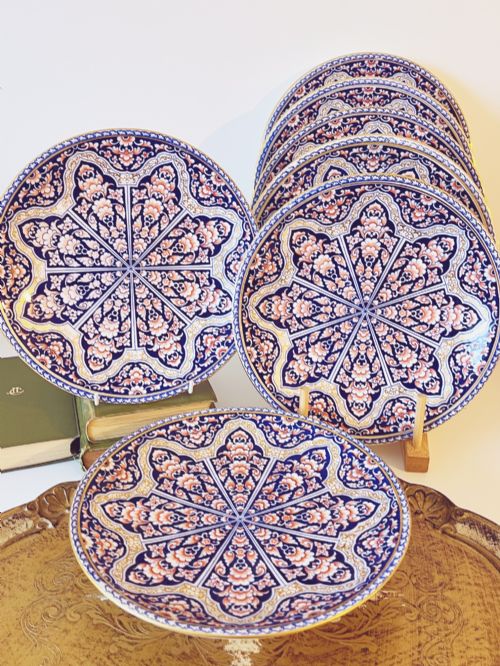
- A style of Japanese export porcelain characterised by underglaze blue and overglaze iron red and gold, which European factories frequently copied. English potteries produced their own versions throughout the Victorian period.
- Cabinet plate
- A decorative ceramic plate intended for display in a cabinet or on a wall rather than for dining use. These pieces often exhibit detailed hand-painted scenes and gilt borders.
- Bone china
- A type of soft-paste porcelain containing bone ash, known for its high strength, chip resistance and milky white translucency. English makers adopted it extensively for fine tea and dessert services.
Vintage Blue China: Frequently Asked Questions
How do I identify antique blue china?
Examine the base for factory backstamps, impressed marks, pattern numbers and date ciphers that reveal the maker and year of production. The composition of the ceramic body, whether heavy ironstone or translucent bone china, also points toward specific periods.
Style indicators such as transfer-printed historical scenes or hand-painted botanical motifs help narrow down the decade of manufacture. Comparing the weight, glaze texture and cobalt hue against known factory standards confirms authenticity.
Can I use vintage blue china daily?
Many sturdy ironstone and earthenware pieces were built for practical service and handle regular use well when washed by hand. Delicate porcelain tea sets and gilt cabinet plates require gentle handling to preserve the overglaze enamels and gold leaf.
Harsh detergents and automatic dishwashers damage antique glazes and fade delicate cobalt pigments over time. Hand washing in warm soapy water keeps these historic ceramics safe for everyday enjoyment.
What is blue and white transferware?
Transferware is pottery decorated by pressing a copperplate engraving inked with cobalt blue onto tissue paper, which was then transferred onto the clay body. This method allowed potteries to produce complex pictorial landscapes and floral patterns efficiently.
The process became the defining aesthetic of nineteenth-century British dining tables, depicting everything from classical ruins to romantic pastoral scenes. Each factory engraved its own copper plates, creating distinct borders and motifs identifiable to collectors.
How should I display my collection?
Cabinet plates and chargers look striking mounted on sturdy wall hangers or arranged within dedicated glass display cabinets. Serving platters and bowls anchor sideboards or dining tables, adding vertical interest and colour to a room.
Keeping ceramics away from direct sunlight protects enamel colours and prevents glaze crazing over the years. Grouping pieces by period or maker creates a cohesive visual narrative in a modern interior.