



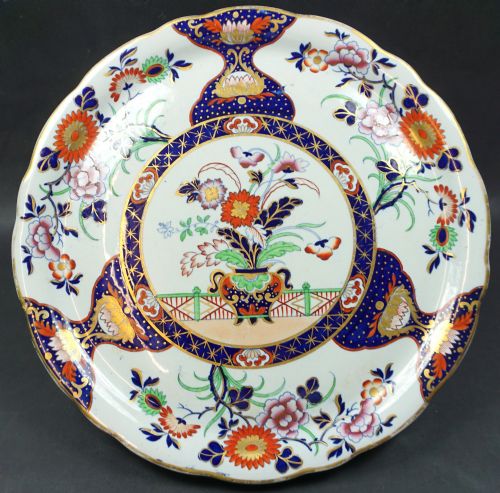
Vintage Blue Ceramic Dishes
These vintage blue ceramic dishes bring cobalt tones and hand-painted patterns from centuries past straight to the table.
Vintage Blue Ceramic Dishes
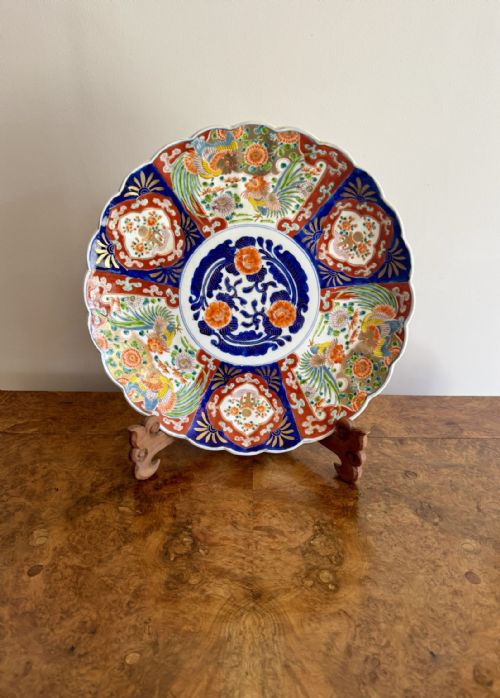
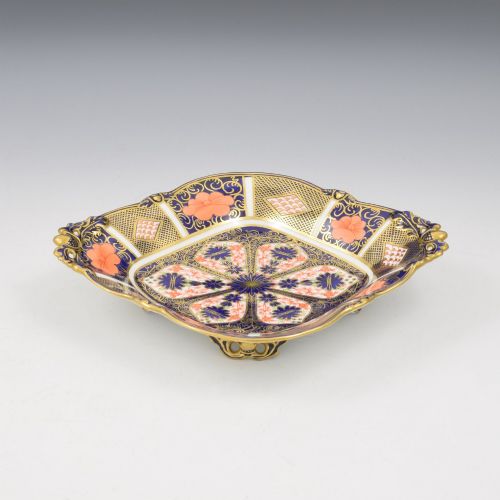
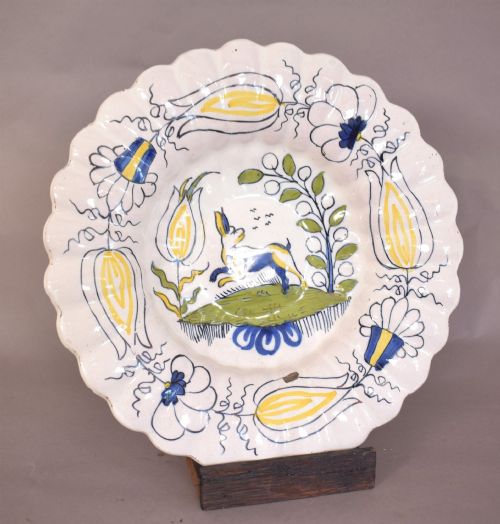
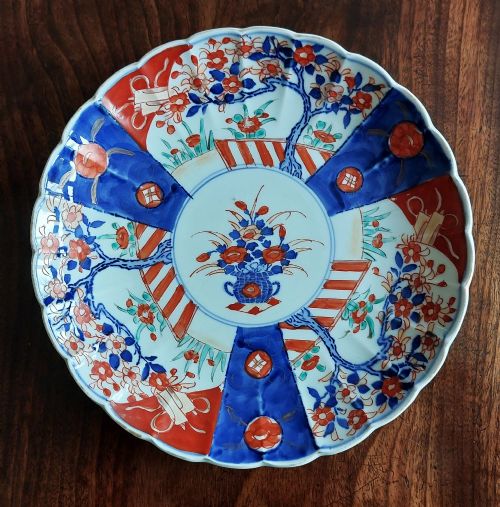
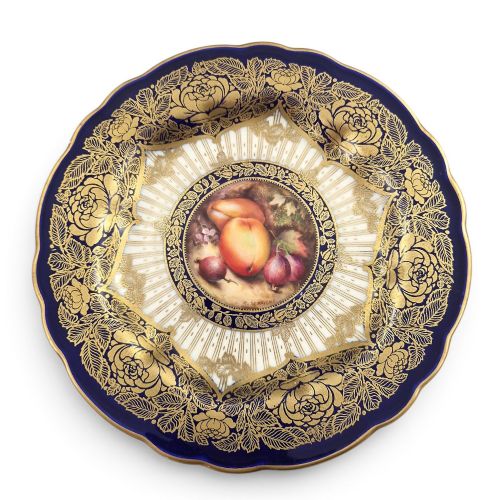
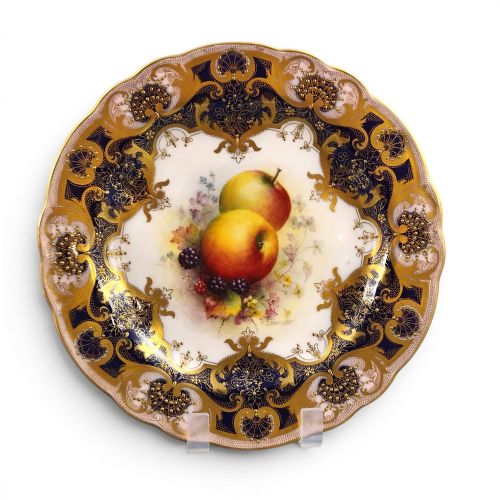
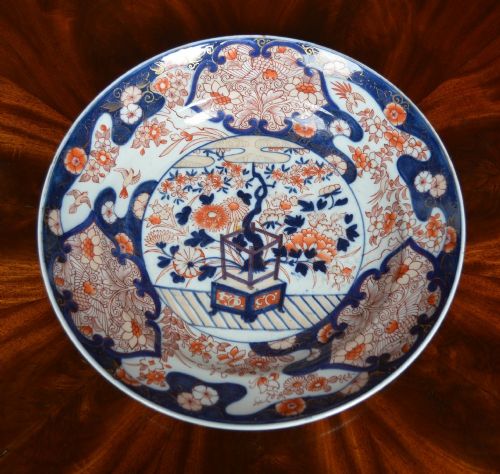
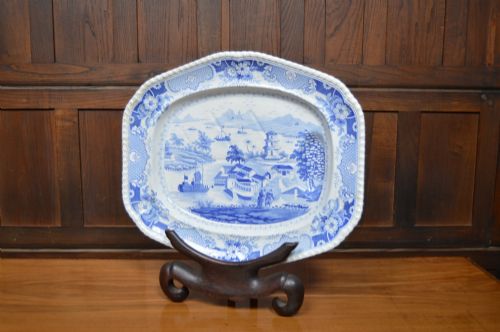
Vintage blue ceramic dishes encompass a varied selection of plates, platters, bowls, and tureens shaped by diverse hands across several centuries. You encounter earthenware, porcelain, and faience pieces bearing rich blue decoration ranging from Japanese Imari designs to English transferware.
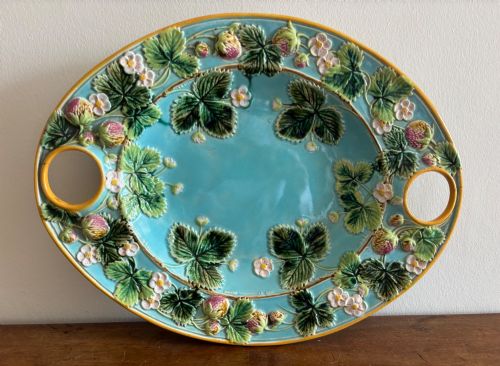
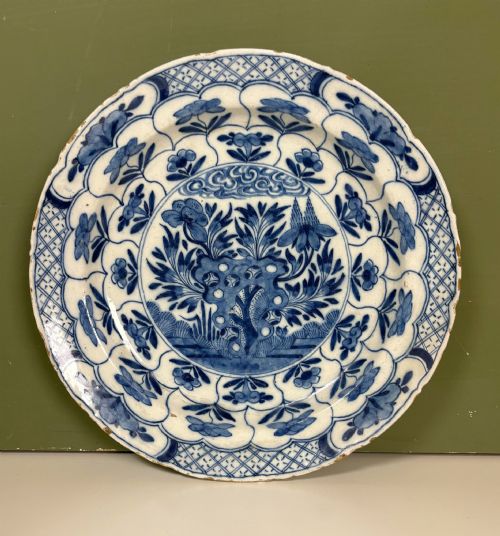
The selection here leans heavily toward decorative chargers, cabinet plates, and serving vessels from the eighteenth, nineteenth, and early twentieth centuries. Pieces span multiple origins, including English potteries, Dutch Delft workshops, French faience makers, and Japanese kilns.
How they were made
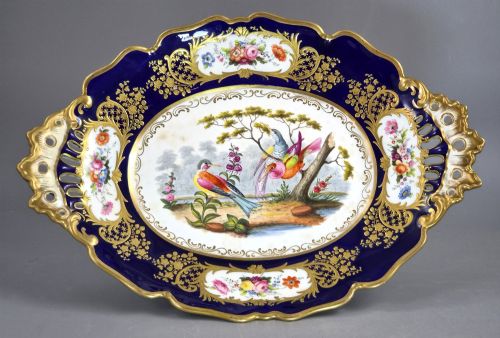
Makers utilised ceramic bodies such as porcelain, earthenware, and creamware, applying glazes to seal the surface before or after firing. Cobalt oxide served as the primary pigment for deep blue designs, sometimes combined with gilding, gold leaf, or hand-coloured polychrome details.
Techniques varied from intricate hand-painting on Japanese Imari and Delft wares to transfer printing on English earthenware platters and soup bowls. Kiln firing fixed the cobalt pigments beneath or within the glaze, producing durable finishes that survive across generations.
Several tureens retain their original ladles, sparing future hosts the indignity of hunting for matching gravy servers.
What varies in quality
The sophistication of the painting and the clarity of the cobalt pigment determine the visual standing of each piece. Skilled brushwork and precise transfer details distinguish finer cabinet plates and chargers from standard utility wares.
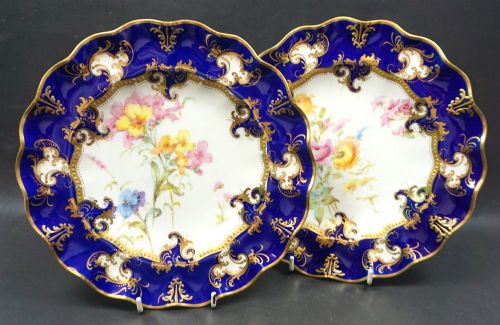
The weight of the ceramic body, the smoothness of the glaze, and the crispness of moulded or scalloped edges signal the care taken during production. Well-preserved gilding and intact surfaces also separate standard examples from finer items.
Coalport·George Jones·Royal Crown Derby·Royal Worcester·Hicks & Meigh·John Rogers & Son·Wedgwood·John and Richard Riley·Minton
The Vintage Blue Ceramic Dishes Glossary
- Cobalt Oxide
- A mineral compound utilised by potters to achieve deep blue coloration under the glaze. It withstands high kiln temperatures without losing intensity.
- Transferware
- Pottery decorated by applying a printed design from an engraved copper plate onto tissue paper, then transferring the ink onto the ceramic surface. This technique enabled intricate repeatable patterns.
- Imari
- A style of Japanese porcelain featuring cobalt blue and iron red decoration, often enriched with gold. These pieces were widely exported to Europe from the Meiji period onward.
- Charger
- A large decorative plate intended for display on a sideboard or table rather than daily dining. They often showcase elaborate hand-painted scenes or armorial motifs.
Vintage Blue Ceramic Dishes: Frequently Asked Questions
How do I display a charger plate?
Charger plates suit placement on sideboards or walls using specialist wire hangers designed for heavy ceramics. Their large diameters make them focal points in a room.
Ensure mounts take the full weight of the piece securely before leaving items unattended on vertical surfaces.
Can I use these dishes for dining?
Many nineteenth and eighteenth-century pieces function well for serving dry foods, though older glazes require gentle hand washing. Display cabinets suit fragile cabinet plates and fine porcelain best.
Avoid dishwashers and harsh detergents to protect the historic glaze and cobalt pigments from unnecessary wear.
What dates an Imari dish to the Meiji period?
Meiji period Imari pieces typically display bright cobalt blue alongside dense iron red and gilt highlights on crisp porcelain bodies. The potting tends to be refined yet sturdy.
Comparing the weight and glaze finish with nineteenth-century European imitations helps confirm Japanese origin.